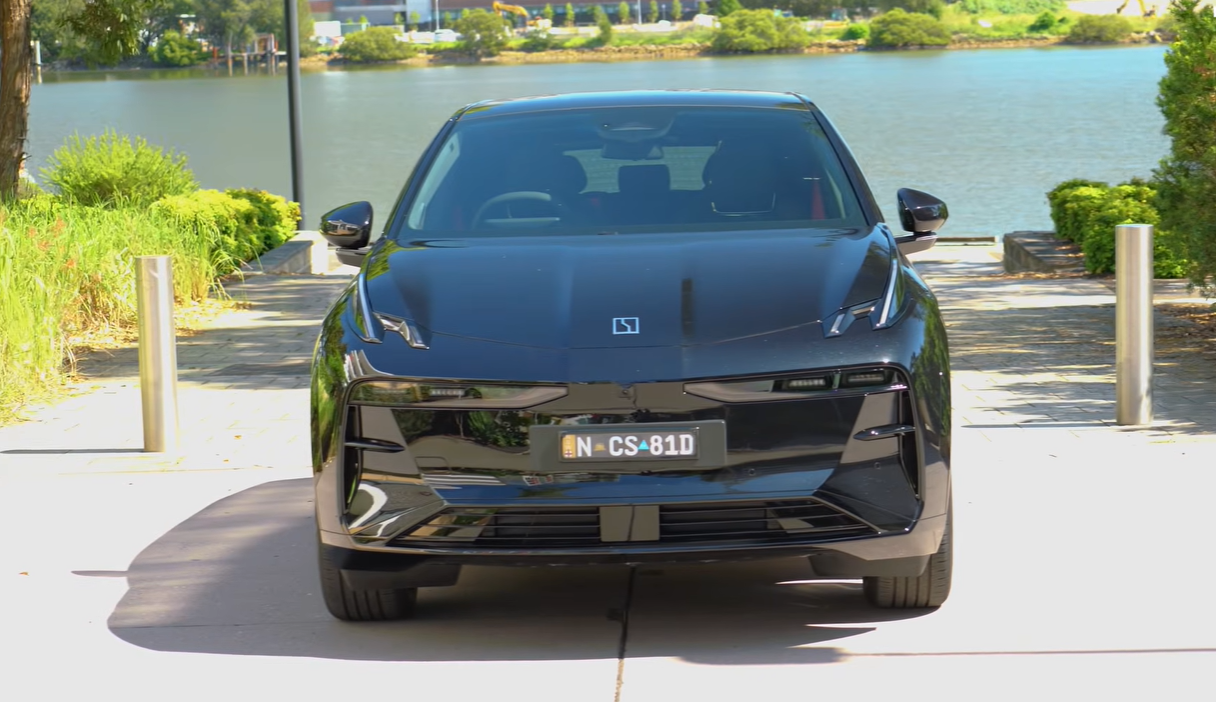
The 2026 Zeekr X arrives with the most significant mid-cycle refresh the small EV SUV segment has seen this year — a $10,000 effective price cut, 50kW more power, a new LFP battery with 230kW DC charging, and an overhauled interior. At under $50,000 drive-away for the RWD, it’s now competing directly with the Kia EV3, BYD Atto 3, and MG S5. We drove it. Here’s everything that changed — and the one problem Zeekr still hasn’t fixed.
MyPitShop Quick Verdict
- $10,000 effective price cut (spec-for-spec) transforms this from “interesting” to “seriously consider it” territory
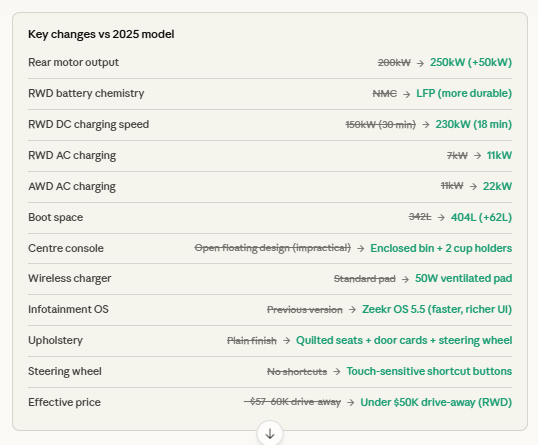
- New 250kW motor (up from 200kW) and 230kW DC fast charging (10–80% in 18 min) are genuine upgrades
- New LFP battery chemistry is more durable and charge-cycle friendly than the old NMC pack
- Redesigned centre console fixes the old model’s biggest interior criticism — more practical, more conventional
- Ride comfort on rough roads and country highways remains the single biggest unresolved issue
- Overzealous safety systems (driver monitor, speed alerts) require annoying multi-step menu navigation to disable every start
Pricing — what the $10,000 cut actually means
- RWD — Under $50,000 drive-away
- AWD Performance — Under $60,000 drive-away
Full exact pricing to be confirmed at the Melbourne Motor Show on April 10, 2026. Available from May 2026 at Zeekr Australia showrooms and online.
To put the price cut in context: the previous Zeekr X RWD was discounted to $49,900 plus on-road costs in April 2025 and still struggled to compete. The 2026 model offers more features, more power, better charging, and costs less. Spec-for-spec the saving is approximately $10,000. Entry-level comparison is around $6,000 cheaper. This is not a token discount.
At under $50,000 drive-away, the 2026 Zeekr X RWD directly lines up with entry-level Kia EV3, top-spec BYD Atto 3, and top-spec MG S5 — all sitting in the $48,000–$49,000 bracket. The price gap that previously made those rivals easier choices has now effectively closed.
Full specifications — RWD vs AWD
| Body style | 5-door compact electric SUV — 4432mm long, 1836mm wide, 1566mm high, 2750mm wheelbase |
| Platform | Shared with Volvo EX30 (Geely SEA architecture) |
| RWD motor | 250kW / 373Nm single rear motor (up from 200kW/343Nm) |
| AWD motors | 365kW / 573Nm dual-motor (115kW front + 250kW rear) |
| RWD battery | 61kWh LFP (lithium iron phosphate) — Cell-to-Pack architecture |
| AWD battery | 66kWh NMC (nickel manganese cobalt) |
| RWD range | 405km WLTP (real-world ~400km estimated) |
| AWD range | 415km WLTP |
| RWD DC charging | 230kW max — 10–80% in 18 minutes (up from 150kW / 30 min) |
| AWD DC charging | 150kW max — 10–80% in 30 minutes |
| AC charging | RWD: 11kW (up from 7kW) | AWD: 22kW (up from 11kW) |
| 0–100km/h | RWD: 5.6 sec | AWD: 3.7 sec |
| Display | 14.6-inch touchscreen — Zeekr OS 5.5, wireless Apple CarPlay + Android Auto |
| RWD standard features | 19-inch alloys, LED headlights, panoramic glass roof, dual-zone climate, wireless phone charger (50W ventilated), power tailgate, 13-speaker Yamaha audio, heated front + rear seats |
| AWD exclusives | Massaging front seats, AR heads-up display, 20-inch wheels, centre console fridge, 22kW AC charging, power front doors (optional), Onyx Black / matte Khaki Green colours |
| Safety | 5-star ANCAP (2024), AEB, adaptive cruise, lane keep, blind spot, 360-degree camera, 5 HD cameras + 5 radar + 12 ultrasonic sensors |
| Frunk | Small — present but not large |
| Boot | 404L (up from 342L) + underfloor storage |
| Warranty | 5-year unlimited km (private buyers) |
What’s new for 2026 — the complete upgrade list
Design and exterior — funky but familiar
The 2026 Zeekr X keeps its distinctive exterior largely unchanged — the split headlights with lowercase-H shaped DRL signatures, the flush door handles that retract when locked and extend when unlocked, and the overall proportions that sit it squarely between a Toyota Yaris Cross and a Kia EV3 in footprint. New for 2026 are two AWD-exclusive exterior colours: Onyx Black and matte Khaki Green. The RWD retains its existing colour palette.
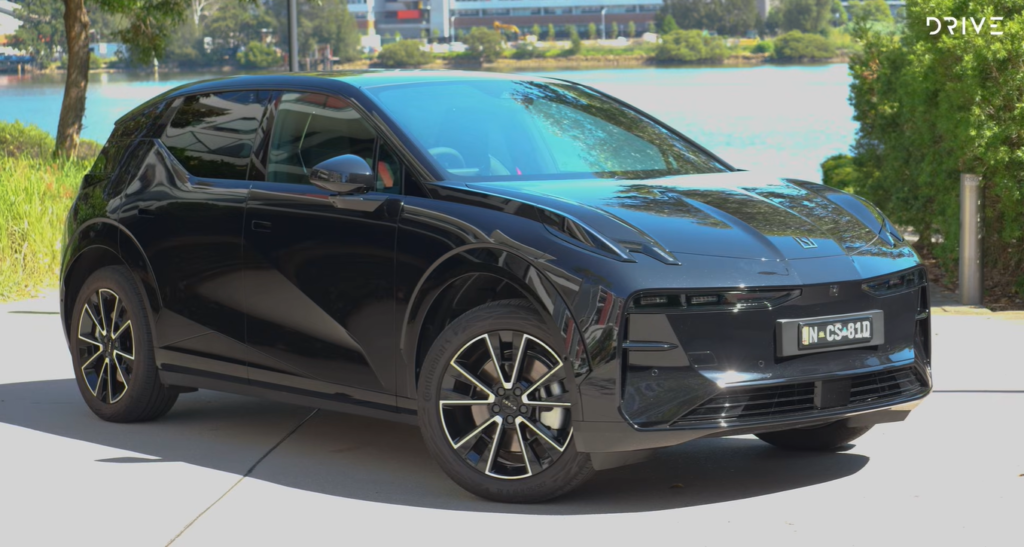
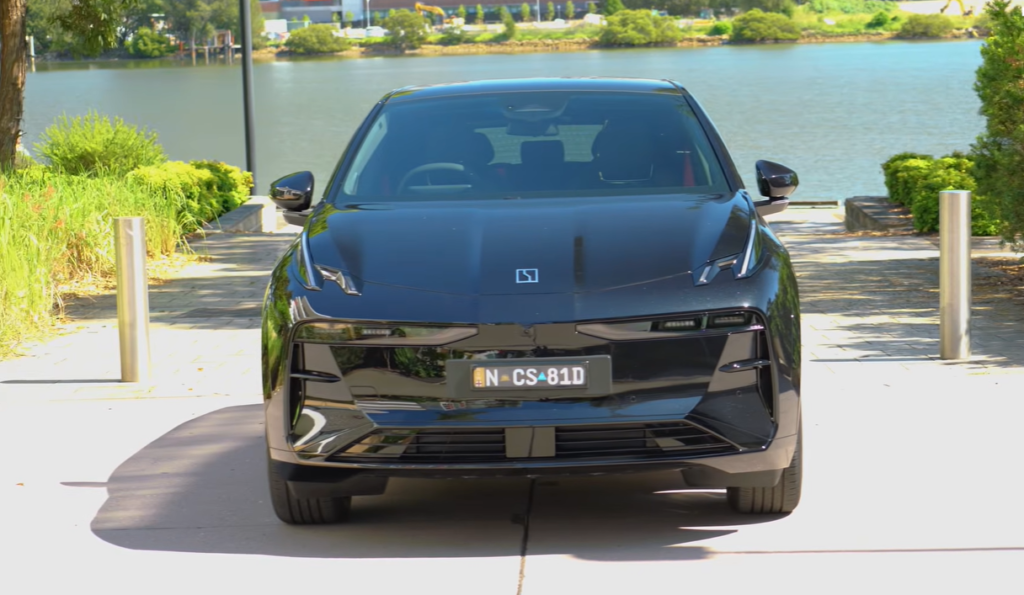
One important note for black-finish fans: the Onyx Black paint is exclusive to the AWD model. You cannot get the black exterior on the RWD. The same restriction applies to the black interior with red contrast stitching. If this colour matters to you, budget accordingly for the AWD at under $60,000 drive-away.
The funky door handles are a conversation starter but serve a practical purpose — the recessed design reduces aerodynamic drag and adds to the premium feel. Boot access via the power tailgate is standard on both variants, though the low tailgate height is a head-ducking hazard for buyers over 185cm tall. The sharp tailgate edges are also worth being careful around.
Interior: the centre console fix that needed to happen
The old Zeekr X’s biggest interior criticism — universally raised across every Australian review — was the floating centre console with a single cup holder and limited practical storage. For 2026, Zeekr replaced it entirely. The new console has an enclosed deep storage bin large enough for a 1.25L bottle, two cup holders (tight but present), and a repositioned 50W ventilated wireless phone charger. A secondary phone tray for the passenger is present but it does not charge.
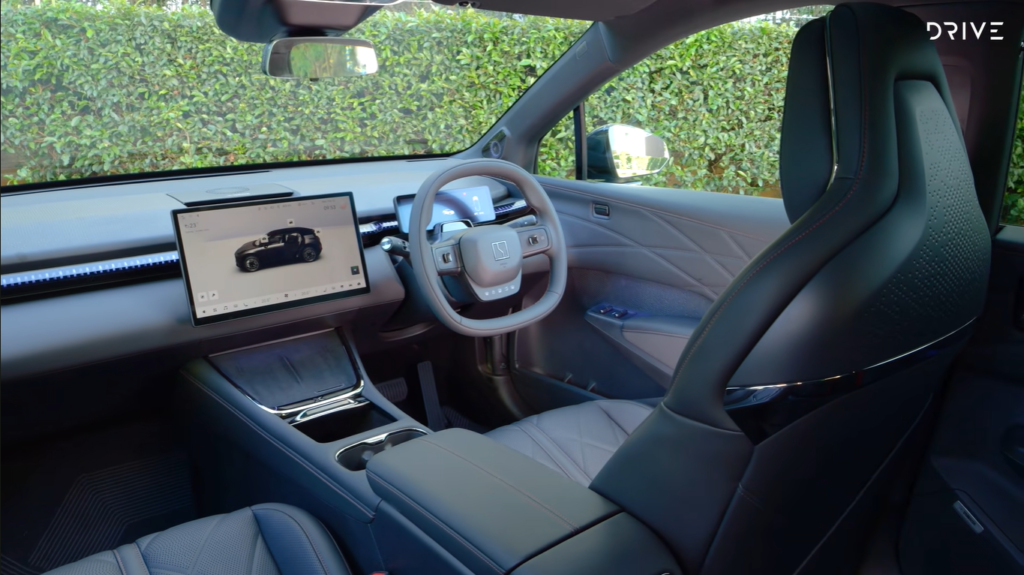
The quilted upholstery treatment now covers seats, door cards, and the steering wheel hub — giving the cabin a noticeably more premium appearance that punches above the sub-$50K price point. Soft-touch materials on the dashboard and centre console add to that impression, and build quality is strong with no squeaks or rattles observed during testing.
The steering wheel gains touch-sensitive shortcut buttons for defrosters, door locks, 360-camera, boot, and rear window defroster. Good in theory — but haptic-only buttons require you to look away from the road to use them, defeating the purpose of shortcut controls. Physical buttons or at minimum tactile-edged haptics would serve better here.
Rear seat experience — honest assessment
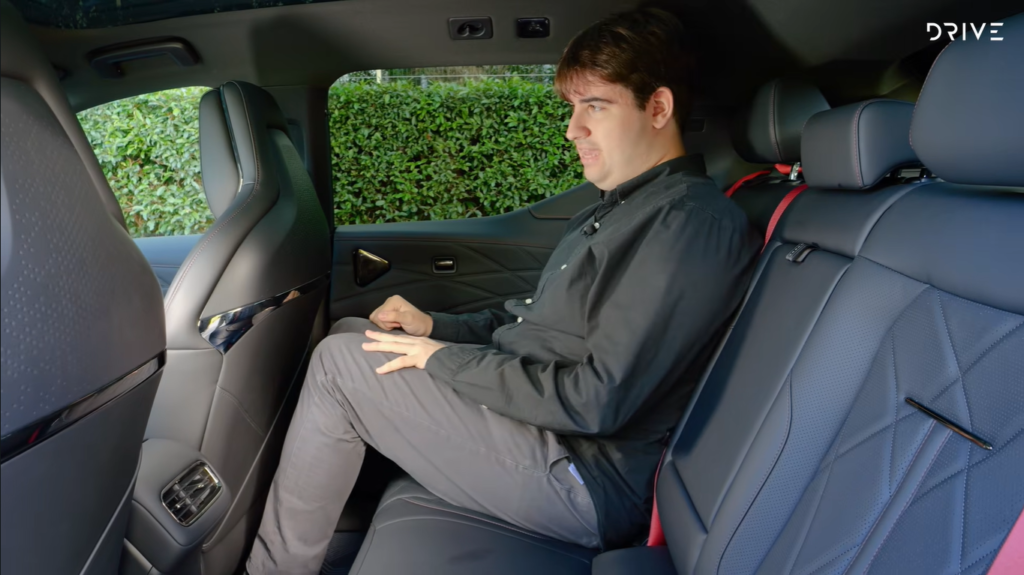
For a 6ft 1 (186cm) passenger, the rear seat provides reasonable knee room and headroom under the panoramic roof, but under-thigh support is genuinely poor. The floor sits high, pushing knees upward in a posture that becomes uncomfortable on longer journeys. Toe room under the front seat is also tight. Rivals like the Skoda Enyaq and some BYD models manage rear seat ergonomics significantly better for taller adult passengers.
On the positive side: three top tethers and ISOFIX points on outer seats for child seats, air vents in the rear, and decent soft-touch materials. One USB-C port in the rear is less than ideal for multi-passenger families. The rear windows have a small open aperture — not a dealbreaker but ventilation is limited.
Boot and storage
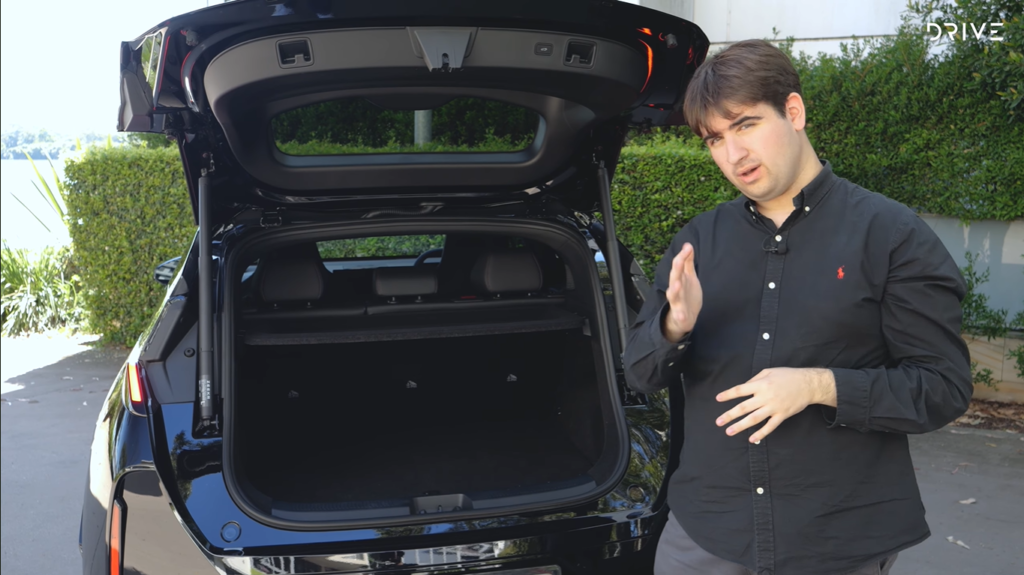
Boot space grows from 342L to 404L — a meaningful 62L increase primarily through better underfloor storage optimisation. The load area is practical and flat, with a removable cargo cover. A small frunk (front storage) exists but is modest in size. No spare wheel, which is standard across the EV segment — charging cables and flat bags store well in the underfloor space.
Battery and charging — why LFP matters more than the headline number

The switch from NMC to LFP battery chemistry in the RWD is more significant than the headline numbers suggest. LFP batteries are inherently more resistant to degradation from regular 100% charges — a meaningful advantage for home charging users who routinely top up to full overnight. NMC batteries degrade faster when charged to 100% repeatedly. This makes the 2026 RWD a better long-term ownership proposition than the 2025 model, independent of the range figure.
The range drop from the previous model needs context. The 2025 Zeekr X quoted up to 540km — but that used CLTC test conditions, the Chinese standard that uses gentler driving profiles and significantly flatters real-world results. The 2026 405km WLTP figure uses the stricter European standard, which is much closer to Australian driving conditions. The actual real-world range difference between old and new is far smaller than 540km vs 405km implies — likely under 40km in practice.
The 230kW DC charging rate is the fastest in the compact electric SUV class in Australia right now. A 10–80% top-up in 18 minutes at a compatible DC charger means road trips are viable without long charging stops — a concrete daily-use advantage over rivals like the Kia EV3 (85kW DC) and BYD Atto 3 EVO which charges at comparable speeds but isn’t on sale yet.
Performance — 250kW, that’s more than enough
The 2026 RWD’s 250kW motor represents a 25% power increase over its predecessor. On the road, the improvement is felt rather than dramatic — the old Zeekr X was not slow, and the 2026 version simply has more confident on-ramp punch, quicker gap-filling in traffic, and a stronger response when you need to accelerate decisively. The 5.6-second 0–100km/h time puts it ahead of most petrol SUVs in this size class.
The AWD’s 3.7-second 0–100km/h sprint is properly fast for a family SUV — territory that was previously the domain of performance-oriented vehicles costing significantly more.
The ride — the unresolved problem
MyPitShop Ride Warning
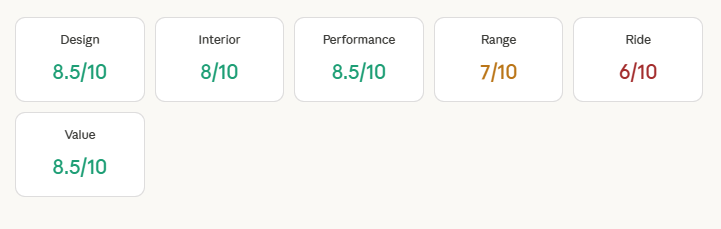
The suspension calibration has not been revised for 2026. On smooth urban roads, the ride is acceptable. On rough roads, country highways, and mid-corner bumps at speed, the Zeekr X becomes genuinely unsettled — pitching, rolling, and requiring electronic intervention to maintain composure. If you live near rough roads or plan regular country driving, this is a serious issue that should influence your buying decision.
This was the primary criticism of the 2025 Zeekr X in every Australian review, and it carries over unchanged into 2026 because the suspension geometry and calibration have not been touched. On sealed suburban streets it is manageable — firm but not spine-jarring. On broken bitumen or at speed over mid-corner bumps, the car loses composure in a way that undermines confidence and comfort for both driver and passengers.
Rivals like the Kia EV3 handle rough road surfaces with noticeably more composure. If a significant portion of your driving involves rough roads or regular country trips, this remains a reason to look at alternatives.
Infotainment and driver assistance — good screen, frustrating safety nannies
The 14.6-inch touchscreen running Zeekr OS 5.5 is fast, well-featured, and responsive. Wireless Apple CarPlay and Android Auto work well, though reliability is not 100% consistent — occasional dropouts were noted during testing. Climate controls are screen-based with no physical knobs, which is a usability compromise that takes time to adapt to. Fan speed and temperature can be adjusted via the instrument display, which is a useful workaround.
The driver monitoring system and overspeed warning alert excessively, and both require navigating through multi-step menus to disable every single time the car starts. There is a quicker shortcut via a swipe-down panel that toggles lane keep, speed warning, and driver monitor — but it still resets at each ignition cycle. This is a software problem, not a hardware one, and Zeekr needs to address it urgently. It is one of the most commonly cited frustrations from Australian Zeekr X owners.
How it compares to key rivals
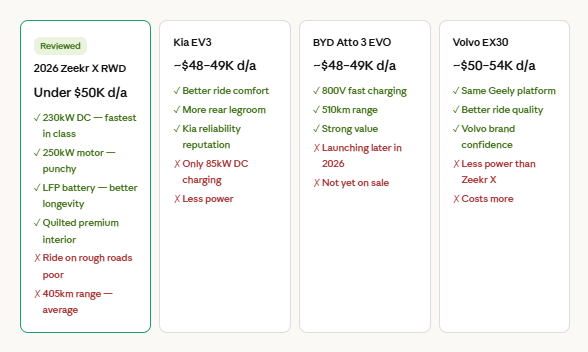
Pros and cons
What works
- 230kW DC charging — segment-leading speed
- LFP battery — better long-term durability
- 250kW motor — confident real-world punch
- $10,000 price cut — finally competitive
- Redesigned centre console — practical fix
- Quilted interior — premium feel under $50K
- 404L boot — good growth from 342L
- 13-speaker Yamaha audio standard
- 5-year unlimited km warranty
- Geely/Volvo platform — brand reassurance
What doesn’t
- Ride on rough/country roads — unresolved
- 405km range — only average in 2026
- Safety system alerts reset every start
- Haptic steering buttons — unsafe while driving
- Rear under-thigh support — poor for tall adults
- Only 1 rear USB-C port
- No physical volume knob or HVAC buttons
- Black exterior/interior AWD-exclusive only
- Rear windows open very little
- 7X offers more space at similar AWD price
Who should buy the 2026 Zeekr X?
Buy it if you…Primarily drive in metro areas and well-sealed suburban roads, want the fastest DC charging in the compact EV class, and value a genuinely premium interior feel under $50,000.
Skip it if you…Live near rough country roads, do regular highway road trips on poor-quality surfaces, or prioritise rear passenger comfort for tall adult occupants over long distances.
Consider the AWD if…You want the 3.7-second sprint, Onyx Black or Khaki Green paint, massaging seats, AR heads-up display, or the centre console fridge — and can stretch to under $60,000.
Look at the 7X instead if…You’re already considering the AWD X at ~$60K — the Zeekr 7X starts at approximately $57,900 plus ORCs and offers meaningfully more interior space, 480km range, and better ride refinement.
MyPitShop final verdict
The 2026 Zeekr X is a genuinely better car than its predecessor — faster, better equipped, smarter to charge, and significantly more affordable. The $10,000 effective price cut removes the biggest barrier that held it back in 2025, and the LFP battery switch is a real long-term ownership benefit that competitors haven’t matched in this price bracket.
But the ride quality problem is real, unresolved, and cannot be dismissed. For Australian buyers who mix urban commuting with any meaningful amount of country driving, the car’s composure on rough surfaces is not good enough for a family-focused vehicle at this price. Competitors like the Kia EV3 handle real-world road conditions with more confidence.
On balance: if you’re in a city, mostly on sealed roads, and want the best-charging, best-equipped compact electric SUV under $50,000 — the 2026 Zeekr X deserves a spot on your test drive list. If rough roads are a regular part of your life, drive it back-to-back against the EV3 before committing.


