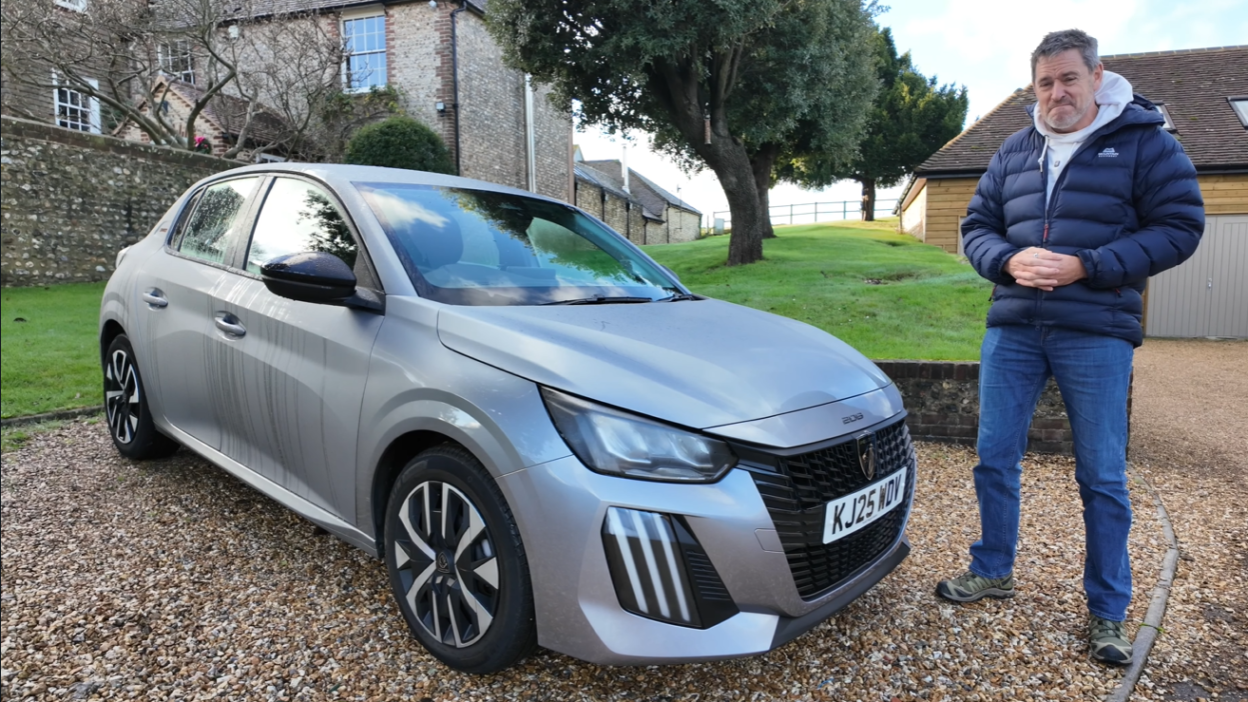
The Peugeot 208 has garnered praise for its character, lightweight feel, and back-to-basics driving experience. However, before you fall for its charms and hand over £20,000 for this pocket rocket, there are significant shortcomings you need to understand. While it may evoke nostalgia and deliver smiles on twisty roads, the 208 has fundamental flaws that could turn your driving experience from joyful to frustrating.
Here are the top 5 reasons why the Peugeot 208 might not be the right choice for you, despite its undeniable charm.
1. The Bizarre Steering Wheel Design: A Genuine Dealbreaker
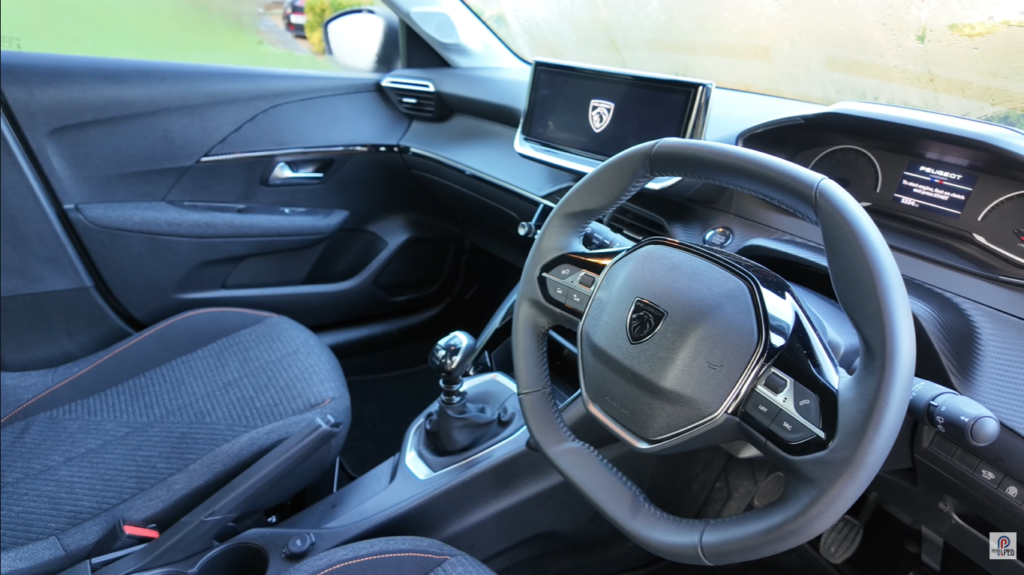
Let’s address the elephant in the room—or rather, the tiny steering wheel in the cabin. Peugeot’s controversial i-Cockpit steering wheel design is perhaps the single most divisive feature of this car, and for many drivers, it’s an absolute dealbreaker.
What’s Wrong With It?
The steering wheel is positioned unusually low and small, with the intention that you look over it rather than through it to view your instruments. This isn’t just quirky design for the sake of being different—it fundamentally compromises the driving experience in several ways:
Ergonomic Nightmare: To position the steering wheel low enough to see over it and view the speedo properly, taller drivers will find their knees fouling the wheel. Raise it higher for knee clearance, and you can’t see the instruments. It’s an impossible compromise that forces you to choose between comfort and visibility.
Poor Hand Positioning: While the traditional “quarter to three” hand position works, any deviation from this becomes awkward. The small diameter and unusual placement make it feel unnatural, especially during spirited driving or parking maneuvers.
Ruins the Human-Machine Interface: As one reviewer passionately argued, the steering wheel is the primary point of connection between driver and machine. It’s the first thing you touch, the tool through which you feel the car’s feedback and behavior. When this fundamental interface feels wrong, it taints the entire driving experience.
Not Just Aesthetics: Some might dismiss this as superficial, but the steering wheel directly impacts your driving position, comfort during long journeys, and ability to properly see critical information. For many drivers, this single design choice ruins an otherwise excellent car.
A Design Philosophy Gone Too Far
This isn’t limited to the 208—Peugeot has rolled this design across its range, from the 508 down to smaller models. While the company clearly believes in this approach, the reality is that many drivers simply cannot adapt to it comfortably. If you’re considering a 208, sit in one first. If the steering wheel feels wrong immediately, trust your instincts—it won’t get better with time.
2. Abysmal Rear Passenger Space: Adults Need Not Apply
If you’ve ever needed to transport adult passengers in the rear seats, prepare for disappointment. The Peugeot 208’s back seat is laughably cramped, bordering on unusable for anyone above average height.

The Reality of Rear Seat Space
Testing revealed that fitting a tall adult in the rear seats is genuinely difficult—to the point of hearing “a crack” as legs contort into impossible positions. The tester literally couldn’t fit comfortably, describing the experience as nearly leg-breaking.
Knee-to-Seatback Contact: Rear passengers’ knees will be pressed firmly against the front seats, making any journey longer than a quick trip uncomfortable.
Headroom Issues: Even with the car having five doors for easier access, once you’re in, there’s precious little headroom or legroom to speak of.
Getting In and Out: The act of entering and exiting the rear seats is so undignified that it wasn’t even filmed “because it would be far too emotional.” That should tell you everything you need to know.
Nostalgia Isn’t Always Good
While the review acknowledges “this is what it used to be like” when riding in your mate’s car years ago, that’s not actually a positive selling point. Just because cars were cramped and uncomfortable in the past doesn’t mean we should celebrate those qualities today. Modern competitors in this segment offer significantly better rear passenger accommodation.
Who This Matters For
If you’re a single driver or couple without kids, this might not concern you. But for families, anyone who regularly carpools, or those who occasionally need to transport adult passengers, the 208’s rear seats are a genuine limitation. The car essentially functions as a two-seater with emergency rear seats—fine for young children, unacceptable for adults on anything but the shortest journeys.
3. Underwhelming Performance: 100 Horsepower in a “Pocket Rocket”
The Peugeot 208 Style comes with a 1.2-liter three-cylinder engine producing just 101 horsepower and 151 Newton-meters of torque. While the review praises the character and sound of this engine, the actual performance figures tell a more sobering story.
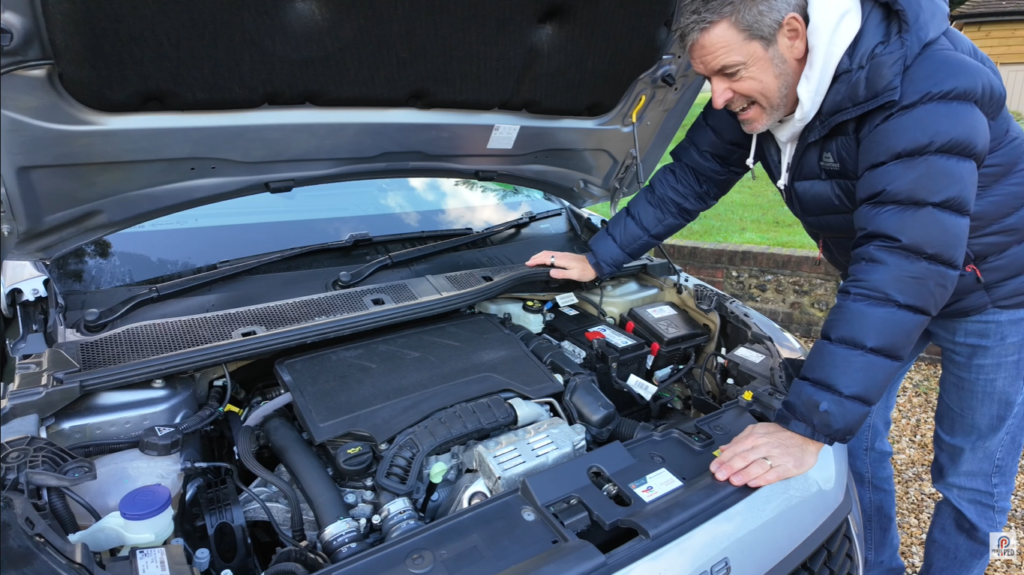
The Numbers Don’t Lie
0-62 mph in 10.1 seconds: This isn’t remotely quick by modern standards. Even budget hot hatches can achieve this time, and the 208 isn’t marketed as a budget anything—it’s £20,000 new.
You Must “Rev Its Nuts Off”: To extract any meaningful performance, you need to wring every last RPM from the engine. While enthusiasts might appreciate this engagement, most drivers will find it tiresome in daily use.
Overtaking Anxiety: On motorways and dual carriageways, that 100-horsepower figure becomes glaringly apparent. Overtaking slower vehicles requires significant planning and commitment, as the car simply doesn’t have power in reserve.
The “Fun at Low Speeds” Caveat
Yes, the review celebrates that you can drive enthusiastically without reaching “bonkers speeds.” On twisty country roads, you can exploit every bit of performance while staying near or at the speed limit. That’s genuinely enjoyable—until you need to merge onto a motorway, climb a steep hill with passengers, or make a quick overtaking maneuver.
Real-World Frustration: The reality of daily driving includes situations where you need accessible power. Getting onto roundabouts quickly, merging safely, or overtaking on country roads all become more stressful when you’re constantly working the gearbox and engine just to maintain momentum.
It’s Not Even the Performance Version
The truly frustrating part? This is just the “Style” trim—a mid-range specification that costs £20,000. It’s not marketed as the base model for penny pinchers. For that money, you expect at least adequate performance, not something that requires excuses and qualifiers like “it’s fun because you can rev it hard without going too fast.”
Competitors Offer More
In this price bracket, you can find competitors with turbo engines offering significantly more power and torque, delivering both better fuel economy and superior performance. The 208’s naturally aspirated three-cylinder might have character, but character doesn’t help when you’re stuck behind a lorry on a single carriageway with limited overtaking opportunities.
4. Subpar Infotainment System and Interior Technology
While the 208’s cabin has some charming elements—cloth seats, manual controls, basic simplicity—the technology it does include is disappointingly poor.
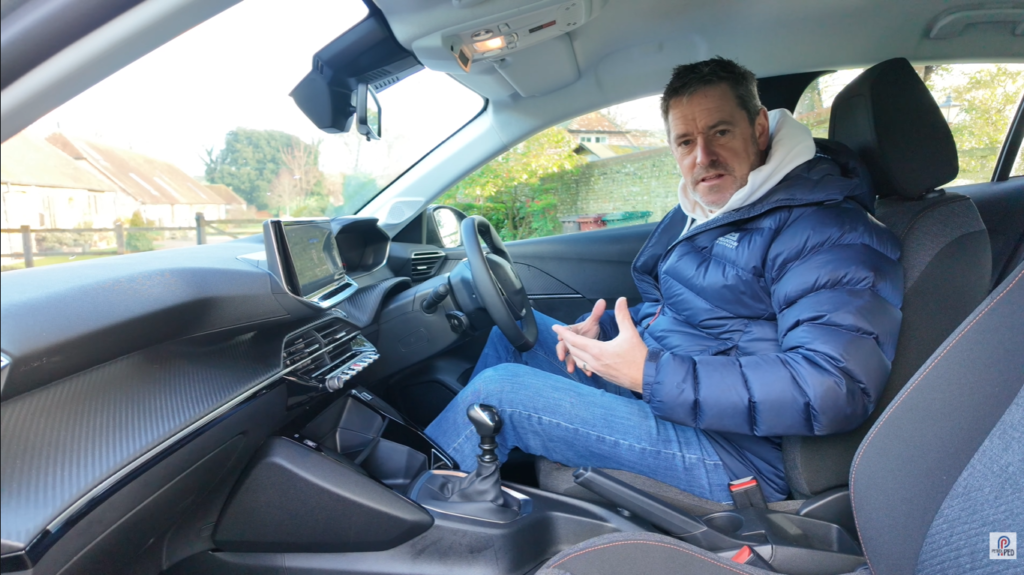
Infotainment Failures
Smartphone Connectivity Issues: During testing, the reviewer was completely unable to pair their smartphone with the system. While they downplayed this as “not a massive issue,” it absolutely is in 2024-2025. Smartphone integration via Apple CarPlay or Android Auto is table stakes for modern vehicles. If the system can’t reliably connect to phones, it’s fundamentally broken.
Generally Poor Quality: Beyond connectivity issues, the infotainment system is described as “not the best in the world” and later as “let’s face it, it’s a bit rubbish.” For a car costing £20,000, you deserve better than “a bit rubbish.”
Outdated Interface: While the review doesn’t go into specifics, infotainment systems that fail at basic tasks like phone pairing typically suffer from sluggish performance, poor graphics, and unintuitive menus.
Temperature Control Comedy
The heating controls deserve special mention for their baffling simplicity. Unlike virtually every modern car that displays temperature in degrees Celsius or Fahrenheit, the 208 features a basic hot/cold slider with plus and minus buttons. You cannot set a specific temperature—you just press buttons until it “feels right.”
While the review finds this charmingly basic, it’s actually just inconvenient. You can’t tell your passenger to set the temperature to 21 degrees. You can’t remember your preferred setting. You just fiddle with buttons and hope. This isn’t delightfully retro; it’s frustratingly regressive.
The “Basic But Nice” Myth
The interior is praised for feeling nice despite being basic, but there’s a difference between intentional minimalism and cutting corners. The gear knob is specifically called out as “horrible.” There’s “not a huge amount of glossy piano black” (which sounds positive until you realize the materials used instead aren’t particularly premium either).
Faux carbon fiber effects and cloth seats are fine—but when paired with a dysfunctional infotainment system and terrible ergonomics (that steering wheel again), the overall package feels more cheap than charmingly simple.
Missing Modern Essentials
While the car has “some real buttons” for basic functions, a significant amount is routed through the poor infotainment screen. You’re stuck with the worst of both worlds—lack of modern tech features combined with what few tech features exist being poorly implemented.
5. Impractical Daily Driving Compromises
Beyond the major flaws already discussed, the Peugeot 208 suffers from numerous smaller compromises that accumulate into a frustrating daily driving experience.
The Clutch Foot Rest Problem
There’s a clutch foot rest positioned awkwardly on the left side that interferes with the clutch pedal’s travel. The reviewer repeatedly mentions fouling this rest while operating the clutch—”every now and again you’ll find yourself with your left foot fouling the clutch rest.”
This isn’t a minor inconvenience. In stop-and-go traffic or during spirited driving requiring quick shifts, constantly fighting with a poorly positioned foot rest becomes genuinely annoying. The review even jokes that “you almost feel like you need to wear driving shoes,” which shouldn’t be necessary in a mainstream hatchback.
Limited Boot Space
While the boot is described as comparable to a Mini JCW and “what you would expect from a car of this size,” that’s not particularly reassuring. The review acknowledges it’s fine for “nipping to the shops” but questions whether it could serve as a “big long run main family car.”
For a car you’re considering spending £20,000 on, “adequate for shopping trips” is damning with faint praise. Modern competitors in this class often offer significantly more practical cargo capacity.
The Driving Position Compromise
Even setting aside the steering wheel issue, the overall driving position has problems. The reviewer notes it’s “actually quite roomy” but immediately qualifies this by saying the steering wheel is “compromising my driving position straight away.” They’ve “not quite got the room I want for my knees.”
A compromised driving position isn’t something you adapt to—it’s something you tolerate, and that tolerance wears thin over time. Long journeys become uncomfortable. Your back starts aching. You develop tension in your shoulders from holding an unnatural position.
Basic Spec Means Genuine Shortcomings
The “Style” trim is described as “not super basic, but it is paired back.” This means you’re missing features that competitors include as standard. While the review celebrates the simplicity, there’s a difference between elegant minimalism and just lacking features.
No Sport Mode: The reviewer jokingly tries to engage sport mode, only to realize “doesn’t have one of them.” While they rationalize this as cars not needing sport modes, many drivers appreciate the option to sharpen throttle response and steering weight.
No Rev-Matching: The gearbox “doesn’t have auto blip feature. You have to do that for yourself.” Again, presented as a positive for engagement, but many drivers appreciate the convenience and smoothness of automatic rev-matching, especially in daily driving.
Real-World Irritations Add Up
Individually, these might seem like minor gripes. But when you’re living with a car day in and day out, these irritations compound. The clutch rest catches your foot during your morning commute. The steering wheel position makes your knees ache by lunchtime. The infotainment system won’t connect to your phone for the third day running. The boot barely fits your weekly shopping.
Suddenly, that charming three-cylinder soundtrack and lightweight feel don’t seem like adequate compensation for a car that frustrates you multiple times per day.
The Nostalgia Trap: When “Old School” Means “Outdated”
Throughout the review, there’s frequent praise for the 208 being “proper old school,” “brilliantly basic,” and reminiscent of learning to drive decades ago. But there’s a critical question we need to ask: is that actually a good thing?
Nostalgia Isn’t a Substitute for Quality
The automotive industry has progressed for good reasons. Cars became more comfortable, more practical, more refined, and more capable because those improvements genuinely enhanced the driving experience. Celebrating a modern car for feeling like it’s from 15 years ago isn’t necessarily praise—it might be exposing how the 208 has failed to evolve.
Manual Gearbox and Handbrake: Yes, these are increasingly rare, but they’re rare because most buyers prefer automatics for daily driving convenience. If you specifically want a manual, great—but don’t mistake a manual transmission for a complete product.
Lightweight Construction: The 208 weighs “just over 1,000 kilos,” which sounds impressive until you realize it achieves this partially through cost-cutting measures like steel wheels with plastic covers rather than alloys. That’s not clever engineering; it’s penny-pinching.
“Things Were Completely Normal 10-15 Years Ago”: The review notes surprise at features that were standard years ago now feeling novel. But this reveals more about how low the 208 has set the bar rather than how impressive these features are.
Who Might Actually Enjoy This Car Despite the Flaws?
To be fair, the Peugeot 208 isn’t without merit, and there is a specific type of buyer who might genuinely love it:
The Driving Enthusiast Who Prioritizes Feel Over Practicality: If you’re a solo driver or couple without kids who values driving engagement above all else and can tolerate ergonomic compromises, the 208’s lightweight character might appeal.
The Budget-Conscious Buyer Seeking Efficiency: With 50 MPG combined cycle fuel economy (and potentially better with careful driving), running costs are genuinely low.
The Style-First Buyer: If you love the exterior design and can overlook the interior shortcomings, the 208 does have distinctive looks.
The Bottom Line: £20,000 Can Buy Better
The Peugeot 208 Style costs £20,000 new. For that money, you deserve a car that doesn’t force you to compromise on basic ergonomics, rear passenger space, performance, technology, and daily usability.
While the three-cylinder engine has character and the car is undeniably efficient, these positives don’t outweigh the fundamental flaws:
❌ The bizarre steering wheel design ruins the driving position ❌ Rear seats are genuinely unusable for adult passengers
❌ 100 horsepower feels inadequate for the price point
❌ Infotainment system is poor and unreliable
❌ Daily driving reveals numerous frustrating compromises
The Harsh Reality: The review itself, despite being overwhelmingly positive, accidentally reveals most of these problems. When a reviewer who loves the car admits the steering wheel “would be a deal breaker,” couldn’t fit in the rear seats, couldn’t pair their phone, and repeatedly fouled the clutch rest, those aren’t charming quirks—they’re genuine product failures.
Yes, the car might be fun on a twisty back road on a Sunday morning. But you don’t spend £20,000 on a car for Sunday mornings. You need it to work Monday through Saturday too—for the commute, the grocery run, the airport trip with luggage, the journey with three adult friends.
The Peugeot 208 fails at too many of these everyday tasks to justify its asking price. Save your money, expand your search, and find a car that delivers charm and functionality—not charm despite dysfunction.
Your back, your passengers, your overtaking confidence, and your sanity will thank you.