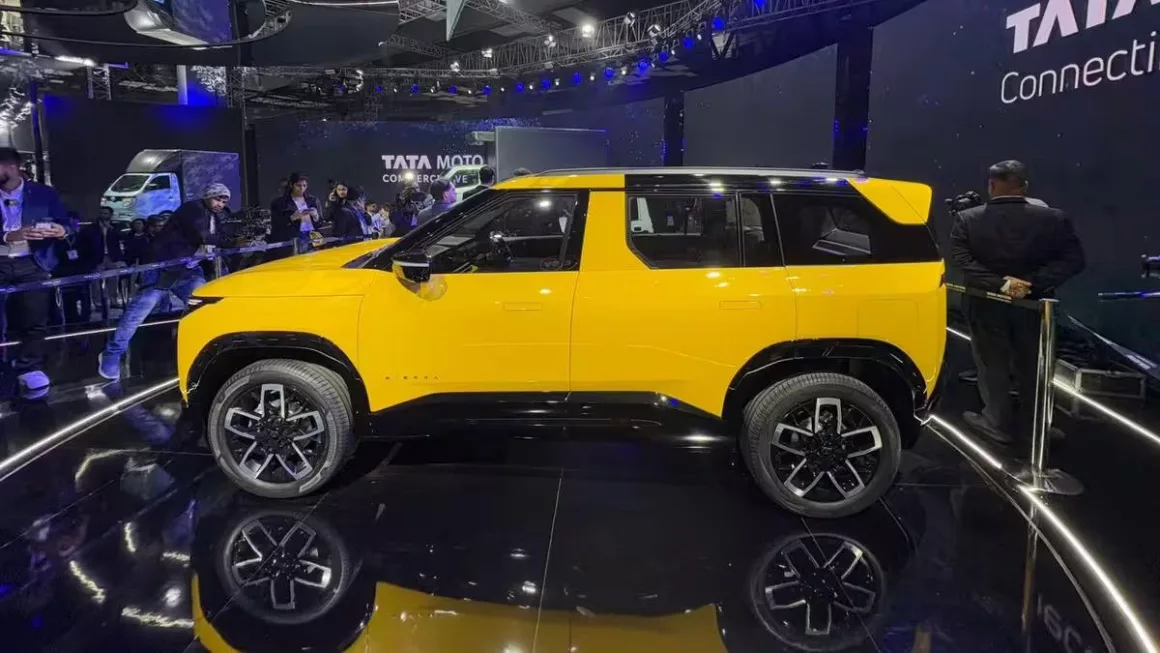
The new Tata Sierra has generated massive buzz in the Indian automotive market, and rightfully so. With its distinctive retro-modern design, impressive feature list, and aggressive pricing starting at ₹13 lakh, it’s easy to get swept up in the excitement. But before you rush to book one, let’s pump the brakes and take an honest look at the potential drawbacks.
At MyPitShop, we believe in giving you the complete picture—not just the highlights that make for great marketing material. Every vehicle has compromises, and the Sierra is no exception. Here are five legitimate reasons why the Tata Sierra might not be the right choice for you, despite all its impressive credentials.
1. Light-Colored Interior: A Maintenance Nightmare Waiting to Happen
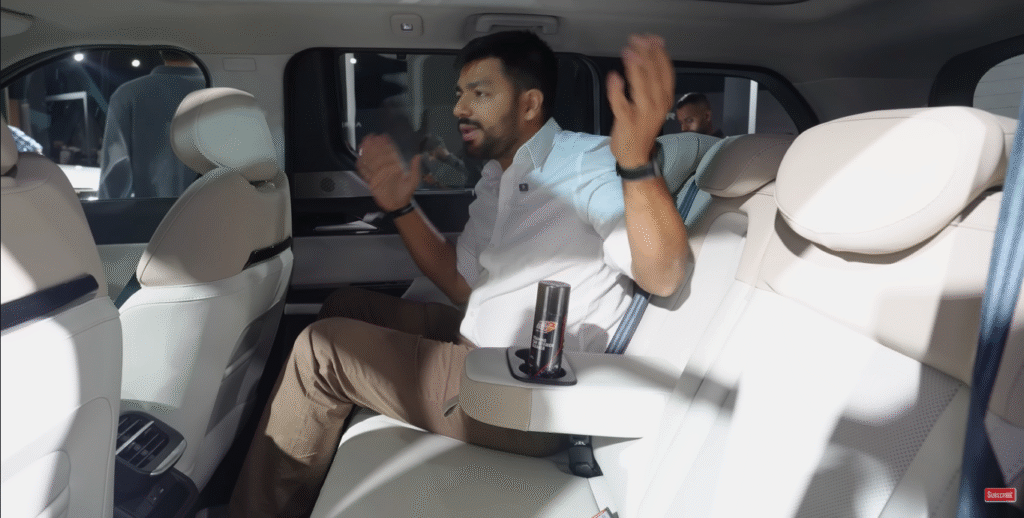
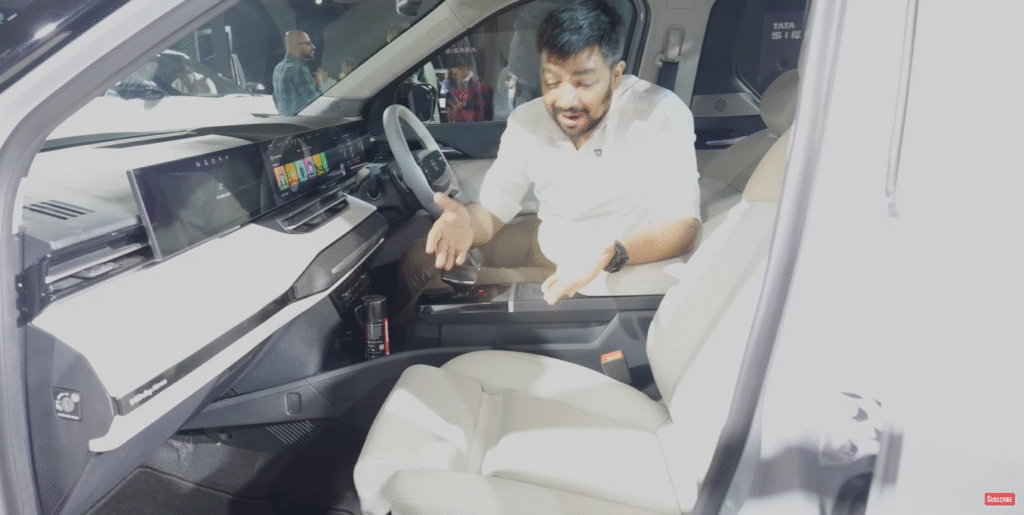
Let’s address the elephant in the room—that stunning beige and white interior that looks absolutely gorgeous in showroom lighting might become your worst enemy in real-world ownership.
The Reality of Light Interiors
While the unique color combination certainly stands out and creates a premium, airy ambiance, it’s incredibly impractical for Indian driving conditions. Here’s why this could be a deal-breaker:
Stains and Dirt Show Instantly: Even during the launch event, presenters noted that the steering wheel and surfaces were already getting dirty within hours of use. If it’s showing grime at a controlled press event, imagine what will happen after a few months of daily use with kids, pets, or even just regular commuting.
Cleaning Becomes a Full-Time Job: That light upholstery will require constant attention and specialized cleaning products to maintain its pristine appearance. Spilled coffee, muddy shoes after monsoon season, or even just the natural oils from your hands and clothes will leave visible marks that simply don’t show on darker interiors.
Long-Term Wear and Tear: Over time, high-contact areas like the driver’s seat bolster, steering wheel, and door armrests will develop discoloration that’s far more noticeable on light materials. What looks luxurious today could look shabby in 2-3 years without meticulous care.
Additional Costs: You’ll likely need to invest in seat covers (which defeats the purpose of that beautiful interior), frequent professional detailing, or premium cleaning products just to keep the cabin looking presentable.
For families with children, pet owners, or anyone who doesn’t want to treat their car like a museum exhibit, this interior color choice could turn ownership into a constant stress rather than a joy. The glossy black surfaces throughout the cabin will also scratch easily, showing every fingerprint and smudge.
2. Unproven Reliability and First-Generation Concerns
The Sierra represents Tata Motors’ ambitious leap into a new design philosophy and technological integration, but with innovation comes inherent risk.
The First-Gen Factor
Being an early adopter of an all-new model means you’re essentially a beta tester for Tata Motors. Here’s what that entails:
No Long-Term Reliability Data: Unlike the Creta, Seltos, or Grand Vitara, which have established track records spanning multiple years and generations, the Sierra is brand new. We don’t know how these engines, transmissions, electronics, and materials will hold up after 50,000 km, 100,000 km, or five years of Indian driving conditions.
Complex Technology, More Things to Go Wrong: The triple-screen setup, ADAS Level 2 systems, 5G connectivity, augmented reality HUD, and sophisticated electronic systems are impressive, but each represents a potential failure point. Electronic gremlins in complex infotainment systems have plagued many modern vehicles, and fixing them can be expensive once the warranty expires.
Service Network Readiness: While Tata Motors has significantly improved its service network, the Sierra’s advanced systems will require technicians trained on specific diagnostic and repair procedures. Not every service center will have personnel qualified to troubleshoot and fix complex ADAS sensors, calibration issues, or software bugs—especially in tier 2 and tier 3 cities.
Parts Availability Concerns: For a brand-new model with unique components, parts availability could be an issue, especially for specialized electronic modules, sensors, or trim pieces. This could mean longer wait times for repairs and potentially higher costs.
The Safer Alternative
If reliability and peace of mind are priorities, waiting for the second model year (after Tata works out the inevitable bugs) or choosing a proven competitor with established service histories might be the smarter move. The Hyundai Creta and Kia Seltos, despite being less exciting, offer the comfort of known quantities with extensive owner feedback and refined production processes.
3. Massive Glass Area: Heat Management and Privacy Issues
The Sierra’s expansive glass surfaces and gigantic panoramic sunroof create a bright, airy cabin that looks spectacular. But in India’s climate, this design choice brings significant practical challenges.
The Greenhouse Effect
Extreme Heat Buildup: With glass surfaces spanning the roof, sides, and that enormous sunroof, the Sierra’s cabin will heat up dramatically when parked in direct sunlight—which is basically every day in most of India. Even with sun blinds, the heat retention will be substantial, forcing the air conditioning to work harder and longer to achieve comfortable temperatures.
AC Load and Fuel Efficiency Impact: That powerful air conditioning system will be running at maximum capacity far more often, especially during summer months. This directly impacts fuel efficiency, potentially negating some of the economy you’d expect from a modern SUV. Your real-world mileage figures will likely be lower than official claims, particularly in hot climates.
Upholstery Fading: Extended exposure to direct sunlight through all that glass accelerates fading and degradation of interior materials, especially problematic for that light-colored upholstery. UV rays will take their toll faster than in vehicles with more conventional glass areas.
Privacy Concerns
Goldfish Bowl Effect: The extensive glass area means everyone can see directly into your vehicle from all angles. If you value privacy for personal belongings, passengers, or simply don’t want to feel constantly observed in traffic, this design will bother you.
Security Considerations: Visible valuables are stolen valuables. That clear visibility into the cabin makes it easier for opportunistic thieves to spot bags, electronics, or other items worth breaking in for.
Sun Blind Limitations: While Tata includes sun blinds, constantly deploying them defeats the purpose of having all that glass. You’ll find yourself choosing between greenhouse heat or blocking the very openness that makes the design appealing.
For buyers in hot climates (which is most of India), or those who prioritize thermal comfort and privacy, the Sierra’s glass-heavy design might be more curse than blessing.
4. Boxy Design Limits Aerodynamics and Highway Efficiency
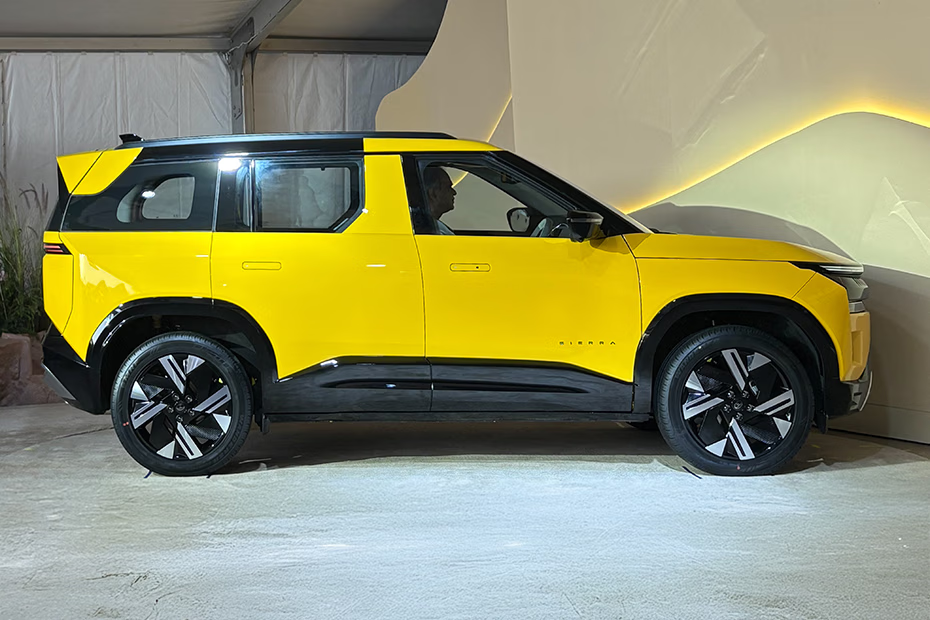
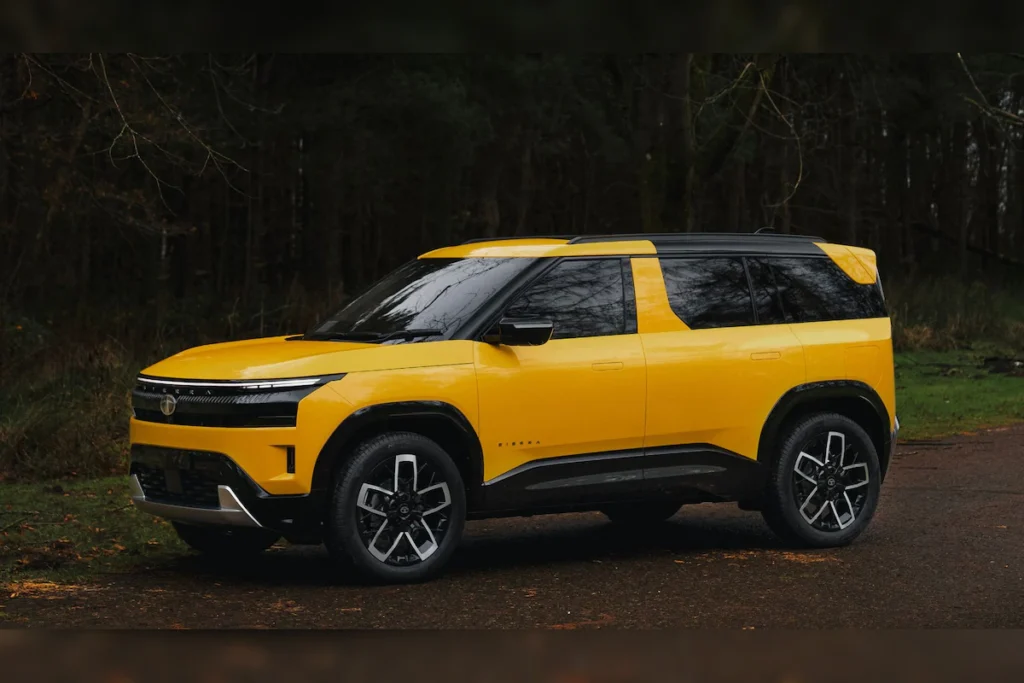
That retro-inspired, angular design that makes the Sierra instantly recognisable comes with tangible performance compromises that many buyers overlook.
The Aerodynamic Penalty
Wind Resistance at Speed: The Sierra’s boxed-off design with flat surfaces creates significantly more aerodynamic drag compared to the swoopy, wind-tunnel-optimised shapes of competitors like the Creta or Seltos. This matters more than you might think.
Highway Fuel Economy Suffers: While city driving efficiency depends largely on engine and weight, highway mileage is heavily influenced by aerodynamics. The Sierra’s boxy shape means the engine works harder to push through air at cruising speeds of 100-120 km/h, directly impacting your fuel costs on long trips.
Wind Noise Intrusion: Those flat surfaces and upright angles can generate more wind noise at highway speeds, potentially compromising the premium cabin experience. While Tata has likely added sound deadening, fighting physics is an uphill battle.
Crosswind Sensitivity: The tall, flat-sided design acts like a sail in strong crosswinds, requiring more steering corrections to maintain lane position on highways or exposed roads. This can be tiring on long drives and slightly unsettling in gusty conditions.
Performance Perception
The boxy design, while practical for interior space, also creates a perception of sluggishness. Even if the Sierra has adequate power, the visual mass and aerodynamic drag can make it feel less sprightly than sleeker competitors with the same engine specifications.
If you prioritize:
- Frequent highway driving
- Maximum fuel efficiency
- Sporty, responsive feel
- Minimal wind noise
Then the Sierra’s form-over-function design philosophy might leave you disappointed compared to more aerodynamically refined alternatives.
5. Limited Engine Options and No Diesel DCT
While Tata Motors is offering three 1.5-liter engine configurations, the powertrain lineup has notable gaps that could be deal-breakers depending on your priorities.
Engine Limitations
1.5L Ceiling: All engines top out at 1.5 liters, which is adequate but not impressive for a vehicle of this size and weight. If you regularly drive fully loaded with passengers and cargo, or frequently tackle steep mountain roads, you might find the power delivery underwhelming compared to 1.8L or 2.0L options available in some competitors.
No Diesel DCT: The diesel variant comes with a six-speed torque converter automatic, not the dual-clutch transmission. While this is actually more reliable and smoother for low-speed driving, enthusiasts who want that snappy, sporty gearshift response will find the torque converter less engaging. Tata specifically avoided the DCT for reliability reasons, but this means sacrificing some performance character.
Turbo Petrol or Diesel Only: If you want a naturally aspirated petrol engine with smooth, linear power delivery, you’re limited to the base variant, which likely won’t be paired with the top-spec features you want. Most buyers will end up with turbocharged engines that have different power delivery characteristics.
Performance Expectations
Not a Performance SUV: Despite the sporty styling cues and terrain response modes, the Sierra isn’t designed to be a performance vehicle. If you’re expecting GTI-level thrills or the torquey punch of larger engines, you’ll need to look elsewhere. This is built for comfortable cruising and practical utility, not backroad carving.
Towing Capacity Unknown: For buyers who need to tow trailers, boats, or caravans, the official towing capacity hasn’t been announced. The relatively modest engine sizes suggest it won’t be a towing champion, limiting versatility for specific use cases.
Manual Transmission Availability
While automatic options are available across the range, the manual transmission choices and their feature pairing haven’t been fully detailed. If you prefer stick-shift driving and want top-spec features, you might face compromise.
Better Alternatives for Performance:
- If you want more power: Consider the Jeep Compass with its 2.0L engines
- If you want DCT sportiness: Look at the Kia Seltos with its 1.4L turbo DCT
- If you need diesel punch: The MG Hector offers a larger diesel engine
The Balanced Perspective: Should You Still Consider the Sierra?
Despite these legitimate concerns, the Tata Sierra remains an intriguing proposition that will be perfect for certain buyers. The key is understanding whether these drawbacks matter to you specifically.
The Sierra Makes Sense If:
- You don’t mind maintenance demands of light interiors (or plan to use seat covers)
- You’re comfortable being an early adopter and have a good Tata service center nearby
- You prioritize interior space and features over aerodynamic efficiency
- You drive mostly in city conditions where the design limitations matter less
- The unique styling speaks to you and you want to stand out
- You value the exceptional boot space and tech features at this price point
Skip the Sierra If:
- You need proven, time-tested reliability above all else
- You drive frequently on highways and prioritize fuel efficiency
- You live in extremely hot climates and park outdoors regularly
- You want a more powerful engine for performance driving
- You prefer low-maintenance, practical design choices
- You need DCT transmission for sportier driving dynamics
Final Thoughts: The Importance of Honest Assessment
The Tata Sierra represents an impressive achievement in design, technology integration, and value proposition. Tata Motors deserves credit for bringing genuine innovation to a segment that’s often accused of playing it safe. However, innovation always involves trade-offs.
At MyPitShop, we believe informed decisions make happy owners. The Sierra’s drawbacks aren’t necessarily deal-breakers—they’re considerations that matter differently to different buyers. A young professional without kids might not care about the light interior, while a family of four absolutely should. A city commuter won’t notice aerodynamic inefficiency that plagues a highway cruiser.
The smart approach: Test drive the Sierra extensively. Sit in it during the hottest part of the day. Imagine maintaining that interior after six months. Consider your actual driving patterns, not your aspirational ones. Compare it directly with proven alternatives like the Creta, Seltos, or Grand Vitara.
The best car isn’t the one with the most impressive spec sheet or the lowest price—it’s the one whose strengths align with your priorities and whose weaknesses you can genuinely live with.
Make your decision with eyes wide open, and you’ll be far more likely to love your choice five years down the road.
Looking for more honest, detailed automotive analysis? Subscribe to MyPitShop for real-world testing, comprehensive comparisons, and expert advice that cuts through marketing hype to help you make the smartest vehicle choice for your specific needs and lifestyle.