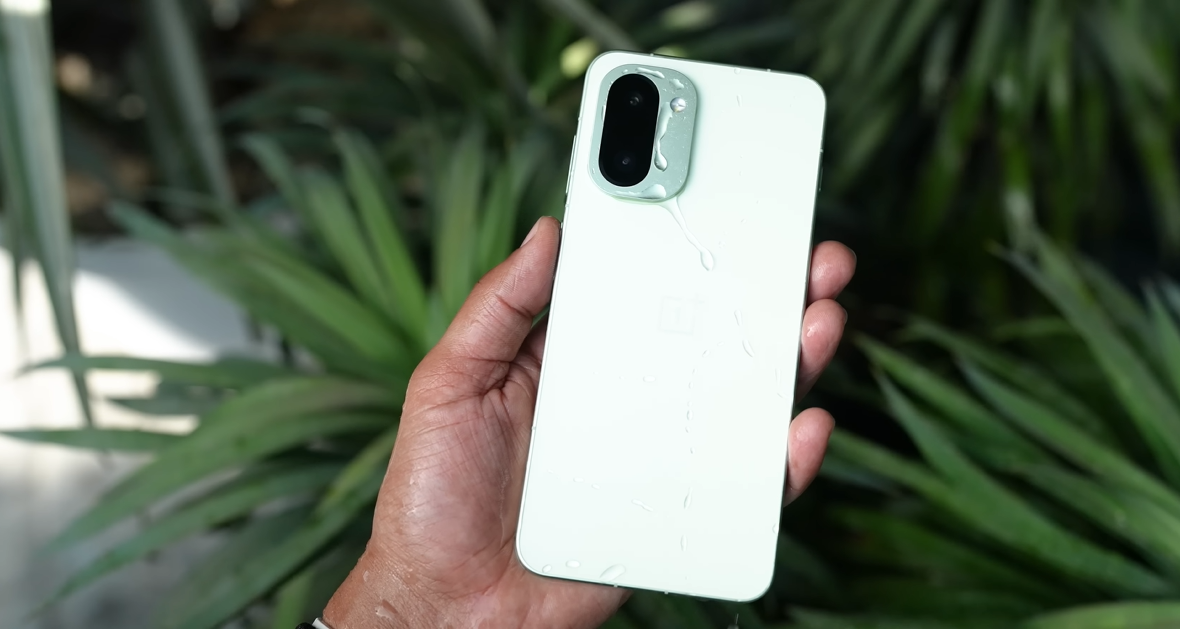
The OnePlus 15R has been making waves with its Snapdragon 8 Gen 5 chipset and massive 7,400mAh battery. Tech reviewers are calling it the best phone under ₹50,000, and the hype is real. But before you hit that “Buy Now” button, let’s talk about what OnePlus isn’t advertising—the compromises, downgrades, and missing features that might make this phone a terrible fit for your needs.
After extensive testing and comparison with competitors, here are the five biggest reasons why the OnePlus 15R might not be the phone for you—and what you should buy instead.
Reason #1: The Camera Downgrade Is Real (And It Hurts)
The Missing Telephoto Lens
Let’s start with the most controversial decision: OnePlus removed the telephoto camera from the 15R that was present on the 13R. This isn’t just a minor omission—it’s a fundamental downgrade that affects your daily photography experience.
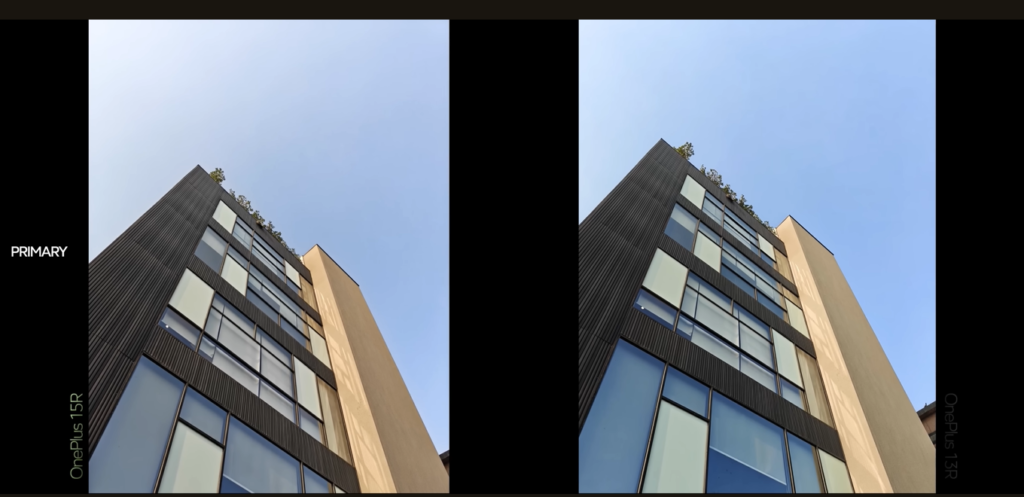

What You’re Actually Losing
The OnePlus 13R had:
- Dedicated 2x telephoto lens
- Optical zoom capability
- Better detail preservation at distance
- Superior portrait mode depth information
The OnePlus 15R offers:
- 2x digital/sensor crop from the main camera
- Compromised detail when zoomed
- Inferior shadow and highlight handling at zoom levels
- No optical zoom whatsoever
Real-World Impact
Wedding Photos: Can’t capture candid moments from a distance without quality loss
Travel Photography: Distant landmarks and architecture suffer from digital zoom artifacts
Kids/Pets: Capturing subjects without getting too close becomes challenging
Concerts/Events: Forget about getting decent shots from your seat
The Ultrawide Disappointment
It gets worse. The 8MP ultrawide camera hasn’t been upgraded since the 13R—or even the 12R before it. In 2025, when competitors offer 12MP, 16MP, or even 50MP ultrawide cameras, OnePlus is still using the same aging 8MP sensor.
What This Means:
- Noticeably lower detail in wide shots
- Worse low-light performance
- Limited versatility for landscapes and architecture
- Still stuck at 1080p 30fps video recording
Camera Comparison: The Numbers Don’t Lie
We tested the OnePlus 15R against the Vivo X200 FE (priced similarly at ₹46-47K):
Main Camera: Vivo wins with better detail and sharpness
Ultrawide: Vivo dominates with superior quality
Zoom: Vivo destroys the 15R thanks to its dedicated 3x periscope
Portraits: Vivo takes better overall portraits
The Brutal Truth: If you care about photography beyond casual social media snaps, the OnePlus 15R will disappoint you daily.
Who This Affects Most
❌ Photography Enthusiasts: You’ll feel the telephoto loss immediately
❌ Parents: Capturing kids’ sports days and school events becomes frustrating
❌ Travel Bloggers: Your content quality will suffer noticeably
❌ Social Media Content Creators: Limited creative flexibility
❌ Anyone upgrading from 13R: You’re literally getting worse cameras
The Alternative
If cameras matter: Get the Vivo X200 FE instead. Yes, it’s ₹1-2K more, but you get:
- 50MP main camera with better processing
- Actual 3x periscope telephoto
- Superior ultrawide camera
- Better overall image quality
The Bottom Line: OnePlus sacrificed camera versatility to hit a price point. If you take more than just quick snapshots, this compromise will haunt you for the 2-3 years you own this phone.
Reason #2: No Wireless Charging (In 2025, Really?)
The Modern Convenience You’re Missing
Wireless charging isn’t a luxury feature anymore—it’s a standard convenience in 2025 that dramatically improves daily life. The OnePlus 15R doesn’t have it, and here’s why that actually matters more than you think.
What You Lose Without Wireless Charging
Office/Desk Setup: Can’t just drop your phone on a charging pad while working. You’ll fumble with cables every time.
Bedside Charging: No elegant nightstand charging solution. Cable management becomes annoying.
Car Charging: Modern cars have wireless charging pads built-in. Your ₹45,000 phone can’t use them.
Multiple Locations: Can’t set up convenient charging spots around your home without cable clutter.
Wear and Tear: Constant plugging/unplugging degrades USB-C ports faster over 2-3 years of ownership.
The Magnetic Case Tease
OnePlus is selling magnetic cases for the 15R, which initially sounds like they’re enabling magnetic wireless charging (like MagSafe). But here’s the catch: these cases only support magnetic accessories, not charging.
Translation: You can magnetically attach accessories, but you still can’t charge wirelessly. It’s the worst of both worlds—the added bulk of magnets without the actual benefit of wireless charging.
Why OnePlus Skipped It
Cost Cutting: Wireless charging coils and hardware add ₹500-1,000 to manufacturing costs.
Battery Prioritization: The massive 7,400mAh battery left less room for wireless charging components.
Market Research: OnePlus gambled that most buyers won’t miss it. They’re probably wrong.
Competitors That Include It
Samsung Galaxy S24: ₹54K (with offers), has wireless charging
Google Pixel 9a: Expected around ₹45-48K, will likely include wireless charging
Nothing Phone 2: ₹40K, has wireless charging
The Ripple Effect
No wireless charging means:
- Can’t use your existing wireless chargers
- Can’t benefit from wireless charging stations in airports, cafes, hotels
- Can’t use wireless charging car mounts
- Miss out on reverse wireless charging to charge earbuds/watch
Who This Affects Most
❌ Professionals with desk jobs: Multiple daily charges become annoying
❌ Car users: Modern car integration suffers
❌ Multi-device users: Can’t charge phone + earbuds simultaneously on one pad
❌ Minimalists: Cable management becomes a headache
❌ Anyone with wireless charging infrastructure: Your existing setup becomes useless
The Alternative
If wireless charging matters: Consider the Samsung Galaxy S24 (Snapdragon version). During sales, it hits ₹52-54K with offers, giving you:
- Wireless charging (15W)
- Reverse wireless charging
- Premium build quality
- Better cameras
- Longer software support (7 years)
The Bottom Line: Wireless charging isn’t just about convenience—it’s about reducing wear on charging ports, eliminating cable clutter, and future-proofing your phone experience. The OnePlus 15R skips this entirely.
Reason #3: The Display Downgrade Nobody Mentions (LTPO to LTPS)
The Technical Downgrade Hidden in Marketing
OnePlus upgraded the refresh rate from 120Hz to 165Hz, which sounds impressive. But they quietly downgraded from LTPO to LTPS display technology—a change that impacts your daily battery life more than you’d think.
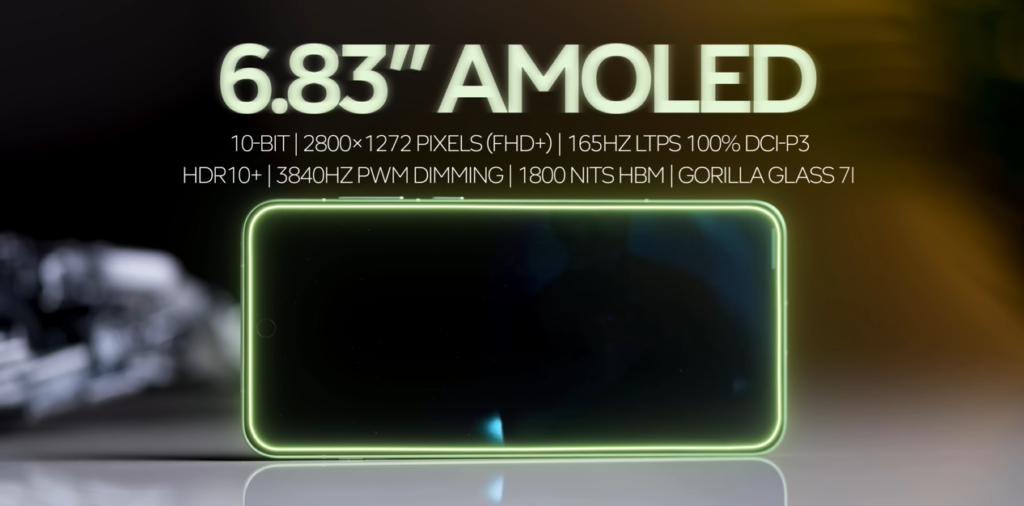
LTPO vs LTPS: What You Need to Know
LTPO (Low-Temperature Polycrystalline Oxide):
- Variable refresh rate: 1Hz to 120Hz
- Intelligently adjusts based on content
- Massive battery savings during static content
- Used in: OnePlus 13R, iPhone 15 Pro, Galaxy S24
LTPS (Low-Temperature Polysilicon):
- Fixed refresh rate ranges: 30Hz to 165Hz
- Can’t drop to 1Hz for always-on display
- Higher power consumption for static content
- Used in: Budget and mid-range phones
Real-World Battery Impact
Reading E-books/Articles: LTPO drops to 1Hz, saving significant battery. LTPS stays at 30Hz minimum, draining faster.
Always-On Display (AOD): LTPO runs at 1Hz (ultra-efficient). LTPS can’t, so OnePlus had to limit AOD functionality—it automatically turns off after a few seconds unlike the flagship OnePlus 15/13.
Scrolling Social Media: LTPO smoothly scales between 1-120Hz. LTPS jumps between 30-165Hz with less efficiency.
Watching Videos: Minimal difference here, but LTPO still has edge in content detection.
Why OnePlus Made This Choice
Cost Savings: LTPO displays cost significantly more to manufacture
Marketing Focus: 165Hz sounds more impressive than LTPO in spec sheets
Battery Compensation: The massive 7,400mAh battery masks the inefficiency
The Always-On Display Limitation
This is the most annoying practical impact: Your AOD isn’t actually “always on.”
What happens:
- AOD appears when you wake the phone
- Automatically turns off after a few seconds
- You lose glanceable information throughout the day
- Defeats the purpose of having AOD
Comparison: The OnePlus 13R with LTPO keeps AOD running continuously thanks to 1Hz capability. The 15R can’t do this efficiently, so OnePlus disabled it.
Who This Affects Most
❌ AOD Lovers: You’ll be frustrated by the auto-off behavior
❌ E-reader Users: More battery drain during reading sessions
❌ Battery Efficiency Seekers: The 7,400mAh battery compensates, but you’re still using more power than necessary
❌ Anyone upgrading from 13R: You’re losing a flagship feature
The Counter-Argument
Devil’s Advocate: The 7,400mAh battery is so massive that the LTPS inefficiency doesn’t matter in practice. You’ll still get 9-10 hours screen-on-time.
But consider this: With LTPO, that same 7,400mAh battery could have delivered 11-12 hours screen-on-time. You’re leaving efficiency on the table.
The Alternative
If display tech matters:
- OnePlus 13R: Still available, has LTPO, slightly cheaper
- Samsung Galaxy S24: LTPO 120Hz with better brightness and color accuracy
- Realme GT 6: LTPO at similar price point
The Bottom Line: OnePlus traded advanced display technology for higher refresh rates and cost savings. For most users, the massive battery compensates. But for tech enthusiasts who understand what they’re losing, this downgrade stings.
Reason #4: The Alert Slider Is Gone Forever (And Plus Key Isn’t the Same)
The Death of a Beloved Feature
OnePlus built its reputation on small but meaningful features. The Alert Slider was one of them—a physical three-position switch that let you toggle between ring, vibrate, and silent modes instantly. It was tactile, satisfying, and incredibly useful.
On the OnePlus 15R: It’s gone. RIP Alert Slider.
Why This Actually Matters
Muscle Memory: Years of OnePlus users instinctively reach for that slider. It’s gone.
In Meetings: Can’t discreetly silence phone without looking at screen
Theater/Cinema: Fumbling with on-screen menus instead of quick toggle
Driving: Can’t easily switch modes without taking eyes off road
One-Handed Operation: Alert slider worked perfectly one-handed. Plus Key requires more attention.
The Plus Key “Replacement”
OnePlus replaced the Alert Slider with a Plus Key—a customizable action button similar to iPhone 15 Pro’s Action Button.
What it can do:
- Launch apps
- Trigger shortcuts
- Control smart home devices
- Integrate with Mind Space AI features
- Various customizations through software
Why it’s not the same:
- Requires software interaction (not purely mechanical)
- No tactile three-position feedback
- More steps to achieve same result
- Dependent on software working correctly
- Loses the simplicity of the original
The Philosophical Problem
The Alert Slider represented OnePlus’s “Never Settle” philosophy—adding useful features others ignored. Removing it signals a shift toward cost optimization over user experience innovation.
What this tells us:
- OnePlus is prioritizing margins over heritage features
- The brand identity is shifting toward mainstream
- Unique selling propositions are being sacrificed
Who This Affects Most
❌ Long-time OnePlus users: You’ll feel this absence daily
❌ Professionals: Quick meeting mode toggle was invaluable
❌ Anyone who valued the Alert Slider: You’re getting something fundamentally different
❌ Brand loyalists: This removal symbolizes OnePlus moving away from its roots
Competitors That Still Care
Realme phones: Many models still include alert sliders
Some Xiaomi phones: Physical toggle switches available
iPhone: At least added Action Button with mechanical feedback
The Alternative
If Alert Slider matters:
- OnePlus 13R: Still has it, still available
- OnePlus 12R: Older but has Alert Slider
- Consider it a dealbreaker: Look at completely different brands
The Bottom Line: This isn’t just about a switch—it’s about OnePlus abandoning what made them different. The Plus Key is functional, but it’s not the same, and long-time users will feel this loss every single day.
Reason #5: You’re Beta Testing Snapdragon 8 Gen 5 (The Unknown Chipset)
The First-Generation Problem
The OnePlus 15R is the world’s first phone with Snapdragon 8 Gen 5. That sounds exciting until you remember what happens with first-generation hardware: bugs, compatibility issues, and unknown long-term behavior.
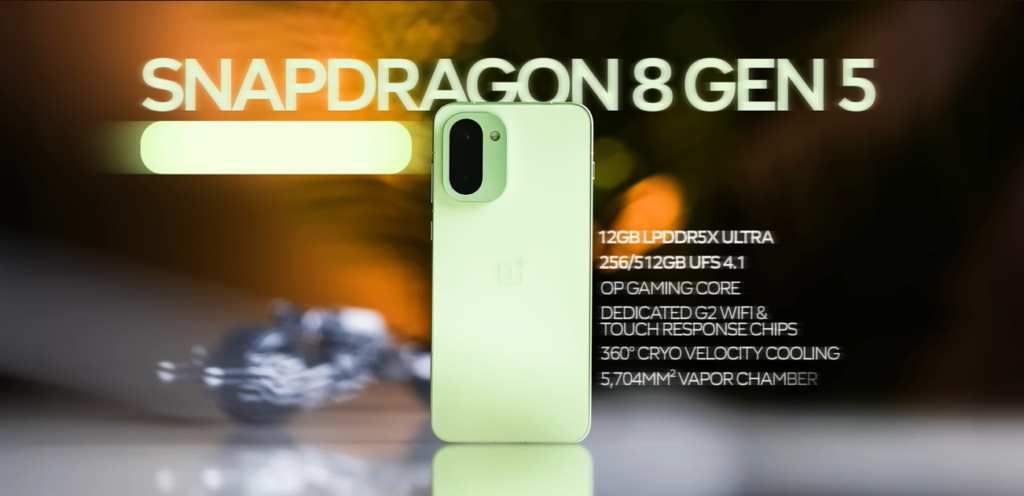
The Chipset Confusion
Qualcomm created massive confusion by launching the Snapdragon 8 Gen 5 instead of calling it “Snapdragon 8 Elite Gen 2” or something logical.
What we know:
- Same 3nm process as 8 Elite
- Same third-gen Orion cores (lower clocked)
- Cut-down Adreno 840 GPU (not full 8 Elite GPU)
- Same ISP and modem as 8 Elite
What we don’t know:
- Long-term stability and reliability
- How it handles thermal stress over years
- Battery degradation patterns
- Optimization maturity for apps and games
First-Generation Risks
Historical Evidence:
- Snapdragon 810: Overheating disaster
- Snapdragon 888: Thermal throttling issues
- Snapdragon 8 Gen 1: Heat and efficiency problems
- First-gen chips often have issues that get fixed in subsequent generations
With 8 Gen 5:
- Limited real-world testing data
- Unknown long-term behavior
- Potential undiscovered bugs
- App optimization still catching up
The Software Optimization Problem
Gaming: Many games aren’t optimized for 8 Gen 5 yet. You might experience:
- Compatibility issues with certain titles
- Suboptimal performance until game updates
- Potential crashes or glitches
- Battery drain inconsistencies
Apps: Third-party apps need time to optimize for new chipsets:
- Camera apps may not utilize hardware fully
- Benchmark apps show varying results
- System apps might have unexpected behavior
The Better Alternative: Proven Hardware
Snapdragon 8 Elite (on OnePlus 13):
- Proven track record
- Optimized by developers
- Known thermal behavior
- Established performance profile
Snapdragon 8 Gen 3 (on OnePlus 13R):
- Fully mature platform
- Excellent app optimization
- Predictable behavior
- Reliable long-term performance
The Performance Question Mark
Yes, benchmarks show the 8 Gen 5 is powerful:
- 3.1M AnTuTu score
- 119 FPS in Genshin Impact
- Low temperatures (41-42°C)
But benchmarks don’t reveal:
- How it performs after 12-18 months of use
- Battery health degradation patterns
- Thermal paste degradation impact
- Long-term stability under daily stress
The 2-Year Gamble
When you buy a phone, you’re committing to 2-3 years of use. The 8 Gen 5 has zero long-term data. You’re essentially beta testing for Qualcomm and OnePlus.
Questions without answers:
- Will performance degrade faster than 8 Gen 3?
- How will battery efficiency change over time?
- Will thermal management remain consistent?
- Are there hidden hardware flaws?
Who This Affects Most
❌ Risk-Averse Buyers: Unknown long-term reliability is concerning
❌ Long-term Users: Planning to keep phone for 3+ years faces uncertainty
❌ Professionals: Can’t afford unexpected performance issues
❌ Anyone burned by first-gen chips before: You know the risks
The Conservative Alternative
If proven hardware matters:
- OnePlus 13: Snapdragon 8 Elite with established track record
- Samsung Galaxy S24: Snapdragon 8 Gen 3 (proven reliable)
- OnePlus 13R: Snapdragon 8 Gen 3 (mature and optimized)
The Bottom Line: Being first might sound exciting, but in technology, it often means being the guinea pig. The Snapdragon 8 Gen 5 might be fantastic—or it might have issues that won’t appear until months after launch. By choosing the 15R, you’re taking that risk.
Bonus Reason: No eSIM Support (International Travel Nightmare)
The Modern Connectivity Standard
eSIM technology has become standard in 2025, especially for:
- International travelers
- People juggling work and personal numbers
- Those who want flexible carrier switching
- Business users managing multiple lines
The OnePlus 15R: No eSIM support. Only physical dual SIM.
Why This Matters
International Travel:
- Can’t easily buy local eSIM data plans
- Must physically purchase and swap SIM cards
- Inconvenient when traveling to multiple countries
- Miss out on instant connectivity
Flexibility:
- Can’t quickly switch carriers for better deals
- Stuck with physical SIM limitations
- Can’t maintain multiple numbers without physical cards
Future-Proofing:
- eSIM is the future; physical SIMs are being phased out
- Some carriers are moving to eSIM-only plans
- This phone will feel dated sooner
Who This Affects
❌ Frequent international travelers
❌ Digital nomads and remote workers
❌ Anyone who values carrier flexibility
❌ Business users managing multiple lines
The Real Question: Who Should Actually Avoid the OnePlus 15R?
Definite No if You Are:
1. Photography Enthusiasts Get the Vivo X200 FE or Samsung Galaxy S24 instead. The camera compromises will frustrate you daily.
2. Long-Time OnePlus Fans The removal of the Alert Slider and camera downgrades betray the brand values you loved.
3. Wireless Charging Users If you have wireless chargers everywhere, this phone makes your infrastructure useless.
4. First-Gen Hardware Skeptics Wait for Snapdragon 8 Gen 5 to mature in subsequent phones.
5. International Travelers No eSIM support makes global connectivity unnecessarily complicated.
6. Display Technology Enthusiasts The LTPO to LTPS downgrade and limited AOD will annoy you.
What You Should Buy Instead
If Cameras Matter: Vivo X200 FE (₹46-47K)
- Dedicated 3x periscope telephoto
- Better main and ultrawide cameras
- Superior zoom capabilities
- Comparable performance
If Brand Ecosystem Matters: Samsung Galaxy S24 (₹52-54K with offers)
- Wireless charging
- Superior cameras
- 7 years software support
- Premium build quality
- Better display (LTPO)
If Value Matters More: OnePlus 13R (₹40-42K)
- Still available
- Has telephoto camera
- LTPO display
- Alert Slider still present
- Proven Snapdragon 8 Gen 3
If Battery Is King: Realme GT 6 (₹42-45K)
- Similar massive battery
- LTPO display
- Good cameras
- Wireless charging available
The Honest Conclusion
The OnePlus 15R isn’t a bad phone—it’s just the wrong phone for specific users. If you prioritize performance and battery life above all else, and can live with the compromises, it’s excellent value.
But if you:
- Take photos beyond basic snapshots
- Use wireless charging infrastructure
- Value OnePlus’s heritage features
- Want proven hardware
- Travel internationally frequently
- Care about display technology
Then the OnePlus 15R will disappoint you. The hype is real, but so are the compromises. Don’t let marketing and benchmarks blind you to what you’re actually giving up.
The Final Word
Before buying the OnePlus 15R, ask yourself:
- Can I live without a telephoto camera for 2-3 years?
- Does the Alert Slider absence bother me?
- Am I okay beta testing first-gen chipset?
- Can I live without wireless charging?
- Do I travel internationally often?
If you answered “no” or “I’m not sure” to any of these, seriously consider the alternatives. The ₹45,000 you save by choosing the right phone matters far less than the daily frustrations of choosing the wrong one.
Have you experienced any of these issues with the OnePlus 15R? Or are you considering alternatives? Share your thoughts in the comments below, and let’s help each other make smarter buying decisions!
Stay tuned to My Pit Shop for honest, no-BS tech reviews that tell you what companies won’t.