TLDR:
Most electric dirt bikes are not street legal from the factory because they lack DOT-required equipment and manufacturer certification. However, many can be made street legal by adding essentials like headlights, turn signals, mirrors, DOT tires, speedometer, and a horn—plus completing DMV inspection, registration, and insurance. Costs typically range from $500–$1,200 for parts plus fees, and success depends heavily on state laws. Some states (CA, MT, SD, VT) are more conversion-friendly, while others (NY, TX, FL, MA) are restrictive. If you want hassle-free street legality, consider buying a factory street-legal model like the Zero FXS, CSC City Slicker, or Cake Kalk OR.
Electric dirt bikes have exploded in popularity over the past few years, offering an environmentally friendly, quieter alternative to traditional gas-powered off-road motorcycles. But as more riders consider making the switch, one critical question keeps coming up: Are electric dirt bikes street legal?
The short answer is: It depends. Most electric dirt bikes are NOT street legal out of the box, but many can be made street legal with the right modifications and paperwork. The legality depends on several factors including your location, the bike’s specifications, required equipment, and whether you’re willing to go through the registration process.
This comprehensive guide will walk you through everything you need to know about electric dirt bike street legality, including federal and state regulations, required modifications, registration processes, and which models come street-legal from the factory.
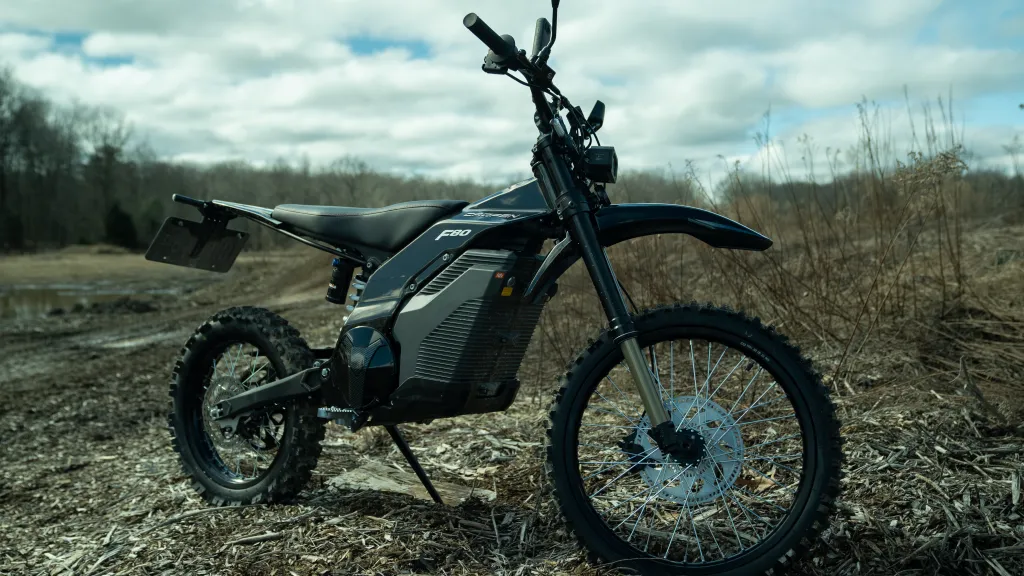
Understanding the Fundamental Difference: Off-Road vs. Street Legal
Before diving into regulations, it’s crucial to understand why most electric dirt bikes aren’t street legal by default.
What Makes a Vehicle Street Legal?
A street-legal vehicle must meet specific Department of Transportation (DOT) and Department of Motor Vehicles (DMV) requirements, which typically include:
Required Equipment:
- DOT-approved headlight (high and low beam)
- DOT-approved taillight
- Brake light
- Turn signals (front and rear)
- Mirrors (usually at least one, sometimes two)
- Horn
- License plate bracket and light
- DOT-approved tires
- Speedometer/odometer
Safety Standards:
- Minimum speed capability (usually 20-30 mph depending on state)
- Adequate braking system
- Proper emissions compliance (less relevant for electric, but some states still have requirements)
Documentation:
- Manufacturer’s Certificate of Origin (MCO)
- VIN (Vehicle Identification Number)
- Proof of ownership
- Insurance
Why Most Electric Dirt Bikes Aren’t Street Legal
Electric dirt bikes are designed and manufactured specifically for off-road use. Manufacturers deliberately avoid including street-legal equipment because:
Cost Reduction: Street-legal components add significant cost to the bike’s retail price
Target Market: Most buyers want pure off-road performance without compromise
Liability: Manufacturers limit legal exposure by marketing bikes exclusively for off-road use
Performance Optimization: Street equipment adds weight and complexity that reduces off-road capability
Regulatory Complexity: Meeting street-legal requirements for all 50 states is complex and expensive
This means most electric dirt bikes leave the factory without the necessary equipment, documentation, or certifications required for street use.
Federal Regulations: The EPA and DOT Framework
At the federal level, two agencies primarily govern vehicle legality: the Environmental Protection Agency (EPA) and the Department of Transportation (DOT).
EPA Regulations for Electric Vehicles
The good news for electric dirt bike owners: EPA emissions regulations are generally not a concern. Electric vehicles produce zero direct emissions, which means:
- No exhaust emissions testing required
- No catalytic converter requirements
- No fuel system regulations
- Simplified compliance compared to gas-powered bikes
However, the EPA still classifies vehicles by their intended use. A vehicle designed and marketed for off-road use cannot legally be operated on public roads, regardless of its power source.
DOT Requirements
The DOT establishes Federal Motor Vehicle Safety Standards (FMVSS) that apply to vehicles intended for highway use. Key points:
Manufacturer Certification: Vehicles must be certified by the manufacturer as meeting FMVSS requirements. This is where most electric dirt bikes fail—manufacturers don’t certify them for street use.
Equipment Standards: All lighting, mirrors, tires, and other equipment must meet specific DOT standards and carry DOT approval markings.
VIN Requirements: Street-legal vehicles must have a 17-character VIN that meets federal standards. Many electric dirt bikes have shorter VINs or no VIN at all.
Speed Rating: While federal law doesn’t mandate a minimum speed, DOT classifications affect state-level requirements.
The Gray Area: Low-Speed Electric Vehicles
Some electric dirt bikes may potentially qualify as Low-Speed Electric Vehicles (LSEVs) or Electric Bicycles (e-bikes) depending on their specifications:
E-Bike Classification:
- Typically limited to 750 watts
- Maximum speed of 20-28 mph depending on class
- Pedals may be required (eliminating most dirt bikes)
LSEV Classification:
- Maximum speed of 25 mph
- Must meet specific FMVSS requirements for LSEVs
- Easier to make street-legal than full motorcycles
Most electric dirt bikes exceed e-bike limitations but may fall into the LSEV category with modifications.
State-by-State Variations: Why Location Matters
Here’s the complicating factor: even if your electric dirt bike meets federal requirements, each state has its own laws governing street-legal motorcycles.
States with More Permissive Laws
Some states make it relatively easy to convert off-road bikes to street-legal status:
California:
- Offers “green sticker” and “red sticker” off-road registration
- Relatively straightforward process to make bikes street-legal with proper equipment
- Requires compliance with California Air Resources Board (CARB) standards (easier for electric)
- Must pass inspection showing required equipment
Montana:
- Known for permissive registration laws
- Offers registration through third-party services
- Less stringent inspection requirements
- Popular for out-of-state registrations
South Dakota:
- Simplified registration process
- Accepts registrations with minimal documentation
- Relatively affordable fees
- Popular alternative for difficult home states
Vermont:
- No vehicle inspection required for registration
- Will register vehicles without title (if older than 15 years)
- Accepts registration by mail
- Frequently used for out-of-state registration
States with Restrictive Laws
Other states make converting dirt bikes to street-legal status extremely difficult or impossible:
New York:
- Strict equipment requirements
- Requires manufacturer certification for street use
- VIN must meet state standards
- Difficult inspection process
Texas:
- Requires title from manufacturer
- Strict enforcement of off-road designations
- Limited paths to street-legality for off-road bikes
- Equipment requirements are extensive
Florida:
- Requires manufacturer’s certificate of origin showing street-legal intent
- Strict VIN requirements
- Limited options for off-road bike conversion
- Regular safety inspections in some counties
Massachusetts:
- Stringent inspection requirements
- Difficult documentation requirements
- Limited acceptance of out-of-state registrations
- High insurance requirements
Key State Requirement Variations
Minimum Age:
- Ranges from 14-16 with restrictions
- Full licensing typically requires 16-18 years old
Insurance Requirements:
- Some states require motorcycle insurance
- Others require only liability coverage
- Minimum coverage amounts vary significantly
Helmet Laws:
- Universal helmet laws (all riders)
- Partial helmet laws (young riders only)
- No helmet law
Equipment Specifics:
- Mirror requirements: one vs. two
- Turn signal requirements vary
- Horn decibel requirements differ
- Tire tread depth minimums
Registration Fees:
- Range from $20 to $200+ annually
- Some states charge by weight
- Electric vehicles may get fee reductions
Required Modifications: Making Your Electric Dirt Bike Street Legal
If your state allows off-road vehicle conversion to street-legal status, you’ll need to install specific equipment.
Essential Lighting Equipment
Headlight:
- Must be DOT-approved
- High and low beam functionality required
- Proper mounting height (typically 24-54 inches)
- Adequate illumination distance (typically 200-300 feet)
Cost: $50-$200 depending on quality
Taillight:
- DOT-approved red lens
- Must be visible from 500 feet
- Properly mounted and wired to main power
Cost: $20-$75
Brake Light:
- Integrated with taillight or separate
- Must illuminate when either brake is applied
- Proper brightness standards
Cost: Usually included with taillight
Turn Signals:
- Front and rear (usually 2 front, 2 rear)
- Amber front, amber or red rear
- Proper flash rate (typically 60-120 flashes per minute)
- DOT-approved lenses
Cost: $40-$150 for complete set
License Plate Light:
- Must illuminate plate adequately
- White light only
- Often integrated with taillight assembly
Cost: $10-$30
Mirrors
Requirements:
- At least one mirror (some states require two)
- Must provide view of road behind
- Specific field of view requirements vary by state
- Must be securely mounted
Cost: $15-$60 per mirror
Horn
Specifications:
- Minimum decibel level (typically 85-95 dB)
- Must be audible from 200 feet
- Button-activated from handlebar
Cost: $10-$40
Speedometer/Odometer
Requirements:
- Speedometer showing current speed
- Odometer showing total miles
- Some states require both; others only speedometer
- Digital displays acceptable in most states
Cost: $30-$150
DOT-Approved Tires
Standards:
- Must display DOT certification on sidewall
- Adequate tread depth (typically 1/32 inch minimum)
- Speed rating appropriate for bike’s capability
- Not purely knobby off-road tires in most states
Cost: $100-$300 per tire
Additional Equipment
License Plate Bracket:
- Secure mounting for plate
- Proper visibility and angle
- Often includes integrated light
Cost: $15-$50
Reflectors:
- Side, front, and rear reflectors
- Specific color requirements (red rear, amber sides, white front)
- Required in many states
Cost: $10-$30 for set
Total Modification Cost Estimate
Budget Setup: $300-$500
- Basic lighting kit
- Single mirror
- Simple horn
- Budget tires
- Basic speedometer
Quality Setup: $600-$1,200
- Quality DOT-approved lighting
- Dual mirrors
- Reliable horn
- Quality dual-sport tires
- Digital speedometer/odometer combo
Professional Installation: Add $200-$500 if you’re not doing it yourself
The Registration Process: Step-by-Step
Once your electric dirt bike has the required equipment, you’ll need to navigate the registration process.
Step 1: Gather Required Documentation
Manufacturer’s Certificate of Origin (MCO):
- Often difficult to obtain for off-road bikes
- Manufacturer may refuse if bike not designed for street use
- Critical for most state registrations
Bill of Sale:
- Proof of ownership
- Includes purchase price
- Seller and buyer information
- VIN or serial number
VIN Verification:
- Some states require VIN inspection by police or DMV
- Confirms VIN matches documentation
- Checks for stolen vehicle reports
Proof of Insurance:
- Required in most states before registration
- Minimum liability coverage
- Some insurers reluctant to cover converted off-road bikes
Step 2: Vehicle Inspection
Safety Inspection:
- Verifies all required equipment present and functional
- Checks brakes, lights, horn, mirrors, tires
- Often performed at licensed inspection stations
VIN Inspection:
- Confirms VIN exists and is legible
- Verifies VIN matches paperwork
- May involve law enforcement
Emissions Inspection:
- Usually not required for electric vehicles
- Some states still require inspection station visit
Step 3: DMV Registration
Visit DMV or Submit Application:
- Bring all documentation
- Complete registration forms
- Pay registration fees
- Some states allow mail-in registration
Receive Plates and Registration:
- Temporary registration often issued immediately
- Permanent plates mailed within weeks
- Registration certificate proves street-legal status
Obtain Title (if applicable):
- Some states issue titles immediately
- Others mail title separately
- Title proves ownership
Alternative Registration Methods
Montana LLC Registration:
- Form LLC in Montana
- Register vehicle under LLC
- Avoid sales tax in some cases
- Legal gray area; some states cracking down
Vermont Registration:
- Register by mail without inspection
- No VIN requirement for older bikes
- Transfer to home state (if allowed)
- Requires notarized documentation
Third-Party Registration Services:
- Companies specialize in difficult registrations
- Handle paperwork and process
- Cost $300-$800 in fees
- Success not guaranteed
Electric Dirt Bikes That Come Street Legal
Some manufacturers recognize the demand for street-legal electric dirt bikes and offer models certified for road use from the factory.
Zero Motorcycles FX and FXS
Street Legal: Yes (FXS model)
Specifications:
- 7.2 kW motor (peak 44 hp)
- 106 Nm torque
- 100 mph top speed
- 70-100 mile range (city riding)
Street-Legal Equipment:
- Full lighting package
- Mirrors
- Horn
- DOT tires
- Speedometer
Price: $10,995
Pros:
- Fully street-legal from factory
- Excellent performance
- Long-range capability
- Quality construction
- Good dealer network
Cons:
- Expensive for entry-level riders
- Heavy for pure off-road use
- Limited off-road capability compared to dedicated dirt bikes
Sur-Ron Light Bee X
Street Legal: No (but can be converted)
Specifications:
- 6 kW motor (nominal)
- 60 mph top speed
- 40-60 mile range
- Lightweight (110 lbs)
Conversion Potential:
- Popular for street conversion
- Aftermarket lighting kits available
- Registration success varies by state
- Some states classify as e-bike
Price: $4,495
Notes:
- Extremely popular
- Large aftermarket support
- Easy to modify
- May qualify as LSEV in some states
Cake Kalk OR
Street Legal: Optional street-legal package available
Specifications:
- 11 kW motor
- 56 mph top speed
- 50 mile range
- Unique design
Street-Legal Option:
- Factory street-legal package
- Includes all required equipment
- Certified for road use
- Premium pricing
Price: $14,000 (with street package)
CSC City Slicker
Street Legal: Yes
Specifications:
- 3 kW motor
- 40 mph top speed
- 40 mile range
- Budget-friendly
Features:
- Fully street-legal
- Title and MSO included
- Meets federal standards
- Affordable price point
Price: $2,995
Pros:
- Affordable street-legal option
- Good for urban commuting
- Easy registration process
Cons:
- Limited performance
- Short range
- Low top speed
- Basic components
Other Notable Options
Segway X260:
- Street-legal in some configurations
- Dual-sport capability
- Moderate pricing
- Growing dealer network
UBCO 2X2:
- Utility-focused
- Street-legal available
- Unique dual-wheel drive
- Work bike oriented
Insurance Considerations
Getting insurance for a street-legal electric dirt bike presents unique challenges.
Finding Insurance Coverage
Motorcycle Insurance:
- Traditional motorcycle policies
- May require specific street-legal certification
- Rates depend on bike value and your record
Off-Road Vehicle Insurance:
- Some insurers offer off-road policies
- May not provide street coverage
- Cheaper but limited protection
Specialty EV Insurance:
- New policies emerging for electric bikes
- May offer better rates than traditional motorcycle insurance
- Limited availability
Insurance Challenges
Converted Bikes:
- Some insurers refuse coverage for converted off-road bikes
- Higher premiums due to perceived risk
- May require proof of proper conversion
Limited Options:
- Fewer insurers willing to cover electric bikes
- Rural areas may have even fewer options
- May require shopping multiple companies
Coverage Costs:
- Liability only: $200-$600 annually
- Full coverage: $500-$1,500 annually
- Depends heavily on location and rider history
Legal Consequences of Riding Illegal Bikes on Streets
Understanding the potential penalties for riding a non-street-legal electric dirt bike on public roads is crucial.
Traffic Citations
Operating Unregistered Vehicle:
- Fines: $100-$500
- Possible vehicle impound
- Points on driver’s license
No Insurance:
- Fines: $500-$1,000+
- License suspension
- SR-22 requirement for future insurance
- Significant long-term insurance cost increases
Equipment Violations:
- Separate citations for each missing component
- $50-$200 per violation
- “Fix-it” tickets (must show compliance)
Criminal Charges
Reckless Operation:
- Misdemeanor charges possible
- Fines up to $1,000
- Possible jail time
- Permanent criminal record
Repeat Offenses:
- Enhanced penalties
- Vehicle confiscation
- License revocation
Civil Liability
Accident Liability:
- Full responsibility for damages if at fault
- No insurance protection
- Personal assets at risk
- Potential lawsuits
Injury to Others:
- Medical costs
- Lost wages
- Pain and suffering damages
- Can total hundreds of thousands of dollars
Long-Term Consequences
Insurance Problems:
- Difficulty obtaining coverage
- Dramatically increased rates
- Some insurers refuse coverage permanently
License Issues:
- Points accumulation
- License suspension
- Increased scrutiny from law enforcement
Criminal Record:
- Affects employment
- Impacts background checks
- Difficult to clear
Is It Worth Making Your Electric Dirt Bike Street Legal?
Consider these factors when deciding whether to pursue street-legal status:
Advantages of Street-Legal Conversion
Legal Peace of Mind:
- Ride without fear of citation
- Legal parking options
- No risk of impound
Expanded Riding Options:
- Connect trail systems via roads
- Commute on your bike
- Run errands legally
Insurance Protection:
- Liability coverage
- Protection from uninsured motorists
- Coverage for medical expenses
Resale Value:
- Street-legal bikes often command higher prices
- Larger pool of potential buyers
- Easier to sell with registration
Disadvantages of Conversion
Significant Cost:
- $500-$1,500+ in parts
- Professional installation fees
- Registration and title fees
- Annual registration renewal
Added Weight:
- Street equipment adds 10-20+ pounds
- Reduces off-road performance
- Changes handling characteristics
Complexity:
- Electrical system modifications
- Potential reliability issues
- More maintenance required
Time Investment:
- Research requirements
- Installation time
- DMV visits
- Inspection appointments
Not Always Successful:
- Some states won’t register converted bikes
- May waste time and money
- Could still face legal issues
Practical Alternatives to Street-Legal Conversion
If making your electric dirt bike street legal seems too complicated or expensive, consider these alternatives:
Trailer Transport
Pros:
- No modification needed
- Keep bike optimized for off-road
- Legal transport solution
Cons:
- Need truck/SUV and trailer
- Storage space required
- Setup time before rides
Cost: $500-$2,000 for basic trailer
Dedicated Street Bike
Pros:
- Purpose-built for street use
- Better performance on roads
- No conversion hassles
- Factory warranty
Cons:
- Additional purchase cost
- Two bikes to maintain
- More storage space needed
Options:
- Electric street motorcycles
- Dual-sport motorcycles
- Electric scooters
Ride Only on Private Property
Pros:
- No legal concerns
- No modification needed
- Focus on off-road riding
Cons:
- Limited riding locations
- Need access to private land
- Can’t connect trail systems via roads
Join Off-Road Parks and Clubs
Pros:
- Legal off-road riding
- Organized events
- Community of riders
- Maintained trails
Cons:
- Membership fees
- Travel to locations
- Seasonal availability
The Future of Electric Dirt Bike Street Legality
The legal landscape for electric dirt bikes is evolving rapidly:
Positive Trends
More Factory Street-Legal Options:
- Manufacturers recognizing demand
- More certified models releasing
- Better pricing on street-legal versions
Updated Regulations:
- Some states modernizing laws
- Recognition of electric vehicle benefits
- Simplified registration processes
E-Bike Classification Evolution:
- Expanding power and speed limits
- New vehicle categories emerging
- May include more electric dirt bikes
Challenges Ahead
State Resistance:
- Some states tightening regulations
- Crackdowns on registration loopholes
- Increased enforcement
Insurance Industry:
- Slow to adapt to electric bikes
- Risk assessment challenges
- Coverage gaps
Federal Standardization:
- Lack of uniform national standards
- Interstate travel complications
- Confusion for consumers
Final Verdict: Are Electric Dirt Bikes Street Legal?
To directly answer the title question with nuance:
Most electric dirt bikes are NOT street legal out of the box because they:
- Lack required safety equipment
- Are not certified by manufacturers for street use
- Don’t meet DOT/DMV standards
BUT many electric dirt bikes CAN be made street legal by:
- Installing required equipment ($500-$1,200)
- Obtaining proper documentation
- Registering with your state DMV
- Meeting state-specific requirements
Success depends heavily on:
- Your state’s laws (some permissive, others restrictive)
- Your bike’s specifications (VIN, speed, power)
- Your willingness to invest (time and money)
- The bike model (some easier to convert than others)
Factory street-legal options exist including:
- Zero FXS (premium option)
- CSC City Slicker (budget option)
- Cake Kalk OR (with street package)
- Sur-Ron Light Bee X (in some states as LSEV)
The safest approach:
- Research your state’s specific laws
- Contact your DMV for clarification
- Consider buying a factory street-legal model
- Budget for all required modifications and fees
- Ensure you can obtain insurance
- Understand the legal risks before riding illegally
Bottom line: Converting an electric dirt bike to street-legal status is possible in many states but requires significant research, investment, and patience. If street riding is important to you, strongly consider buying a factory street-legal model to avoid complications, or be prepared for a complex conversion process with no guarantee of success.
The electric motorcycle industry is rapidly evolving, and regulations are slowly catching up. As demand grows for street-legal electric dirt bikes, we’ll likely see more options, clearer regulations, and easier paths to legal street riding. Until then, do your homework, follow your local laws, and ride safely wherever you choose to ride.