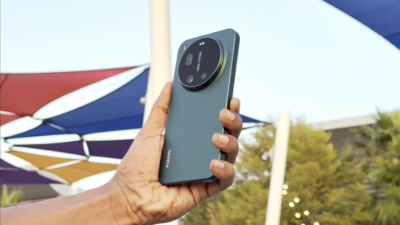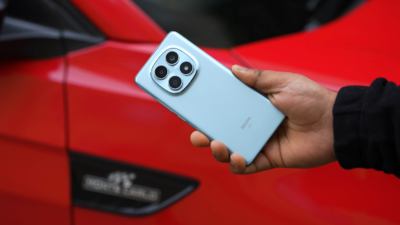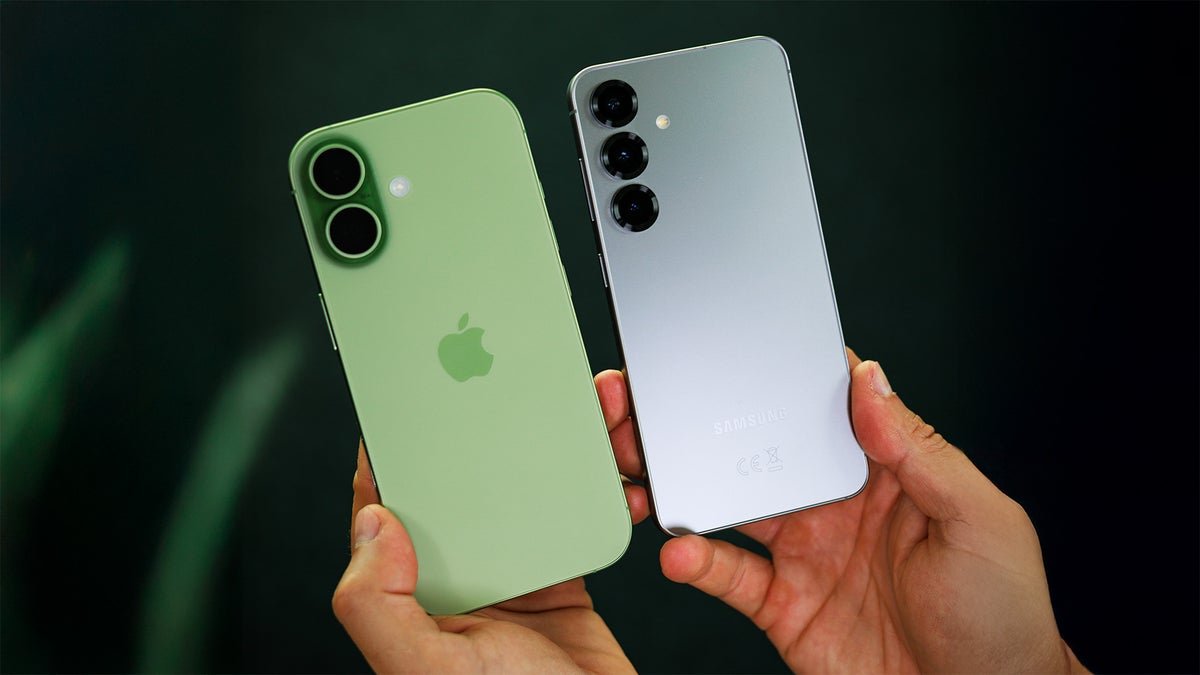
The Verdict is In: After a year-long battle between ultra-slim and compact smartphones, the market has spoken loudly and clearly. Slim phones are failing spectacularly while compact phones are selling out. Samsung is reportedly canceling the S26 Edge, Apple might discontinue the iPhone Air after just one generation, and consumer comment sections overwhelmingly favor compact designs.
But why? Let’s dive deep into this fascinating smartphone trend, examine the compromises each category demands, analyze real-world pricing and performance, and understand why one philosophy is winning while the other is dying.
Quick Verdict: Compact Phones Win Decisively
Winner: 🏆 Compact Phones
Why Compact Phones Win:
- Minimal hardware compromises
- Better thermal management
- Larger batteries (thanks to silicon-carbon tech)
- Can accommodate telephoto lenses
- More practical for one-handed use
- Better value for money
- Actually selling in real life
Why Slim Phones Are Failing:
- Severe battery compromises (3,200-3,900mAh)
- Missing camera lenses (no telephoto, sometimes single camera)
- Thermal management challenges
- Premium pricing despite compromises
- Still require two hands (large footprint)
- Poor sales numbers
- Brands canceling product lines
The 2025 Slim Phone Lineup: Premium Prices, Major Compromises
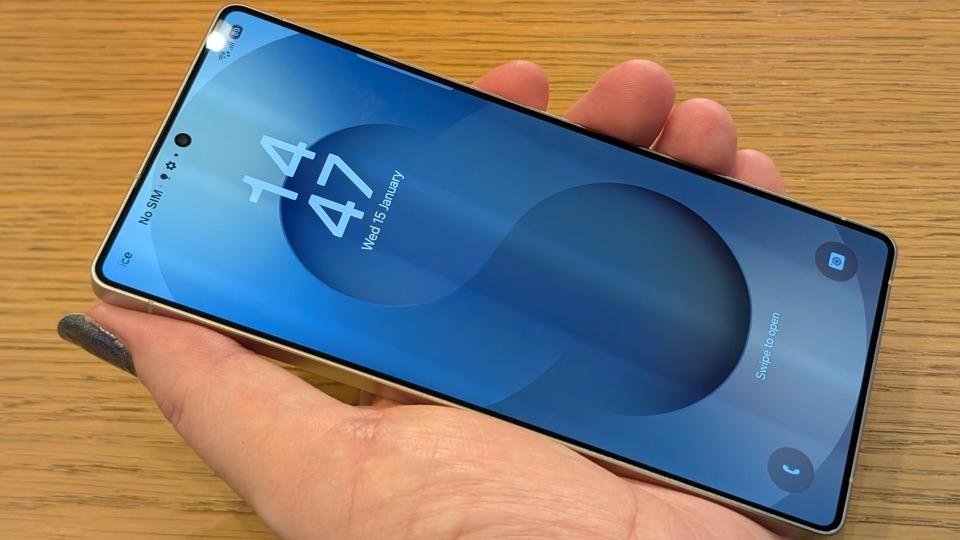
1. Samsung Galaxy S25 Edge: The First Casualty
Specifications:
- Thickness: 5.8mm (extremely slim)
- Display: Large (similar footprint to S25 Ultra)
- Battery: 3,900mAh (inadequate for size)
- Cameras: Main + Ultra-wide only (no telephoto)
- Price: ₹1,10,000+ (~$1,320 USD)
The Problems:
Battery Disaster: Samsung prioritized thinness over battery capacity, resulting in a measly 3,900mAh battery in a large-footprint device. For context, the standard S25 (smaller phone) has a 4,000mAh battery.
According to reports, Samsung could have used silicon-carbon battery technology to achieve ~4,500mAh while maintaining the slim profile. But they didn’t. The result? Poor battery life in a phone that costs over ₹1 lakh.
Camera Compromise: No telephoto lens. In a phone costing more than the S25 base model (which has all three camera lenses), Samsung removed the most useful zoom lens. This is the camera compromise everyone notices immediately.
Size Paradox: From the front, the S25 Edge looks almost identical to the S25 Ultra. It’s not a small phone – it’s just thin. You still need two hands to use it. The slimness doesn’t translate to better one-handed usability.
Market Response: Reportedly, Samsung is canceling the S26 Edge due to poor sales. The phone simply didn’t sell. People saw the compromises and voted with their wallets.
2. iPhone Air: Apple’s Slim Experiment
Specifications:
- Thickness: 5.6mm (slimmer than S25 Edge)
- Display: Large
- Battery: ~3,200mAh (catastrophically small)
- Cameras: Single camera (unprecedented for flagship iPhone)
- Price: ₹1,20,000+ (~$1,440 USD)
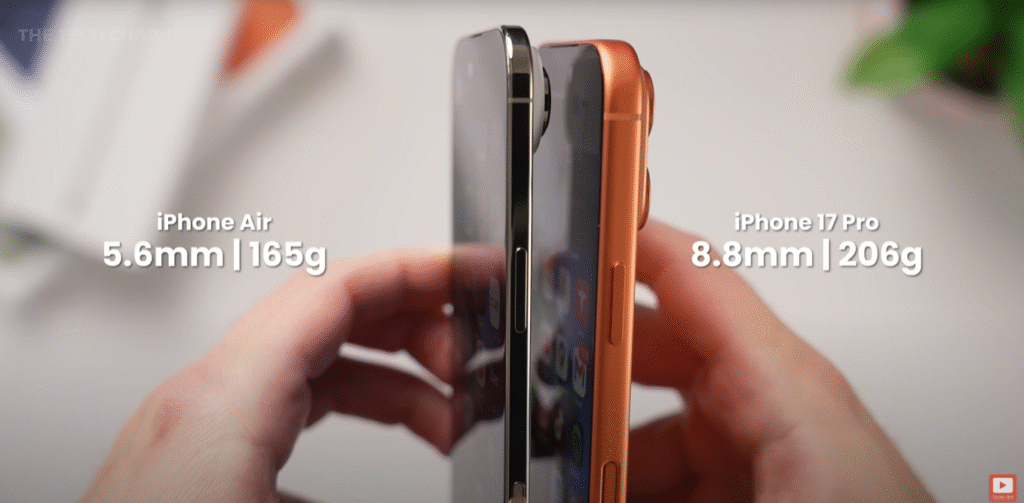
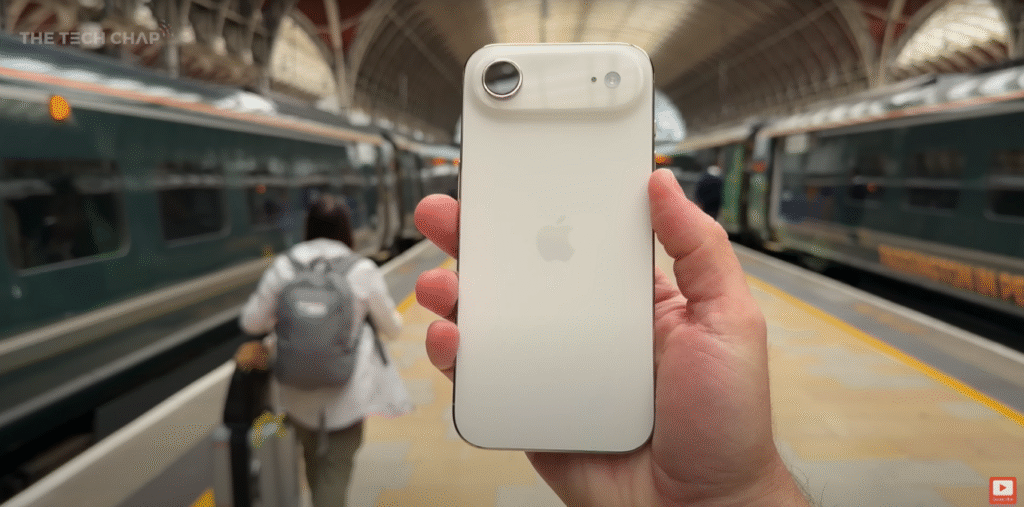
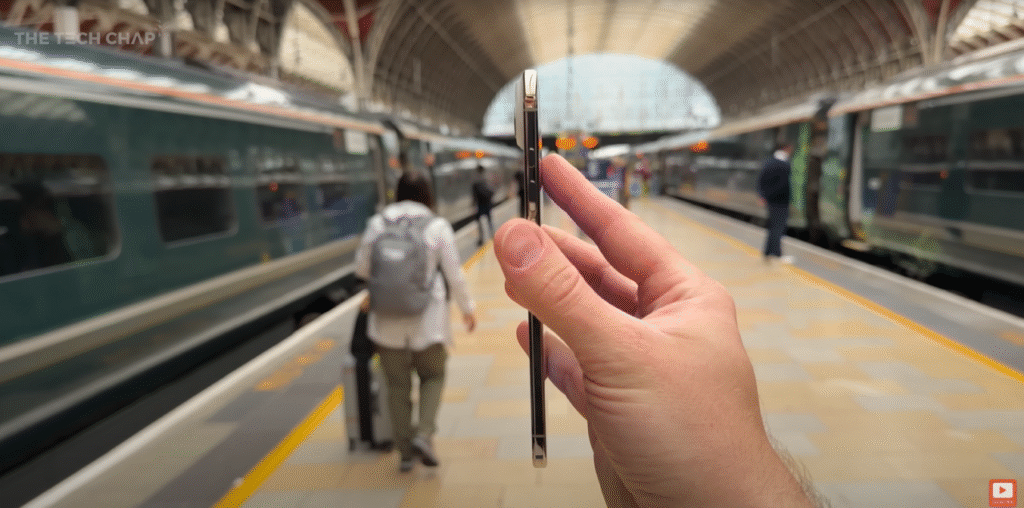
The Problems:
Single Camera on an iPhone: iPhones are renowned for photography and videography. The camera system is a core selling point. Apple reduced this flagship to a single camera, less than even the base iPhone models.
For a brand that charges premium prices specifically because of camera quality, this is brand suicide.
3,200mAh Battery: This is smaller than many mid-range Android phones from 2020. In 2025, expecting users to accept 3,200mAh in a large flagship phone is delusional.
The Pricing Insanity: ₹1,20,000 for a phone with one camera and terrible battery life. Apple thought the ultra-slim aesthetic would justify the compromises. The market disagreed.
Market Response: Reports suggest Apple is reducing production and may discontinue the iPhone Air after this generation. Like the iPhone 12 Mini and 13 Mini before it, the market rejected Apple’s experiment.
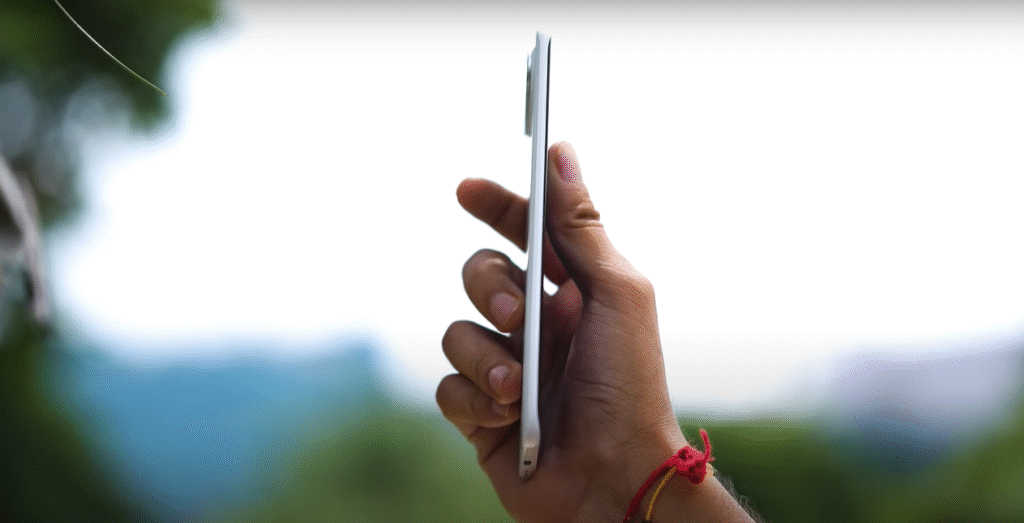
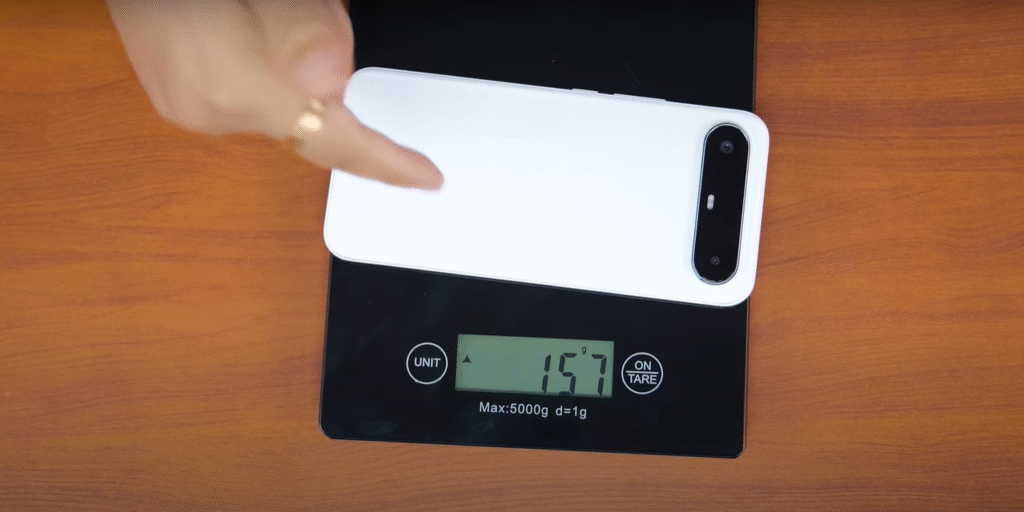
3. Tecno Pova Slim: Budget Slim Phone
Specifications:
- Thickness: 5.95mm (~6mm)
- Display: Curved AMOLED
- Battery: 5,160mAh (actually decent!)
- Processor: Dimensity 6400 (budget chipset)
- Storage: UFS 2.2 (outdated)
- Price: ₹20,000 (~$240 USD)
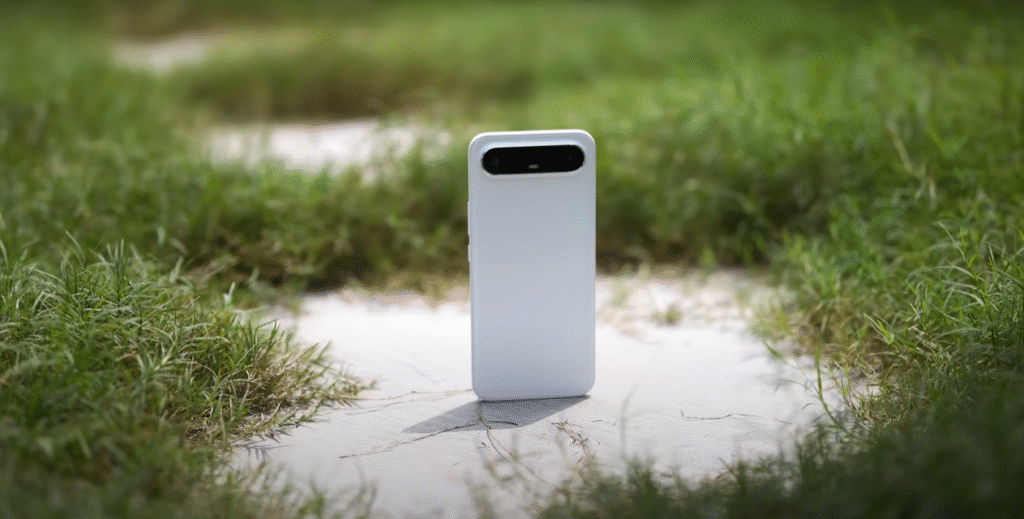
The Analysis:
What Tecno Got Right: Surprisingly, Tecno didn’t compromise on battery. At 5,160mAh, this is the only slim phone with an acceptable battery capacity. They likely used silicon-carbon battery technology.
Read more here Tecno Pova Slim review
What Tecno Got Wrong:
Hardware Compromises: To hit the ₹20,000 price point while maintaining a slim curved design:
- Dimensity 6400 processor (budget-tier)
- UFS 2.2 storage (slow, outdated)
- Single main camera (no ultra-wide)
The Pricing Problem: The curved display and slim design added significant manufacturing costs. The actual hardware (processor, storage) should sell for ₹12,000-15,000. You’re paying ₹5,000-8,000 extra just for the slim aesthetic.
The Verdict: If Tecno had made a normal-thickness phone with the same budget, they could have offered:
- Better processor (Dimensity 7000 series)
- UFS 3.1 storage
- Dual cameras
- All for ₹15,000
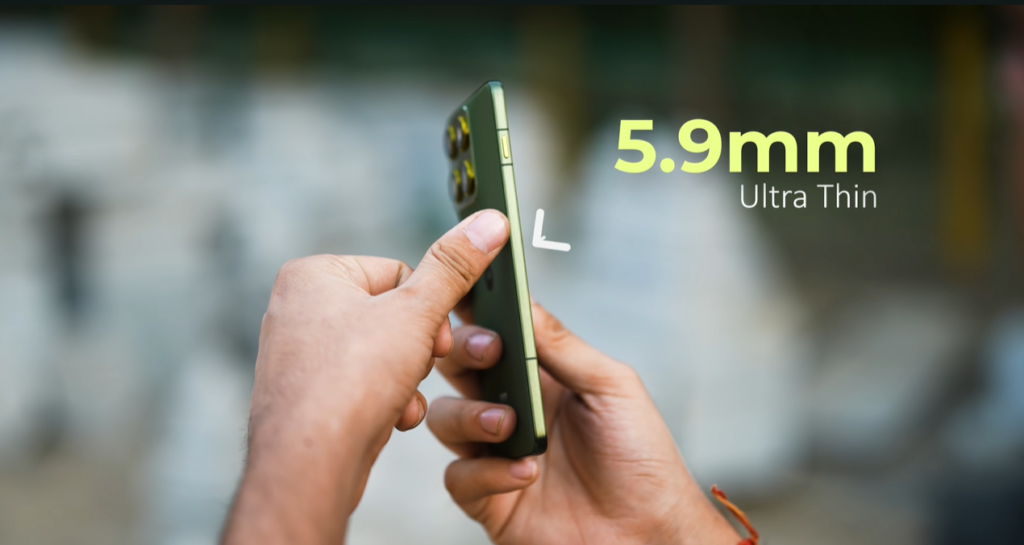
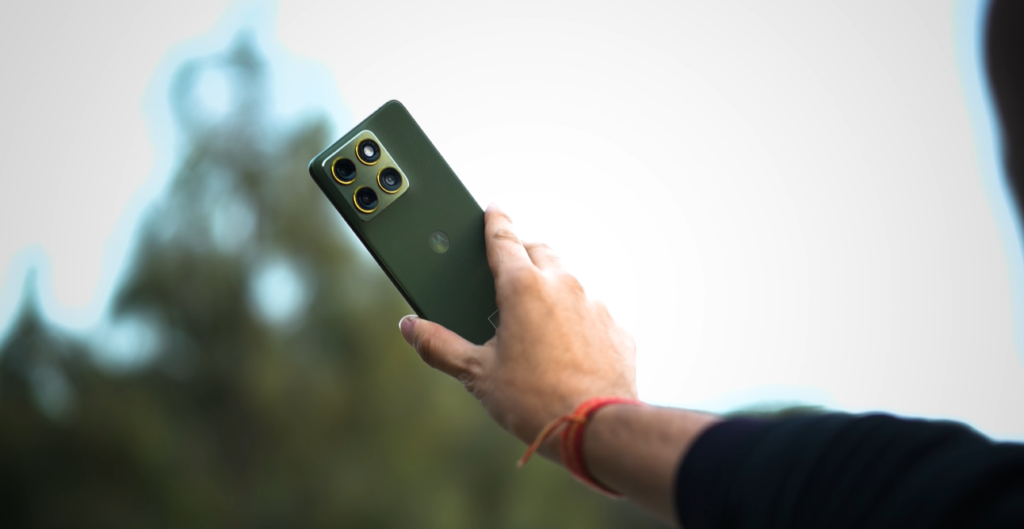
4. Motorola Edge 70: The Least-Compromised Slim Phone
Specifications:
- Thickness: ~6mm
- Display: Large
- Battery: 4,800mAh (reasonable)
- Storage: UFS 3.1 (good)
- Cameras: Main + Ultra-wide (no telephoto)
- Price: ₹30,000 (~$360 USD)

The Analysis:
What Motorola Got Right:
Balanced Approach: At ₹30,000, the Edge 70 offers the best slim-phone value proposition:
- Decent 4,800mAh battery
- UFS 3.1 storage (fast)
- Proper dual-camera setup
- Reasonable pricing
What Motorola Compromised:
No Telephoto Lens: Here’s the interesting part – Motorola’s own cheaper phones include telephoto lenses. The Edge 50 series (less expensive) has telephoto cameras.
Why remove it from the Edge 70? Physics.
Telephoto lenses require:
- Larger sensor size
- Periscope mechanism
- Greater physical depth
In a 6mm phone, adding a telephoto lens would create a massive camera bump, defeating the entire slim aesthetic.
The Thermal Challenge: Slim phones struggle with heat dissipation. There’s simply less internal volume for:
- Vapor chambers
- Thermal paste
- Heat pipes
- Air gaps
Motorola had to optimize cooling, which meant less space for camera hardware.
Market Response: Interestingly, comment sections on the Edge 70 reveal a common theme: “We want compact phones, not slim phones.”
People recognize the compromises and aren’t excited about the trade-offs.
The Universal Slim Phone Problems
1. Thermal Management Nightmare
The Physics:
Phones generate heat from:
- Processors (especially under gaming load)
- 5G modems
- Fast charging
- Display
This heat needs to dissipate. In normal phones, manufacturers use:
- Large vapor chambers
- Thermal paste layers
- Heat pipes
- Adequate air space
In Slim Phones:
With 5.6-6mm thickness, there’s simply no room for effective cooling solutions. The result:
- Higher operating temperatures
- Thermal throttling (reduced performance)
- Uncomfortable hand-feel during use
- Potential long-term reliability issues
2. Battery: The Impossible Trade-Off
The Battery Density Problem:
Current lithium-ion battery technology has physical limits. To fit adequate capacity in slim phones, you need:
Option A: Accept Small Capacity
- S25 Edge: 3,900mAh
- iPhone Air: 3,200mAh
- Result: Poor battery life
Option B: Use Silicon-Carbon Batteries
- Higher energy density
- Same capacity in less space
- More expensive
- Currently limited availability
Why Didn’t Samsung and Apple Use Silicon-Carbon?
Cost. Silicon-carbon batteries are significantly more expensive. Samsung and Apple would need to either:
- Accept lower profit margins
- Increase prices even more
They chose neither and delivered inadequate batteries instead.
Motorola and Tecno’s Approach:
Both used silicon-carbon technology, achieving 4,800-5,160mAh in slim profiles. This proves it’s possible – just expensive.
3. Camera Compromises: Physics Wins
The Telephoto Problem:
Telephoto lenses require:
- Periscope mechanism: ~6-8mm depth minimum
- Large sensor: More light-gathering, better quality
- Lens assembly: Multiple glass elements
In a 6mm phone, fitting a telephoto lens means:
- Massive camera bump (8-10mm+)
- Compromising slim aesthetic
- Potential durability issues
The Solution: Remove it entirely.
The Problem: Telephoto is the most used zoom range (2-5x) for:
- Portrait photography
- Event photography
- Street photography
- Product photography
Removing it severely limits real-world usability.
4. Premium Pricing for Inferior Hardware
The Pricing Paradox:
| Phone | Price | Battery | Cameras | Value |
|---|---|---|---|---|
| S25 Edge | ₹1,10,000+ | 3,900mAh | 2 lenses | Poor |
| iPhone Air | ₹1,20,000+ | 3,200mAh | 1 lens | Terrible |
| Motorola Edge 70 | ₹30,000 | 4,800mAh | 2 lenses | Acceptable |
| Tecno Pova Slim | ₹20,000 | 5,160mAh | 1 lens | Poor (weak hardware) |
The Math Doesn’t Math:
Customers are paying flagship prices for:
- Worse battery life
- Fewer camera lenses
- Thermal challenges
- Same large footprint (not more portable)
Why? Fashion and lifestyle marketing.
Brands positioned slim phones as premium, fashionable accessories. The market response? “No thanks.”
The Compact Phone Revolution
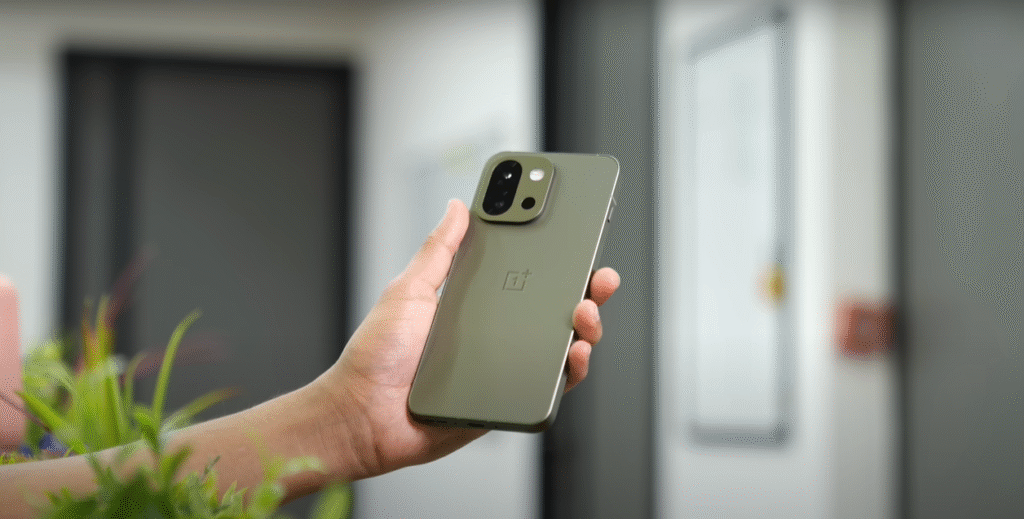
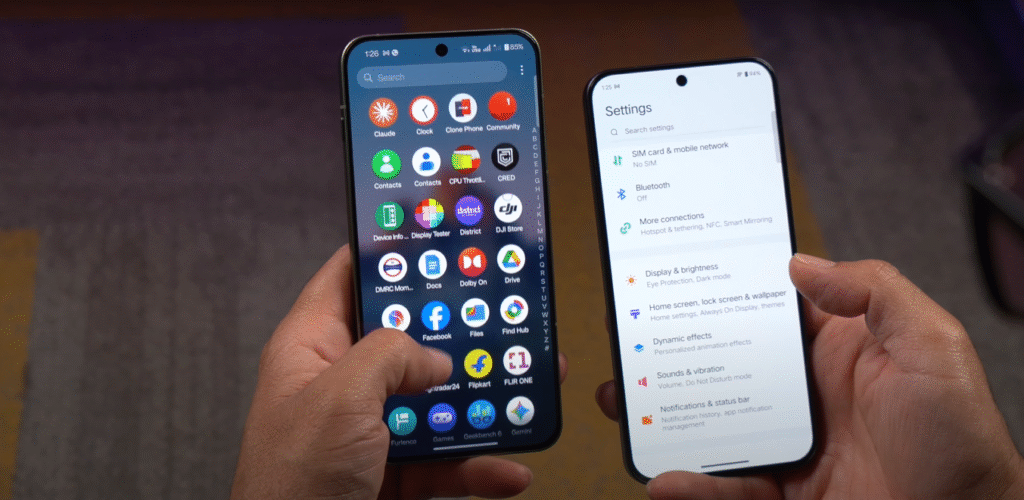
1. OnePlus 13S: The Compact Champion
Specifications:
- Display: 6.3 inches (genuinely compact)
- Battery: 5,800mAh (massive for size)
- Thickness: Slightly thicker than slim phones
- Cameras: Main + Ultra-wide + 2x Telephoto
- Performance: Flagship processor

Why It Works:
Silicon-Carbon Battery Technology: OnePlus embraced silicon-carbon batteries fully, achieving 5,800mAh in a compact 6.3″ form factor. This is larger than most flagship phones despite being smaller.
One-Handed Usability: Unlike slim phones (which are just thin, not small), the OnePlus 13S is actually manageable with one hand:
- Smaller width
- Reachable top corners
- Pocket-friendly
- Comfortable grip
Compromises:
Ultra-Wide Camera: OnePlus compromised on the ultra-wide angle camera quality. It’s present but not flagship-tier.
Telephoto: Only 2x optical zoom (not 3x or 5x). But crucially, it has a telephoto, which slim phones lack entirely.
Market Success:
The OnePlus 13S sold extremely well. Visible in real life, discussed positively in communities, and generating genuine demand.
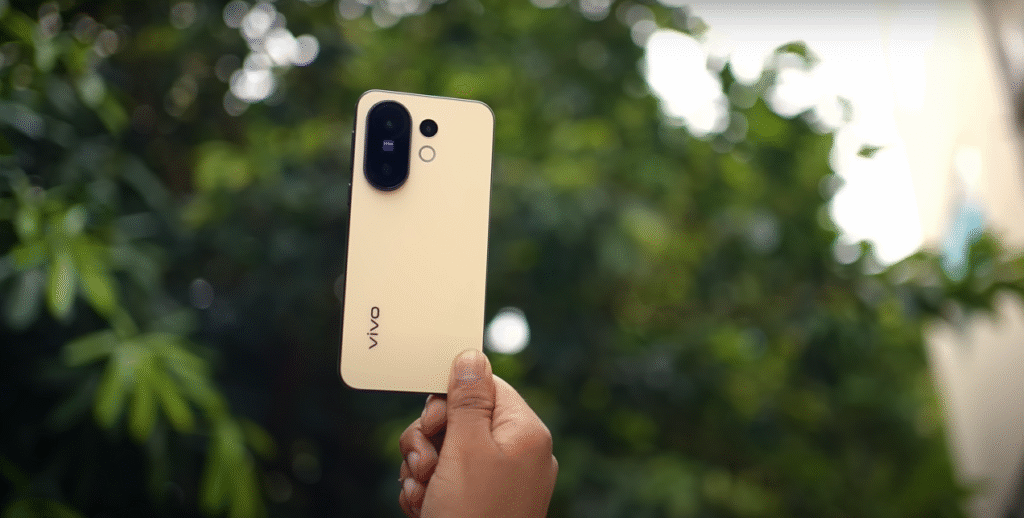
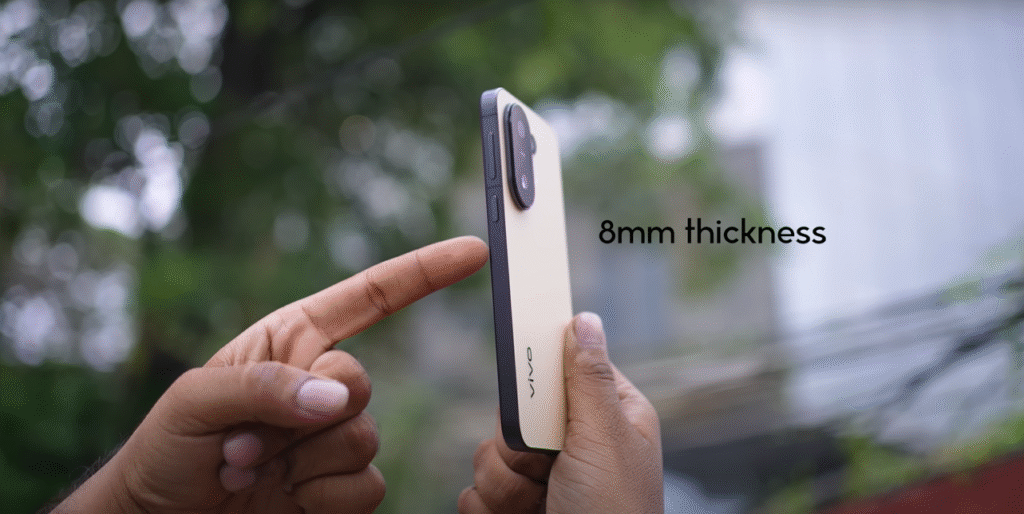
2. Vivo X200 FE: Maximum Battery Compact
Specifications:
- Display: ~6.4 inches (compact)
- Battery: 6,500mAh (industry-leading)
- Cameras: Full triple camera with telephoto
- Performance: Flagship chipset
The Engineering Marvel:
6,500mAh in Compact Form: Vivo pushed silicon-carbon battery technology to its limit, achieving the highest capacity in a compact phone ever.
No Compromises:
- Full camera system with telephoto
- Flagship processor
- Excellent thermal management
- Strong build quality
The Pricing: Yes, it’s expensive. But people are willing to pay premium prices for zero-compromise compact phones, not for compromised slim phones.
Market Success: Selling well, especially offline. Real people are buying and using these phones.
3. Vivo X300: The Benchmark-Breaker
Specifications:
- Display: Compact
- Battery: Large (silicon-carbon)
- Cameras: Complete system with telephoto
- Performance: Top-tier
What Makes It Special:
Benchmark Performance: The X300 broke multiple benchmarks for compact phones:
- Battery life
- Camera quality
- Thermal performance
- Overall user satisfaction
The Pricing Reality: Yes, it’s expensive. But Vivo delivered a complete package with no compromises. Customers accept premium pricing when value is delivered.
4. Xiaomi 15: The Branding Challenge
Specifications:
- Display: Compact
- Hardware: Strong, no compromises
- Cameras: Complete system
- Performance: Excellent
Why It’s Not Selling as Well:
Two Problems:
1. Pricing: Xiaomi historically positioned itself as a value brand. When they charge premium prices (even for excellent hardware), customers resist.
2. Brand Perception: “Why should I pay Xiaomi the same price as Samsung/Apple?”
This isn’t a hardware problem – it’s pure branding and marketing.
The Lesson: Even excellent products fail without proper brand positioning. Xiaomi needs to either:
- Build premium brand perception over time
- Adjust pricing to match brand perception
Why Compact Phones Win: The Technical Advantages
1. Thermal Management: Physics on Your Side
More Internal Volume:
Compact phones that are slightly thicker (8-9mm vs. 5-6mm) have:
- 50-60% more internal volume
- Space for large vapor chambers
- Room for thermal paste layers
- Air gaps for heat dissipation
The Result:
- Lower operating temperatures
- Sustained peak performance
- Better gaming experience
- Longer component lifespan
2. Battery: Silicon-Carbon Magic
The Technology:
Silicon-carbon batteries offer:
- 20-30% higher energy density
- Same capacity in less space
- Slightly higher cost (but worth it)
Real-World Examples:
| Phone | Size | Battery | Technology |
|---|---|---|---|
| OnePlus 13S | 6.3″ | 5,800mAh | Silicon-carbon |
| Vivo X200 FE | ~6.4″ | 6,500mAh | Silicon-carbon |
| iPhone Air | Large | 3,200mAh | Standard lithium |
| S25 Edge | Large | 3,900mAh | Standard lithium |
The Advantage:
Compact phones using silicon-carbon deliver 2x the battery capacity of slim phones using standard batteries.
3. Camera Systems: Room for Everything
Telephoto Lens Possible:
With 8-9mm thickness, compact phones can accommodate:
- Periscope telephoto mechanisms
- Larger camera sensors
- OIS (Optical Image Stabilization)
- Complete lens assemblies
Real-World Impact:
Slim Phones: Main + Ultra-wide (maybe)
Compact Phones: Main + Ultra-wide + Telephoto (2-5x)
The telephoto lens alone makes compact phones more versatile for real photography.
4. One-Handed Usability: The Real Portability
The Size Comparison:
Slim Phones:
- Thin: 5-6mm ✓
- Width: 75-78mm (same as flagships) ✗
- Height: 160-165mm (same as flagships) ✗
- Result: Still requires two hands
Compact Phones:
- Thin: 8-9mm (slightly thicker)
- Width: 70-73mm (narrower) ✓
- Height: 150-155mm (shorter) ✓
- Result: Genuine one-handed usability
What Matters More?
- 3mm thickness reduction (slim phones)
- OR 5mm width reduction + 10mm height reduction (compact phones)
The answer: Size reduction matters FAR more than thickness for real-world portability.
The Market Speaks: Sales Numbers Don’t Lie
Slim Phones: Commercial Failures
Samsung S25 Edge:
- Poor sales numbers
- S26 Edge reportedly canceled
- Available stock not moving
- Rarely seen in real life
iPhone Air:
- Production reduced
- May be discontinued after one generation
- Following iPhone Mini’s failure pattern
Motorola Edge 70:
- Modest sales
- Comment sections request compact, not slim
- Not visible in real life frequently
Tecno Pova Slim:
- Limited market impact
- Budget segment prefers better hardware over slim design
Compact Phones: Market Success Stories
OnePlus 13S:
- Sold out multiple times
- High visibility in real life
- Positive community feedback
- Strong demand continues
Vivo X200 FE:
- Selling well, especially offline
- Real people buying and using
- Positive word-of-mouth
Vivo X300:
- Strong sales despite premium pricing
- Setting segment benchmarks
- Generating genuine excitement
Xiaomi 15:
- Hardware excellent, sales moderate
- Held back only by brand perception, not product quality
The Business Lesson: Listen to Customers
The Brand Mistake
The Pattern:
- Brands create products based on internal vision
- Heavily market these products
- Products don’t sell
- Brands cancel product lines
- Brands lose money
The OnePlus/Vivo Approach:
- Identify customer pain points (battery, size)
- Solve problems with technology (silicon-carbon)
- Deliver real value
- Products sell well
- Everyone wins
Why Brands Failed With Slim Phones
1. Ignored Customer Feedback: Comment sections, forums, and communities consistently said: “We want compact phones with good battery.”
Brands heard: “Make it thinner!”
2. Prioritized Fashion Over Function: Slim phones were positioned as lifestyle products. But smartphones are tools first, fashion accessories second.
3. Overpriced Compromises: Charging premium prices while delivering inferior battery, fewer cameras, and thermal issues is insulting to customers.
4. Didn’t Learn from History:
- iPhone Mini failed (12, 13)
- Compact phones of past failed
- Market consistently rejects severely compromised designs
Yet brands tried again with slim phones. Same mistake, different angle.
The Apple Example: iPhone Mini Déjà Vu
iPhone 12 Mini & 13 Mini: The Failure
What Apple Offered:
- Genuinely small phones
- Compact form factor
- Full iPhone experience
- Premium pricing
What Went Wrong:
- Terrible battery life
- Too small for media consumption
- Compromised cameras
- Market rejected it
Apple’s Response:
- Discontinued after iPhone 13 Mini
- No iPhone 14 Mini
- No iPhone 15 Mini
- No iPhone 16 Mini
- No iPhone 17 Mini (upcoming)
iPhone Air: History Repeating
Apple’s Logic: “Mini failed because it was too small. Let’s try slim but large!”
The Problem:
- Still terrible battery (3,200mAh)
- Still compromised cameras (single lens!)
- Still premium pricing
- Still the same mistakes
The Market Response: Same as Mini – rejection and likely discontinuation.
The Lesson Apple Won’t Learn: Customers want practical flagship features, not fashion experiments at flagship prices.
What Brands Should Do Instead
The Compact Phone Blueprint
1. Size: 6.2-6.5 inches
- Genuinely compact
- One-handed usability
- Pocket-friendly
2. Battery: 5,500-6,500mAh
- Use silicon-carbon technology
- All-day battery guaranteed
- Premium experience
3. Cameras: Complete System
- Main camera (50MP+)
- Ultra-wide (12MP+)
- Telephoto (at least 2-3x)
- No compromises
4. Performance: Flagship
- Latest or previous-gen flagship chipset
- Adequate cooling
- Smooth experience
5. Pricing: Justified
- Match or beat flagship value
- If charging premium, deliver premium
- No compromises for premium prices
Examples of Success
OnePlus 13S Model:
- Compact size
- Massive battery (silicon-carbon)
- Solid cameras (minor ultra-wide compromise acceptable)
- Competitive pricing
- Result: Strong sales
Vivo X200 FE Model:
- Compact size
- Industry-leading battery
- Zero compromises
- Premium pricing justified
- Result: Excellent sales
The Future: Slim Phones Are Dead, Compact Phones Thrive
Slim Phone Outlook: Grim
Current Trajectory:
- S26 Edge: Canceled
- iPhone Air: Likely discontinued
- Market rejection consistent
- No major brand commitment
Future Prediction: Slim phones will remain niche experiments that occasionally surface, fail, and disappear again.
Why: The physics and economics don’t work. You can’t:
- Charge premium prices
- Deliver compromised products
- Expect commercial success
Compact Phone Outlook: Bright
Current Trajectory:
- Multiple successful models
- Strong sales
- Positive community reception
- Technology improving (silicon-carbon becoming standard)
Future Prediction: Compact phones will become a standard category alongside standard flagships:
- Main Flagship (6.7-6.9″)
- Compact Flagship (6.2-6.5″)
- Budget/Mid-range options
Why: The value proposition works:
- Practical benefits (size, battery)
- No major compromises
- Technology enables it (silicon-carbon)
- Customer demand proven
Consumer Recommendations
Should You Buy a Slim Phone?
Buy Slim If:
- Aesthetic is your top priority
- You accept battery compromises
- You don’t need telephoto cameras
- You have charging access all day
- You value fashion over function
Honestly: Don’t buy slim phones. The compromises aren’t worth it.
Should You Buy a Compact Phone?
Buy Compact If:
- You want one-handed usability
- Battery life is important
- You want complete camera systems
- You value practical benefits
- You want good value for money
Recommendation: Yes, compact phones (done right) are excellent purchases in 2025.
Best Compact Phones to Buy (2025)
Best Overall: Vivo X200 FE
- 6,500mAh battery
- Complete camera system
- Zero compromises
- Premium experience
Best Value: OnePlus 13S
- 5,800mAh battery
- Great performance
- Good cameras (minor ultra-wide compromise)
- Competitive pricing
Premium Option: Vivo X300
- Industry-leading everything
- Benchmark performance
- Complete package
- High price justified
Hardware Champion: Xiaomi 15
- Excellent hardware
- Strong performance
- Good value if you can get past branding
The Verdict: Compact Wins, Slim Fails
Why Compact Phones Win
Technical Superiority:
- Better thermal management
- Larger batteries (silicon-carbon tech)
- Complete camera systems
- No major compromises
Practical Superiority:
- Genuine one-handed usability
- All-day battery life
- Real portability benefits
- Better value proposition
Commercial Success:
- Strong sales numbers
- Visible in real life
- Positive community feedback
- Sustainable product category
Why Slim Phones Fail
Technical Inferiority:
- Thermal challenges
- Inadequate batteries
- Compromised cameras
- Physics working against them
Practical Problems:
- Still large (just thin)
- Two-handed usage required
- Poor battery life
- Overpriced for what you get
Commercial Failure:
- Poor sales
- Product lines canceled
- Rarely seen in real life
- Unsustainable category
Final Thoughts: Brands Must Listen
The compact vs. slim fight of 2025 taught us valuable lessons:
1. Customers Know What They Want They’ve been saying it for years: “Good battery, compact size, no compromises.”
2. Fashion Doesn’t Sell Phones Smartphones are tools. If they don’t work well, aesthetics don’t matter.
3. Physics Matters You can’t defeat thermodynamics with marketing.
4. Value Always Wins Customers will pay premium prices for premium experiences, not premium compromises.
5. Listen or Lose Money OnePlus and Vivo listened. Samsung and Apple didn’t. The sales numbers reflect this.
Your Turn: Where Do You Stand?
The Question: Slim phones (thin but large, compromised)
OR
Compact phones (smaller, complete, practical)?
Comment and Let Brands Know!
Brands read comments, forums, and community feedback. Your voice matters in shaping future products.
My Recommendation: Compact phones are the clear winner. Better technology (silicon-carbon batteries), smarter design (one-handed usability), and honest value proposition (no compromises at premium prices).
Slim phones were a failed experiment. Let’s move on and demand what actually works.
What’s your experience? Have you used a slim or compact phone? Which category do you prefer and why? Share your thoughts in the comments below!