Expected India Price: ₹1.1-1.4 Lakhs | China Price: ¥6,999 (~₹90,000) base, ¥7,999 (~₹1,05,000) Leica Edition | The Reality: This camera that makes calls isn’t for everyone.
Happy New Year 2026! The Xiaomi 17 Ultra has arrived, and tech enthusiasts are losing their minds over the 1-inch camera sensor, floating periscope lens, and that gorgeous Leica design. But before you drop ₹1.1-1.4 lakhs on what’s essentially a pocket camera that happens to make phone calls, let’s have an honest conversation about why this might NOT be the phone for you.
The Honest Truth: Peak Camera ≠ Peak Phone
The Xiaomi 17 Ultra represents the peak of smartphone camera experimentation. It’s a marvel of engineering with features no other phone offers. But here’s what nobody’s talking about: Being the best at one thing doesn’t make it the best overall phone.
This article isn’t hating on Xiaomi – it’s a reality check for potential buyers who might regret spending flagship money on a phone that doesn’t fit their actual needs.
Reason #1: The Price is INSANE (And Getting Worse)
The Pricing Reality
China Pricing:
- Base Xiaomi 17 Ultra: ¥6,999 (~₹90,000)
- Leica Edition: ¥7,999 (~₹1,05,000-1,10,000)
Expected India Pricing:
- Base model: ₹1,10,000
- Leica Edition: ₹1,30,000-1,40,000
Why the massive markup?
- Import duties
- GST
- Distribution costs
- Xiaomi’s premium positioning in India
What ₹1.4 Lakhs Buys You Elsewhere
Flagship Alternatives:
- iPhone 16 Pro Max (256GB): ₹1,44,900 (complete ecosystem, resale value, service network)
- Samsung Galaxy S25 Ultra: ~₹1,30,000 (S Pen, better software, established service)
- Vivo X300 Pro: ~₹90,000 (Zeiss optics, balanced performance, ₹50,000 less!)
- Oppo Find X9 Pro: ~₹95,000 (Hasselblad cameras, better overall package)
OR You Could Buy:
- Vivo X300 Pro (₹90,000) + iPad Air (₹60,000) = Better ecosystem
- iPhone 16 Pro (₹1,20,000) + Apple Watch = Better integration
- Actual DSLR Setup: Sony A7 IV (₹2,00,000) for serious photography
The Depreciation Nightmare
Xiaomi Phones in India:
- Year 1: Lose 40-50% value
- Year 2: Barely worth 30% of original price
- Resale market: Flooded with Xiaomi devices
Compare to:
- iPhone: Loses ~25% in year 1, strong resale market
- Samsung S Ultra: Loses ~35% in year 1, decent resale
Real Example:
- Xiaomi 15 Ultra launched at ₹90,000 (India price if available)
- Within 6 months: ₹55,000-60,000 used market
- After 1 year: ₹45,000-50,000
At ₹1.4 lakhs, you’ll lose ₹60,000-70,000 in value within a year.
The “2026 Smartphone Pricing” Problem
The reviewer mentions:
“With the way smartphones are priced in 2026 in India, I’m expecting the Xiaomi 17 Ultra to be priced at ₹1.1 lakh and this could go as high as ₹1.3-1.4 lakh.”
Translation: Smartphone prices are going UP, not down. Xiaomi knows they can charge premium prices because competition is also raising prices. You’re paying inflation tax on top of already premium pricing.
Who This Price Makes Sense For
ONLY if:
- Photography is your profession
- Money isn’t a concern
- You want the absolute peak camera experience
- You’re a Leica enthusiast willing to pay the premium
- You switch phones annually anyway
For Everyone Else: The price is unjustifiable when Vivo X300 Pro and Oppo Find X9 Pro offer 90% of the camera experience at 60-70% of the price.
Reason #2: It’s NOT Actually a Phone (It’s a Camera With Phone Features)
The Identity Crisis
The reviewer perfectly captures this:
“There are phones that can make calls and have good cameras. And then there are cameras that just happen to make phone calls. The Xiaomi 17 Ultra belongs to this second category.”
What This Means IRL:
The Good:
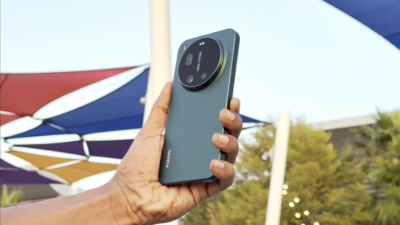
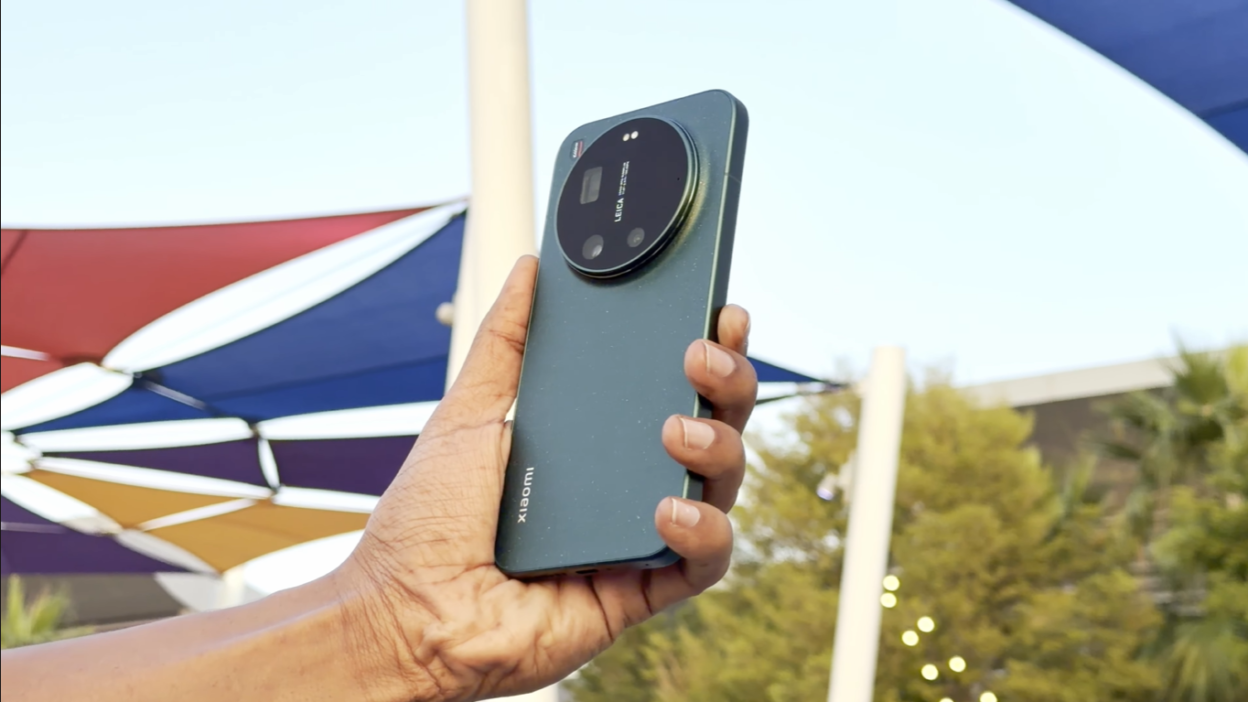
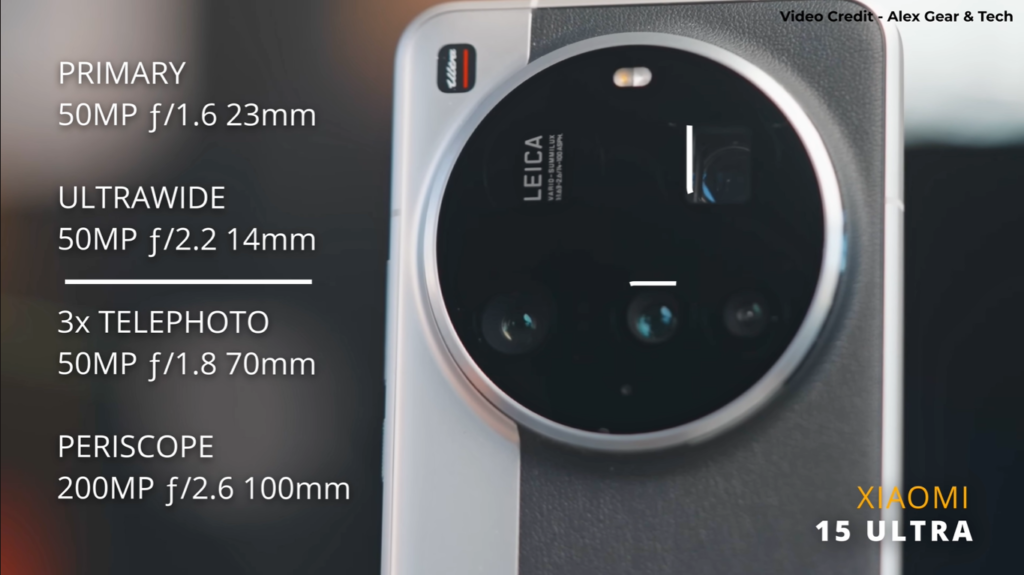
- Massive camera module (covers half the back)
- Leica aesthetic (iconic dot, dual-tone leather/glass)
- Rotatable camera ring (actual functionality)
- 1-inch camera sensor (industry-leading)
- Floating periscope lens (real optical zoom)
- People mistake it for a camera (not a phone)
The Problem: Your phone’s primary job is to be a phone. The Xiaomi 17 Ultra’s primary job is to be a camera.

Daily Life Compromises
The Camera Bump:
“The camera bump is huge – it covers almost half of the back.”
Real-World Impact:
- Wobbles on flat surfaces – can’t use it properly on a desk
- Doesn’t fit in pockets comfortably – that bump protrudes significantly
- Cases look ridiculous – need specialized cases to accommodate the bump
- Table texting impossible – phone rocks when typing
The Weight Distribution:
With that massive camera module, the phone is top-heavy:
- Uncomfortable to hold for extended periods
- Awkward one-handed use
- Feels unbalanced in hand
- Heavier than standard flagships
People Asking “What Camera Is That?”
The reviewer shares:
“When I was using the phone outdoors, people came up to me to ask which camera is this.”
Sounds Cool, But:
- Constant explanations get old fast
- Looks unprofessional in business settings
- Attracts unwanted attention
- Makes you a theft target
The “6.9-inch Display” Problem
Bigger Isn’t Always Better:
The Xiaomi 17 Ultra increased from Xiaomi 15 Ultra’s size to 6.9 inches.

Reviewer’s Note:
“The second upgrade which not a lot of people might like is display size. The Xiaomi 17 Ultra now comes with a larger 6.9 in display. Nice number.”
Why This Matters:
- Too large for one-handed use – forget pocketing and using easily
- Requires two hands for most operations
- Pocketability suffers – especially with that camera bump
- Larger than most people want – 6.5-6.7″ is the sweet spot
For Context:
- iPhone 16 Pro Max: 6.9″
- Samsung S25 Ultra: 6.8″
- Most people prefer: 6.5-6.7″
Larger display = larger phone = less portable = defeats “pocket camera” positioning
The Thermal Issue (Cameras Get Hot)
The Honest Assessment:
“I remember on the new year, I clicked photos with it for 15 to 20 minutes, and the phone did get hotter than normal. And remember, Delhi is currently 9 to 10°. Nothing hits here.”
Let’s Break This Down:
- 15-20 minutes of photos = phone got hot
- In 9-10°C weather (freezing cold!)
- Couldn’t replicate (unreliable thermal performance)
What This Means:
- Extended photo sessions heat the phone
- Video recording likely worse
- Summer use in India (45°C)? Forget it
- Thermal throttling during camera use
Gaming Was Fine, Cameras Weren’t:
Gaming (intensive processor load): 27-30°C
Photography (camera sensors): Noticeably hot
Translation: The camera hardware generates more heat than the processor during extended use.
Reason #3: The Software is a Mess (And Not Even the “Good” Kind of Mess)
HyperOS 3: “Did the Job” Tier
Context: In their recent smartphone UI ranking video, they gave HyperOS “did the job tier” – not good, not bad, just… exists.
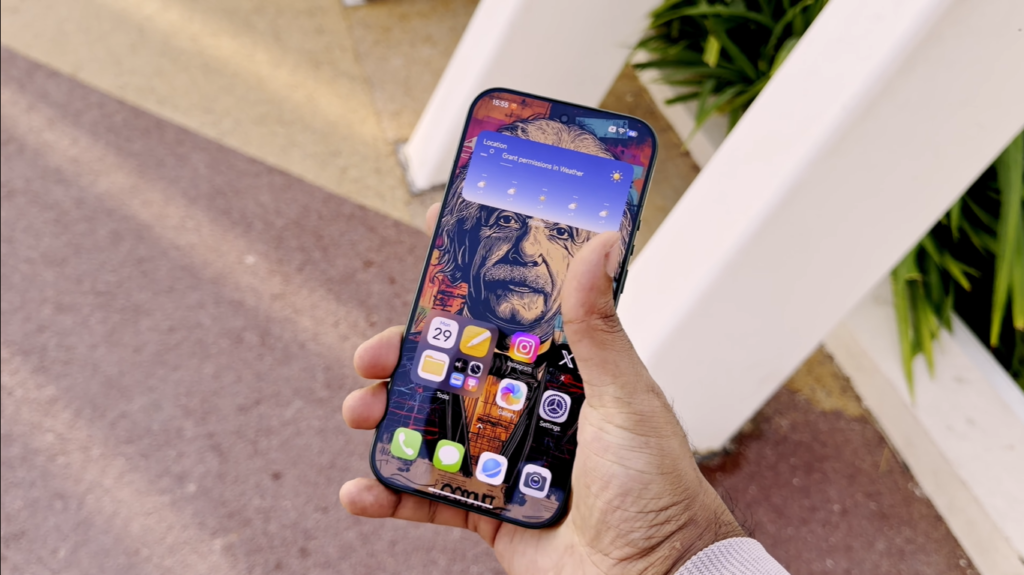
The iPhone Copycat Problem
Side-by-Side with iPhone 17 Pro:
The reviewer notes:
“The search behavior, the control center icons, in fact, even the texts, everything is a literal copy of the iPhone.”
What They Copied:
- Control Center design
- Search behavior
- Icon styling
- Font choices
- Layout structure
- Interaction patterns
The Problem:
- Not just “inspired by” – literal copy
- No innovation in software
- Feels like cheap knockoff
- iOS muscle memory confused (similar but not same)
Xiaomi’s Software Identity Crisis:
Hardware: Boldly experimental (camera ring, floating lens, Leica design)
Software: Shameless iPhone clone
It’s like buying a Ferrari body with a Toyota’s interior design philosophy.
No New Features in HyperOS 3
The Honest Take:
“If you keep all of that aside, there are not a lot of new features to talk in Hyper OS 3.”
What’s Missing:
- No killer features
- No unique selling points
- No innovation beyond iOS copying
- Just Android 16 with Xiaomi skin
For ₹1.4 Lakhs, You Expect:
- Innovative software features
- Unique capabilities
- AI integration beyond basics
- Something that justifies premium pricing
What You Get:
- Bloatware (Chinese unit)
- iOS copycat interface
- “Did the job” tier experience
The Chinese Unit Problem
If You Import:
“This Xiaomi 15 Ultra we have is a European unit and I have daily driven it. Everything works pretty much fine but do remember if you import these devices there is no warranty on them.”
Challenges:
- No Google Services pre-installed (can install from Xiaomi store though)
- Bloatware galore (Chinese apps you can’t read)
- No warranty if imported
- Language barriers in settings
- UPI works (tested), but other apps may not
India Launch Uncertainty:
“The Ultra is rumored to come in India.”
Translation: Not confirmed. You might have to import, losing warranty and dealing with software issues.
When India Launch Happens (If It Happens)
Likely Changes:
- Google Services pre-installed
- Reduced bloatware (maybe)
- India-specific features (UPI integration confirmed working)
- But HyperOS will still be HyperOS – “did the job” tier
Reason #4: You’re Paying for Features You’ll NEVER Use
The Rotatable Camera Ring: Cool Gimmick or Useful Tool?
How It Works:
“Inside the ring, you get 20 tiny magnets and some sensors. The sensor tells the camera that the ring is turned right side, you need to zoom out, or if it is turned left side, you need to zoom in.”
Functionality:
- Quick left-right flick: Opens camera app
- Rotate in photo mode: Zoom in/out
- Adjust ISO, focus, exposure in pro mode
- Customizable per mode
Sounds Amazing, Right?
The Problem:
“Now, one problem is your hand almost always touches the ring. And sometimes in video, I have accidentally increased the exposure. I came with brighter videos without noticing that it was me who did it on accident.”
Real-World Issues:
- Accidental inputs constantly
- Hand naturally rests on ring
- Ruins videos without noticing
- Need to consciously avoid touching it
The Solution?
“You can turn it off in the settings.”
Translation: The headline feature is so annoying that users will disable it. You’re paying ₹20,000 extra (Leica Edition) for a feature you’ll turn off within a week.
Xiaomi’s Own Uncertainty:
“I believe the camera ring is very experimental. You might see it or might not see it next year.”
Even Xiaomi isn’t confident this will continue. It’s an experiment you’re paying premium for.
The 1-inch Sensor: Overkill for Most Users
What You Get:
- 1-inch camera sensor (largest in smartphone)
- Exceptional low-light performance
- DSLR-like depth of field
- Incredible detail
Who Actually Needs This:
- Professional photographers
- Content creators making money from photos
- Photography enthusiasts
- People who understand photography terminology
Who Doesn’t Need This (95% of Buyers):
- Instagram users
- Social media scrollers
- Casual photographers
- People who take photos at parties
Reality Check:
- Vivo X300 Pro has 0.9-inch sensor → 99% of users can’t tell difference
- iPhone 16 Pro has much smaller sensor → still takes amazing photos
- Software processing matters more than sensor size for casual use
You’re paying ₹50,000 extra for that extra 0.1-0.2 inches of sensor that you’ll never actually utilize unless you shoot in RAW and edit professionally.
The Floating Periscope Lens: Future Tech, Present Overkill
The Innovation:
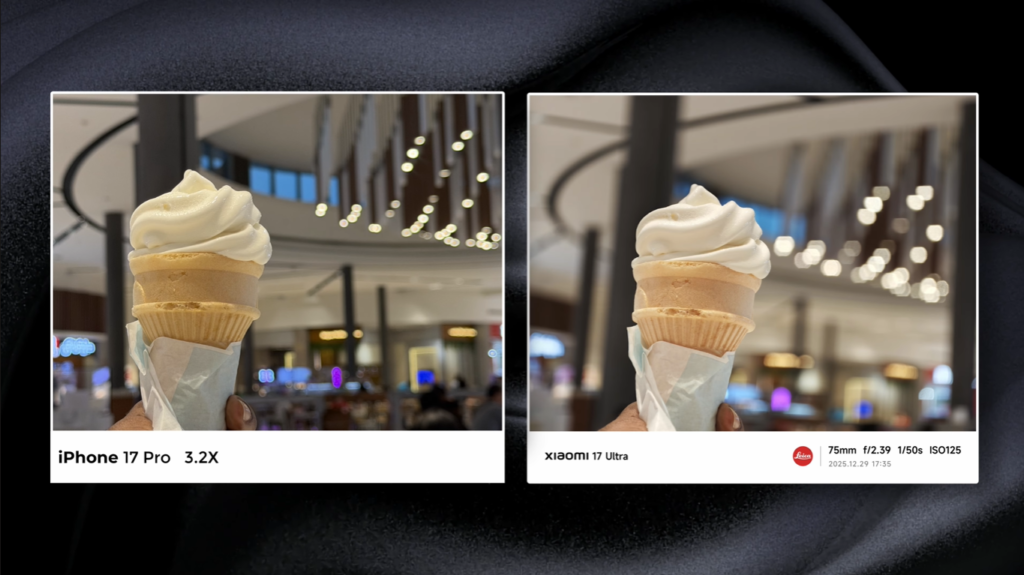
“Inside this telephoto camera, there are multiple glass lenses. So when you zoom from 75 mm to 100 mm, the lenses inside the camera actually move just like a DSLR zoom lens.”
What This Achieves:
- True optical zoom (75-100mm)
- No quality loss during zoom
- Uses full 200MP sensor at all zoom levels
- Physically moves lenses like DSLR
The Problem:
- Most people zoom 2x-3x for portraits
- Rarely use 5x zoom, let alone 10x+
- Adds complexity = more points of failure
- Increases cost significantly
Honest Assessment:
“What they did with the actual floating lens inside the 200 megapixel periscope, that would be the future of smartphone cameras.”
Translation: You’re paying to be a beta tester for future technology. In 3 years, this will be standard. You’re paying the “early adopter tax.”
1920fps Super Slow-Mo: Party Trick
What It Does:
- Record at 1080p 1920fps
- Insanely slow motion
- Looks amazing
The Reality:
“It’s not continuous 1920 recording. It’s just 10 seconds recording and then you pray to God that you get the shot accurate.”
Usage Scenario:
- Month 1: “Wow, this is cool!” (use it 10 times)
- Month 2: Used it twice
- Month 3-12: Never used again
You’re paying ₹10,000+ for a feature you’ll use 12 times in the phone’s lifetime.
8K 30fps Video: Storage Killer
Capability: 8K 30fps video recording
The Problems:
- 1 minute of 8K = 1GB+ storage
- Who watches 8K content? (Almost nobody has 8K TV)
- Heats up the phone
- Drains battery rapidly
- Can’t share on most platforms (downscaled anyway)
Reality:
- 4K 60fps is more practical
- 1080p 60fps is what most people actually use
- 8K is marketing spec, not practical feature
Reason #5: Better Alternatives Exist (For Less Money)
The “Three Types of Flagships” Problem
The Reviewer’s Framework:
“There are basically three types of flagships coming out now in the market.”
Type 1: Safe Flagships (Apple, Samsung, Google)
- Stick to proven formula
- Minor yearly upgrades
- Zero risk, zero experiment
- Reliable but boring
Type 2: Hardware Upgrade Flagships (Vivo, Oppo)
- Massive hardware improvements
- Balanced approach
- Innovation without going crazy
- Best overall value
Type 3: Experimental Flagships (Xiaomi)
- Completely crazy experiments
- Hit or miss features
- Camera obsession
- High risk, high cost
Better Camera-Focused Alternatives
1. Vivo X300 Pro (~₹90,000)
Advantages Over Xiaomi 17 Ultra:
- ₹50,000 CHEAPER
- Zeiss optics (equal reputation to Leica)
- More balanced overall phone
- Better software (Funtouch OS better than HyperOS)
- Established service network in India
- Better resale value
Camera Comparison:
- Main sensor: Nearly as good (0.9″ vs 1″)
- Telephoto: Excellent Zeiss optics
- Overall experience: 90% of Xiaomi at 60% of price
Who Should Choose This:
- Photography enthusiasts on budget
- People who want great cameras AND great overall phone
- Value-conscious buyers
- Anyone not obsessed with having absolute latest tech
2. Oppo Find X9 Pro (~₹95,000)
Advantages:
- Hasselblad partnership
- Superior software (ColorOS)
- Better display
- More refined overall package
- Better service network
- Higher build quality perception
Camera Performance:
- Excellent main camera
- Great telephoto system
- Hasselblad color science (preferred by many over Leica)
- Practical camera features over experimental ones
3. Samsung Galaxy S25 Ultra (~₹1,30,000)
Why Consider:
- Complete package (S Pen, great cameras, software, service)
- Better software (One UI > HyperOS)
- 7 years of updates guaranteed
- Best service network in India
- Highest resale value (after iPhone)
- Integrated ecosystem
Camera Reality:
- Not as good as Xiaomi 17 Ultra’s camera
- But 200MP sensor with good processing
- More than adequate for 99% of users
- Better overall smartphone experience
4. iPhone 16 Pro Max (~₹1,45,000)
The Complete Package:
- Ecosystem integration
- Best software updates (6+ years)
- Highest resale value
- Best service network
- ProRAW for photography enthusiasts
Camera Honesty:
- Smaller sensors than Xiaomi
- But incredible computational photography
- Best video in the business
- Most consistent results
Who Should Choose This:
- Anyone in Apple ecosystem
- People who value software/ecosystem over raw specs
- Best long-term value despite higher upfront cost
The “Balanced Flagship” Sweet Spot
The Reviewer’s Verdict:
“I feel if you want the most balanced smartphone camera, there’s Vivo X300 Pro or Oppo FindX 9 Pro. But if you want to have fun with smartphone cameras, if you like those artistic painting style photos, Xiaomi 17 Ultra is for you.”
Translation:
Vivo/Oppo = SMART Choice
- Balanced cameras + great overall phone
- ₹50,000 savings
- 90% of camera quality
- Better software, service, resale
Xiaomi = ENTHUSIAST Choice
- Peak camera experience
- Experimental features
- Premium price
- Compromised overall phone experience
For 95% of Buyers: Vivo X300 Pro or Oppo Find X9 Pro are objectively better purchases.
For 5% of Buyers: Xiaomi 17 Ultra makes sense if you’re a photography enthusiast willing to pay the premium for that last 10% of camera performance.
Who Should (And Shouldn’t) Buy the Xiaomi 17 Ultra
DON’T Buy If:
You’re Budget-Conscious: ₹1.4 lakhs is insane money. Vivo/Oppo give you 90% of the experience at 60% of the price.
You Value Overall Phone Experience: This is a camera first, phone second. If you need a great all-around flagship, look elsewhere.
You Care About Software: HyperOS is “did the job” tier. If software matters, get iPhone or Samsung.
You Want Good Resale Value: Xiaomi phones depreciate rapidly. You’ll lose 50% value in a year.
You Need Reliability: Experimental features = potential issues. Thermal problems already noted.
You’re in India (And It Hasn’t Launched Yet): Importing = no warranty, software issues, uncertainty.
You Take Mostly Casual Photos: That 1-inch sensor is overkill. Instagram doesn’t care about your sensor size.
You Want Balanced Size/Weight: 6.9″ display + massive camera bump = not pocketable.
Maybe Buy If:
You’re a Photography Enthusiast: If you understand f-stops, ISO, and RAW photography, this camera will sing for you.
You Love Leica Aesthetic: That design is gorgeous. The Leica Edition is a statement piece.
Money Isn’t a Concern: If ₹1.4 lakhs is disposable income, go for it for the experience.
You Want Absolute Peak Camera: If you MUST have the best smartphone camera regardless of cost, this is it.
You’re a Content Creator: If photography is your profession and this helps you make money, it’s a tool investment.
You Love Experimental Tech: If you enjoy being an early adopter of cutting-edge tech, this is exciting.
You Switch Phones Annually: Depreciation doesn’t matter if you upgrade every year anyway.
Definitely Buy If (Very Narrow Use Case):
You’re ALL of These:
- Professional photographer/content creator
- Camera quality is priority #1 (phone features secondary)
- Willing to pay premium for peak performance
- Understand and will use pro camera features
- Not concerned about resale value
- Can afford ₹1.4 lakhs comfortably
- Have another phone for daily driver
- Excited by experimental technology
If you’re NOT all of these, buy Vivo X300 Pro or Oppo Find X9 Pro instead.
The Final Verdict: Peak Camera, Compromised Phone
The Honest Summary
The Xiaomi 17 Ultra represents the peak of smartphone camera technology in 2026. The 1-inch sensor, floating periscope lens, rotatable camera ring, and Leica partnership create a camera experience unmatched by any other smartphone.
But here’s the brutal truth:
For ₹1.4 Lakhs:
- ✅ You get the best smartphone camera ever made
- ❌ You get a compromised overall phone experience
- ❌ You get “did the job” tier software
- ❌ You get experimental features you’ll disable
- ❌ You get terrible resale value
- ❌ You get thermal issues during extended camera use
- ❌ You get a phone that’s awkward to use as a phone
The Math:
- Camera experience: 100/100
- Phone experience: 70/100
- Software: 65/100
- Value for money: 50/100
- Overall: 71/100
Compare to Vivo X300 Pro:
- Camera experience: 90/100
- Phone experience: 90/100
- Software: 80/100
- Value for money: 95/100
- Overall: 89/100
The Three Flagship Categories (And Where You Should Buy From)
The Reviewer’s Prediction:
“I feel going forward in 2026, people will start buying flagships from Vivo, OPPO or Xiaomi.”
But here’s the twist: They mean Vivo and Oppo, not Xiaomi.
Why?
Vivo & Oppo = Smart Innovation
- Massive camera upgrades
- Balanced overall experience
- Better pricing
- Less experimental (more reliable)
Xiaomi = Experimental Gamble
- Peak camera specs
- Compromised overall
- Premium pricing
- Hit or miss features
Apple/Samsung/Google = Safe but Boring
- Same formula yearly
- Reliable but uninspired
- Overpriced for specs
- Ecosystem lock-in
The Question You Should Ask
“Do I need a camera that makes phone calls, or a phone with a great camera?”
If you answered “phone with great camera”: Buy Vivo X300 Pro or Oppo Find X9 Pro
If you answered “camera that makes phone calls”: Xiaomi 17 Ultra is for you
For 95% of people, the answer is the former.
Alternatives Recommendation Summary
| Phone | Price | Camera Rating | Overall Experience | Best For |
|---|---|---|---|---|
| Xiaomi 17 Ultra | ₹1.4L | 10/10 | 7/10 | Photography enthusiasts only |
| Vivo X300 Pro | ₹90k | 9/10 | 9/10 | BEST OVERALL CHOICE |
| Oppo Find X9 Pro | ₹95k | 9/10 | 9/10 | Great balanced flagship |
| Samsung S25 Ultra | ₹1.3L | 8/10 | 9/10 | Best ecosystem + service |
| iPhone 16 Pro Max | ₹1.45L | 8.5/10 | 10/10 | Apple ecosystem users |
Final Thoughts: Innovation Doesn’t Mean Right Purchase
The Xiaomi 17 Ultra is an engineering marvel. It pushes boundaries, experiments boldly, and delivers a camera experience unmatched by any smartphone.
But engineering marvels don’t always make practical purchases.
At ₹1.4 lakhs, you deserve a complete flagship experience – not just a camera with phone features attached. The thermal issues, software mediocrity, experimental features you’ll disable, massive size, and terrible resale value make this a difficult recommendation for anyone except the most hardcore photography enthusiasts.
The Smart Money in 2026:
- Vivo X300 Pro for best value camera flagship
- Oppo Find X9 Pro for balanced premium experience
- Samsung S25 Ultra if you need complete package + service
- iPhone 16 Pro Max if you’re in Apple ecosystem
The Enthusiast Money:
- Xiaomi 17 Ultra Leica Edition if you’re a photography professional who understands and will use every feature this offers
The Honest Take:
This is a camera that makes phone calls. If that’s what you want, brilliant. But for ₹1.4 lakhs, most people want a phone that takes amazing photos – and for that, Vivo and Oppo deliver better overall value.
Choose wisely. Your wallet will thank you.
What do you think? Would you buy the Xiaomi 17 Ultra at ₹1.4 lakhs, or go with Vivo X300 Pro/Oppo Find X9 Pro? Let us know in the comments!