The 2026 Chery Tiggo 4 Hybrid hit the Australian market with one headline-grabbing claim: it’s the cheapest hybrid SUV in the country, with prices starting around $30,000 drive-away. That sounds compelling—especially in a market where hybrid technology typically carries a premium.
But after spending extensive time with this SUV in real-world driving, it’s clear that price is the Tiggo 4 Hybrid’s strongest selling point—and often the only one.
If you’re considering this vehicle, here are the top five reasons you might want to think twice before buying.
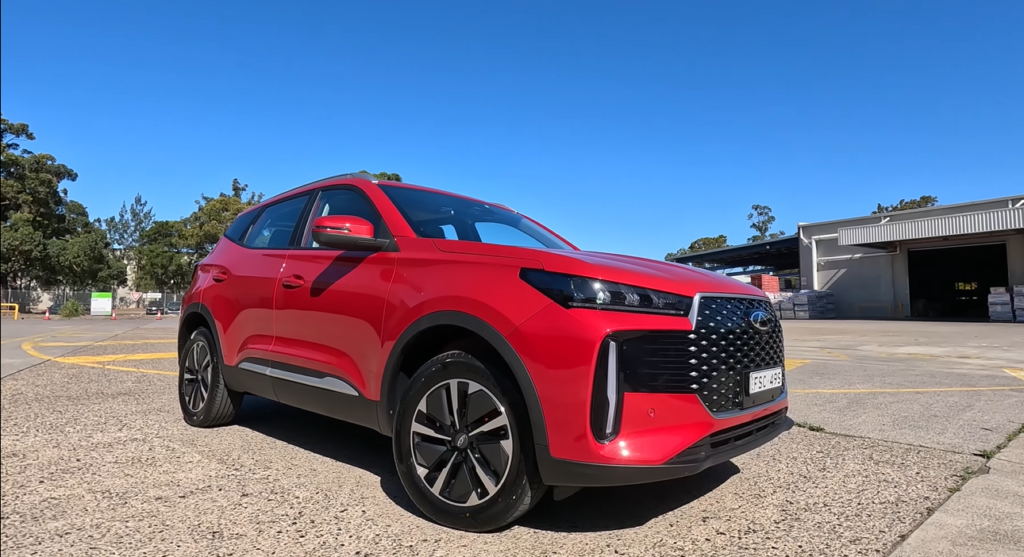
1. Poor Build Quality and Interior Fit & Finish
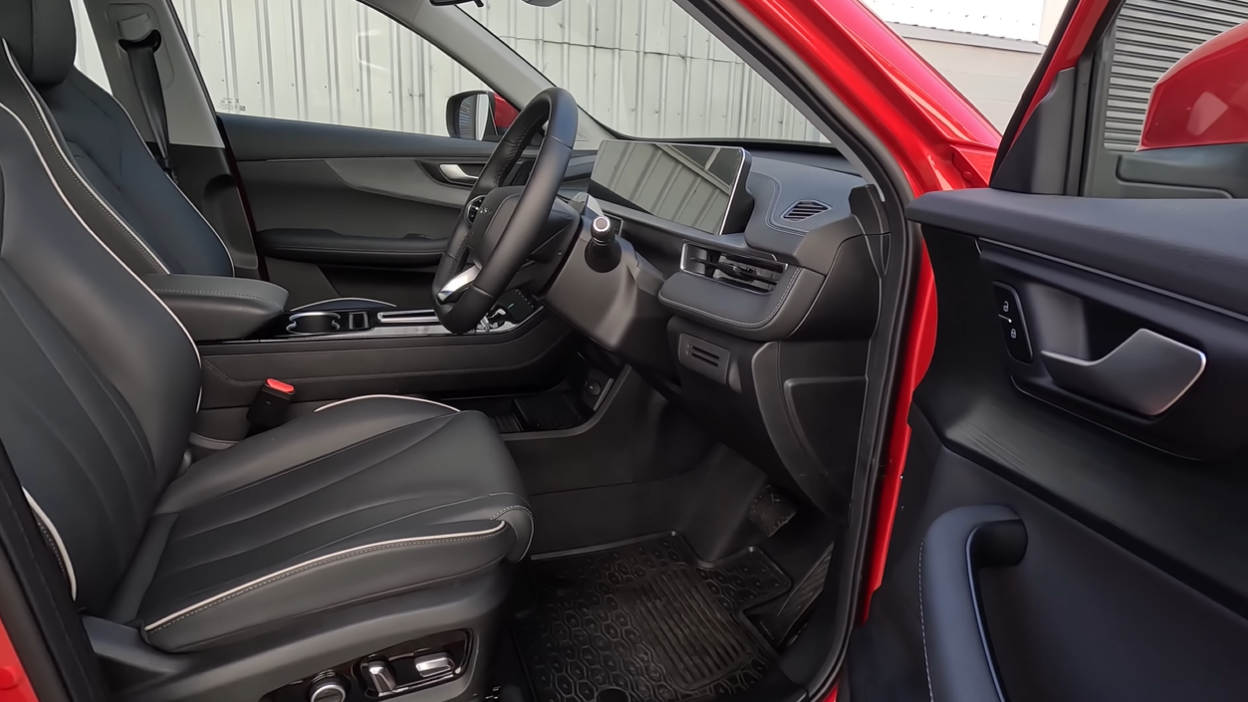
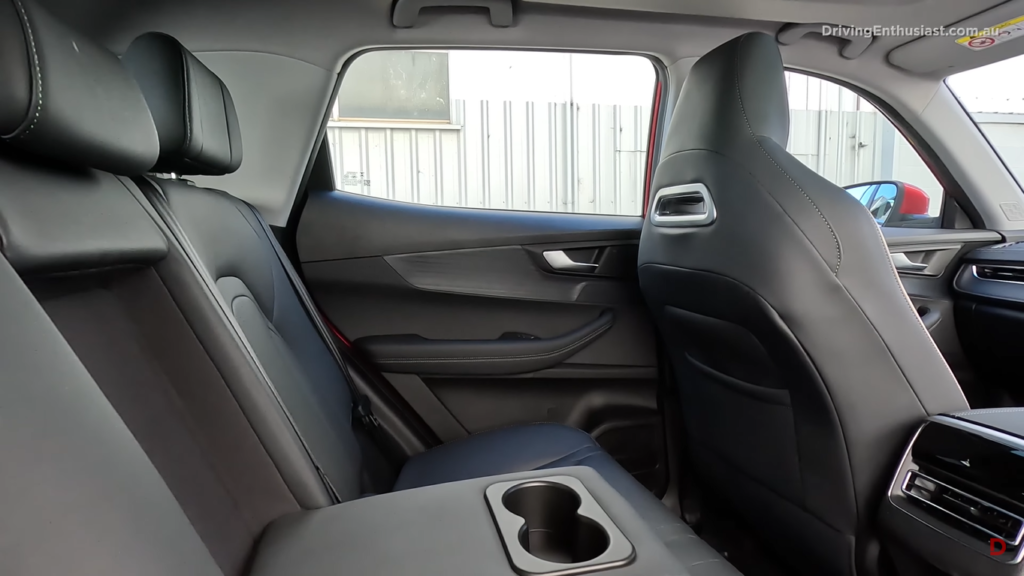
One of the starkest issues with the Tiggo 4 Hybrid is its interior quality.
What Goes Wrong
From the moment you step inside, the cabin feels inconsistent:
- Panels squeak and rattle over bumps
- Hard plastics dominate high-touch areas
- Multiple interior pieces don’t sit flush
- Cheap trim looks like entry-level, budget vehicles
Everyday Impact
These aren’t minor complaints that show up after years of use. They are present immediately, even on brand-new vehicles.
Imagine:
- Your armrest rubbing against the seat with every pothole
- Door panels making noise every time you close them
- Dashboard pieces creating rattles during normal driving
For a vehicle marketed with hybrid sophistication, this level of build quality feels out of place, especially when competitors deliver noticeably better refinement at similar prices.
2. Handling, Steering, and Safety Feel Subpar
A good SUV should handle predictably, feel confident through corners, and inspire trust during evasive actions. The Tiggo 4 Hybrid fails in all three.
Steering Feel
The steering lacks:
- Feedback
- Precision
- Any sense of connection with the road
It feels as though the wheel is controlling a virtual object rather than a physical vehicle—a sensation far removed from what experienced drivers expect.
Body Control and Cornering
- Excessive body roll in turns
- Rear end feels unsettled
- Poor traction response from the budget tyres
This is not just uncomfortable—it’s a real safety concern. When sudden manoeuvres are required, the Tiggo 4 Hybrid’s vague handling can undermine driver confidence.
3. Budget Tyres Destroy Ride Quality and Grip
Even modest driving expectations fall short due to the choice of tyres.
The Problem
The Tiggo 4 Hybrid ships with unknown-brand “Saloon E-Range” tyres that suffer from:
- Excessive road noise
- Poor grip in wet conditions
- Noticeable flex under lateral loads
- High rolling resistance
Why This Matters
Tyres are the only point of contact between your vehicle and the road. Cheap rubber doesn’t just reduce comfort—it compromises safety and fuel economy.
You can upgrade them, but the fact remains: you should never have to budget for essential safety equipment on a brand-new car that is marketed as capable and reliable.
4. Confusing and Poorly Executed Interior Controls
In theory, a well-designed cabin should feel intuitive and predictable. Unfortunately, the Tiggo 4 Hybrid’s interior control logic feels disjointed.
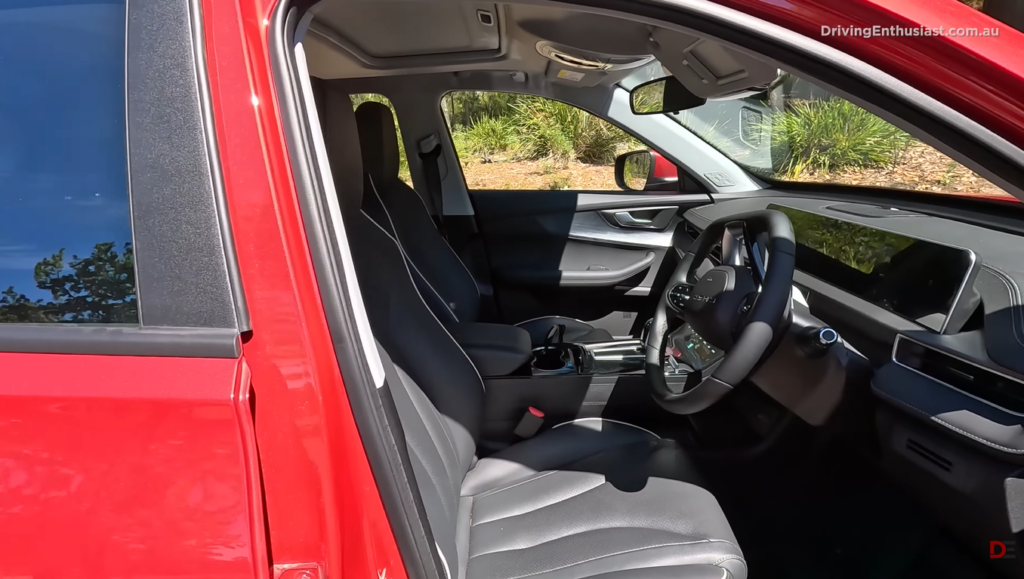
Key Issues
- Climate controls split across physical buttons, touchscreen menus, and an unrelated display
- Drivers must switch interfaces to adjust simple functions
- Infotainment usability feels inconsistent
Real-World Frustration
This isn’t just aesthetic. Poorly designed controls:
- Increase distraction
- Make routine tasks (like adjusting temperature) unnecessarily complicated
- Reduce overall driver satisfaction
For many drivers, this creates ongoing irritation rather than convenience.
5. Real-World Fuel Economy Isn’t Class-Leading
One of the main reasons people buy a hybrid vehicle is for fuel savings. But the Tiggo 4 Hybrid doesn’t deliver the efficiency you might expect from hybrid tech.
Our Findings
In actual driving, the Tiggo 4 Hybrid averaged around 6.2 L/100 km—respectable, but not remarkable.
Segment Comparison
To put this in perspective:
- Toyota Corolla Cross Hybrid: Mid-4 L/100 km
- Honda HR-V e:HEV: Approx 5.0 L/100 km
- MG ZS Hybrid+: Mid-5s L/100 km
For a car marketed as a hybrid with fuel efficiency benefits, this result is underwhelming.
If you truly want to benefit from hybrid fuel economy, there are better options at a similar or slightly higher price.
Bonus Reason: Driver Monitoring System Needs Tuning
Yes, the Tiggo 4 Hybrid includes driver monitoring hardware—but the software seems unpolished.
What Happens
- The system frequently triggers false alarms
- Wearing sunglasses or changing lighting conditions can set off warnings
- Systems must be disabled each time you start the car
This may seem minor, but it becomes a daily annoyance—far from a premium safety experience.
Who This Car Actually Suits
Despite the negatives, there are narrow use cases where the Tiggo 4 Hybrid makes sense:
Ideal for:
✔ First-time car buyers on a strict budget
✔ City commuters who prioritise quiet EV-mode driving
✔ Buyers who value interior space over refinement
✔ Owners willing to upgrade tyres immediately
Who Should Avoid This Car
Avoid the Tiggo 4 Hybrid if you care about:
🚫 Reliable build quality
🚫 Driving confidence and handling
🚫 Component refinement
🚫 True hybrid fuel efficiency
🚫 Long-term resale value
If these matter even a little, you’ll likely be disappointed with this vehicle.
Final Conclusion: Not What You Think
At a glance, the Chery Tiggo 4 Hybrid seems like a bargain.
But in reality:
- The build quality is unimpressive
- Handling and safety feel compromised
- Tyres and calibration reduce confidence
- Fuel economy isn’t best-in-class
- Interior design feels inconsistent and confusing
If you can stretch your budget by even a few thousand dollars, alternatives like the MG ZS Hybrid+, Toyota Corolla Cross Hybrid, Mazda CX-3, or Honda HR-V e:HEV deliver far better value, refinement, and overall ownership experience.
This is not a car to avoid at all costs—but it is a car you should only choose if price is the single most important criterion and you fully understand what you’re sacrificing.