Quick Verdict: The Nothing Phone 4b is a redesigned, cheaper sibling to the 4a — not an upgrade. You get a fresh look and a slightly bigger battery, but you lose the telephoto camera, step down to a weaker Snapdragon 6 Gen 4 chipset, and trade the signature Glyph Interface for a stripped-down 5-segment Glyph bar. If budget is tight, it’s a solid daily driver. If you can stretch further, the 4a remains the better buy.
Is the Nothing Phone 4b an upgrade over the Nothing Phone 4a?
Not really — it’s a repositioning. Despite the “4b” naming, this phone behaves more like a step down into Nothing’s budget CMF line than a successor to the 4a. It keeps the same 6.77-inch AMOLED screen size and general shape, but nearly every internal spec that matters — chipset, camera array, Glyph lighting — has been simplified to hit a lower price point.
Design and Build: What’s Different?
The 4b keeps the same screen size as the 4a but ships in an all-plastic unibody rather than a more premium build. The bezels are noticeably chunkier, and the frame isn’t perfectly symmetrical along the bottom edge. The matte black rear panel picks up fingerprint smudges quickly, so it needs regular wiping to stay clean.
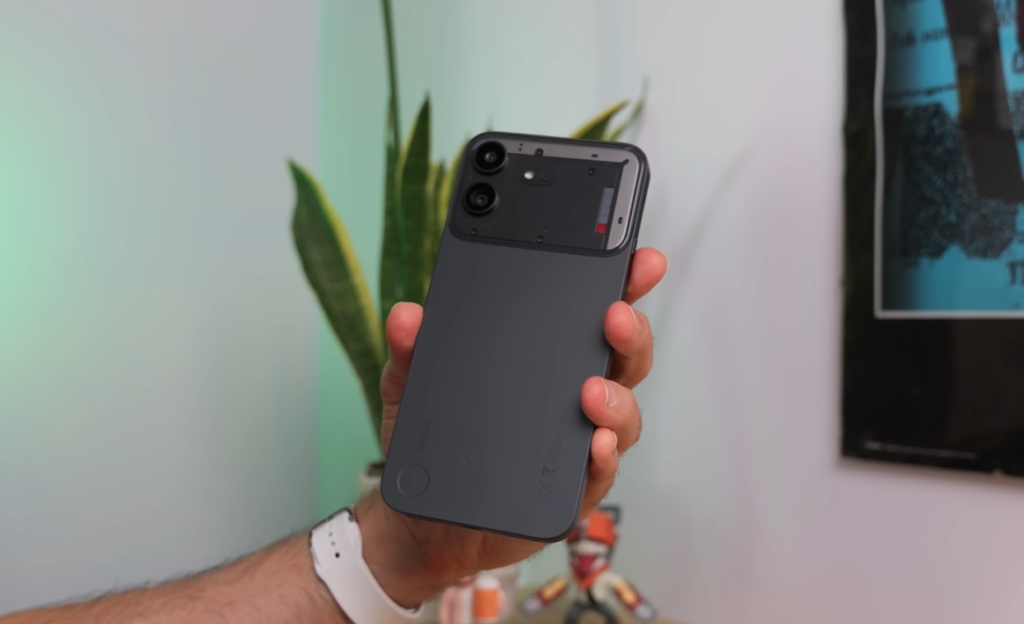
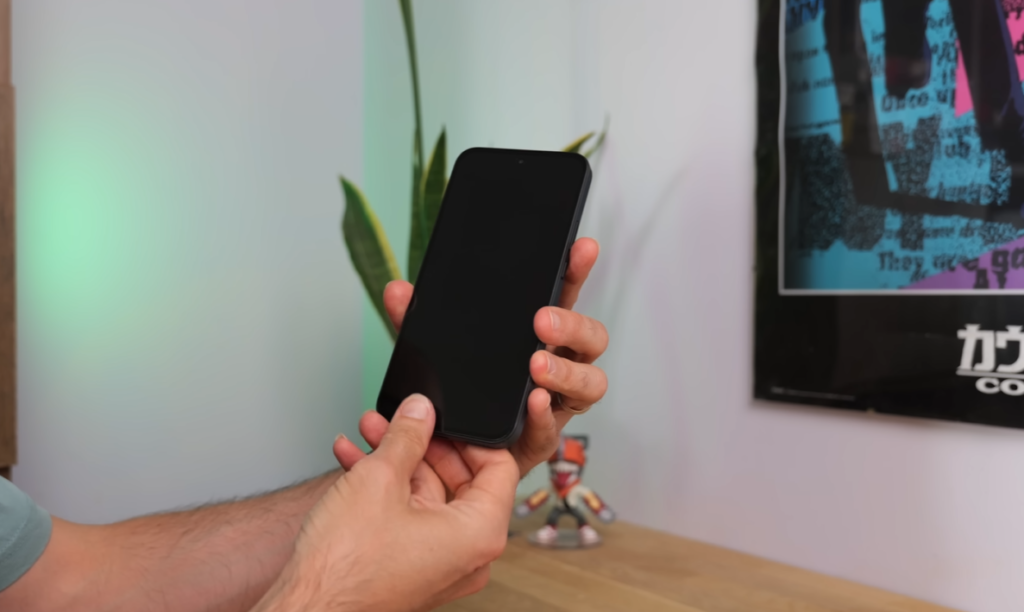
The transparent camera bump on the back is the one place where Nothing’s design language still shows through, giving the phone some visual identity despite its otherwise plain shell. The camera housing doesn’t protrude far, which keeps the phone pocket-friendly but also means it can’t double as a stand or “finger rest” the way some deeper camera bumps do. Combined with the phone’s large, slippery footprint, one-handed use takes some getting used to.
Durability-wise, it carries the same IP64 rating as the 4a — solid dust resistance, but only light splash protection rather than full submersion resistance.
Fingerprint Sensor, Face Unlock, and Software
Unlocking is handled by an optical in-display fingerprint sensor, positioned a bit lower on the screen than most users might expect but still reliable for everyday use. Face unlock is available as a backup option, which helps in situations like wet or greasy fingers where the optical sensor struggles.
Software runs Nothing OS 4.1 on top of Android 16. Nothing OS remains one of the cleaner, more customizable Android skins on the market, with the option to switch to a near-stock layout if you prefer minimal bloat. The Relaxation and Focus widgets are a nice touch for anyone trying to cut down on phone distractions.
Storage is capped at 128GB with no microSD expansion, so heavy app or photo/video users will want to manage space carefully — especially with the camera app itself accounting for a noticeable chunk of storage out of the box.
Connectivity: Any Issues?
This is one area worth flagging before you buy. During the review period, the phone briefly failed to connect to any mobile network and needed a reboot to resolve — a one-time issue that didn’t recur. More persistently, Wi-Fi connectivity was inconsistent: the connection occasionally dropped on weaker signals and, less predictably, even on strong ones, sometimes requiring a manual reconnect. Bluetooth performance, by contrast, was trouble-free throughout testing.
There’s no eSIM support, but you do get a dual physical SIM tray.
What Happened to the Glyph Interface?
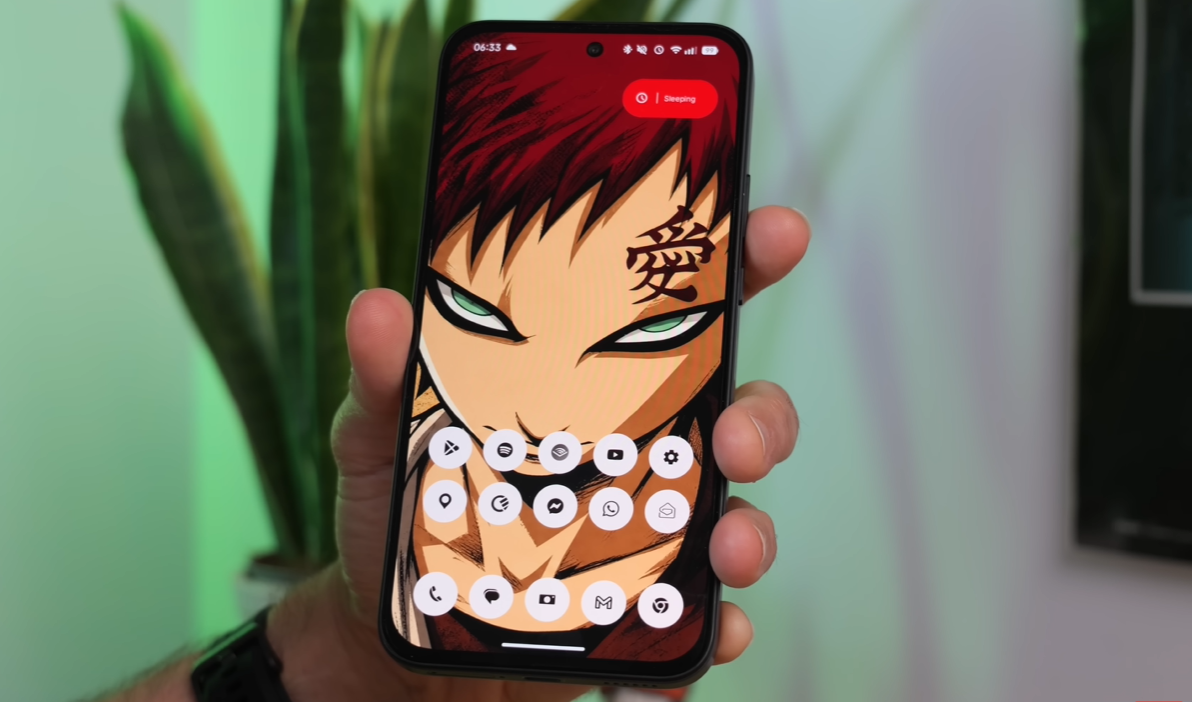
This is the biggest visual downgrade from the 4a. Nothing has replaced the more elaborate Glyph lighting system with a basic 5-segment Glyph bar at the top of the phone — fewer segments than the 4a’s 7-segment bar, and far less customizable than the Glyph Matrix found on the flagship Nothing Phone 4 series.
The core Glyph features are still present in a limited form:
- Flip to Glyph — placing the phone face-down still triggers a light flash for notifications, and you can configure which contacts or apps count as “essential” enough to break through.
- Glyph Timer — technically still functional, but with so few light segments, it’s harder to read a precise countdown, especially for longer timers.
If Glyph lighting was a major reason you liked the Nothing brand, this is the biggest compromise on the 4b.
Display and Audio Quality
The 6.77-inch AMOLED panel is nearly identical in size and specification to the one on the 4a. Colors run warm by default thanks to the “vivid” color profile being enabled out of the box, and viewing angles hold up well. Outdoor visibility is workable in daylight, though the screen isn’t the brightest in its class, and very dark content (like a dim movie scene) is harder to make out in direct sunlight. At the other end, the display could stand to dim further in pitch-dark rooms.
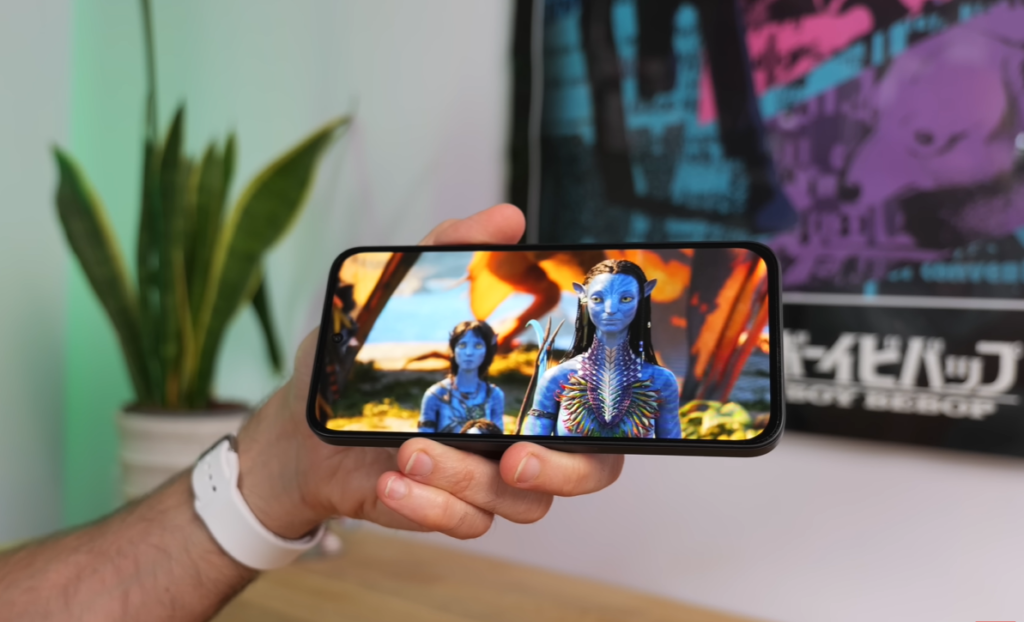
Audio comes from a “stereo-ish” setup — the top speaker doubles as the earpiece, so it’s noticeably weaker than the bottom-firing speaker. It’s fine for casual video or podcast listening but short on bass and overall loudness. There’s no headphone jack, so you’re reliant on Bluetooth audio, which performed reliably throughout testing.
Performance: Snapdragon 6 Gen 4 vs the 4a’s Snapdragon 7 Series
This is the clearest hardware downgrade. The 4a used a Snapdragon 7-series chipset; the 4b steps down to the Snapdragon 6 Gen 4, paired with 8GB of RAM.
For everyday tasks — messaging, browsing, social apps — performance holds up fine, with only occasional extra load times on heavier apps. The camera app opens quickly and switches between modes without noticeable lag.
Gaming is where the weaker chipset shows. In Wuthering Waves (one of the more demanding titles on Android) at balanced graphics settings, frame rates generally sat in the 20s to low 30s rather than a smooth 60 FPS, with visible slowdown during busy combat sequences. That said, the game remained playable, and less demanding titles like PUBG Mobile or Call of Duty Mobile should run comfortably. A basic gaming mode is included to help manage notifications and enable screen recording during play.
Battery Life and Charging
Battery capacity increases slightly over the 4a to 5,200mAh — smaller than some Chinese competitors now shipping 6,000–7,000mAh cells, but sufficient for a full day of typical use. In real-world testing, the phone consistently ended the day with roughly 20% battery remaining after 5–6 hours of screen-on time, including video calls and Android Auto use.
For gaming specifically, expect around 6 hours of continuous play on Wuthering Waves at default settings from a full charge. Wired charging is reasonably fast — roughly an hour to go from empty to full — but there’s no wireless charging support, which is common at this price tier.
Camera: What’s Missing from the 4a?
The Nothing Phone 4b drops one of the 4a’s three rear cameras — specifically the telephoto lens. What remains is:
- A 50MP main sensor with optical image stabilization
- An 8MP ultra-wide-angle lens
Photo quality in good lighting is strong for the price, with plenty of captured detail, though processing leans toward boosted shadows and brighter overall exposure — similar to the processing style seen on some iPhones. Shooting into strong light sources can produce noticeable flaring, and low-light shots show more grain and softer detail, as expected at this price point.

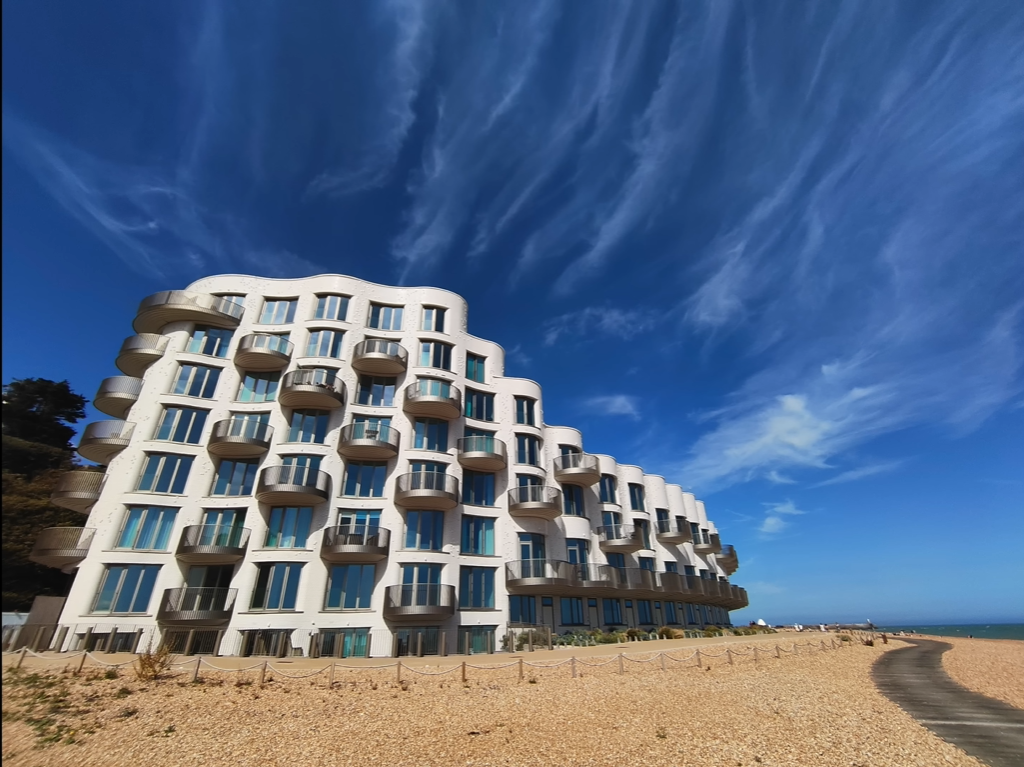
For moving subjects, a dedicated action/sports mode does a good job of minimizing motion blur when photographing kids, pets, or other fast-moving scenes — though the lack of a telephoto lens means you’ll need to physically get closer for tight framing that the 4a could achieve with optical zoom.
Video tops out at 4K/30fps, with 60fps only available at 1080p. HDR video is limited to 1080p as well. Stabilization while moving and shooting is solid, though audio can sound distorted in noisy environments with background music. The 16MP selfie camera is capped at 1080p video and is best suited to casual video calls rather than serious content creation.
Nothing Phone 4b vs Nothing Phone 4a: Quick Comparison
| Spec | Nothing Phone 4a | Nothing Phone 4b |
|---|---|---|
| Chipset | Snapdragon 7-series | Snapdragon 6 Gen 4 |
| Rear cameras | Triple (incl. telephoto) | Dual (no telephoto) |
| Glyph lighting | 7-segment bar | 5-segment bar |
| Battery | Slightly smaller | 5,200mAh |
| Build | More premium finish | All-plastic unibody |
| microSD support | No | No |
| Wireless charging | No | No |
Should You Buy the Nothing Phone 4b?
If your budget is firmly capped and you want Nothing’s design language and clean software at the lowest possible price, the 4b delivers a competent daily driver with solid battery life and surprisingly playable gaming performance for its tier. The main caveats are the inconsistent Wi-Fi connectivity observed during testing and the loss of the telephoto camera.
If you can stretch your budget even slightly, the Nothing Phone 4a remains the better all-round pick — a faster chipset, a third camera lens (especially useful for photographing kids and pets), and a more refined Glyph experience.
No. Unlike the Nothing Phone 4a, the 4b only includes a 50MP main sensor and an 8MP ultra-wide lens — the telephoto lens has been removed.
No, it’s a downgrade. The 4b uses a Snapdragon 6 Gen 4, while the 4a shipped with a Snapdragon 7-series chipset.
No, it charges via wired USB-C only, with no wireless charging support.
With a 5,200mAh battery, typical use resulted in around 5–6 hours of screen-on time with roughly 20% charge remaining by end of day.
Have you used the Nothing Phone 4b? Share your own experience with connectivity, camera quality, or battery life in the comments below.