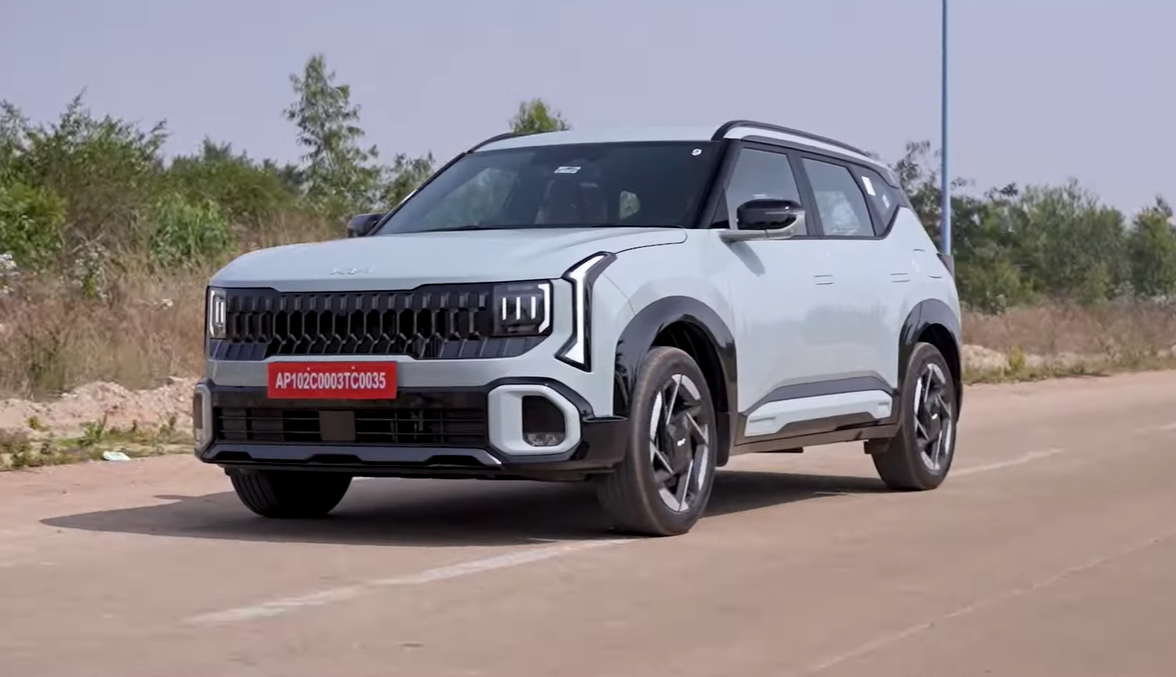
The Kia Seltos has been a game-changer in the Indian mid-size SUV segment since its launch, and now the all-new generation promises to build on that success with significant improvements. After an extensive test drive in Bangalore, we’ve compiled a comprehensive breakdown of what’s improved, what remains excellent, and where the new Seltos could have done better.
Whether you’re upgrading from the previous generation or shopping for your first mid-size SUV, this detailed analysis will help you understand if the all-new Kia Seltos is the right choice for your needs.
The Pros: What Makes the New Seltos Stand Out
1. New K3 Platform: Foundation for the Future
The most significant change in the all-new Seltos is the move from the older K2 platform to Kia’s advanced K3 platform. This isn’t just a marketing buzzword—it’s a fundamental upgrade that impacts every aspect of the vehicle.
Key Platform Benefits:
80mm Longer Wheelbase: The extended wheelbase translates directly into more interior space, particularly for rear passengers. This isn’t a marginal change—80mm is substantial enough to notice immediately when you sit in the back seat.
30mm Wider Body: The increased width improves stability, creates a more planted stance, and provides additional shoulder room inside the cabin. While 30mm might sound modest, it’s noticeable in daily use.
Overall Length Increase: The car is considerably longer than before, improving proportions and creating a more imposing road presence.
Enhanced Structural Rigidity: The K3 platform offers superior structural strength, which improves crash safety, reduces NVH (noise, vibration, and harshness), and creates a more solid feel on the road.
ADAS-Ready Architecture: Perhaps most importantly for future-proofing, the K3 platform is designed to accommodate advanced driver assistance systems. This means Kia can easily upgrade ADAS features in future updates or facelifts without requiring fundamental changes to the vehicle architecture.
Why This Matters: Platform changes are rare and expensive for manufacturers. The fact that Kia has invested in moving the Seltos to a more advanced platform signals their commitment to keeping it competitive for years to come. This also means the vehicle is better prepared for future safety regulations and technology requirements.
2. Improved Road Presence and Design Evolution
The all-new Seltos benefits significantly from the platform changes in terms of visual impact and design execution.
Wider, More Planted Stance: The 30mm width increase might not sound dramatic, but it fundamentally changes how the Seltos looks on the road. The car appears more stable, more confident, and more premium. The wider track also contributes to improved handling dynamics.
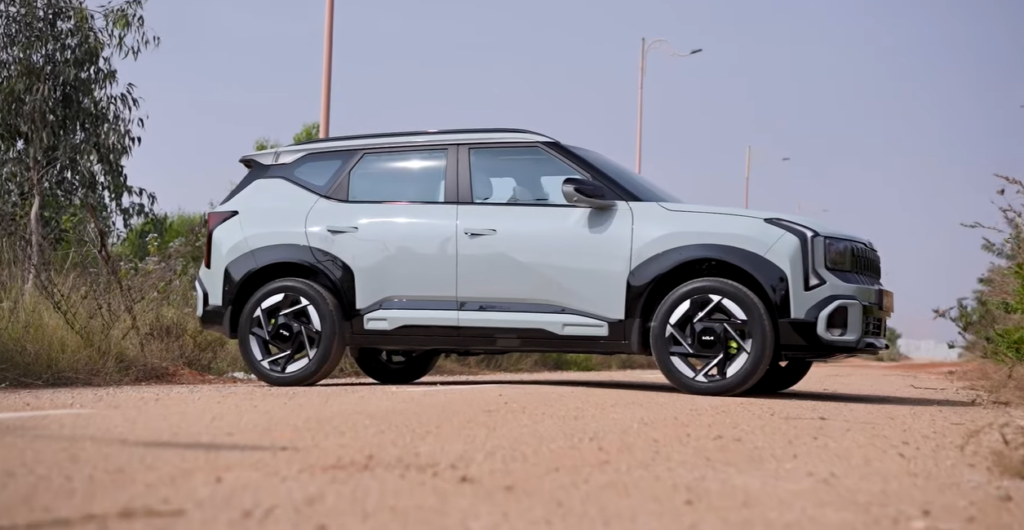
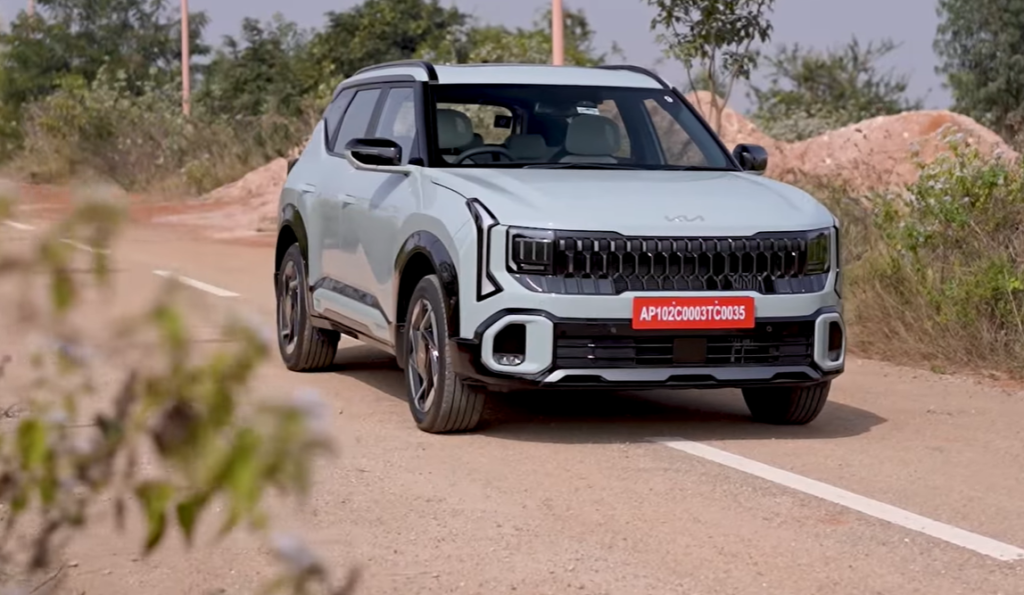
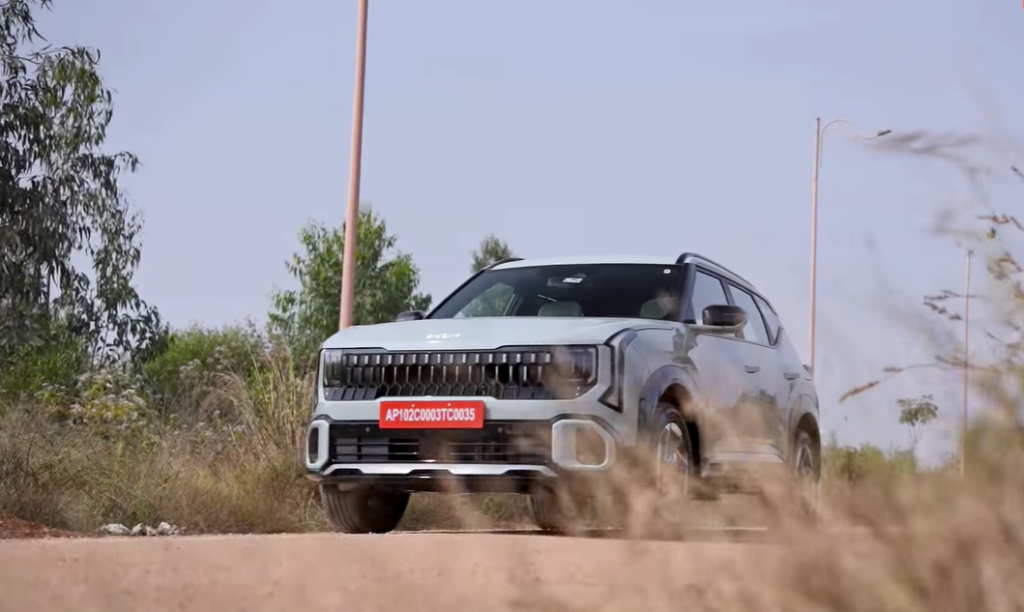
Modern Design Highlights:
- Flush Door Handles: These pop out elegantly when you unlock the car, adding a premium touch usually reserved for more expensive vehicles. They also improve aerodynamics and look distinctly modern.
- Hidden Rear Wiper: Integrated seamlessly into the rear spoiler, the hidden wiper maintains clean lines when not in use while remaining functional when needed.
- 18-Inch Alloy Wheels: Available on GT variants, these large wheels fill the wheel arches nicely and communicate performance intent. The design is contemporary and aggressive.
- Green Brake Calipers: On GT variants, the green calipers visible through the wheels add a sporty visual accent that enthusiasts will appreciate.
Important Context: While the Seltos has undoubtedly improved its road presence, it’s worth noting that some competitors like the Tata Sierra offer even more imposing dimensions. The Sierra comes with 19-inch wheels as standard and provides more interior space and a larger boot. The Seltos competes well in the mid-size SUV segment but sits slightly below the largest offerings in terms of overall size and presence.
That said, for many buyers, the Seltos hits the sweet spot—large enough to feel substantial without being unwieldy in city traffic or challenging to park.
3. Significantly Improved Interior Space
The 80mm wheelbase extension isn’t just a number on a spec sheet—it translates into genuinely useful additional space inside the cabin.
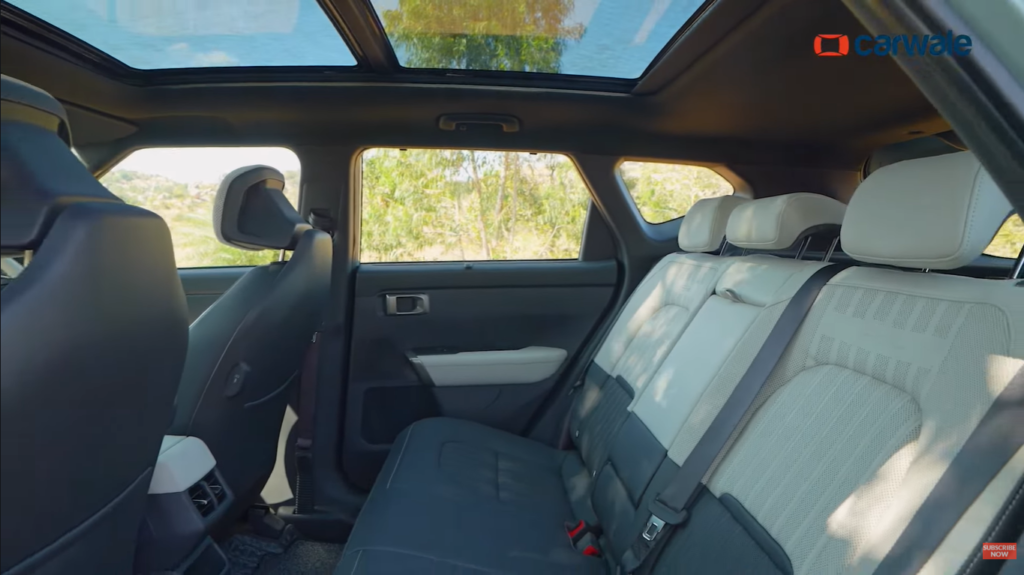
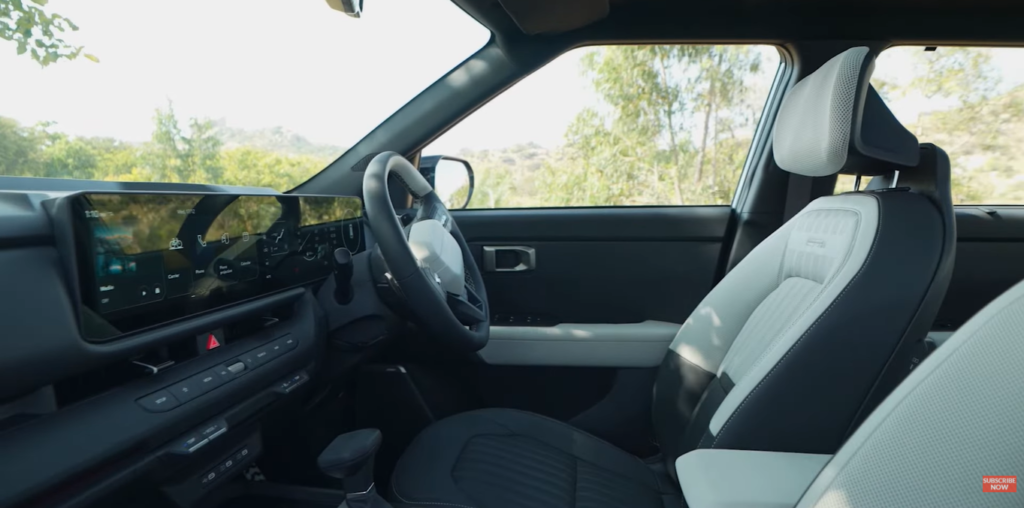
Rear Seat Transformation:
The rear seat experience in the new Seltos represents a substantial upgrade over the outgoing model. With the front seat adjusted for a typical driver, the knee room for rear passengers is immediately noticeable. Even tall passengers who felt cramped in the previous generation will find the new Seltos noticeably more comfortable.
Leg Room: The extended wheelbase provides genuinely useful additional leg room. This isn’t a marginal improvement that only shows up in measurements—it’s a real-world difference you’ll appreciate on every journey with rear passengers.
Knee Room: The improved knee room means rear passengers aren’t constantly pressing against the front seatbacks, allowing them to sit more comfortably for extended periods.
Headroom: Headroom remains generous, ensuring even taller passengers won’t feel their heads brushing the headliner. The roofline design maintains good clearance despite the SUV’s proportions.
Width Advantage: The 30mm width increase creates a less cramped feeling for three-across seating. While fitting three adults in the back remains a squeeze (as it is in all vehicles this size), the extra width makes it more tolerable for shorter journeys.
Front Seat Space: The improvements aren’t limited to the rear. Front seat passengers also benefit from the increased width and length, with more elbow room and a generally more spacious cabin feel.
Reality Check: While the interior space is improved and competitive within its segment, it’s not class-leading. Larger SUVs still offer more room. However, for a mid-size SUV that needs to balance interior space with exterior maneuverability, the new Seltos strikes an excellent compromise.
4. Generation-Leap Interior Technology and Features
Sitting in the driver’s seat of the new Seltos genuinely feels like stepping up a generation rather than just experiencing a mid-cycle refresh.
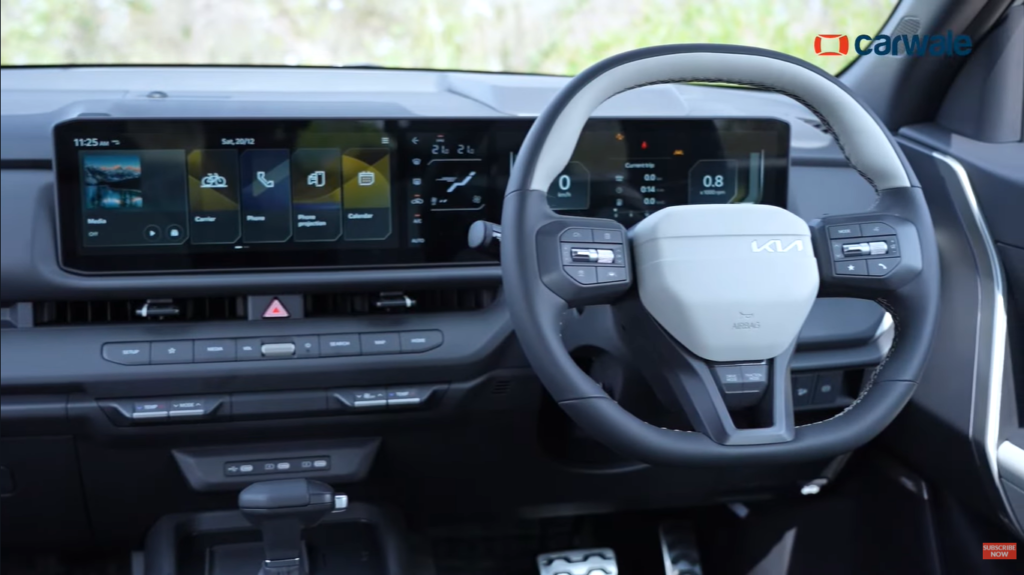
The Trinity Display:
The standout feature is the panoramic screen setup that spans the dashboard:
- 12.3-inch Infotainment Display: Crisp, responsive, and loaded with features including navigation, smartphone connectivity, and vehicle settings.
- 12.3-inch Digital Instrument Cluster: Fully configurable digital gauges that can display a wealth of information including navigation, media, trip computer data, and safety system status.
- 5-inch AC Control Display: A dedicated touchscreen for climate control keeps these frequently adjusted settings easily accessible without diving into menus.
Together, these three displays create an impressively modern and premium cabin ambiance that rivals vehicles costing significantly more.
Premium Touches:
64-Color Ambient Lighting: Customizable cabin lighting that lets you set the mood and adds a premium nighttime atmosphere. This isn’t just a single-color accent strip—it’s comprehensive lighting throughout the cabin.
Dual-Tone Interior Themes: New color schemes elevate the interior beyond the all-black cabins common in this segment. The contrast creates visual interest and a more upscale appearance.
10-Way Power Driver Seat: Electric adjustment with multiple controls allows you to find your perfect driving position. Features include:
- Power lumbar support for lower back comfort on long drives
- Relaxation function that adjusts the seat to a more comfortable position during breaks
- Memory function that stores your preferred settings
- ORVM (outside rear-view mirror) memory that also saves your mirror positions
- Welcome retract function that automatically moves the seat back when you turn off the car, making entry and exit easier
These features are typically found in premium sedans and luxury SUVs, not mainstream mid-size SUVs. Kia deserves credit for including them here.
5. Improved Ergonomics and Usability
Beyond just adding features, Kia has thoughtfully improved how you interact with the Seltos on a daily basis.
Relocated Drive and Traction Modes:
In the previous generation, drive mode and traction control selections were located on the center console—requiring you to look away from the road and reach down to make changes.
In the new Seltos, these controls are mounted on the steering wheel, allowing you to switch modes without taking your hands off the wheel or eyes off the road. This is a genuine usability improvement that makes the car more intuitive and safer to operate.
Ventilated Seat Controls:
The ventilated seat controls are now positioned alongside the memory functions on the driver’s door panel. This placement is far more intuitive than burying them in infotainment menus. You can quickly adjust ventilation without navigating screens or taking attention away from driving.
Improved USB Port Placement:
In the previous generation, rear USB ports were located on the center console near the AC vents. While functional, this placement meant cables dangled awkwardly.
The new Seltos relocates USB ports to the backs of the front seats. This seemingly small change makes a huge difference—passengers can charge devices without cables snaking across the cabin, and the ports are easier to access.
Larger Wireless Charging Pad:
The wireless charging pad has been significantly enlarged and redesigned. The previous generation’s wireless charger felt like an afterthought—small, difficult to position phones on, and prone to phones sliding around.
The new, larger pad accommodates modern smartphones easily and feels properly integrated rather than tacked on. For daily use, this improved design means you’ll actually use wireless charging rather than avoiding it in favor of cables.
6. Substantially Enhanced Safety Features
Safety represents one of the most significant upgrades in the new Seltos, with improvements for all buyers regardless of variant choice.
Upgraded ADAS (Advanced Driver Assistance Systems):
The previous Seltos offered Level 2 ADAS with 19 features. The new model upgrades to 21 features with two important additions:
Front Collision Avoidance Assist – Direct Oncoming: This system can detect vehicles approaching from the opposite direction and warn you or even brake automatically if a collision with an oncoming vehicle is imminent. This is particularly valuable in situations where you might not see an approaching vehicle when pulling out of a junction or overtaking.
Parking Collision Avoidance Assist – Reverse: When reversing, this system can detect obstacles behind you and automatically brake if you’re about to collide with something. This is especially useful in crowded parking lots where children, shopping carts, or other vehicles might be in your blind spots.
Dramatically Increased Standard Safety Features:
Perhaps more importantly for the average buyer, standard safety equipment across all variants has increased from 15 features to 24 features. The newly standardized features include:
- Child Locks: Basic but essential for families
- ISOFIX Rear Anchors: Proper mounting points for child seats
- Front Passenger Airbag On/Off Switch and Indicator: Allows safe use of child seats in the front when necessary
- Rear Occupant Alert: Warns you if you might have left passengers (especially children) in the rear seats
- Downhill Brake Control: Maintains controlled speed when descending steep inclines
- Rollover Sensor: Detects potential rollover situations and deploys safety systems accordingly
- Auto Light Control: Automatically turns headlights on/off based on ambient lighting
- Headlamp Escort Function: Keeps lights on briefly after you exit the car at night
- Rear View Camera with Dynamic Guidelines: Shows your reversing path with lines that adjust based on steering angle
Why This Matters: Making these features standard across all variants means every Seltos buyer benefits from enhanced safety, not just those who can afford top-spec variants. This democratization of safety technology is commendable and sets a positive example for the segment.
The combination of enhanced ADAS at the top end and improved baseline safety for all variants makes the new Seltos one of the safer choices in the mid-size SUV segment.
7. Smart Variant Strategy: Clear Value Propositions
With the new Seltos, Kia has created a logical variant hierarchy where each trim level offers distinct value for different buyer priorities.
HTK(O) Variant – The Sweet Spot for Engine Choice:
If you want access to all engine and transmission combinations, HTK(O) is the variant to consider. This is important because not all engines are available with all variants in the Seltos lineup.
Features at HTK(O) Level:
- Dual-pane panoramic sunroof
- Leatherette seats
- Dual-tone leather-wrapped steering wheel
- Sporty alloy pedals
- Front parking sensors
- Wireless charging
- Ventilated seats (on automatic transmission variants)
- 8-way power driver seat (on automatic transmission variants)
This variant provides a solid feature set without forcing you into the highest trim level just to get your preferred engine and transmission combination.
HTX Variant – The Luxury Focus:
If premium interior ambiance matters more to you than having every engine option, HTX delivers:
- Premium interior themes with better materials
- Ambient lighting (64 colors)
- Dual-zone automatic climate control
- Larger infotainment screen
- Bose premium sound system
- Kia Connect 2.0 with over-the-air updates
For buyers who prioritize comfort, luxury, and technology over powertrain variety, HTX represents excellent value.
HTX(A) Variant – The Safety-Focused Choice:
If ADAS and maximum safety technology are your priorities, HTX(A) is the variant that includes:
- Full Trinity display (all three screens at maximum size)
- Side parking sensors (in addition to front and rear)
- Level 2 ADAS with all 21 features
For families prioritizing safety or buyers who frequently drive long distances and value active safety assistance, the HTX(A) makes the most sense.
Why This Structure Works: Rather than forcing buyers to choose the top variant to access key features, Kia has created a logical progression where each variant serves a specific buyer profile. This makes the lineup easier to navigate and ensures you’re not paying for features you don’t need just to access the ones you do want.
The Cons: Where the New Seltos Falls Short
1. No New Engine Options or Hybrid Powertrain (Yet)
Despite moving to the more advanced K3 platform—which is fully capable of accommodating hybrid powertrains—the new Seltos launches with the same three engine options as the outgoing model.
Available Engines:
1.5L Naturally Aspirated Petrol:
- Power: 113 bhp
- Torque: 144 Nm
- Transmissions: 6-speed manual or IVT (CVT)
1.5L Turbocharged Petrol:
- Power: 158 bhp
- Torque: 253 Nm
- Transmissions: 6-speed iMT or 7-speed DCT
1.5L Diesel:
- Power: 114 bhp
- Torque: 250 Nm
- Transmissions: 6-speed manual or 6-speed automatic
The Good News: These are proven, refined engines with established reliability records. If you’re familiar with the current Seltos engines, you know what you’re getting—and they’re all competent performers.
The Disappointment: With competitors increasingly offering hybrid options that deliver better fuel efficiency and lower running costs, the absence of a hybrid feels like a missed opportunity.
The K3 platform is hybrid-ready. Kia has confirmed a hybrid powertrain is “reserved for a later date.” This means buyers who want hybrid efficiency must either wait for a future update or look at competitors offering hybrid technology now.
Why This Matters: In an era of rising fuel costs and increasing environmental consciousness, hybrid powertrains offer real-world benefits:
- Significantly better city fuel economy
- Lower emissions
- Often smoother, more refined driving experience
- Potential tax benefits in some regions
By not launching with a hybrid option, the Seltos enters the market at a disadvantage against competitors already offering this technology. While the hybrid will eventually arrive, early adopters must make do with conventional powertrains.
2. Proportions: Longer But Not Taller
The new Seltos is longer and wider than before, but its height remains largely unchanged. This creates a proportional issue that affects both aesthetics and interior feel.
The SUV-ish Issue:
SUVs traditionally have a commanding, upright stance that makes them feel substantial and imposing. By extending the Seltos’ length without increasing height proportionally, the new model looks slightly stretched rather than properly enlarged.
The result is a vehicle that doesn’t look quite as “SUV-ish” as you might expect based on its increased dimensions. It appears more station wagon-like in profile—longer and lower rather than tall and commanding.
For some buyers, this won’t matter at all. If you prioritize handling dynamics and efficient packaging, the proportions are fine. However, if you chose an SUV specifically for that tall, commanding aesthetic, the new Seltos’ proportions might feel like a compromise.
Slim Window Line Creates Hemmed-In Feeling:
Related to the proportion issue, the side windows are notably slim relative to the overall body height. When sitting inside, this creates a somewhat hemmed-in, enclosed feeling—particularly compared to SUVs with more generous glass areas.
Visibility Impact: The slim windows also affect outward visibility. You don’t get the commanding, panoramic view that SUVs traditionally offer. Instead, the view out feels more car-like than SUV-like.
The Claustrophobia Factor: For passengers who are sensitive to feeling enclosed in vehicles, the slim window area might create discomfort on longer journeys. The feeling isn’t severe, but it’s noticeable compared to more traditionally proportioned SUVs.
3. Beige Mesh Headrests: Aesthetic Risk
This might seem like a minor complaint, but it represents a genuine practical concern for long-term ownership.
The Design Choice:
The new Seltos features mesh-style headrests in beige/cream coloring. While these look modern and premium when new, they present several potential issues:
Soil and Stain Concerns:
Beige upholstery in any form is notoriously difficult to keep clean, particularly in Indian conditions where dust, pollution, and varied weather create challenging maintenance situations.
The mesh headrests will show dirt, oil from hair products, and general grime more visibly than darker colors would. Within a few months of use, they’re likely to look noticeably soiled unless meticulously maintained.
Durability Questions:
Mesh fabric headrests, while comfortable and breathable, may not stand up to years of use as well as traditional foam headrests with leather or fabric covering. The mesh could develop tears, lose elasticity, or simply show wear patterns more obviously than conventional materials.
Maintenance Requirements:
Keeping these headrests looking fresh will require regular cleaning—likely professional detailing to really get them clean. For busy owners who don’t have time for frequent detailed cleaning, these headrests could become a source of frustration.
The Alternative: Darker colored headrests or traditional materials would hide wear and soiling much better while still looking premium. This seems like a case where aesthetics in the showroom trumped practicality for long-term ownership.
Not a Dealbreaker: To be clear, this won’t make or break anyone’s purchase decision. However, if you’re particular about maintaining a pristine interior or you have children who will inevitably dirty the headrests, this design choice might prove frustrating over time.
Consider investing in headrest covers if this concerns you, though that somewhat defeats the purpose of the original design.
The Bottom Line: Should You Buy the All-New Kia Seltos?
After evaluating all the pros and cons, the all-new Kia Seltos emerges as a complete, mature, and competitive product in the mid-size SUV segment.
Who Should Buy the New Seltos?
Upgrading from the Old Seltos:
If you currently own the previous generation Seltos and are considering upgrading, the new model offers enough improvements to justify the change:
- Significantly more interior space
- Modern technology and features
- Enhanced safety equipment
- Better road presence
- Improved ergonomics
The K3 platform also means you’re buying into a more future-proof vehicle architecture.
First-Time Mid-Size SUV Buyers:
For buyers shopping the segment for the first time, the new Seltos should be on your shortlist because:
- It’s competitively priced within the segment
- Feature content rivals vehicles costing significantly more
- Safety equipment is comprehensive across all variants
- Proven reliability from the previous generation
- Strong dealer network and service accessibility
Families Prioritizing Safety:
The comprehensive standard safety features and available Level 2 ADAS make this an excellent choice for safety-conscious families.
Technology Enthusiasts:
If you value the latest infotainment technology, connected car features, and digital interfaces, the Seltos delivers admirably with its Trinity display and comprehensive feature set.
Who Might Look Elsewhere?
Hybrid Seekers:
If fuel efficiency is your top priority and you want hybrid technology now rather than waiting for a future update, competitors offering hybrid powertrains might better serve your needs.
Maximum Space Priority:
If you need the absolute maximum interior space and cargo capacity in this price bracket, slightly larger competitors like the Tata Sierra might be worth considering.
Traditional SUV Aesthetics:
If you specifically want that tall, commanding SUV stance and feel, the Seltos’ stretched proportions might not fully satisfy you aesthetically.
The Final Verdict
The all-new Kia Seltos represents a genuine step forward for the nameplate. It’s bigger where it matters (interior space), more modern where buyers demand it (technology and features), and safer across the board. The move to the K3 platform future-proofs the vehicle and positions it well for the segment’s evolution.
The cons—no hybrid yet, proportional compromises, and beige headrests—are relatively minor compared to the substantial improvements throughout the vehicle. Most buyers will find the positives far outweigh the negatives.
If you’re in the market for a mid-size SUV, the all-new Seltos absolutely deserves serious consideration. It’s future-ready, feature-packed, safe, and competitively priced. While it might not be perfect for every buyer, it’s an excellent all-around package that should satisfy most people most of the time—which is exactly what a mainstream product should be.
Visit your nearest Kia dealership to experience the improvements firsthand. The additional interior space and upgraded technology are particularly impressive in person, and a test drive will help you determine if the new Seltos’ proportions and driving dynamics meet your personal preferences.
The all-new Kia Seltos is a complete, mature product ready to compete effectively in one of India’s most competitive automotive segments.