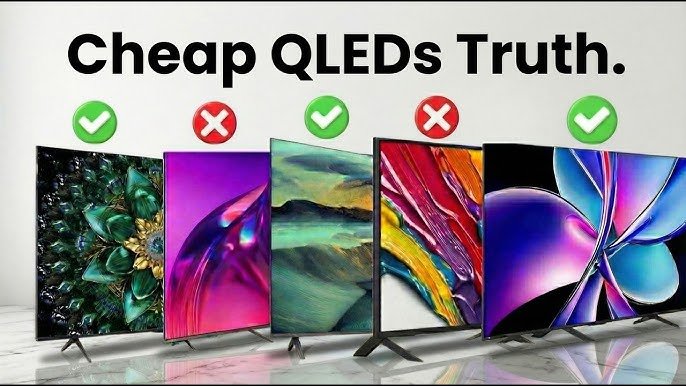
Shopping for a quality 4K smart TV doesn’t mean you need to spend thousands of dollars. As we enter 2026, several 2025 models offer exceptional value at significantly reduced prices compared to their launch dates. This comprehensive guide breaks down the best budget-friendly 4K smart TVs available, helping you make an informed decision based on your specific needs—whether that’s gaming, movie watching, or everyday viewing.
Let’s explore the top recommendations across various price points and use cases.
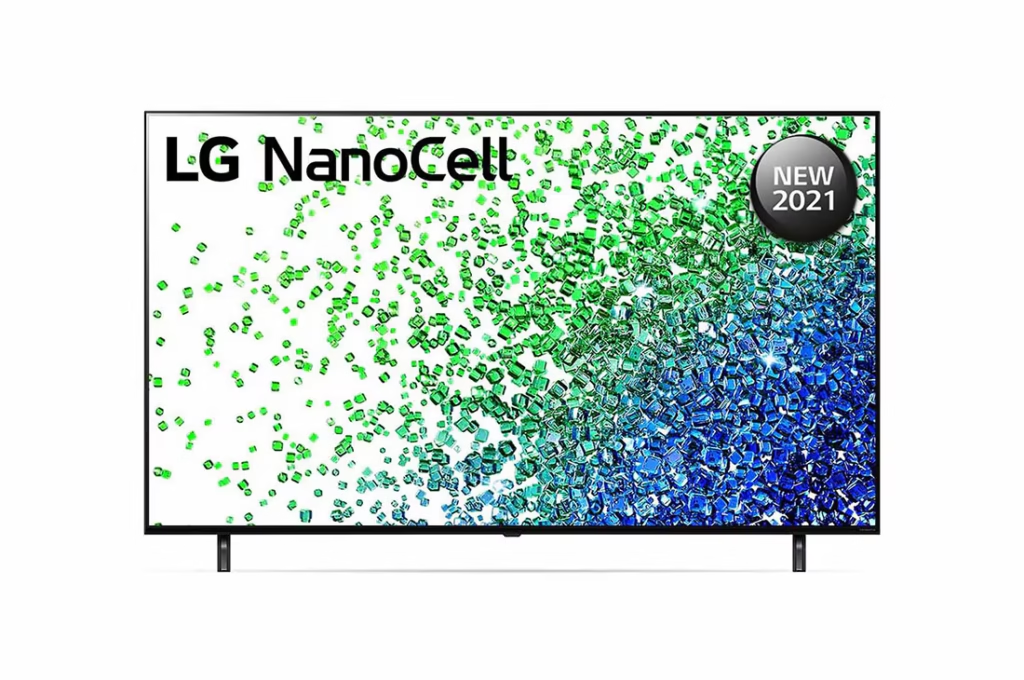
Best Overall Budget Option: LG NanoCell NANO80A
Best For: All-around performance with AI features and good dark scene performance
If you’re looking for a well-rounded budget TV that doesn’t compromise on essential features, the LG NanoCell NANO80A deserves serious consideration.
What Makes It Stand Out
VA Panel Advantage: Unlike many budget LG models that use IPS panels, the NANO80A typically features a VA panel across all available sizes in most countries. This is significant because VA panels deliver substantially better performance in dark scenes compared to IPS or ADS panels—crucial for movie watching and evening viewing.
Top-Tier AI Features: LG doesn’t skimp on artificial intelligence capabilities even in their budget lineup. The NANO80A includes advanced AI processing that optimizes picture quality based on content type, enhances upscaling of lower-resolution content, and adjusts settings automatically.
Decent Sound System: The built-in audio delivers natural, accurate sound reproduction—better than you’d typically expect at this price point.
Natural Color Accuracy: Colors appear realistic and well-balanced out of the box, requiring minimal calibration for satisfying picture quality.
Who Should Buy It
The NANO80A is ideal for buyers who want a balanced TV that performs well across different content types without breaking the bank. It’s particularly good for:
- Movie enthusiasts who watch in darker rooms
- Casual viewers who want good all-around performance
- Buyers who appreciate AI-enhanced picture processing
- Anyone seeking reliable LG build quality at an affordable price
Considerations
While the VA panel improves dark scene performance, it does compromise viewing angles compared to IPS panels. If you frequently watch TV with large groups spread around the room, this might be a limitation.
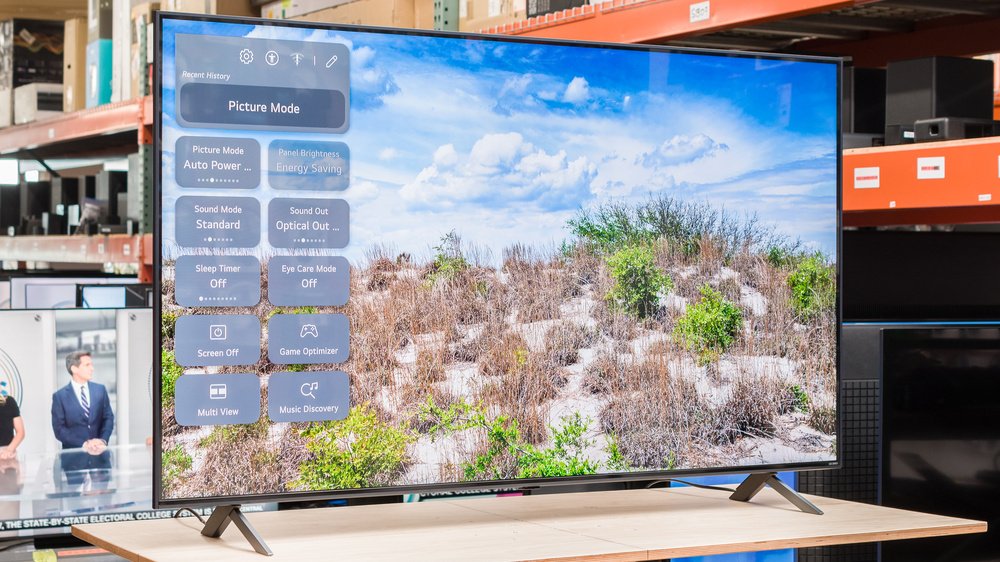
Best for Vibrant Colors: LG QNED80A
Best For: Viewers prioritizing color accuracy, viewing angles, and glare control
For those who value vibrant, accurate colors and better performance in bright rooms, the LG QNED80A offers a compelling alternative to the NANO80A.
Key Advantages
QNED Color Technology: This dynamic color technology produces noticeably more accurate and significantly more vivid colors compared to standard LED displays. Images pop with saturation while maintaining color accuracy—a difficult balance at this price point.
IPS Panel Benefits: Unlike the NANO80A’s VA panel, the QNED80A uses an IPS panel, which provides:
- Superior viewing angles (colors remain accurate even when viewed from the side)
- Better glare control for bright rooms with lots of windows
- More consistent color reproduction across the entire screen
AI Processing: Like the NANO80A, you get LG’s top-tier AI features for content optimization and upscaling.
Best Use Cases
The QNED80A excels in:
- Bright living rooms with lots of natural light
- Households where viewers sit at various angles to the screen
- Daytime viewing when glare control matters
- Spaces where color vibrancy is prioritized over deep blacks
Trade-Offs
The IPS panel’s weakness is dark scene performance. If you primarily watch movies in darkened rooms, the NANO80A’s VA panel will deliver better black levels and contrast.
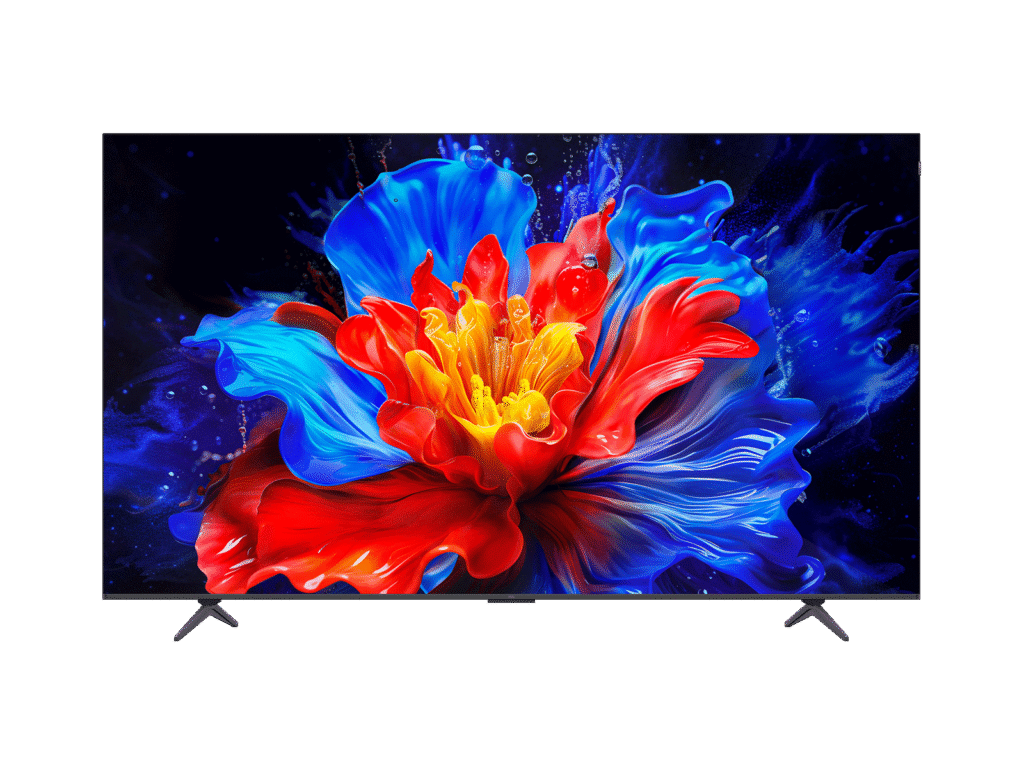
Best Budget Gaming TV: TCL QLED P8K (T8C)
Best For: Gamers on a budget who need 120Hz/144Hz support
If gaming is your primary concern and you want maximum performance without premium pricing, the TCL QLED P8K (also sold as T8C in some markets) offers exceptional value.
Gaming-Focused Features
High Refresh Rate Support:
- 120Hz in 4K for next-gen console gaming
- 144Hz in 4K for PC gaming
- Variable Refresh Rate (VRR) technologies to eliminate screen tearing
VA Panel for Gaming: The VA panel provides:
- Better dark scene performance for atmospheric gaming
- Good contrast ratios that make games look more immersive
- Decent response times for budget gaming
Included Subwoofer: A rare find at this price—TCL includes a small subwoofer for enhanced bass response, making game audio more impactful.
Software Advantage
Android TV with Google TV: The operating system is particularly useful if you need to sideload APK files—something you cannot do with LG’s WebOS or Samsung’s Tizen. This flexibility is valuable for:
- Installing unofficial apps
- Accessing region-locked content
- Customizing your smart TV experience beyond official app stores
Gaming Performance
For budget-conscious gamers, the P8K delivers features typically found in TVs costing considerably more:
- Low input lag for responsive gaming
- Support for next-gen console features
- PC gaming compatibility at high refresh rates
- Game mode optimizations
The Viewing Angle Trade-Off
Like most VA panel TVs, viewing angles are the compromise. Solo gamers or small groups directly in front of the TV won’t notice, but larger viewing parties will see washed-out colors from the sides.
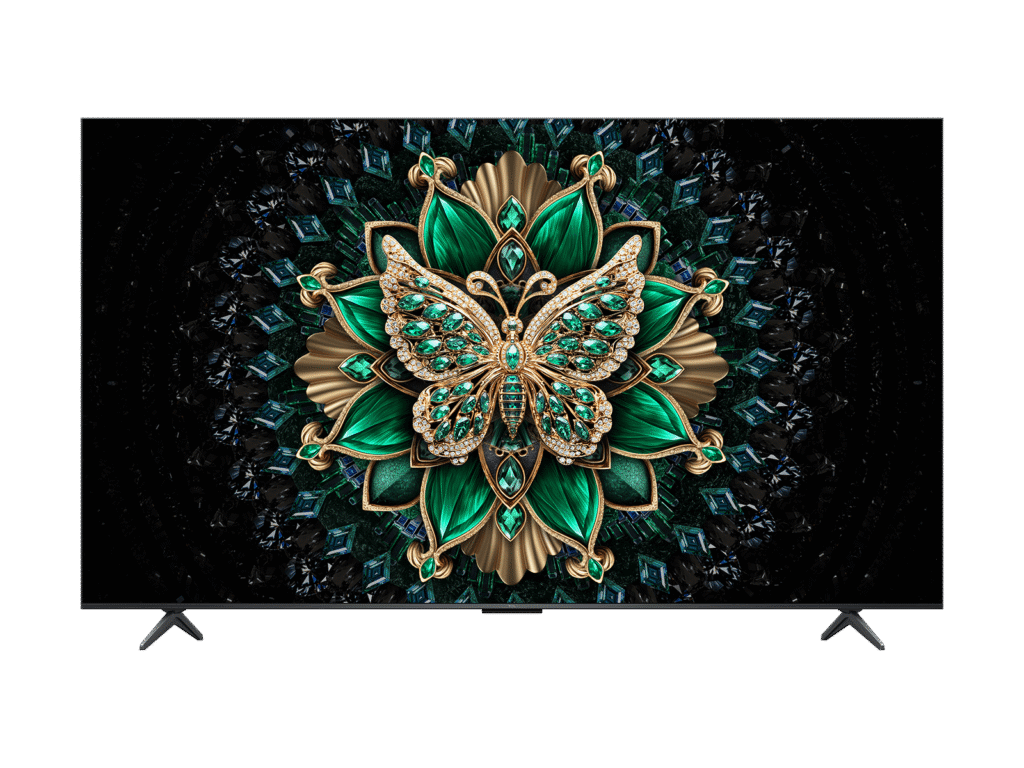
Best Mid-Budget Gaming Option: TCL QLED miniLED C6K (QM6K/Q6C)
Best For: Gamers who can stretch budget slightly for significant quality improvements
If you can increase your budget modestly, the TCL QLED miniLED C6K (also known as QM6K or Q6C depending on region) represents a substantial upgrade.
MiniLED Advantage
Full Array Local Dimming: This is the key differentiator. Unlike edge-lit or basic LED panels, full array local dimming with miniLED technology provides:
- Much better performance in dark scenes
- Significantly higher brightness levels
- More precise contrast control
- Reduced blooming around bright objects on dark backgrounds
Gaming Specifications
The C6K matches the P8K’s gaming credentials:
- 120Hz in 4K
- 144Hz in 4K
- Full VRR support
- Low input lag
Audio Enhancement
The included subwoofer is slightly better than the P8K’s, delivering more impactful bass for both gaming and movie watching.
Why Pay More?
The C6K’s miniLED full array backlighting represents a genuine quality leap:
- HDR content looks dramatically better with brighter highlights
- Dark scenes show more detail and nuance
- Overall picture quality approaches mid-range TV performance
- Gaming in HDR becomes genuinely impressive
Best For
Serious gamers who want near-premium picture quality without premium prices, especially those who play:
- HDR-enabled games that benefit from local dimming
- Atmospheric games with dark scenes (horror, adventure)
- Competitive games where every detail matters
Best Premium Budget Option: Hisense ULED miniLED U7QG
Best For: Movie enthusiasts and gamers wanting the best picture quality under premium prices
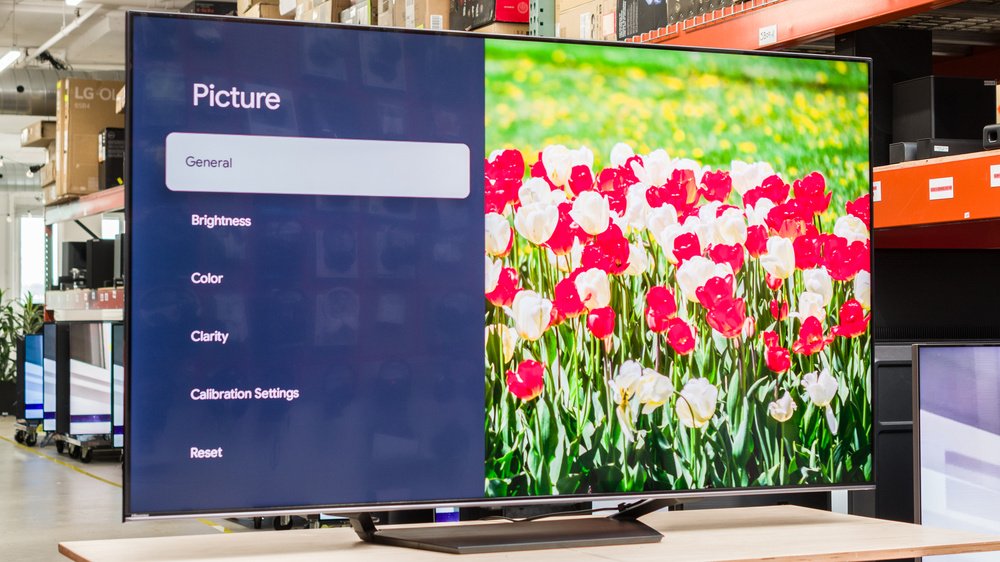
For buyers who can stretch their budget further, the Hisense ULED miniLED U7QG delivers picture quality that punches well above its price class.
Picture Quality Excellence
Balanced Dark Scene Performance: The U7QG achieves what many budget TVs struggle with—balance:
- Deeper, more convincing blacks
- Better detail preservation in shadows
- Less compromise between brightness and contrast
- More film-like picture quality overall
Gaming Specifications: Maintains the gaming credentials:
- 120Hz in 4K
- 144Hz in 4K
- Full VRR support
Audio Quality
The speaker system deserves mention:
- Good sharpness and clarity
- Solid bass response thanks to included subwoofer
- Better overall audio than most budget competitors
The VA Panel Reality Check
Like the TCL models, the U7QG uses a VA panel, meaning:
- ✅ Excellent dark scene performance
- ✅ Great contrast ratios
- ❌ Limited viewing angles
- ❌ Color washout when viewed from the side
Critical Consideration: These models are not ideal for watching content with relatives or friends seated around the screen. Side viewers will perceive washed-out colors and reduced picture quality.
Who Benefits Most
The U7QG makes sense for:
- Solo viewers or couples sitting directly in front
- Home theater setups with central seating
- Movie enthusiasts prioritizing picture quality
- Gamers who want the best visuals their budget allows
Best for Bright Rooms: LG QNED85A
Best For: Daytime viewing in bright rooms, good viewing angles, gaming up to 120Hz
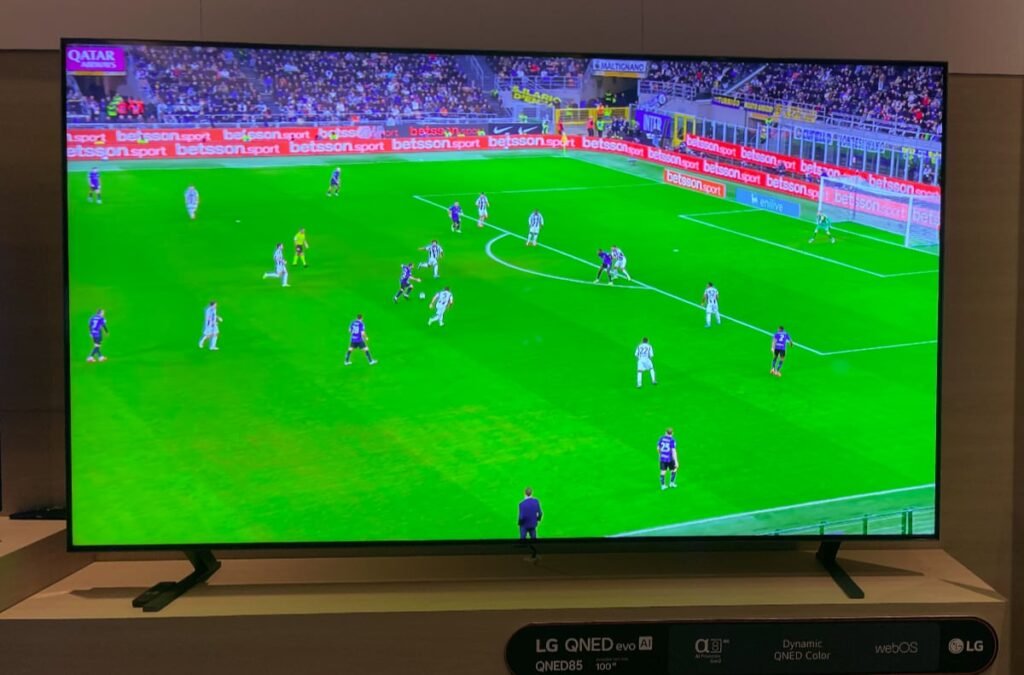
If your TV primarily lives in a bright room with lots of windows or artificial lighting, the LG QNED85A addresses this specific challenge.
Brightness and Color
Excellent Brightness: The QNED85A produces high brightness levels that overcome glare and maintain picture quality even in challenging lighting conditions.
Improved Calibration: Out-of-the-box color accuracy is notably better than cheaper options:
- More accurate colors with less calibration needed
- Vibrant saturation that doesn’t look oversaturated
- Better color consistency across different content types
Viewing Angles
ADS Panel in Some Sizes: Depending on size, you might get an ADS panel (some sizes have VA), which provides:
- Better viewing angles than VA panels
- More consistent color when viewed off-axis
- Better performance for group viewing
Gaming Capabilities
The QNED85A supports:
- 4K resolution up to 120Hz (sufficient for console gaming)
- Good response times
- Gaming-focused picture modes
Critical Limitation: Dark Scene Performance
The Major Compromise: The QNED85A uses Edge LED technology with local dimming. While marketed as “miniLED,” it lacks full array backlighting technology.
What This Means:
- Dark scene performance is not the best—or in fact, quite poor
- HDR content suffers particularly badly
- Black levels are disappointing compared to full array models
- Blooming and uniformity issues are more noticeable
The Bottom Line: The QNED85A is specifically for bright room viewing. If you watch primarily in darker environments or care about HDR performance, other options on this list are better choices.
Audio Reality
The speaker system is decent but:
- Slightly sharp in the treble
- Lacks bass presence (no subwoofer included)
- Fine for casual viewing but may benefit from a soundbar
Best Budget MiniLED: Hisense ULED U6QV
Best For: Buyers wanting miniLED quality without high prices, 60Hz gaming is acceptable
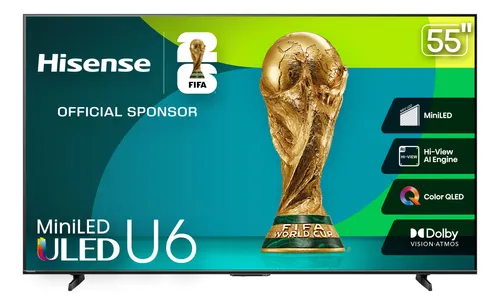
If you don’t need high refresh rate gaming but still want excellent picture quality through miniLED technology, the Hisense ULED U6QV offers remarkable value.
MiniLED Full Array at Budget Prices
Starting at 50 Inches: The U6QV brings full array local dimming to affordable price points, delivering:
- Well-balanced overall performance
- Outstanding dark scene reproduction
- Better HDR performance than edge-lit competitors
- More premium picture quality than the price suggests
Performance Characteristics
Dark Scenes: This is where the U6QV shines—dark scene performance is genuinely excellent, approaching midrange TV quality.
Brightness and Color:
- Decent brightness levels (not class-leading but adequate)
- Decent color saturation
- Color accuracy might not be the absolute best but is perfectly acceptable
Audio System: Sound quality is good—in fact, noticeably better than the LG QNED85A despite costing less.
Limitations to Consider
VA Panel Viewing Angles: Like other VA panel TVs, viewing angles are terrible. This is strictly a TV for direct viewing or small groups sitting centrally.
Gaming Limitation: 4K support up to 60Hz only. If you need 120Hz for next-gen console gaming or PC gaming, look elsewhere.
Operating System: Uses Vidaa OS, which:
- Cannot install APK files (unlike Android TV)
- Has fewer apps than major platforms
- May feel less familiar to some users
The Workaround
TV Box Solution: You can solve the OS limitation by connecting an Android TV box to one of the HDMI ports, giving you:
- APK installation capability
- Access to any app you want
- Familiarity of Android interface
- Minimal additional cost
Who Should Buy It
The U6QV makes perfect sense for:
- Movie watchers who don’t game competitively
- Buyers prioritizing picture quality over refresh rate
- Budget-conscious shoppers who want miniLED benefits
- Viewers who primarily watch alone or with small groups
Samsung Options: Proceed with Caution
Recommended Model: QLED Q7FA
If you’re committed to the Samsung ecosystem, the QLED Q7FA is the most reliable budget option.
Why the Q7FA
Thermal Design: The Q7FA avoids the ultra-thin design trap:
- Not edge-lit
- Proper thermal management
- Less risk of overheating issues
- More durable long-term
Performance Reality
Moderate Specifications:
- Brightness levels are not super high
- Colors are vivid and pleasing if not reference-accurate
- Sound system is average
- 4K gaming up to 60Hz only
Tizen OS: Cannot install APK files (solve with TV box if needed)
The Standout Feature: One Remote
Samsung’s One Remote Control is genuinely excellent:
- Charges via solar panel (yes, really)
- USB Type-C charging backup
- Much more ergonomic design than typical remotes
- Simplified button layout
Model to Avoid: Q8FA
Major Concerns:
- Ultra-thin design
- Edge LED backlighting
- Known overheating issues at bottom of screen
- Problems develop over time
- Sound system lacks bass
Refresh Rate Confusion: In some countries supports 120Hz in 4K, in others only 60Hz—check carefully before buying.
Better Samsung Alternatives
Previous Year Models: Samsung often offers full array miniLED models from previous years at affordable prices:
- QN85D from 2024
- QN85F for 2025 (more expensive)
- QN90F (even better but significantly pricier)
These belong in a higher price category but are worth considering if you find good deals.
What About Sony?
The Sony Problem: Overpriced at Every Level
Sony’s entry-level models are consistently overpriced compared to competitors offering similar or better specifications.
If You Must Have Sony
Acceptable Options:
- Bravia 2 Mark II (current model)
- Bravia 3 (2024 model)
Value Comparison: At the Bravia 3’s typical price, you could purchase:
- TCL C6K miniLED TV
- Plus a quality soundbar
- And potentially still have money left over
The Bottom Line: Only buy Sony if brand loyalty or specific Sony features are absolutely essential to you. From a pure value perspective, other brands offer better bang for buck.
Brands to Approach Carefully or Avoid
Xiaomi TVs
Why Exercise Caution:
- Limited recent model reviews available
- Consumer reports indicate reliability issues with some models
- Quality seems inconsistent across different markets
- After-sales support may be problematic
Verdict: Despite popularity in some countries, insufficient data to recommend confidently.
Panasonic
Mixed Results:
- Flagship models are very good
- Entry-level section is underwhelming
- Generally overpriced for what you get
Exception: The Panasonic W95A (2024 model) might be a decent choice worth considering if found at the right price.
Other Brands (Vizio, Roku, Engle, Toshiba, Philips, Ealcon, Hire, etc.)
While these brands don’t necessarily make the worst TVs available, the options detailed in this guide represent better value, more reliable performance, and more trustworthy long-term investments for budget-conscious buyers entering 2026.
Regional Availability: Some of these brands (like Vizio and Roku) are US-specific, while others are more prevalent in Europe or Asia. Regardless of region, the recommended models in this guide generally offer superior value.
Making Your Decision: Key Factors to Consider
1. Room Lighting Conditions
Bright Rooms:
- LG QNED80A (best viewing angles + brightness)
- LG QNED85A (maximum brightness, accept dark scene trade-off)
Dark Rooms or Mixed Lighting:
- LG NanoCell NANO80A (VA panel advantage)
- TCL C6K miniLED (excellent dark scenes)
- Hisense U6QV (best dark scenes at budget price)
- Hisense U7QG (premium dark scene performance)
2. Gaming Requirements
Competitive/PC Gaming (need 120Hz+):
- TCL QLED P8K (budget option)
- TCL QLED miniLED C6K (better picture quality)
- Hisense U7QG (best picture + gaming)
Casual/Console Gaming (60Hz acceptable):
- Hisense U6QV (best picture quality at this limitation)
- Any other model on the list works fine
3. Viewing Arrangement
Solo or Couple Viewing (directly in front):
- Any VA panel model works great
- TCL models
- Hisense models
- LG NANO80A
Group/Family Viewing (spread around room):
- LG QNED80A (IPS panel)
- LG QNED85A (ADS panel in some sizes)
4. Budget Flexibility
Tightest Budget:
- LG NanoCell NANO80A (best all-around)
- Hisense U6QV (best picture quality)
Can Stretch Slightly:
- TCL C6K miniLED (big picture quality jump)
- LG QNED80A (if viewing angles matter)
Maximum Budget:
- Hisense U7QG (best overall picture + gaming)
5. Operating System Preferences
Want APK Installation:
- TCL models (Android TV/Google TV)
Don’t Care About APK:
- Any model works
- Consider TV box for any non-Android TV
Final Recommendations by Use Case
Best Overall Value
Winner: LG NanoCell NANO80A
- Balanced performance
- Good dark scenes
- AI features
- Reliable brand
Best Gaming Value
Winner: TCL QLED P8K
- 120Hz/144Hz support
- Included subwoofer
- Android TV flexibility
- Great price
Best Picture Quality on Budget
Winner: Hisense U6QV
- MiniLED full array
- Outstanding dark scenes
- Excellent value
- Good audio
Best Premium Budget Option
Winner: Hisense U7QG
- Balanced excellence
- Great gaming + movies
- Included subwoofer
- Near-midrange performance
Best for Bright Rooms
Winner: LG QNED85A
- Maximum brightness
- Good viewing angles
- Vibrant colors
- LG quality
Buying Tips for 2026
1. Shop Early 2026: 2025 models are being heavily discounted as 2026 models launch
2. Compare Across Retailers: Prices vary significantly between sellers
3. Check Panel Type: Confirm VA vs. IPS/ADS for your specific size—it matters enormously
4. Consider Total Cost: Factor in soundbar if built-in audio is weak
5. Warranty Matters: Especially for brands with less established service networks
6. Read Current Reviews: Panel types and specifications can change between regions and production runs
Conclusion: Value for Money Still Exists in 2026
Despite rising prices across the TV market, genuine value still exists for budget-conscious shoppers willing to research and understand trade-offs. The 2025 models entering 2026 at reduced prices represent some of the best value propositions we’ve seen in years.
The Key to Success: Match the TV’s strengths to your specific viewing environment and usage patterns. There’s no single “best” budget TV—but there is likely a best budget TV for YOUR specific needs.
Whether you prioritize gaming, movie watching, bright room performance, or simply want the best all-around value, one of the models in this guide will serve you well without breaking the bank.