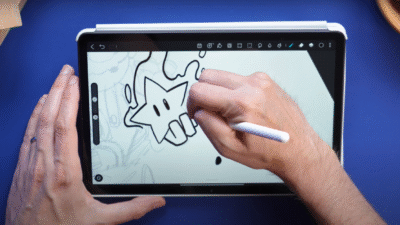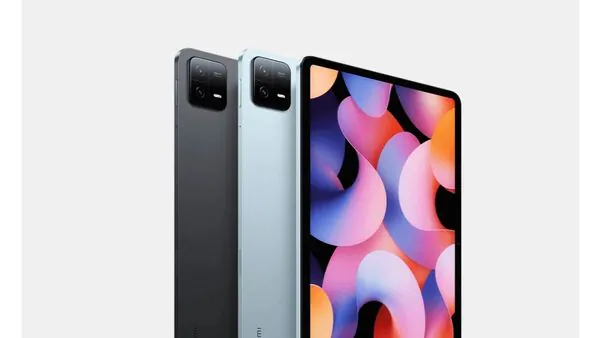
If you’re shopping for a tablet under ₹30,000 in India right now, you’re in luck. February 2026 might be the best time ever to buy a budget-friendly tablet—competition is fierce, prices are competitive, and features that were flagship-only two years ago are now standard.
But here’s the problem: Too many options, not enough clarity.
Should you get the Xiaomi Pad 7 for gaming? The OnePlus Pad Go 2 for streaming? The Redmi Pad 2 Pro for battery life? What about iPads—are they still worth it at this price?
I’ve spent the last month testing all the top tablets in this segment, running benchmarks, playing PUBG Mobile for hours, binge-watching Netflix, and draining batteries to find out which ones are actually worth your money—and which ones you should avoid.
Here’s what we’re comparing:
- ✅ Xiaomi Pad 7
- ✅ Moto Tab 60 Pro
- ✅ OnePlus Pad Go 2
- ✅ Realme Pad 3
- ✅ Redmi Pad 2 Pro
- ✅ Apple iPad (10th & 11th Gen)
- ✅ Samsung Galaxy Tab A9+
Spoiler alert: There’s a clear winner for performance, but it’s not the best choice for everyone. Let me break it down.
Best Tablet for Performance & Gaming: Xiaomi Pad 7 (₹27,999)
The Undisputed Performance Champion
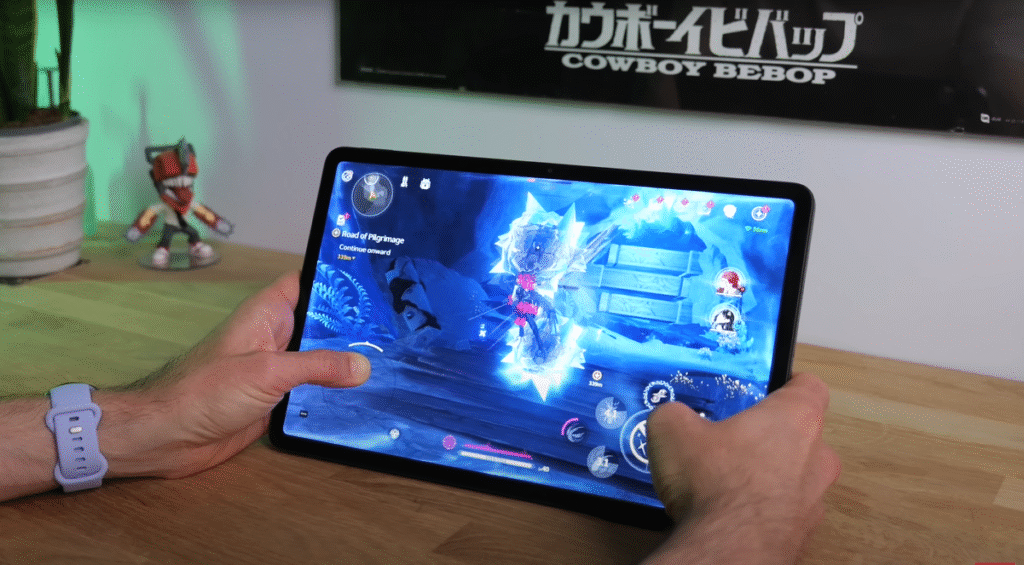
If you want the fastest tablet under ₹30K, the choice is simple: Xiaomi Pad 7.
Why It Wins:
- Snapdragon 7+ Gen 3 (the most powerful chipset in this segment)
- AnTuTu Score: 769,000+ (destroys every competitor)
- Geekbench 6: ~900 single-core / ~2,500 multi-core
- 3DMark: Top scores in graphics benchmarks
Real-World Gaming Performance:
I tested PUBG Mobile, Call of Duty Mobile, Genshin Impact, and Honkai: Star Rail. Here’s what happened:
PUBG Mobile:
- Smooth + Extreme (60fps): ✅ Fully supported
- Average FPS: 59fps (stable, no drops)
- Comparison: Moto Tab 60 Pro averaged 58fps, but…
Call of Duty Mobile:
- Native 120fps support ✅ (Xiaomi exclusive!)
- Moto Tab 60 Pro: Capped at 60fps
- This alone makes the Xiaomi Pad 7 the better gaming tablet
Genshin Impact & Honkai: Star Rail:
- Medium-High settings: Smooth, stable performance
- Slight warmth after 30+ minutes, but no throttling
Winner: Xiaomi Pad 7 (especially for COD Mobile’s 120fps support)
Display: 11.2″ 3.2K 144Hz AMOLED-Killer
Display Specs:
- Size: 11.2 inches
- Resolution: 3200 x 2136 pixels (3.2K CrystalRes)
- Refresh Rate: 144Hz adaptive
- Aspect Ratio: 3:2 (great for productivity)
- Peak Brightness: 800 nits
- HDR: Dolby Vision certified
- Eye Care: TÜV Rheinland certified (low blue light, flicker-free)
Nano Texture Glass Variant (₹31,999):
The top-end model adds anti-reflective Nano Texture coating, which:
- Reduces glare by ~70%
- Maintains color vibrancy
- Feels “paper-like” (great for reading/note-taking)
Netflix & Streaming:
With Dolby Vision support, HDR content on Netflix, Amazon Prime, and Disney+ Hotstar looks stunning. Colors are vibrant, blacks are deep, and the 144Hz refresh rate makes scrolling butter-smooth.
Quad Dolby Atmos Speakers:
The four speakers (two on each side) deliver loud, crisp audio with Dolby Atmos surround sound. Perfect for movies, gaming, and music.
Design & Build Quality
Premium All-Metal Body:
- Material: Aluminum alloy
- Thickness: 6.18mm (slim!)
- Weight: 500g (lightweight)
- Colors: Graphite Grey, Mirage Purple, Sage Green
What I Love: The all-metal design feels genuinely premium—like a flagship tablet, not a budget device. No creaks, no flex, just solid construction.
What’s Missing:
- ❌ No fingerprint scanner
- ❌ No microSD card slot
- ❌ No LTE/5G variant (Wi-Fi only)
Software: HyperOS 2 (Android 15-Based)
Zero Bloatware:
Unlike Xiaomi phones (which are bloatware nightmares), the Xiaomi Pad 7 has ZERO pre-installed junk. It’s clean, fast, and fluid.
Update Promise:
- 3 more major OS updates (Android 16, 17, 18)
- Security patches for 4 years
Ecosystem Features:
- Secondary Display Mode: Use the Pad 7 as a second screen for your laptop
- Xiaomi HyperConnect: Seamless file sharing with Xiaomi phones
- AI Writing & Live Subtitles: Built-in productivity tools
Battery Life: The One Weakness
Battery Specs:
- Capacity: 8,850 mAh
- Charging: 45W fast charging (0-100% in ~90 minutes)
- Charger Included: ✅ Yes, 45W brick in the box
Real-World Screen-On Time (SOT):
- Heavy use (gaming, streaming): 6-7 hours
- Moderate use (browsing, YouTube): 8-9 hours
- Light use (reading, music): 10+ hours
The Problem:
The battery is smaller than some phones (like the Redmi Pad 2 Pro’s 12,000 mAh). If you’re a heavy user who wants all-day battery without charging, this might disappoint you.
Comparison:
- OnePlus Pad Go 2: 10,000 mAh (8-10 hours SOT)
- Redmi Pad 2 Pro: 12,000 mAh (10-12 hours SOT)
- Realme Pad 3: 12,200 mAh (10-12 hours SOT)
Accessories (Sold Separately—And Pricey)
Xiaomi Pad 7 Focus Pen: ₹5,999
- 4,096 pressure levels
- Palm rejection
- Magnetic charging
- Great for note-taking and digital art
Xiaomi Pad 7 Focus Keyboard: ₹8,999
- Backlit keys
- Trackpad with gesture support
- Multi-angle adjustment
- Turns the Pad 7 into a laptop replacement
Xiaomi Pad 7 Cover: ₹1,499
- Triangular stand (multiple angles)
- Magnetic attachment
- Worth it for protection
Total Cost (Fully Loaded):
- Tablet: ₹27,999
- Pen: ₹5,999
- Keyboard: ₹8,999
- Cover: ₹1,499
- Grand Total: ₹44,496
Pricing & Value
Current Price (February 2026):
- 8GB RAM + 128GB: ₹27,999
- 12GB RAM + 256GB: ₹29,999
- 12GB + 256GB (Nano Texture): ₹31,999
Price History: The Pad 7 launched at ₹26,999 but has increased twice since launch. Even at ₹28,999 (current price for base model), it’s still the best value performance tablet under ₹30K.
Xiaomi Pad 7: Verdict
✅ Buy If:
- You prioritize gaming performance (120fps COD Mobile!)
- You want a premium design (all-metal body)
- You need a gorgeous 144Hz 3.2K display
- You value zero bloatware (HyperOS 2 is clean)
❌ Skip If:
- You need all-day battery life (6-7 hours SOT won’t cut it)
- You require LTE/5G connectivity (Wi-Fi only)
- You want accessories included (they’re expensive)
Rating: 4.5/5 ⭐⭐⭐⭐½
Best Tablet for Multimedia: OnePlus Pad Go 2 (₹26,999)
The Streaming & Entertainment King
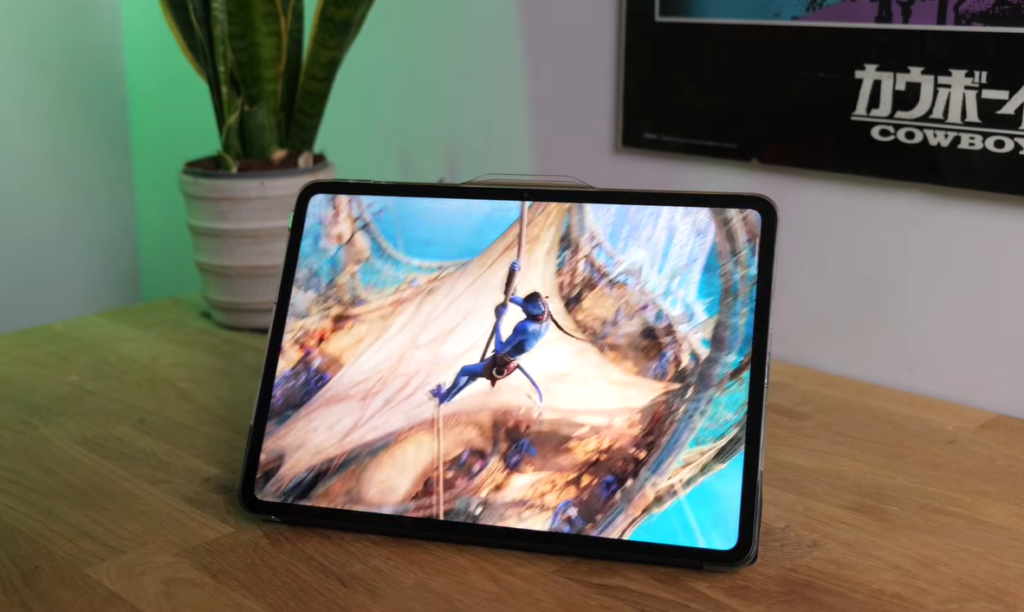
If you don’t care about benchmark scores but want the best multimedia experience under ₹30K, the OnePlus Pad Go 2 is your pick.
Why It Wins for Multimedia:
- Massive 12.1-inch display (bigger than Xiaomi Pad 7)
- 2.8K resolution (2000 x 3000 pixels)
- 120Hz refresh rate (smooth, but not 144Hz)
- Dolby Vision support (Netflix, Amazon Prime)
- Slightly brighter than Xiaomi Pad 7 (~850 nits peak)
Display: 12.1″ Immersive Viewing
The OnePlus Pad Go 2’s 12.1-inch screen is perfect for movie marathons. It’s the largest display in this segment, and the 2.8K resolution ensures crisp, detailed visuals.
Netflix & Streaming:
With Dolby Vision, HDR content looks vibrant and punchy. The larger screen makes it feel more like a portable TV than a tablet.
Speakers:
The quad speakers aren’t Dolby Atmos certified (unlike Xiaomi), but they’re still loud and crisp. Great for watching movies without headphones.
Performance: Dimensity 7300 Ultra
Chipset: MediaTek Dimensity 7300 Ultra
- AnTuTu Score: ~620,000 (lower than Xiaomi)
- Geekbench 6: ~850 single-core / ~2,200 multi-core
Gaming:
- PUBG Mobile: Smooth (40fps) on High settings
- COD Mobile: 60fps (no 120fps support)
- Genshin Impact: Medium settings run fine
Verdict: Not a gaming beast, but perfectly fine for casual gaming.
Software: OxygenOS 16 (Android 16)
Update Promise:
- 5 years of OS updates (best in this segment!)
- 5 years of security patches
OxygenOS 16:
- Clean, fluid UI
- Excellent ecosystem features (OnePlus phones sync seamlessly)
- Minimal bloatware
Battery Life: 10,000 mAh
Real-World SOT:
- Heavy use: 8-10 hours
- Video playback: 12+ hours
Charging:
- 45W fast charging (0-100% in ~105 minutes)
- Charger included ✅
Design: All-Plastic Build
The One Compromise:
Unlike the Xiaomi Pad 7’s premium metal body, the OnePlus Pad Go 2 is entirely plastic. It’s lightweight but doesn’t feel as premium.
What’s Missing:
- ❌ No microSD card slot
- ❌ Base variant (128GB) has no SIM card support
- ❌ LTE only available on 256GB variant
Pricing & Value
Current Price:
- 8GB RAM + 128GB (Wi-Fi): ₹26,999
- 8GB RAM + 256GB (LTE): ₹29,999
Free Stylus Offer:
If you buy from the OnePlus official website, you get a free stylus (worth ₹3,999). That’s a massive value add.
OnePlus Pad Go 2: Verdict
✅ Buy If:
- You want a massive 12.1-inch display for streaming
- You prioritize long battery life (8-10 hours)
- You value 5 years of OS updates
- You want a free stylus (buy from the OnePlus website)
❌ Skip If:
- You want premium build quality (it’s plastic)
- You need top-tier gaming performance
Rating: 4.2/5 ⭐⭐⭐⭐
Best Tablets for Battery Life: Redmi Pad 2 Pro vs Realme Pad 3
The Battery Beasts
If all-day battery life is your top priority, you have two excellent options:
Redmi Pad 2 Pro:
- Battery: 12,000 mAh
- Charging: 33W
- Price: ₹24,999 (8GB + 128GB)
Realme Pad 3:
- Battery: 12,200 mAh
- Charging: 45W (faster!)
- Price: ₹25,999 (8GB + 128GB)
Battery Life Comparison
Both tablets deliver:
- 10-12 hours of movie watching
- 12-15 hours of web browsing
- 20+ hours of music playback
Charging Speed:
- Realme: 0-100% in ~90 minutes (45W)
- Redmi: 0-100% in ~120 minutes (33W)
Winner: Realme (faster charging), but Redmi supports faster reverse wireless charging (charge other devices).
Key Differences
| Feature | Redmi Pad 2 Pro | Realme Pad 3 |
|---|---|---|
| Weight | 571g | 530g (lighter!) |
| Thickness | 7.5mm | 7.1mm (thinner!) |
| Storage Type | UFS 2.2 | UFS 3.1 (faster!) |
| Fingerprint | ❌ No | ✅ Yes (power button) |
| Headphone Jack | ✅ Yes | ❌ No |
| OS | Android 15 | Android 16 |
| OS Updates | 5 years | 4 years |
| Price | ₹24,999 | ₹25,999 |
| LTE Variant | ✅ Available | ✅ Available |
Which One Should You Buy?
Choose Realme Pad 3 If:
- You want faster storage (UFS 3.1) for snappier performance
- You prefer a lighter, thinner design
- You need a fingerprint scanner
- You value 45W fast charging
Choose Redmi Pad 2 Pro If:
- You need a headphone jack
- You want 5 years of OS updates (vs 4 on Realme)
- You want to save ₹1,000
- You prefer reverse wireless charging
Verdict: Both are excellent for battery life. Pick based on your priorities.
Redmi Pad 2 Pro Rating: 4.0/5 ⭐⭐⭐⭐
Realme Pad 3 Rating: 4.0/5 ⭐⭐⭐⭐
What About iPads? Should You Buy One Under ₹30K?
iPad 10th Gen (64GB): DON’T BUY IT
Price: ₹29,900
Storage: 64GB
Why You Should Skip It:
64GB in 2026 is criminal. You’ll run out of storage within weeks. Apps, photos, videos—everything adds up fast.
Better Option: Wait for the iPad 11th Gen price drop when the 12th Gen launches (expected March 2026).
iPad 11th Gen (2025): Worth the Wait
Current Price: ₹34,900 (128GB)
Why It’s Better:
- 128GB storage (double the 10th Gen)
- A15 Bionic chip (still faster than Android competitors)
- Apple Pencil support (1st Gen)
- iPadOS (superior app ecosystem)
The Strategy:
If you can wait until the iPad 12th Gen launches (rumored for March 2026), expect ₹5,000-₹7,000 discounts on the 11th Gen, bringing it down to ~₹28,000.
Verdict: If you want an iPad, wait for the 11th Gen price drop. Don’t settle for 64GB.
What About Samsung Tablets?
Samsung Galaxy Tab A9+ (₹29,999): Skip It
Why You Should Avoid It:
- 90Hz TFT LCD display (unacceptable in 2026)
- 1080p resolution (competitors offer 2.8K-3.2K)
- Small 7,500 mAh battery
What It Does Right:
- ✅ 4 years of OS updates (Samsung’s strength)
- ✅ One UI (clean, feature-rich)
Verdict: Samsung’s software support is great, but the hardware is outdated. Competitors offer better displays, batteries, and performance for less money.
Rating: 2.8/5 ⭐⭐⭐
Final Recommendations: Which Tablet Should YOU Buy?
🏆 Best Overall: Xiaomi Pad 7 (₹27,999)
Best for: Gamers, power users, premium build quality
✅ Fastest performance (Snapdragon 7+ Gen 3)
✅ Gorgeous 3.2K 144Hz display
✅ Premium all-metal design
✅ 120fps COD Mobile support
❌ Average battery life (6-7 hours)
🎬 Best for Streaming: OnePlus Pad Go 2 (₹26,999)
Best for: Netflix binges, long battery life, large screen
✅ Massive 12.1″ display
✅ 8-10 hour battery life
✅ 5 years of OS updates
✅ Free stylus (OnePlus website)
❌ Plastic build
🔋 Best Battery Life (Tie): Redmi Pad 2 Pro & Realme Pad 3
Best for: All-day battery without charging
Redmi Pad 2 Pro (₹24,999):
✅ Headphone jack
✅ 5-year updates
✅ Cheapest option
Realme Pad 3 (₹25,999):
✅ Faster storage (UFS 3.1)
✅ Fingerprint scanner
✅ 45W charging
⏳ Best iPad Strategy: Wait for 11th Gen Price Drop
Best for: Apple ecosystem users, premium app experience
Wait for iPad 12th Gen launch (March 2026) → Buy iPad 11th Gen at ₹28K with discounts.
Quick Decision Chart
Answer these questions:
- Do you game heavily (PUBG, COD, Genshin)?
→ Xiaomi Pad 7 (120fps COD support) - Do you binge-watch Netflix/Prime for hours?
→ OnePlus Pad Go 2 (12.1″ screen, Dolby Vision) - Do you need 10+ hours of battery life?
→ Redmi Pad 2 Pro or Realme Pad 3 - Do you prefer the Apple ecosystem?
→ Wait for iPad 11th Gen price drop - Do you want the cheapest decent tablet?
→ Redmi Pad 2 Pro (₹24,999)
Xiaomi Pad 7 (3.2K 144Hz with Dolby Vision). The Nano Texture variant reduces glare significantly.
Final Thoughts: The Tablet Market in 2026 Is Incredible
Two years ago, finding a decent tablet under ₹30K was nearly impossible. Now? We’re spoiled for choice.
The Xiaomi Pad 7 is the performance king, the OnePlus Pad Go 2 dominates multimedia, and the Redmi/Realme battery beasts last all day.
Whatever you choose, you’re getting incredible value in 2026.
My personal pick? Xiaomi Pad 7 (₹27,999). It’s the most well-rounded tablet—fast, gorgeous, and premium-feeling. Yes, the battery could be better, but for everything else, it’s unbeatable.
What about you? Which tablet are you leaning toward? Drop a comment below and let me know!
Rating Summary:
- Xiaomi Pad 7: 4.5/5 ⭐⭐⭐⭐½
- OnePlus Pad Go 2: 4.2/5 ⭐⭐⭐⭐
- Redmi Pad 2 Pro: 4.0/5 ⭐⭐⭐⭐
- Realme Pad 3: 4.0/5 ⭐⭐⭐⭐
- Samsung Tab A9+: 2.8/5 ⭐⭐⭐
Found this guide helpful? Share it with anyone shopping for a tablet! And don’t forget to check back for our tablet accessories guide coming next week.