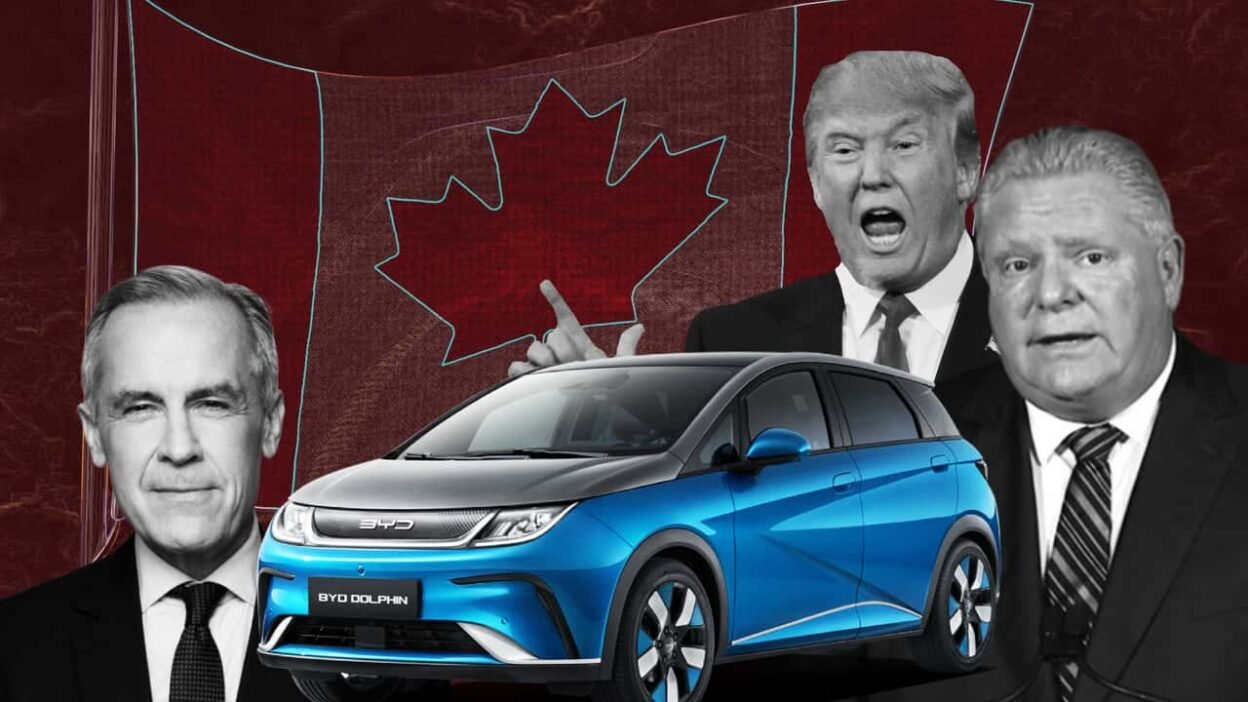
BREAKING NEWS: It’s finally happening. After years of 100% tariffs that effectively banned Chinese electric vehicles from Canada, Prime Minister Mark Carney has struck a landmark trade deal with China that slashes import tariffs to just 6.1%—opening the floodgates for affordable EVs that North Americans have been watching enviously as they dominated markets worldwide.
This isn’t just about cheaper cars. This is about access to some of the world’s most advanced electric vehicle technology, battery innovations that put Western automakers to shame, and—most critically—vehicles priced under CAD $35,000 (USD $25,000) in a market where affordable new cars have essentially vanished.
The catch? There’s a quota: 49,000 vehicles initially, growing to 70,000 by year five. And here’s the kicker: 50% of imported vehicles must be priced under CAD $35,000.
Let’s dive into which Chinese EVs and plug-in hybrids will likely hit Canadian roads in 2026, what they offer, and why this changes everything.
🚨 The Historic Trade Deal: What Just Happened
The Numbers:
- Tariff Reduction: 100% → 6.1% (most-favored-nation rate)
- Initial Import Quota: 49,000 vehicles (2026)
- Year 5 Quota: 70,000 vehicles
- Affordable Requirement: 50% must cost under CAD $35,000
- Market Share: ~3% of Canada’s 1.8 million annual vehicle sales
What Canada Gets:
Lower tariffs on:
- Canola seeds (from 84% to 15% by March 2026)
- Canola meal, lobster, crab, and peas
- Visa-free travel to China for Canadians
- Joint-venture investment commitments in Canadian EV manufacturing
The Controversy:
Not everyone is celebrating. Ontario Premier Doug Ford called it “terrible” and a “self-inflicted wound.” Unifor (Canada’s largest private-sector union) warns it threatens the domestic auto sector. U.S. officials express concern about “spyware” and breaking the “Fortress North America” strategy against Chinese EVs.
But here’s the reality: Chinese automakers are currently building some of the best, most affordable EVs in the world. Keeping them out hurts consumers and slows the transition to sustainable transport.
Bottom Line: Canadian car buyers squeezed by record-high prices finally get access to vehicles that cost what cars SHOULD cost in 2026.
🎯 QUICK REFERENCE: Top Chinese EVs Coming to Canada
Under CAD $30,000:
- BYD Dolphin Surf (Seagull/Atto 1): CAD $23,000-$27,000
- BYD Dolphin: CAD $29,000-$36,000
CAD $30,000-$35,000:
- MG4 (64kWh): CAD $34,000-$35,000
- Jaecoo J5 / Omoda E5: CAD $36,000
- BYD Atto 2 DMi PHEV: CAD $30,000-$35,000
CAD $35,000-$50,000:
- Leapmotor B10: CAD $40,000-$45,000 (est.)
Pricing Note: We’re using Australian dollar pricing as a reference since it closely matches CAD and the Australian market is similar to Canada.
BYD: The Giant Everyone’s Heard Of
BYD (Build Your Dreams) is the world’s largest EV manufacturer—bigger than Tesla in sales volume. If you’ve been paying attention to the EV revolution, you’ve heard of BYD. Now Canadians can actually buy one.
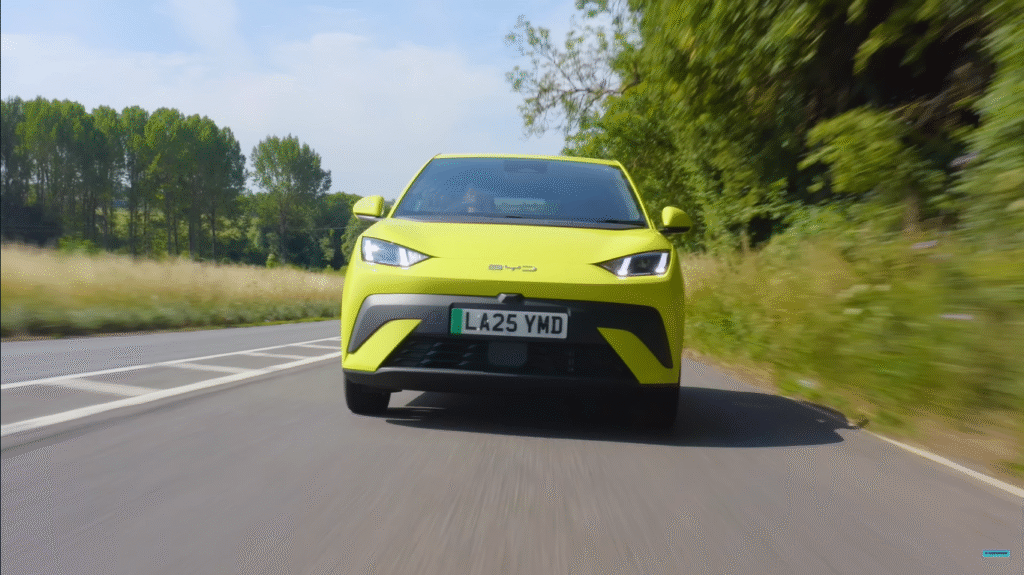
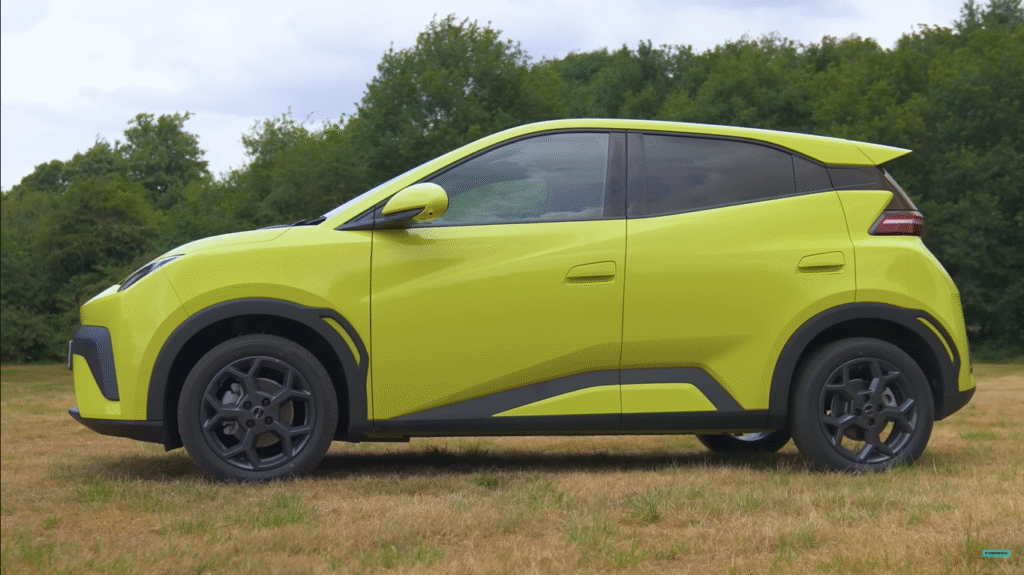
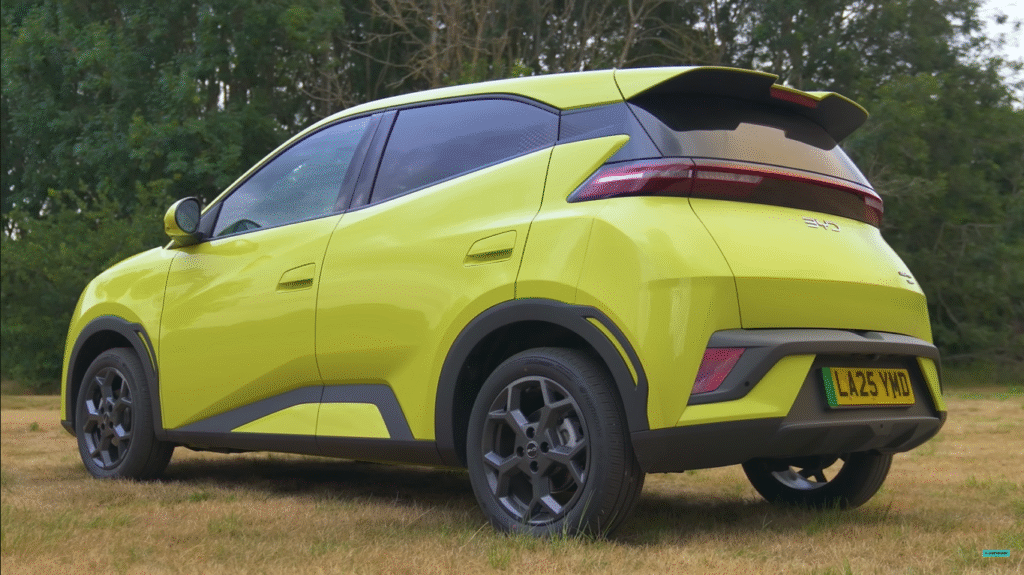
1. BYD Dolphin Surf (Also Called: Seagull, Atto 1)
Expected Price: CAD $23,000-$27,000
This is the entry point. The affordable runabout that makes EV ownership accessible.
Specifications:
- Battery Options: 30kWh or 42kWh
- Range: Up to 320km
- Power: 154 PS (154 hp) front-wheel drive
- DC Fast Charging: 85kW
- Battery Technology: BYD Blade Battery (can be run over by a truck without thermal runaway/fire—seriously)
Why It Matters:
This is a small, fun, compact car designed by a former Lamborghini stylist. Yes, really. It looks like a mini four-door Lamborghini hatchback. Distinctive, modern, eye-catching.
Perfect For:
- Second car for urban commuting
- First-time EV buyers
- Students needing affordable transport
- City dwellers who don’t need massive range
- Anyone tired of paying CAD $40,000+ for a basic commuter
The Blade Battery Advantage:
BYD’s Blade Battery uses lithium iron phosphate (LFP) chemistry in a unique blade-shaped cell design. Benefits:
- Safer (won’t catch fire even if punctured)
- Longer lifespan (more charge cycles)
- Better thermal stability
- Lower cost
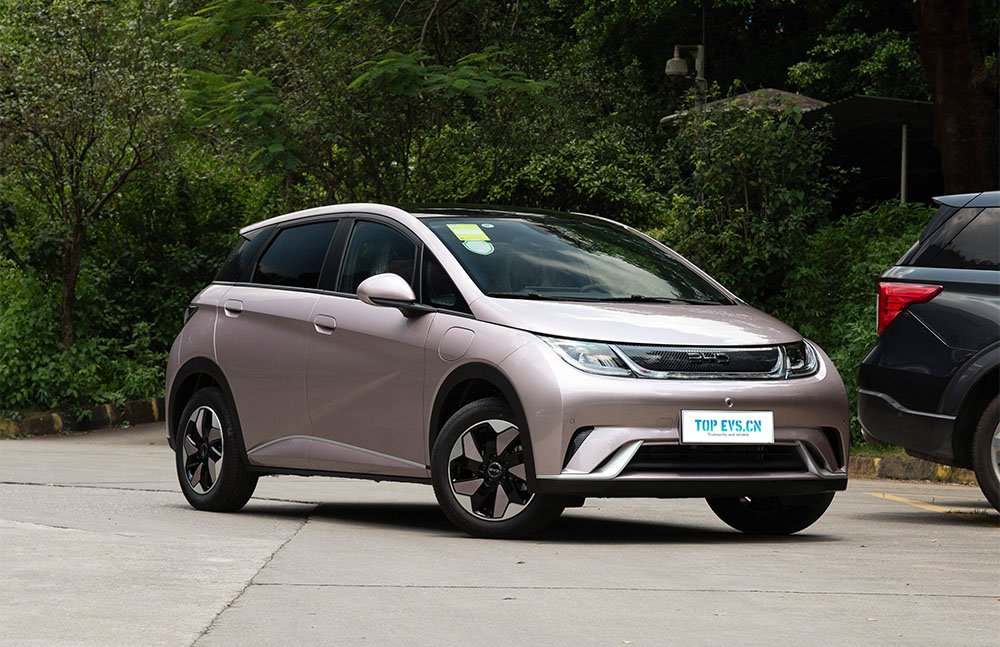
2. BYD Dolphin (Not to Be Confused with Dolphin Surf)
Expected Price: CAD $29,000 (44kWh) to CAD $36,000 (64kWh)
This is BYD’s Chevrolet Bolt/Nissan Leaf competitor—and it’s GOOD.
Specifications (64kWh version):
- Battery: 64kWh Blade Battery
- Range: 425km
- Power: 150kW / 201 PS (201 hp) front-wheel drive
- DC Fast Charging: 80kW (not the fastest, but adequate)
- Size: Comparable to Chevy Bolt
Why It’s a Strong Contender:
I’ve driven this car. It’s well-built, comfortable, practical, and delivers exactly what most people need from an EV. The 425km range covers daily driving plus weekend trips without range anxiety.
The Charging Caveat:
80kW DC fast charging isn’t class-leading (Chevy Bolt/Nissan Leaf do 150kW). But:
- For daily charging at home, it doesn’t matter
- 80kW gets you 20-80% in ~40 minutes
- Most charging happens overnight anyway
Perfect For:
- Primary family car
- Daily 50-100km commuters
- Weekend road trippers (425km range works)
- Former Bolt/Leaf owners wanting a modern equivalent
3. BYD Atto 2 DMi (Plug-in Hybrid)
Expected Price: CAD $30,000-$35,000
Many people don’t realize this, but China makes AMAZING plug-in hybrids and extended-range EVs (E-REVs). The Atto 2 DMi showcases this.
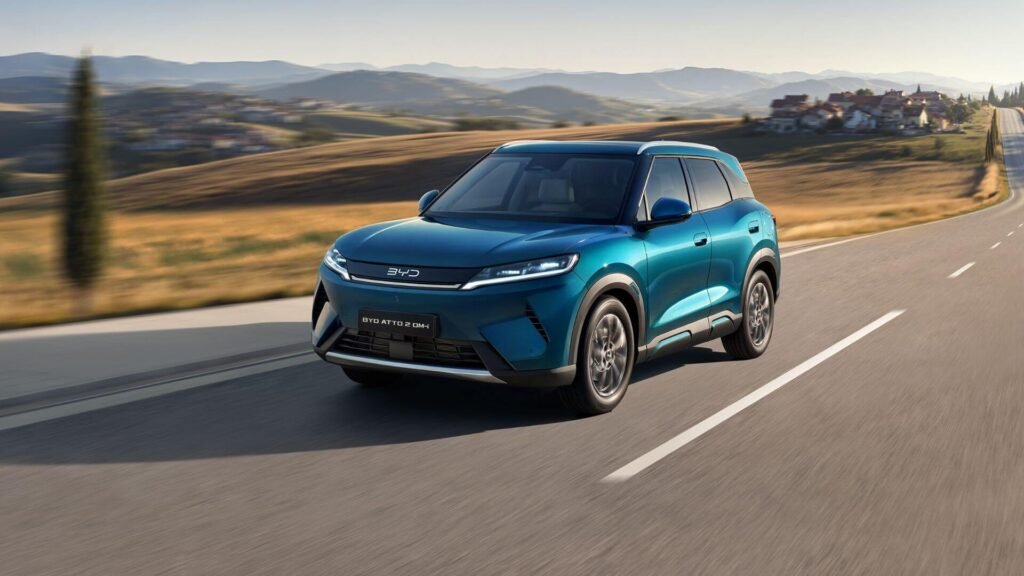
Specifications:
- Combined Range: ~1,000km (!!!)
- Engine: 1.5L gasoline (acts primarily as generator)
- Battery Options: Two sizes available
- Type: PHEV (plug-in hybrid electric vehicle)
How It Works:
Think Chevy Volt philosophy: electric motor drives the wheels, gas engine acts as generator when battery depletes. You drive mostly electric, but have unlimited range when needed.
Why Canadians Need This:
Canada is HUGE. Winter is cold. Range anxiety is real. A PHEV gives you:
- Electric driving for daily commutes (40-60km electric-only)
- Gas backup for long trips
- No charging infrastructure worries
- Better cold-weather performance than pure EVs
Perfect For:
- Long-distance commuters
- Rural Canadians
- Winter-anxious buyers
- Those without home charging
- Anyone who can’t commit to pure EV yet
MG: The British Heritage, Chinese Excellence
MG (Morris Garages) was a beloved British marque bought by Shanghai Automotive Industry Corporation (SAIC) about 20 years ago. They’ve become an EV powerhouse.
MG4: The Rear-Wheel Drive Revelation
Expected Price: CAD $34,000-$35,000 (64kWh version)
Full disclosure: This is one of my favorite EVs. Period. We’ve reviewed it on our channel. I’ve driven it extensively in Germany. It’s exceptional value.
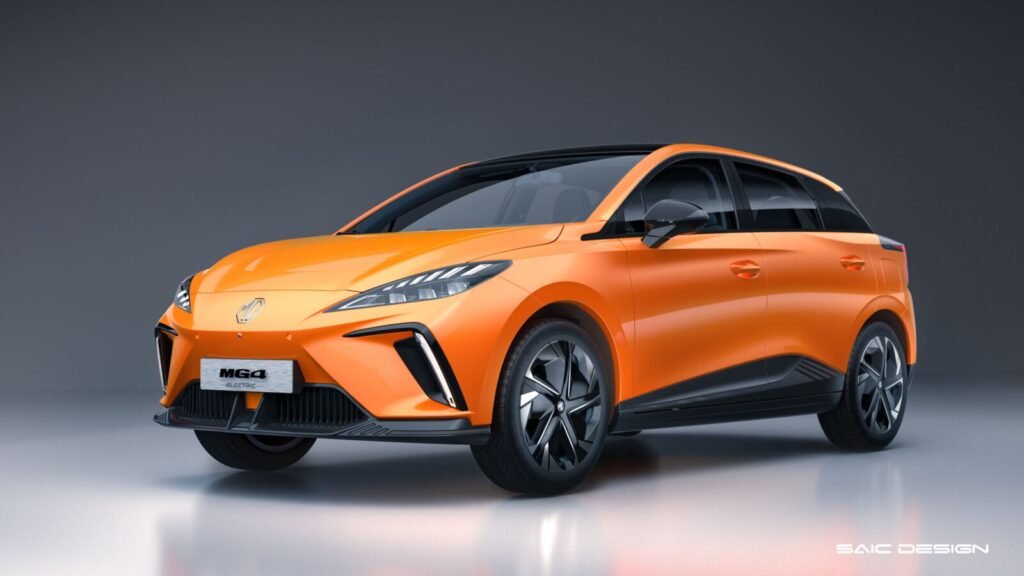
Specifications (64kWh version):
- Battery Options: 51kWh, 64kWh, 77kWh (we’re focusing on 64kWh for Canada)
- Power: Up to 200 PS (200 hp) REAR-WHEEL DRIVE
- Range: 450km
- DC Fast Charging: 120kW to 200kW (depends on battery size)
- Layout: Rear-engine, RWD (like a Porsche!)
Why This Is Special:
Most affordable EVs are front-wheel drive. The MG4 is REAR-WHEEL DRIVE. This means:
- Better weight distribution
- More engaging driving dynamics
- Snow/winter handling benefits (weight over drive wheels)
- Fun factor (RWD = fun)
The X-Power Variant:
There’s also an MG4 X-Power with 400 PS (400 hp). It won’t likely make the CAD $35,000 cut, but if it does? Performance bargain of the decade.
Perfect For:
- Driving enthusiasts on a budget
- Former hot hatch owners
- Anyone wanting “fun” in an affordable EV
- Winter drivers (RWD + winter tires = excellent)
Jaecoo & Omoda: The Brands You’ve Never Heard Of
If you’re in the UK or Europe, you know these names. In Canada? Probably not. Yet.
Jaecoo J5 / Omoda E5
Expected Price: CAD $36,000
These are essentially the same vehicle with different bodies, made by Chery—one of China’s oldest automakers (I first heard of them 20 years ago).
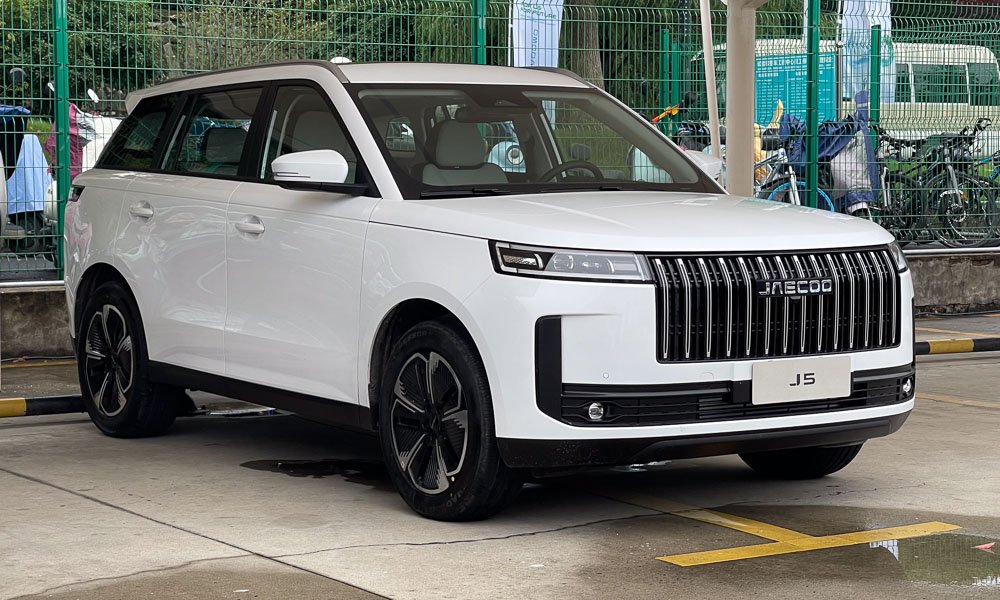
Specifications:
- Range: 420km
- Power: 210 PS (210 hp)
- Battery: 62kWh
- Variants: EV, PHEV, and gasoline versions available
Why They’re Selling Well in the UK:
Leasing under £300/month (~CAD $530). That’s incredibly affordable for a modern crossover with solid specs.
The Chery Story:
Chery is a fast-growing company offering good products at aggressive price points. In an era where mainstream manufacturers have abandoned affordability, Chery is filling that void.
Perfect For:
- Crossover/SUV buyers on a budget
- Former compact SUV owners (RAV4, CR-V size)
- Lease-focused buyers
- Those wanting “normal” car shape (not a hatchback)
Leapmotor: The Stellantis Connection Changes Everything
Leapmotor is partnered with Stellantis (owner of Jeep, Ram, Chrysler, Dodge, Peugeot, Fiat, Alfa Romeo, and more). This is a HUGE advantage for Canadian market entry.
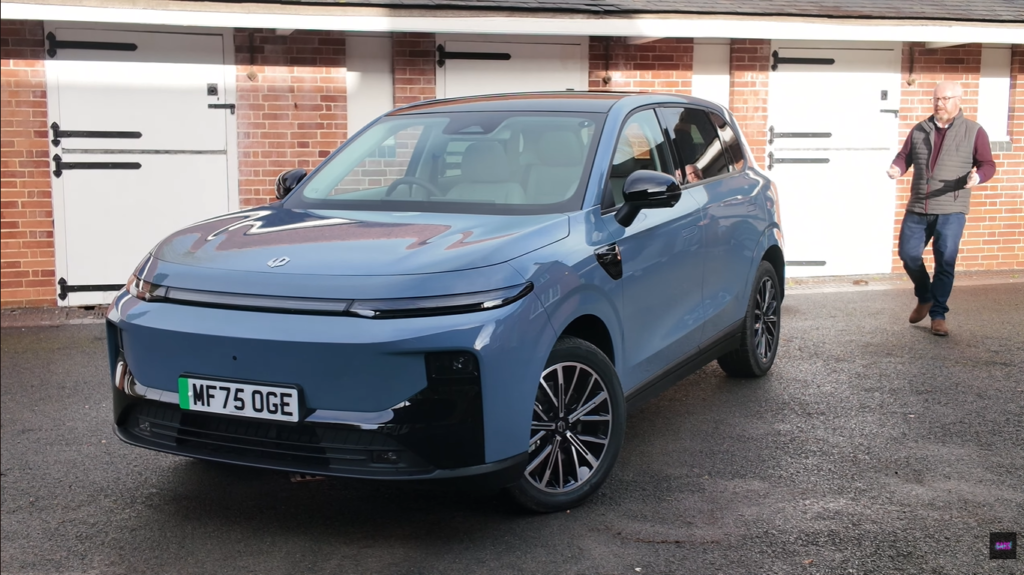
Leapmotor B10: The Probable Winner
Expected Price: CAD $40,000-$45,000 (estimated)
This one I’m calling as the total winner for Canada.
Why?
Stellantis has a massive dealer network in Canada. That means:
- Established service infrastructure
- Easy certification process
- Consumer trust (buying from “known” dealer)
- Parts availability
- Warranty support
Specifications:
- Architecture: 800-volt (FAST charging)
- Power: Up to 210 PS (210 hp) rear-wheel drive
- Battery: 56kWh or 68kWh
- DC Fast Charging: Up to 170kW
- Range: 450km
- Type: Crossover (because everything is a crossover now)
The 800V Advantage:
800-volt architecture means SIGNIFICANTLY faster charging than 400V systems. Think:
- 10-80% in ~20 minutes (vs 40+ minutes for 400V)
- Less time waiting on road trips
- Future-proof as infrastructure improves
Perfect For:
- Mainstream buyers wanting “normal” purchase experience
- Those who value dealer network
- Fast-charging enthusiasts
- Anyone skeptical of “unknown” Chinese brands
What About Battery Sizes? An Important Note
You might notice these EVs have “normal” battery sizes: 44-77kWh. They’re not packing 100-150kWh monsters.
Why This Matters:
Chinese manufacturers CAN build batteries cheaply. They COULD toss in 150kWh packs and advertise 800km+ ranges.
But for Canada’s CAD $35,000 price target, manufacturers are being smart:
- Smaller batteries = lower cost
- 400-450km range is adequate for 95% of buyers
- Lighter weight = better efficiency
- Faster charging (smaller battery fills quicker)
The Sweet Spot: 60-70kWh delivers 400-450km range at an affordable price. That’s the formula.
Honorable Mentions: What Didn’t Make the Cut (Yet)
Geely Group Brands
Geely owns:
- Smart (the tiny EV brand)
- Volvo (yes, Volvo is Chinese-owned)
- Polestar (Volvo’s EV performance brand)
- Zeekr, Lynk & Co, Geometry, and more
I could do an entire article just on Geely’s portfolio. Expect some of these brands to leverage the quota, especially Smart’s affordable urban EVs.
Upmarket Chinese EVs
Brands like:
- Zeekr (luxury performance)
- Xpeng (tech-focused, autonomous driving)
- Nio (battery-swap specialist, premium positioning)
- Xiaomi (yes, the phone company—they make an incredible EV)
These are CAD $50,000-$70,000+ vehicles. Amazing cars, but they fall outside the “affordable” focus of this trade deal.
Exception: Nio Firefly (their small, affordable EV) might sneak in.
What Canadians NEED from These Chinese EVs
Okay, Chinese manufacturers, if you’re reading this (and you should be), here’s what Canadian buyers absolutely require:
1. Cold Weather Testing & Battery Preconditioning
Right now it’s -25°C in many parts of Canada. Your EVs MUST handle this.
Requirements:
- Manual battery preconditioning button (don’t rely on navigation-based systems!)
- Effective cabin heating that doesn’t destroy range
- Battery warmers for cold starts
- Tested and verified performance at -30°C
The Button Request:
Please, PLEASE give us a simple button that says “Precondition Battery for Charging.” Don’t make it navigation-dependent. Let me manually warm the battery when I know I’m heading to a charger.
2. Fast Charging Infrastructure Investment
BYD manufactures charging equipment. So does Nio (with battery swap). If you’re selling cars in Canada, invest in charging infrastructure.
The Deal Should Be:
Bring your cars? Fine. But also bring/fund DC fast chargers across the Trans-Canada Highway, in Quebec, Ontario, Alberta, and BC.
BYD chargers aren’t the prettiest, but they WORK. We’ve seen them with Instavolt in the UK. They’re reliable.
3. Proper Canadian Certification
Vehicles must meet:
- Canadian Motor Vehicle Safety Standards (CMVSS)
- Cold-weather performance requirements
- Crash safety standards
- Emissions standards (yes, even for EVs—manufacturing impacts)
The trade deal mentions working with manufacturers on “timely vehicle certification.” This needs to happen FAST.
The Charging Infrastructure Reality Check
Here’s an inconvenient truth: Canada’s EV charging network is improving but still patchy outside major urban centers.
Current State:
- Urban centers (Toronto, Vancouver, Montreal): Good coverage
- Trans-Canada Highway: Improving but gaps remain
- Rural areas: Challenging
- Northern regions: Sparse
What This Means:
For Chinese EVs to succeed, especially PHEVs, infrastructure MUST improve. Otherwise:
- Pure EVs remain urban-focused
- PHEVs become the practical choice for most Canadians
- Range anxiety remains a barrier
The Opportunity:
Chinese EV manufacturers could be HEROES by funding charging infrastructure as part of their Canadian entry strategy.
Political Fallout: The Controversy Explained
This deal isn’t universally popular. Let’s address the concerns:
Ontario’s Concerns (Premier Doug Ford)
His Arguments:
- Threatens Canadian auto manufacturing jobs
- Damages relationship with the US (our largest trading partner)
- Potential “spyware” in Chinese EVs
- May not be able to drive Chinese EVs into the US
Counterarguments:
- Canadian auto jobs depend on competitiveness, not protectionism
- US tariffs on Canada forced this move (Trump’s aggressive trade stance)
- “Spyware” concerns lack evidence (every modern car collects data)
- Joint-venture requirements should CREATE jobs
Union Concerns (Unifor)
Unifor represents auto workers. Their concern: cheap imports undermine domestic production.
Fair Point, But:
- Legacy automakers abandoned affordable vehicles
- Canadians deserve access to vehicles they can afford
- Joint-venture requirements aim to create Canadian manufacturing
US Relations
The U.S. has spent the last few years trying to separate itself from China’s EV supply chain for national security reasons, under both Presidents Biden and Trump.
Canada breaking ranks is significant. But Trump himself said: “That’s what he should be doing. It’s a good thing for him to sign a trade deal.”
The Reality:
North American auto integration is deep, but Canada can’t sacrifice consumer interests to align 100% with US policy—especially when the US imposed hostile tariffs on Canada first.
What Happens Next: Timeline
Now – March 2026
- Manufacturers finalize which models to import
- Canadian certification process begins
- Dealership arrangements negotiated
- Infrastructure planning
March – June 2026
- First Chinese EVs arrive
- Initial reviews and testing by Canadian media
- Early adopters take delivery
- Charging infrastructure announcements
Summer 2026 Onward
- Full-scale imports begin
- 49,000-vehicle quota fills (probably quickly)
- Joint-venture manufacturing announcements
- Infrastructure build-out begins
My Prediction:
The 49,000-vehicle quota for year one will sell out in 3-6 months. Demand for affordable EVs is massive. Supply will be the constraint, not demand.
Who Should Wait for Chinese EVs?
BUY A CHINESE EV IF:
✅ You’re budget-conscious (under CAD $35,000 target)
✅ You mostly drive urban/suburban (400km range adequate)
✅ You have home charging
✅ You’re comfortable with newer brands
✅ You want cutting-edge battery technology
✅ You value bang-for-buck over badge prestige
WAIT FOR ESTABLISHED BRANDS IF:
❌ You need extensive dealer network (though Stellantis/Leapmotor addresses this)
❌ You’re skeptical of first-year products
❌ You demand 500+ km range
❌ You have no home charging (infrastructure still building)
❌ Resale value is critical (unknown for Chinese EVs in Canada yet)
CONSIDER CHINESE PHEV IF:
✅ You’re range-anxious
✅ You drive long distances regularly
✅ You live in rural areas
✅ You can’t commit to pure EV
✅ You want electric driving with gas backup
The Bigger Picture: What This Means for the Industry
This isn’t just about 49,000 vehicles. This is about:
1. Forcing Competition
Legacy automakers have gotten lazy. Vehicles are too expensive. Chinese competition will force:
- Lower prices
- Better technology
- Faster innovation
- Consumer-focused features
2. Accelerating EV Adoption
CAD $35,000 EVs will bring electric vehicles to buyers priced out of current options. More EVs = cleaner air, lower emissions, progress on climate goals.
3. Technology Transfer
The joint-venture requirements mean Canadian manufacturers will learn from Chinese battery technology, manufacturing efficiency, and EV engineering.
4. Infrastructure Investment
More EVs = more pressure to build charging infrastructure. Everyone benefits.
5. Geopolitical Shift
Canada is asserting independence from US policy. We’re building relationships with China on our terms. This is significant beyond just cars.
Final Thoughts: My Perspective
I woke up to this news and honestly? I’m excited. Genuinely excited.
I’ve driven Chinese EVs. I’ve seen their build quality, their technology, their battery innovations. They’re GOOD. Often better than Western equivalents at similar prices.
Canadians deserve access to affordable transportation. The current market where a basic sedan costs CAD $40,000+ is unsustainable. Chinese EVs at CAD $23,000-$35,000 change the equation.
Yes, there are concerns:
- Jobs (addressed via joint ventures)
- US relations (they started the trade war)
- Infrastructure (needs investment)
- Cold weather (manufacturers must validate)
But overall? This is progress. This is competition. This is what the market needs.
To Chinese Manufacturers:
I’m here. I want to drive your cars. I want to review them. I want to promote them to Canadian buyers. Reach out. Let’s work together.
To Canadian Buyers:
We’re entering a new era. More choice, better prices, advanced technology. Do your research. Test drive. Ask questions. Be open-minded.
To the Industry:
Step up or step aside. Competition has arrived.
First arrivals expected March-June 2026, with full-scale imports throughout 2026. The 49,000-vehicle annual quota will likely sell out quickly.