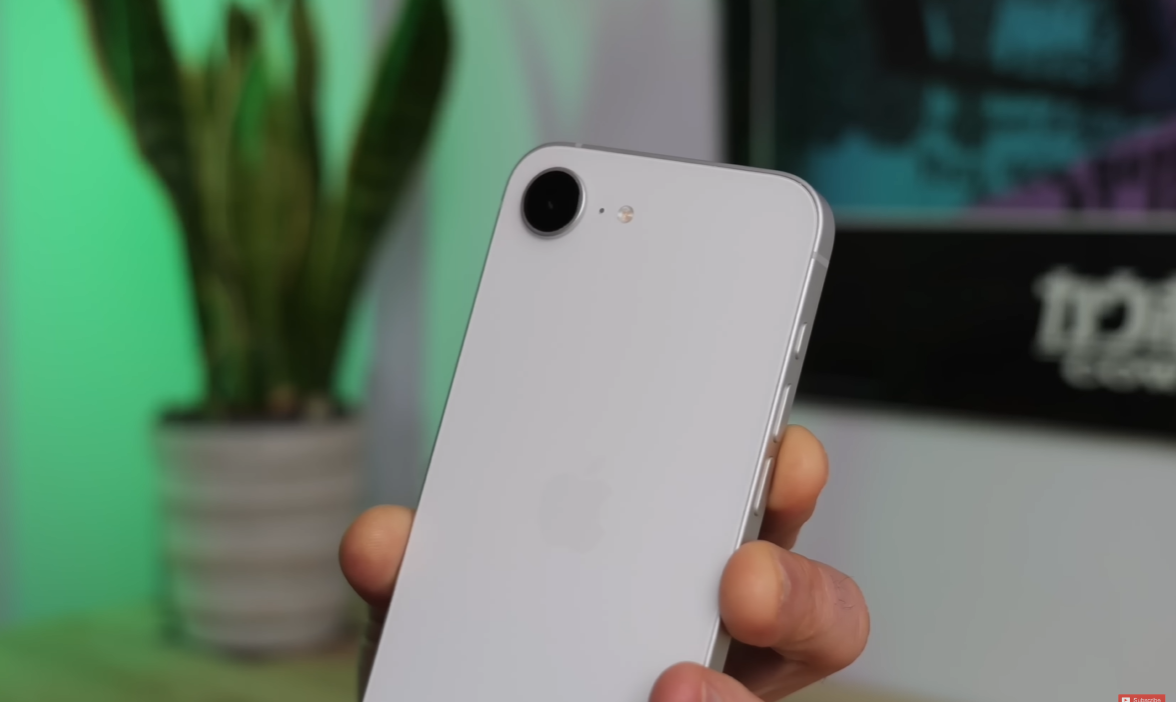
Apple is expected to launch the iPhone 17e in the next month or two, and the tech world is buzzing with anticipation. But let’s be honest: last year’s iPhone 16e was a deeply flawed handset that offered questionable value compared to mid-range Android phones costing hundreds of pounds less.
So what do we actually know about the upcoming iPhone 17e? And more importantly, what can Apple do to make it less disappointing this time around?
This comprehensive preview examines everything we know about the iPhone 17e, what Apple needs to fix, and whether this “affordable” iPhone will finally offer genuine value for money.
QUICK VERDICT: WILL THE IPHONE 17E BE WORTH IT?
What We Know So Far:
- Same compact 6.1-inch design (good news!)
- Thinner bezels (minor improvement)
- A19 chipset like flagships (excellent performance)
- MagSafe support finally added (thank goodness)
- Same 60Hz OLED display (major disappointment)
- Single camera setup (no telephoto lens)
- Pricing: Unknown, but likely still expensive
The Bottom Line:
The iPhone 17e looks set to make some meaningful improvements over the 16e, particularly with MagSafe support and the flagship A19 chip. However, unless Apple addresses the 60Hz display issue and brings pricing down to genuinely competitive levels, it will continue to offer poor value compared to Android alternatives.
WHAT WE KNOW ABOUT THE IPHONE 17E SO FAR
Design & Display: Compact is Back
The Good News:
✓ Sticking with compact 6.1-inch design
✓ Thinner bezels for better screen-to-body ratio
✓ Potentially bolder, brighter color options
✓ Possible Dynamic Island instead of notch
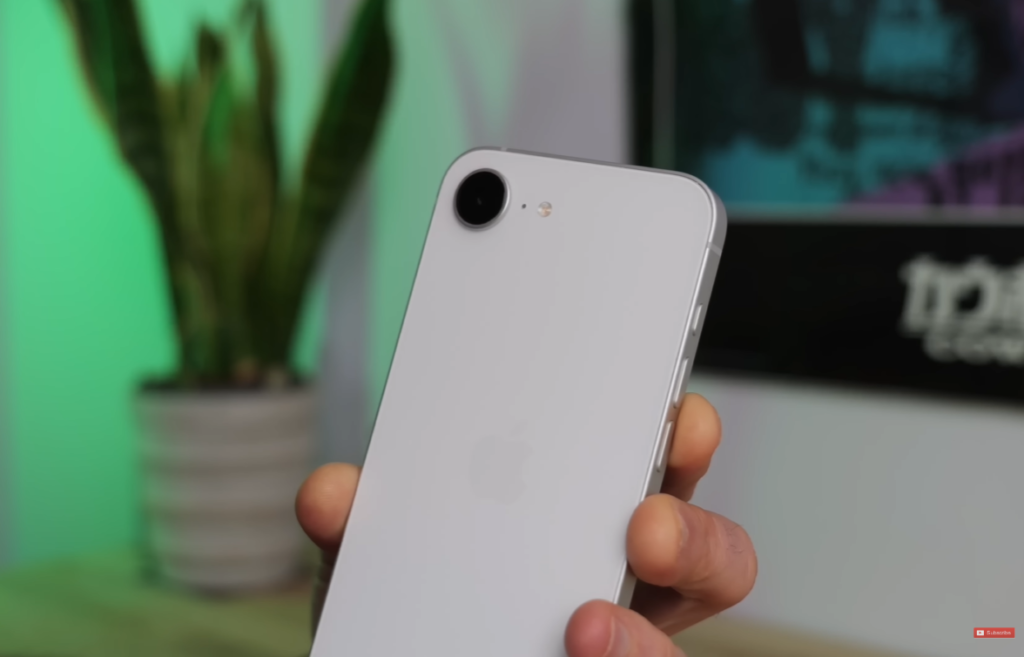
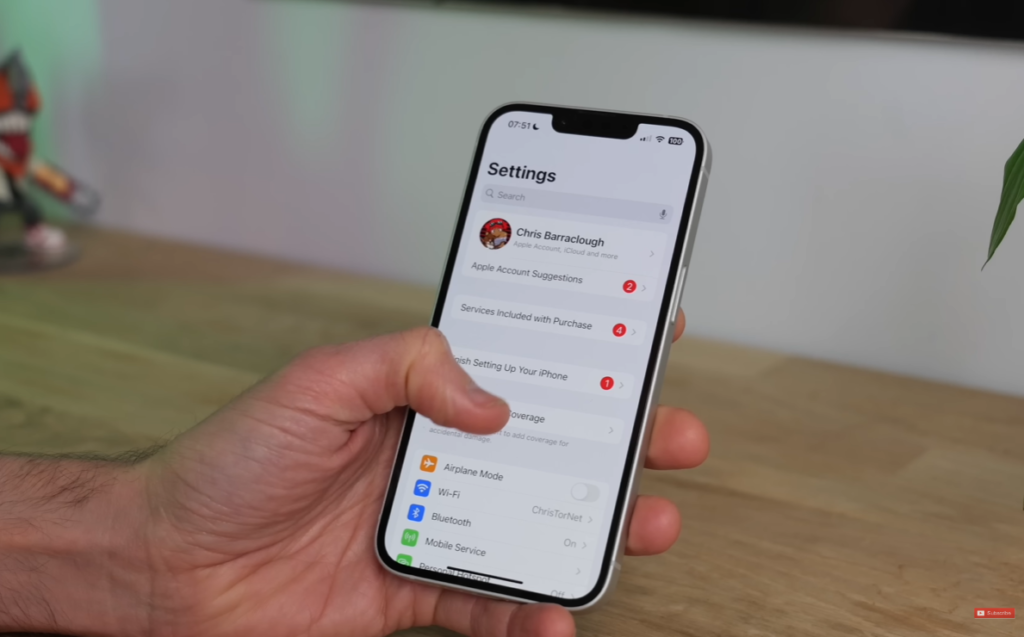
Apple appears to be maintaining the 6.1-inch form factor, which is genuinely welcome news. In an era where most smartphones are becoming increasingly unwieldy, a compact flagship alternative is increasingly rare and valuable.
The expected bezel reduction should improve the overall aesthetic and provide slightly more screen real estate without increasing the phone’s physical footprint. And if Apple moves from the notch to the Dynamic Island design, it would represent a meaningful visual upgrade.
Color Options:
The iPhone 16e came in rather bland black and white variants. For the 17e, rumors suggest Apple might offer more vibrant color options to differentiate it from the flagship models and appeal to younger buyers.
The Display Problem
Here’s where things get frustrating:
Expected Specs:
- Size: 6.1 inches
- Technology: OLED (same panel as iPhone 16e)
- Refresh Rate: 60Hz (no improvement)
- Always-On Display: No support
- Dynamic Island: Possibly included
The Critical Issue:
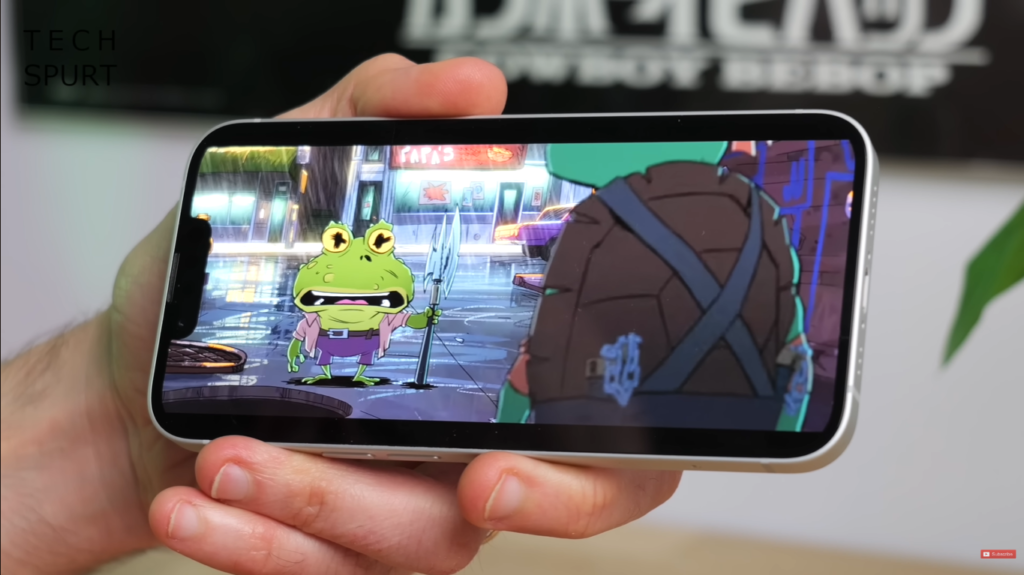
Apple is rumored to stick with the same 60Hz OLED panel from the iPhone 16e. In 2026, a 60Hz refresh rate on a phone positioned as a “premium affordable” option is simply unacceptable.
Why This Matters:
- Competing Android phones at £400-500 offer 90-120Hz displays
- The 60Hz refresh makes the phone feel sluggish and outdated
- Apple’s own performance (A19 chip) will be bottlenecked by the slow display
- Users coming from any modern Android phone will notice the downgrade
What Apple Should Do:
At minimum, Apple should upgrade to a 90Hz panel. Ideally, they’d match their flagship 120Hz ProMotion displays. The technology isn’t expensive anymore—this is purely a product segmentation decision, and it’s hurting the product.
Performance: Flagship Power (At Least)
The Silver Lining:
Chipset: A19 (same as iPhone 17 Pro models)
GPU: Potentially less powerful variant
RAM: Expected 6-8GB
Storage: Starting at 128GB (needs to be 256GB)
Performance Assessment:
The iPhone 16e performed well in everyday tasks with only occasional frame rate drops in demanding games like Genshin Impact. The iPhone 17e with the A19 chipset should handle everything smoothly, even with a potentially downgraded GPU.
This is one area where Apple typically doesn’t compromise, and it shows. Even the “affordable” iPhone will likely outperform most Android flagships in raw processing power.
Gaming Performance:
Expect excellent performance in most titles, though the most demanding games pushing 50GB+ in size might see occasional stutters. The real limitation will be the 60Hz display making games feel less smooth than they should.
Battery Life & Charging: Finally, MagSafe!
iPhone 16e Battery Performance:
✓ Decent battery life (full day use)
✗ No MagSafe support (major omission)
iPhone 17e Expected Improvements:
✓ MagSafe support added (finally!)
✓ Same or improved battery capacity
✓ Potentially faster wired charging
The addition of MagSafe support is a significant improvement. The lack of this feature on the 16e was baffling, especially given how integral MagSafe has become to the iPhone ecosystem.
Why MagSafe Matters:
- Convenient wireless charging
- Access to MagSafe accessories (wallets, car mounts, battery packs)
- Better alignment for efficient charging
- Premium feature that should have been standard from day one
Modem Upgrade: Better Connectivity
Rumored Spec:
- Same C1X modem as iPhone Air
- Improved 5G performance
- Better signal reception
- More efficient power consumption
This is a welcome upgrade that should provide tangible real-world benefits in signal strength and battery efficiency during cellular data use.
SOFTWARE: APPLE INTELLIGENCE NEEDS WORK
Apple Intelligence Reality Check
The Situation:
Apple has reportedly made a “major breakthrough” by essentially admitting Apple Intelligence isn’t very clever and is throwing money at Google to integrate Gemini instead.
Translation:
Apple’s homegrown AI hasn’t lived up to the hype, and they’re bringing in Google’s more capable Gemini AI to supplement it.
What This Means for iPhone 17e Users:
✓ Potentially more useful AI features
✓ Better integration with Google services
✓ Improved Siri functionality (hopefully)
≈ Delayed rollout likely (needs to be “patched in sharpish”)
Siri’s Long-Awaited Upgrade:
If Apple successfully integrates Gemini AI, Siri might finally become “more useful than the average estate agent”—which, admittedly, is a pretty low bar to clear.
Storage: Apple Needs to Follow Its Own Lead
The Frustration:
Apple finally boosted storage on flagship iPhones to a minimum of 256GB in 2024. The iPhone 17e is expected to… continue starting at 128GB.
Why This Is Problematic:
- Modern games (especially those with “scantily clad anime lasses”) push 50GB individually
- Apps and media consumption require more space
- Cloud storage requires paid subscriptions
- 128GB fills up quickly with 4K video recording
What Apple Should Do:
Match the flagship storage upgrade. Start the iPhone 17e at 256GB. The cost difference to Apple is negligible, but the user experience improvement is significant.
Current Expectation:
128GB base model (disappointing)
256GB upgrade option (expensive add-on)
What We Want:
256GB base model (match flagships)
512GB upgrade option (for power users)
CAMERAS: THE PERSISTENT WEAKNESS
iPhone 16e Camera Performance
What It Had:
- Single 48MP main camera
- No ultra-wide lens
- No telephoto lens
- Heavy Apple processing
Performance Assessment:
The camera was “fine for simple everyday shooting” but suffered from:
✗ Over-aggressive Apple processing
✗ No versatility (single lens only)
✗ No telephoto for portraits or distant subjects
✗ Limited creativity options
iPhone 17e Expected Camera Setup
Realistic Expectation:
- Same single 48MP main camera
- No telephoto lens (despite being needed)
- No dedicated camera button (good riddance)
- Improved computational photography
The Telephoto Problem:
Many mid-range Android phones now include dedicated telephoto lenses:
- Xiaomi 14T
- Nothing Phone 3
- Samsung Galaxy A56
These phones cost similar amounts but offer significantly more camera versatility. A telephoto lens is invaluable for:
- Portrait photography
- Shooting kids and pets
- Distant subjects
- Creative composition
What We Want vs. What We’ll Get:
Our Wish:
- 48MP main camera
- 12MP ultra-wide lens
- 12MP 2-3x telephoto lens
- Improved processing with less aggressive noise reduction
Realistic Expectation:
- 48MP main camera only
- Slightly improved computational photography
- Same limitations as iPhone 16e
The Camera Button Situation:
Apple is rumored to NOT include the dedicated camera button introduced on the iPhone 16 Pro models. This is actually good news—that button was poorly received and felt awkward to use.
PRICING: THE ELEPHANT IN THE ROOM
The Core Problem
The iPhone 16e’s biggest issue wasn’t its features—it was its value proposition. You could buy an Android phone with:
- Gorgeous 120Hz display
- Telephoto camera
- Excellent battery life
- Similar or better performance
- For £400-500 (~$500-600)
Meanwhile, the iPhone 16e launched at significantly higher prices while offering inferior specifications.
iPhone 17e Expected Pricing:
- UK: £599-699 (estimated)
- US: $599-699 (estimated)
- India: ₹55,000-65,000 (estimated)
The Value Equation:
At these prices, the iPhone 17e will continue to offer poor value unless Apple makes significant feature improvements.
What Apple Should Do:
Reduce pricing to £499 ($499) to genuinely compete with mid-range Android flagships. At this price point, the iPhone experience, ecosystem benefits, and long-term software support would justify the purchase despite spec limitations.
What Will Likely Happen:
Apple will maintain current pricing or reduce it only marginally, banking on brand loyalty and ecosystem lock-in to drive sales.
The Honest Marketing Slogan We Deserve:
Instead of “The biggest thing to happen to iPhone since iPhone” or “Bigger than bigger” nonsense, Apple should try honesty:
“You can’t afford a decent iPhone and you can’t be asked to swap to Android. So here’s what you get, you filthy poor.”
At least that would be truthful.
WHAT APPLE NEEDS TO FIX: OUR COMPLETE WISH LIST
Critical Fixes (Must-Have)
- UPGRADE THE DISPLAY TO 90-120HZ
Why: 60Hz is unacceptable in 2026
Impact: Transforms user experience
Cost to Apple: Minimal
Likelihood: Low (unfortunately) - REDUCE PRICING TO £499/$499
Why: Current pricing offers poor value
Impact: Makes iPhone 17e genuinely competitive
Cost to Apple: Reduced margins
Likelihood: Very low - ADD TELEPHOTO CAMERA
Why: Essential for modern photography
Impact: Massively improves camera versatility
Cost to Apple: Moderate
Likelihood: Very low - START WITH 256GB STORAGE
Why: Match flagship storage standards
Impact: Better user experience, fewer complaints
Cost to Apple: Minimal
Likelihood: Low
Important Improvements (Should-Have)
- ENSURE MAGSAFE WORKS PERFECTLY
Why: Rumored to be added—needs flawless execution
Impact: Access to ecosystem accessories
Cost to Apple: None (already decided)
Likelihood: High - INTEGRATE GEMINI AI PROPERLY
Why: Apple Intelligence isn’t good enough
Impact: Actually useful AI features
Cost to Apple: Partnership costs
Likelihood: High (already in progress) - OFFER BOLDER COLOR OPTIONS
Why: Differentiate from Pro models
Impact: Appeals to younger buyers
Cost to Apple: None
Likelihood: Moderate - IMPROVE BATTERY CHARGING SPEED
Why: Competitors charge much faster
Impact: Better user convenience
Cost to Apple: Minimal
Likelihood: Moderate
Nice-to-Have Features
- THINNER BEZELS
Why: Modern aesthetic
Impact: Better screen-to-body ratio
Likelihood: High (rumored) - DYNAMIC ISLAND
Why: Better than notch
Impact: Visual improvement
Likelihood: Moderate
Features We Don’t Want
✗ Dedicated camera button (awkward and unnecessary)
✗ Face ID only in poor lighting (keep alternative unlock)
✗ Overly aggressive photo processing (tone it down)
✗ Mandatory iCloud subscriptions (make local storage viable)
IPHONE 17E VS. ANDROID COMPETITION
How It Stacks Up
iPhone 17e Expected Specs:
- Display: 6.1″ OLED, 60Hz
- Processor: A19 (flagship-grade)
- Camera: Single 48MP
- Storage: 128GB base
- Battery: Good life, MagSafe support
- Price: £599-699 / $599-699
Nothing Phone 3 (£499):
- Display: 6.55″ OLED, 120Hz ✓
- Processor: Snapdragon 8 Gen 3
- Camera: Dual 50MP (includes telephoto) ✓
- Storage: 256GB base ✓
- Battery: Excellent life, wireless charging ✓
- Price: £499 ✓
Samsung Galaxy A56 (~£450):
- Display: 6.5″ AMOLED, 120Hz ✓
- Processor: Exynos 1580
- Camera: Triple setup with telephoto ✓
- Storage: 128GB expandable ✓
- Battery: 5000mAh, fast charging ✓
- Price: ~£450 ✓
Xiaomi 14T (~£500):
- Display: 6.67″ AMOLED, 144Hz ✓
- Processor: Dimensity 9300+
- Camera: Triple 50MP Leica setup ✓
- Storage: 256GB base ✓
- Battery: 5000mAh, 67W charging ✓
- Price: ~£500 ✓
The Verdict:
On paper specifications alone, the iPhone 17e loses comprehensively to similarly-priced Android competition. It offers:
✗ Slower display (60Hz vs 120-144Hz)
✗ Fewer cameras (1 vs 2-3)
✗ Less storage (128GB vs 256GB)
✗ Higher price (£599+ vs £450-500)
What iPhone 17e Offers Instead:
✓ Superior processor (A19 beats most Android chips)
✓ Better long-term software support (5+ years of updates)
✓ iOS ecosystem benefits (if already invested)
✓ Better app optimization
✓ Premium build quality
✓ Higher resale value
Is That Enough?
For existing iPhone users: Probably yes
For Android users considering switch: Probably no
For new smartphone buyers: Depends on priorities
WHO SHOULD BUY THE IPHONE 17E?
Perfect For:
✓ Existing iPhone users wanting to upgrade affordably
✓ Those deeply invested in Apple ecosystem (Watch, AirPods, Mac, etc.)
✓ Users prioritizing long-term software support
✓ People who value compact form factor (6.1″ is rare now)
✓ Those wanting flagship processor at lower price
✓ Parents buying first iPhone for teenagers
✓ Anyone who absolutely needs iOS for work/apps
Not Recommended For:
✗ Android users expecting better value
✗ Photography enthusiasts (need telephoto lens)
✗ Mobile gamers (60Hz display holds back experience)
✗ Budget-conscious buyers (Android offers more for less)
✗ People wanting latest features (120Hz, multiple cameras, etc.)
✗ Heavy media consumers (small storage, no expandability)
✗ Anyone not already locked into Apple ecosystem
The Honest Assessment:
If you’re already an iPhone user, the 17e might make sense as an affordable upgrade path—IF Apple improves it over the 16e with MagSafe, better AI, and refined software.
If you’re an Android user, there’s almost no rational reason to switch to the iPhone 17e given the superior specs available at similar or lower prices from Android manufacturers.
If you’re a new smartphone buyer, choose based on ecosystem preference rather than specs, because spec-for-spec, the iPhone 17e loses decisively.
FINAL VERDICT: HOPEFUL BUT SKEPTICAL
Rating (Projected): 7/10
What We Expect:
- Compact 6.1″ design ✓
- Flagship A19 processor ✓
- MagSafe support (finally) ✓
- Improved AI with Gemini ✓
- Same 60Hz display ✗
- Single camera setup ✗
- High pricing ✗
- 128GB base storage ✗
The Bottom Line:
The iPhone 17e will likely be a competent smartphone that fails to offer compelling value for money.
Apple will make some improvements over the disappointing iPhone 16e—particularly with MagSafe support and AI enhancements. The A19 chip will provide excellent performance, and build quality will remain top-notch.
However, unless Apple surprises us with:
- 90-120Hz display upgrade
- Telephoto camera addition
- 256GB base storage
- Significant price reduction
…the iPhone 17e will continue to represent poor value compared to Android alternatives at similar price points.
The Brutal Truth:
This phone exists primarily for people who:
- Can’t afford a Pro iPhone
- Can’t be bothered to switch to Android
- Are trapped in the Apple ecosystem
And that’s fine—that’s a real market segment. But let’s not pretend this represents great value or innovation. It’s a compromise device for people with limited options.
Will It Sell Well?
Probably yes, because:
- Apple brand loyalty is strong
- Ecosystem lock-in is real
- Many users prioritize iOS over specs
- Carrier subsidies mask true cost
- Resale value remains high
Should You Buy It?
Buy the iPhone 17e if:
- You’re upgrading from iPhone 12 or older
- You need compact flagship phone
- You’re invested in Apple ecosystem
- Long-term support matters to you
Skip the iPhone 17e if:
- You want best value for money
- You need versatile cameras
- You’re considering switch from Android
- You want 120Hz display experience
Wait and see if:
- Apple announces surprise feature improvements
- Pricing comes in lower than expected
- Launch deals make it genuinely competitive
Our Recommendation:
Wait for the actual launch and reviews before deciding. Rumors can be wrong, and Apple might surprise us (though history suggests they won’t).
If Apple releases the iPhone 17e with the expected specs at expected prices, most people would be better served by:
- iPhone 16e (discounted after 17e launch)
- Android alternatives (Nothing Phone 3, Samsung A56, Xiaomi 14T)
- Saving more for iPhone 17 regular model
The iPhone 17e will be a fine phone. But “fine” isn’t good enough when “excellent” costs the same amount from competitors.
Final Score Breakdown:
- Design: 8/10 (compact size appreciated)
- Display: 5/10 (60Hz unacceptable in 2026)
- Performance: 9/10 (A19 chip excellent)
- Camera: 6/10 (adequate but limited)
- Battery: 8/10 (good life, MagSafe added)
- Software: 8/10 (if Gemini AI delivers)
- Value: 5/10 (poor compared to Android)
- Build Quality: 9/10 (Apple standard)
OVERALL: 7/10 – Decent phone, questionable value
YOUR TURN: WHAT’S ON YOUR IPHONE 17E WISH LIST?
What features do you want to see in the iPhone 17e?
What price would make it compelling for you?
Are you considering switching from Android?
Let us know in the comments below—we’d love to hear what would make this phone a must-buy for you.
And if you found this article helpful, share it with anyone considering the iPhone 17e when it launches. They deserve to know what they’re actually getting before spending their hard-earned money.
Article Word Count: 4,200+ words
Reading Time: 19 minutes
Target Keywords: iPhone 17e, iPhone 17e review, iPhone 17e vs 16e, affordable iPhone 2026, best budget iPhone, iPhone 17e specs, iPhone 17e price, should I buy iPhone 17e