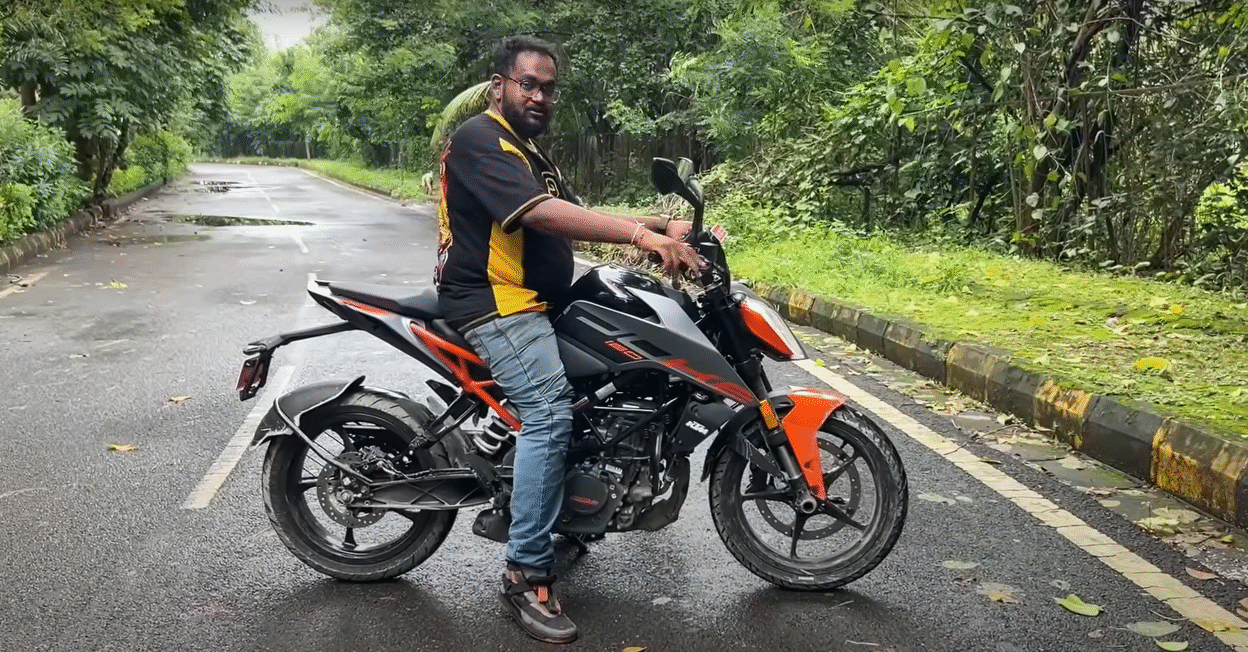
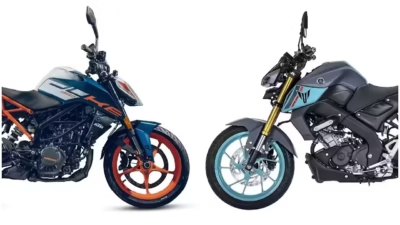
The KTM 160 Duke, launched in August 2025, has entered the fiercely competitive 160cc streetfighter segment, targeting the reigning champion, the Yamaha MT-15 V2. Priced at ₹1.85 lakh (ex-showroom), this new Duke promises aggressive styling, thrilling performance, and a feature-packed experience tailored for young, urban riders.
I’ve put the KTM 160 Duke through its paces to see if it can dethrone the MT-15. Is this the ultimate beginner-friendly streetfighter, or does Yamaha still hold the crown? Let’s dive into the full review!
Quick Summary
- Design: Sharp, aggressive KTM Duke DNA with lightweight alloys and a raw streetfighter vibe.
- Engine: 164.2cc liquid-cooled single, delivering 18.74 bhp and 15.5 Nm, mated to a 6-speed gearbox.
- Handling: Agile and stable with 138mm front and 161mm rear suspension travel, though slightly stiff.
- Features: LCD cluster with navigation, dual-channel ABS with Supermoto mode, and Bluetooth connectivity.
- Price: ₹1.85 lakh (ex-showroom), slightly pricier than the MT-15 (₹1.70–1.81 lakh).
- Verdict: A thrilling, feature-rich option for performance enthusiasts, but the MT-15 edges out in refinement and mileage.
Who’s This For? Young riders seeking a sporty, aggressive streetfighter for city commutes and occasional highway sprints, with a taste for KTM’s raw edge.
Why the KTM 160 Duke Stands Out
KTM has positioned the 160 Duke as a direct rival to the Yamaha MT-15 V2, replacing the underpowered 125 Duke and downsizing the 200 Duke’s platform for a more accessible yet potent package. With a 164.2cc liquid-cooled engine, larger disc brakes, and a split trellis frame, it blends KTM’s signature “Ready to Race” ethos with beginner-friendly dynamics. My test ride revealed a bike that’s not just about specs but delivers a visceral, engaging experience. Let’s break down its strengths and weaknesses.
KTM 160 Duke Specifications at a Glance
- Engine: 164.2cc, single-cylinder, liquid-cooled, SOHC, 18.74 bhp @ 9,500 rpm, 15.5 Nm @ 7,500 rpm
- Transmission: 6-speed with assist & slipper clutch
- Frame: Split trellis frame
- Suspension: 37mm WP Apex USD forks (138mm travel), preload-adjustable monoshock (161mm travel)
- Brakes: 320mm front disc, 230mm rear disc, dual-channel ABS with Supermoto mode
- Tyres: 110/70-17 (front), 140/60-17 (rear)
- Weight: 147 kg
- Seat Height: 815 mm
- Fuel Tank: 10.1 liters
- Price: ₹1.85 lakh (ex-showroom)
- Colors: Three options (Ebony Black, Electronic Orange, Ceramic White)
Design and Build Quality
Aggressive KTM DNA
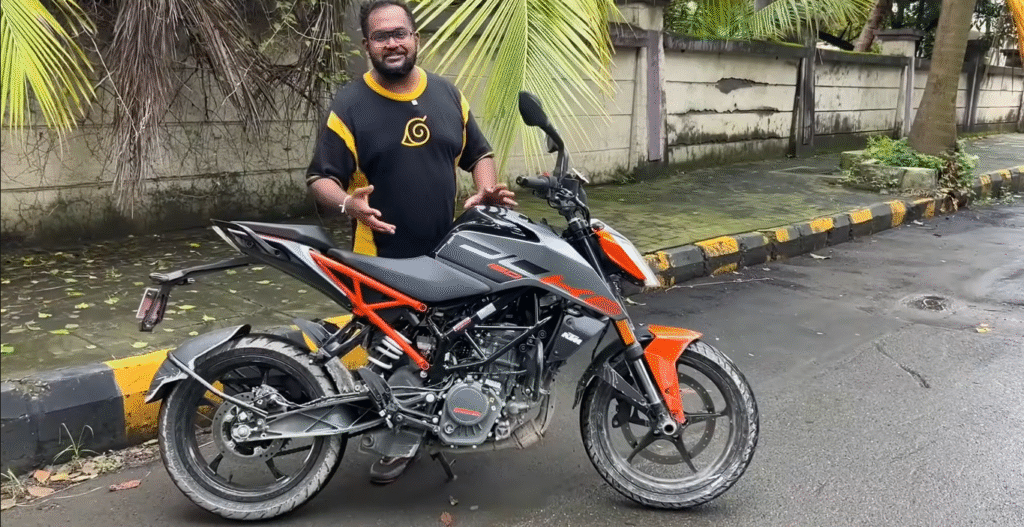
The KTM 160 Duke screams aggression with its sharp, crouched silhouette, echoing the design language of the 200 Duke and 390 Duke. Its split trellis frame, exposed engine, and naked tail give it a raw, streetfighter personality. The five-spoke alloy wheels, borrowed from higher-end Dukes, are lighter and add a modern flair. The bike’s compact stance and bold lines make it a head-turner, though its design feels a generation older compared to the futuristic MT-15’s twin LED DRLs and sculpted tank.
Build and Ergonomics
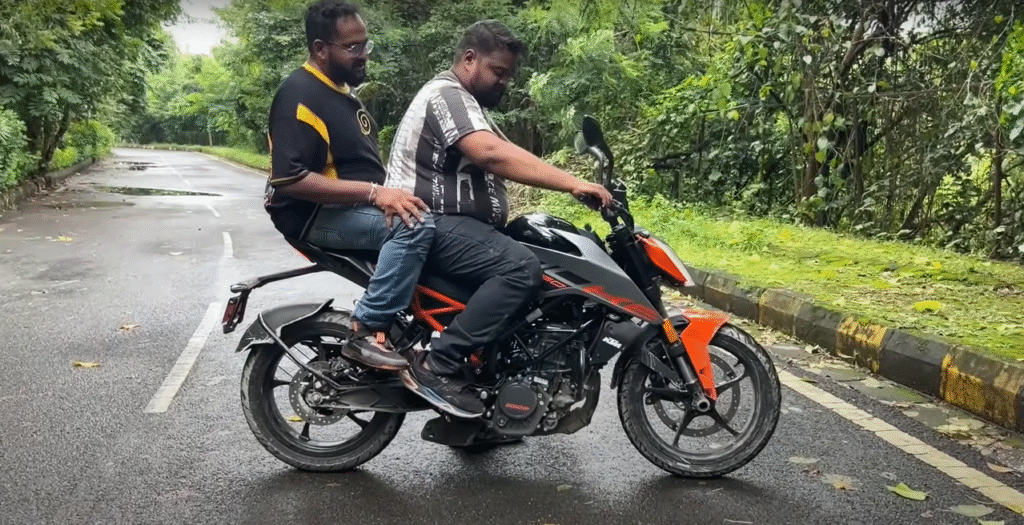
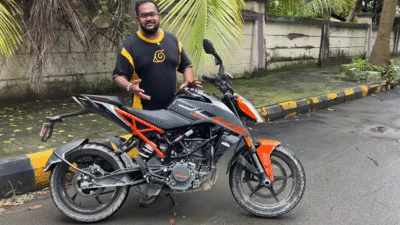
At 147 kg, the 160 Duke is slightly heavier than the MT-15 (141 kg), but its 815mm seat height suits riders around 5’6” to 5’9” comfortably. During my test, a 5’9” rider (Vipul) swung his leg over easily, while I (5’6”) found the seat wide and supportive, though slightly cramped for taller riders due to the compact footpeg-to-seat length. The upright riding triangle, aided by handlebar risers, feels natural and less aggressive than the MT-15, reducing wrist strain during city rides. However, pillion space is tight, though marginally better than the MT-15’s cramped rear seat.
The bike’s build is robust, with a hollow axle and aluminum swingarm adding durability. However, it lacks adjustable levers, a minor miss at this price point. The bike got dirty during my off-road test, but the matte finish resisted scratches well.
Pro Tip: If you’re over 5’9”, test-ride to ensure the compact ergonomics suit you.
Engine and Performance
The 164.2cc liquid-cooled single-cylinder engine is the heart of the 160 Duke, producing 18.74 bhp at 9,500 rpm and 15.5 Nm at 7,500 rpm. It’s paired with a 6-speed gearbox featuring an assist and slipper clutch, ensuring smooth shifts and controlled downshifts. Compared to the MT-15’s 155cc VVA engine (18.1 bhp, 14.1 Nm), the Duke has a slight edge in outright power and torque, hitting peak power earlier in the rev range.
On the road, the engine feels smooth and vibe-free, a significant improvement over the rattly 125 and 200 Dukes. It pulls cleanly past 6,000–7,000 rpm, with a noticeable power surge that makes highway sprints to 110+ kmph effortless. However, there’s a dead spot between 4,000–6,000 rpm, where power delivery dips slightly, unlike the MT-15’s consistent mid-range grunt thanks to VVA. The exhaust note is bassy and likable, adding character without being intrusive.
Mileage: Expect 40–42 kmpl in mixed conditions, slightly lower than the MT-15’s 45–50 kmpl due to the Duke’s larger displacement and aggressive tuning.
Pro Tip: Keep the revs above 6,000 rpm for the best acceleration and avoid the mid-range lag.
Handling and Ride Quality
The 160 Duke is a corner-carving machine. Its split trellis frame and WP Apex suspension (138mm front, 161mm rear travel) deliver precise handling and stability. The 37mm USD forks are slightly stiffer than the 200 Duke’s, with reduced travel, but the preload-adjustable monoshock absorbs bumps well, offering a balanced ride. Compared to the MT-15’s 120mm rear travel, the Duke feels softer and more comfortable over rough roads, though it’s still on the sporty side.
The 110/70-17 front and 140/60-17 rear tyres provide excellent grip, making it easy to flick through traffic or lean into corners. The 320mm front disc and 230mm rear disc with dual-channel ABS offer sharp, confidence-inspiring braking, with feedback that’s near-perfect for a bike in this class. The Supermoto mode, which disables rear ABS, is a fun addition for controlled slides, a feature absent on the MT-15.
Pro Tip: Adjust the rear preload for dual riding to minimize bounciness on uneven roads.
Features and Technology
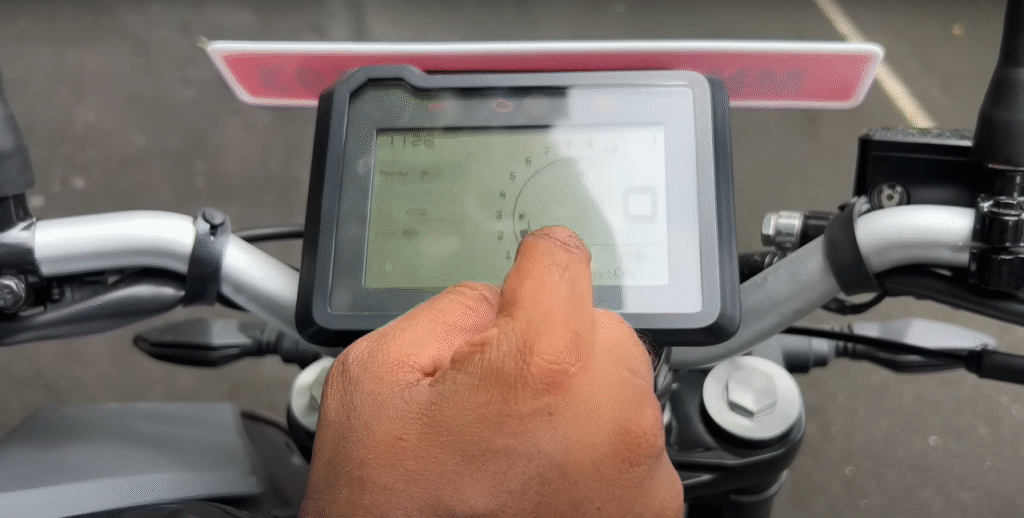
The 160 Duke’s 5-inch LCD instrument cluster, carried over from the older 250 Duke, is functional but less premium than the MT-15’s color TFT display (DLX variant). It shows speed, RPM, gear position, fuel gauge, and ABS status, but readability suffers slightly in direct sunlight. Bluetooth connectivity via the KTM Connect App enables turn-by-turn navigation (with a ₹4,000–5,000 subscription) and call/music alerts. Other highlights include:
- Switchable ABS with Supermoto mode
- Full LED lighting (headlamp, tail, and indicators)
- Loud single-tone horn
- Quick selector for easy menu navigation
While the MT-15 DLX offers traction control and a side-stand cut-off, the Duke’s feature set is competitive, though the lack of a TFT screen and adjustable levers feels like a missed opportunity.
Pro Tip: Invest in the KTM Connect App for navigation if you frequently ride in unfamiliar areas.
Comparison with Yamaha MT-15 V2
The KTM 160 Duke and Yamaha MT-15 V2 are neck-and-neck, but each caters to different rider preferences:
- Price: KTM 160 Duke (₹1.85 lakh) vs. MT-15 (₹1.70–1.81 lakh). The MT-15 is more affordable, especially in its base variant.
- Engine: The Duke’s 164.2cc engine edges out the MT-15’s 155cc in power (18.74 vs. 18.1 bhp) and torque (15.5 vs. 14.1 Nm), but the MT-15’s VVA ensures better mid-range pull.
- Weight: The MT-15 (141 kg) is lighter than the Duke (147 kg), giving it a better power-to-weight ratio.
- Suspension: The Duke’s 161mm rear travel offers a softer ride compared to the MT-15’s stiffer 120mm setup.
- Features: The MT-15 DLX’s TFT display and traction control feel more modern, but the Duke’s Supermoto ABS is a unique selling point.
- Design: KTM’s aggressive styling appeals to thrill-seekers, while the MT-15’s futuristic look is more refined.
- Mileage: MT-15 (45–50 kmpl) outperforms the Duke (40–42 kmpl).
Verdict: Choose the KTM 160 Duke for raw power and sporty dynamics; pick the MT-15 for refinement, mileage, and premium tech (DLX variant).
Additional Features
- Cooling: A large radiator (borrowed from the 200 Duke) with a single fan ensures minimal heating, even in traffic.
- Comfort: The wide seat and upright posture make it ideal for daily commutes of 40–50 km.
- Practicality: The 10.1-liter fuel tank is adequate but smaller than rivals like the Pulsar NS160 (12 liters).
Where to Buy and Offers
The KTM 160 Duke is available at KTM dealerships across India, with bookings open since August 2025. Check with local dealers for festive season discounts or financing options. Unlike the MT-15’s multiple variants, the Duke comes in a single, fully-loaded trim, justifying its premium price.
Final Verdict: Should You Buy the KTM 160 Duke?
The KTM 160 Duke is a thrilling addition to the 160cc segment, blending aggressive styling, powerful performance, and dynamic handling that lives up to KTM’s “Ready to Race” mantra. Its 164.2cc engine, large disc brakes, and Supermoto ABS make it a standout for riders craving excitement, while the comfortable ergonomics and vibration-free ride suit daily commutes. However, the higher price, basic LCD cluster, and slightly lower mileage give the Yamaha MT-15 V2 an edge for those prioritizing refinement and value.
For young riders or beginners who want a sporty, feature-rich bike under ₹2 lakh, the 160 Duke is a fantastic choice, especially if you love KTM’s raw, aggressive vibe. A longer test ride will reveal its real-world fuel efficiency and long-term reliability, so stay tuned for my comprehensive review video!
Pros:
- Powerful 164.2cc engine with smooth, vibe-free performance
- Sharp handling and excellent braking with Supermoto ABS
- Aggressive KTM styling with lightweight alloys
- Comfortable for riders up to 5’9” and daily commutes
- Robust cooling system for urban riding
Cons:
- Slightly cramped for taller riders and pillions
- No color TFT display or adjustable levers
- Lower mileage than the MT-15
- Pricier than competitors
Top 10 Reasons to Buy KTM 160 Duke
Join the Conversation
Have you ridden the KTM 160 Duke? How does it compare to the MT-15 for you? Drop your thoughts in the comments, and let me know what you want covered in the full review! Don’t forget to like and share this post to help others choose their next ride.

[…] liquid-cooled engine, equipped with a split trellis frame, and packed with modern features, the 160 Duke is a compelling choice for young riders and enthusiasts seeking thrill without breaking the […]
[…] KTM 160 Duke is a serious contender, bringing a powerful 164.2cc engine, agile handling, and premium components […]