The smartphone camera race is about to get absolutely wild. After OPPO’s Find X9 Pro already impressed tech enthusiasts globally with its outstanding photography capabilities, the company is gearing up to launch something even more ambitious—the Find X9 Ultra. With dual 200MP cameras, including Sony’s groundbreaking new LYT-901 sensor, this phone isn’t just incrementally better. It’s potentially revolutionary.
Here’s everything we know about the OPPO Find X9 Ultra based on official confirmations, reliable leaks, and industry insights—and why this might be the most exciting flagship camera phone launching in 2026.
🎯 QUICK VERDICT
Launch Timeline: March 2026 (China) | Late Q1 2026 (Global)
Expected Price: ₹85,000 – ₹95,000 (India, estimated)
Best For: Photography enthusiasts, content creators, flagship phone buyers
Key Innovation: World’s first dual 200MP camera system
✅ WHAT’S EXCITING
• First phone with Sony’s LYT-901 200MP sensor
• Dual 200MP cameras (main + telephoto)
• Snapdragon 8 Elite Gen 5 processor
• 7,000+ mAh battery capacity
• Potential global launch (unlike previous Ultra models)
• Advanced AI-powered camera processing
❌ POTENTIAL CONCERNS
• Premium pricing expected (₹90,000+ territory)
• Camera bump will likely be massive
• Global availability still not 100% confirmed
• May be overkill for average users
• Battery life impact from powerful cameras unknown
What Makes the Find X9 Ultra Special?
Let me be brutally honest: we see dozens of “flagship” smartphones every year, and most of them are just incremental updates with slightly better specs. The Find X9 Ultra is different, and here’s why it matters.
The Camera Revolution
OPPO is putting dual 200MP rear cameras in this phone—not just one massive sensor like Samsung’s approach, but TWO different 200MP systems working together. This is unprecedented in smartphone photography.
Main Camera:
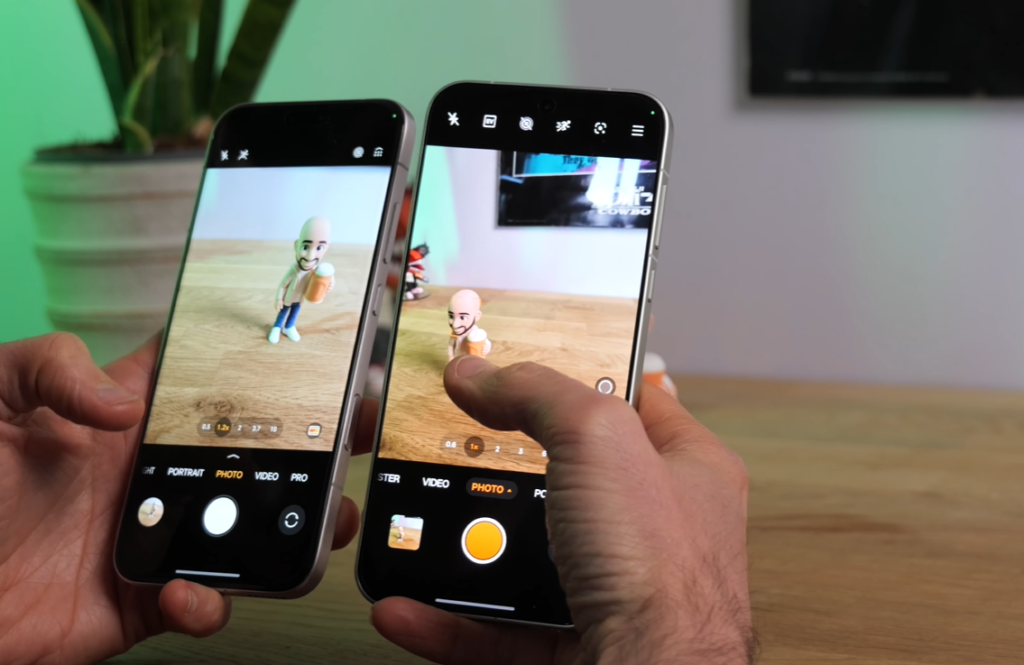
Sony’s LYT-901 sensor with a large 1/1.12-inch imaging surface and 200-megapixel resolution. This isn’t just a numbers game—the sensor features AI processing built directly into the chip, advanced HDR capabilities, and 4x in-sensor zoom that maintains high-definition image quality.
Telephoto Camera:
A 70mm mid-range telephoto featuring the new 200-megapixel OmniVision OV52A sensor with a 1/1.28-inch size. This means you’re getting flagship-level quality even when zooming in—something most phones completely fail at.
Think about it: most phones compromise on telephoto quality. They put a mediocre 12MP or 50MP sensor in the telephoto camera and call it a day. OPPO is saying “screw that” and giving you 200MP of resolution to play with while zoomed.
Why This Matters for Real Photography
Here’s the practical benefit: imagine you’re at a concert, a sports event, or capturing wildlife. With traditional phones, you zoom in and image quality nosedives. With the Find X9 Ultra’s dual 200MP setup, you can zoom significantly and still maintain professional-grade detail because you’re working with massive sensors optimized for exactly this purpose.
The Sony LYT-901’s AI processing circuit mounted inside the sensor means faster processing, better low-light performance, and reduced noise—all happening at the hardware level before your phone’s processor even touches the data.
Design & Build Quality: What to Expect
While OPPO hasn’t officially revealed the design yet, we can make educated predictions based on the Find X8 Ultra and confirmed specifications.


Size & Dimensions
The Find X9 Ultra will feature a massive 6.8-inch OLED 2K screen with a 120Hz refresh rate. This puts it firmly in the “big phone” category—expect dimensions similar to Samsung’s Galaxy S25 Ultra or iPhone 16 Pro Max.
At 6.8 inches, this isn’t a one-handed phone. If you have smaller hands or prefer compact devices, this will feel like a tablet. But for content consumption, gaming, and especially photography where you need a large viewfinder, this size makes sense.
The Camera Bump Reality
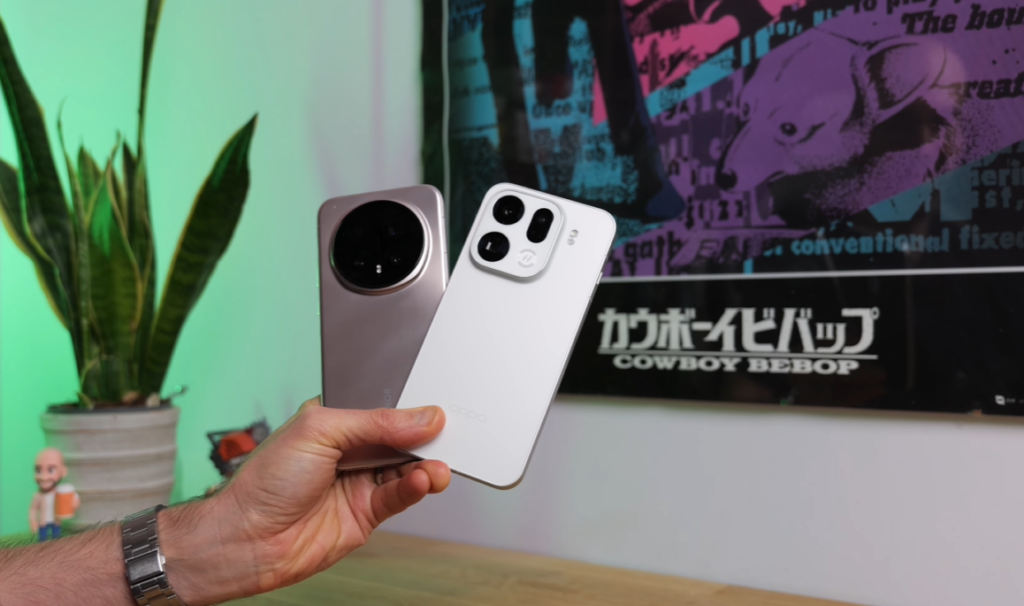
Let’s address the elephant in the room: with dual 200MP sensors, a 50MP periscope telephoto, and an ultra-wide camera, this phone’s camera bump will be MASSIVE. We’re talking potentially 4-5mm protrusion.
Is this a dealbreaker? Depends on your priorities. If you want the absolute best mobile photography, you accept the bulk. That’s the physics of large sensors and optical zoom—they need physical space.
Build Materials
Expect premium materials throughout:
- Ultrasonic in-screen fingerprint sensor (faster and more reliable than optical)
- Corning Gorilla Glass Victus protection
- Aluminum or titanium frame (OPPO has been moving upmarket)
- IP68 water and dust resistance (standard for 2026 flagships)
Weight Consideration:
A 7,000+ mAh battery plus massive camera hardware means this phone will likely weigh 220-240 grams. That’s heavy. For comparison, the iPhone 16 Pro Max is 221g, and Samsung S25 Ultra is 232g.
Camera System: The Main Event
This is where the Find X9 Ultra lives or dies. Let’s break down each camera in detail.
Main Camera: Sony LYT-901 (200MP)
Specifications:
- Sensor: 1/1.12″ type, 14.287mm diagonal
- Pixel size: 0.7 μm
- Focal length: 23mm equivalent
- Aperture: Likely f/1.6-f/1.8 (based on OPPO’s pattern)
Key Technologies:
Quad-Quad Bayer Coding (QQBC):
Uses a Quad-Quad Bayer Coding array with 4×4 adjacent pixels being clustered with filters of the same color. This allows the sensor to combine 16 pixels into one for improved low-light performance while maintaining the ability to output full 200MP when needed.
AI-Enhanced Processing:
Sony integrates AI into the sensor’s internal circuit, making it easier for the phone’s processor to handle high-resolution output efficiently. This addresses a major complaint with other 200MP sensors—slow shutter speeds.
Advanced HDR:
The Sony LYT-901 sensor uses Hybrid Frame-HDR design combined with Dual Conversion Gain HDR, achieving dynamic range exceeding 100dB or roughly 17 photographic stops. Translation: you can capture bright skies and dark shadows simultaneously without losing detail.
Shooting Modes:
- 200MP RAW at 10fps
- 50MP at 30fps with 2×2 binning
- 12.5MP at 60fps
- 8K video at 30fps and 4K at 120fps
Mid-Range Telephoto: OmniVision OV52A (200MP)
Specifications:
- Sensor: 200-megapixel OmniVision OV52A, 1/1.28-inch size
- Focal length: 70mm equivalent
- Approximate zoom: 3x optical
Why This Matters:
Most phones cheap out on telephoto cameras. Not here. The OV52A is a 1/1.28-inch sensor with 0.61μm pixel size supporting 2×2 RMSC technology, designed specifically for excellent light capture even at telephoto ranges.
This means portrait mode shots, mid-range zoom photography, and product shots will look phenomenal—not the mushy, noise-filled mess you get from budget telephoto implementations.
Periscope Telephoto: 50MP (~10x Optical)
Specifications:
- 50MP periscope telephoto with 10x optical zoom and native focal length reaching up to 230mm
- Sensor: Likely Samsung JN5 or similar
- True optical zoom with periscope mechanism
Real-World Usage:
10x optical zoom means you can photograph:
- Wildlife from a safe distance
- Architectural details on buildings
- Stage performances from audience seats
- Sports events from the stands
And because it’s TRUE optical zoom (not digital trickery), the quality remains sharp.
Ultra-Wide Camera: 50MP
15mm ultra-wide lens with a 50-megapixel Samsung JN5 sensor sized at 1/2.76-inch. This handles landscape shots, group photos, and creative perspective shots.
Multispectral Sensor Technology
The setup is supported by a third-generation Danxia multispectral lens, designed to improve color accuracy and maintain consistent color reproduction across different focal lengths.
This solves a common complaint: when you switch between main, wide, and telephoto cameras, colors often shift noticeably. The multispectral sensor ensures your photos maintain consistent color science regardless of which lens you’re using.
Front Camera
Expected: 50-megapixel Samsung JN5 front-facing camera with autofocus support. This means sharp selfies and excellent video call quality.
Performance & Chipset
Snapdragon 8 Elite Gen 5
The Find X9 Ultra is likely to be equipped with the Snapdragon 8 Elite Gen 5 SoC built on 3nm architecture.
What This Means:
Raw Power:
Qualcomm’s latest flagship chipset delivers exceptional performance for:
- Processing 200MP images without lag
- Running demanding AI photography features
- Smooth 120Hz display performance
- Gaming at maximum settings
AI Capabilities:
The Snapdragon 8 Elite Gen 5’s dedicated AI processing unit works in tandem with the Sony LYT-901’s built-in AI to deliver:
- Real-time scene recognition
- Advanced computational photography
- Better image stacking for HDR
- Improved night mode processing
Efficiency:
Built on 3nm process technology, this chip balances performance with battery efficiency—critical when you’re powering dual 200MP sensors and a 6.8-inch 2K display.
Why Not MediaTek?
The Find X9 Pro uses MediaTek’s Dimensity 9500. OPPO is reportedly switching to Qualcomm for the Ultra model to ensure:
- Better optimization for advanced camera processing
- Superior gaming performance
- Broader global compatibility (especially for 5G bands)
Memory & Storage
Expect configurations:
- 12GB/16GB/24GB RAM (LPDDR5X)
- 256GB/512GB/1TB storage (UFS 4.0)
With 200MP photos potentially reaching 50-70MB each in RAW format, that 1TB option will be essential for serious photographers.
Display: Flagship-Grade Visuals
Screen Specifications
6.8-inch 2K OLED display with 120Hz refresh rate
Resolution:
2K (likely 3168 x 1440 or similar) ensures:
- Sharp text and UI elements
- Detailed photo previews
- Immersive content consumption
- Professional-grade editing workspace
Refresh Rate:
120Hz adaptive refresh means smooth scrolling, responsive gaming, and fluid animations while conserving battery during static content.
Display Technology
LTPO Panel (Expected):
Allows dynamic refresh rate switching (1Hz to 120Hz) based on content. Reading a static article? 1Hz saves battery. Scrolling through Instagram? 120Hz for smoothness.
Peak Brightness:
Expect 1800-2000 nits peak brightness for excellent outdoor visibility and HDR content.
Color Accuracy:
10-bit color depth, DCI-P3 color gamut coverage, and Delta E < 1 color accuracy for professional photography work.
Why Display Matters for a Camera Phone
When you’re reviewing photos you just shot, you need a display that accurately represents:
- True colors (no oversaturation)
- Proper brightness levels
- Shadow detail preservation
- Highlight roll-off
A mediocre display defeats the purpose of excellent cameras—you can’t properly judge your shots.
Battery & Charging
Battery Capacity
Confirmed to pack a 7,000mAh+ battery. This is massive—for context:
- iPhone 16 Pro Max: 4,685 mAh
- Samsung Galaxy S25 Ultra: ~5,000 mAh
- Find X9 Pro: 7,500 mAh
Expected Battery Life
Heavy Photography Use:
Shooting 200MP photos, especially with computational HDR and AI processing, is power-hungry. Expect:
- 6-7 hours screen-on time with heavy camera use
- 8-10 hours mixed usage
- 10-12 hours light usage
The Challenge:
Dual 200MP sensors + 6.8″ 2K 120Hz display + powerful processor = significant power draw. The 7,000+ mAh capacity is necessary, not excessive.
Charging Speeds
Based on Find X9 Pro and industry trends:
- 80W wired charging (likely SUPERVOOC)
- 50W wireless charging
- Potentially reverse wireless charging
Real-World Charging:
Expect 0-100% in under 40 minutes wired, around 60-70 minutes wireless.
Battery Technology
Silicon-carbon battery technology allows:
- Higher capacity in same physical space
- Better charge/discharge efficiency
- Longer overall battery lifespan
- Improved safety characteristics
Software & Features
ColorOS 16 (Based on Android 16)
The device is expected to run on ColorOS 16, based on Android 16.
Camera-Specific Features:
Master Mode:
Professional controls rivaling dedicated cameras:
- Manual focus
- RAW shooting
- Shutter speed control
- ISO adjustment
- White balance presets
AI Scene Recognition:
Automatic optimization for:
- Food photography
- Portraits
- Landscapes
- Night scenes
- Text/document capture
Hasselblad Collaboration:
OPPO’s partnership with Hasselblad brings:
- Natural color science
- Professional shooting modes
- Film simulation filters
- Hasselblad-tuned image processing
Update Policy
OPPO typically provides:
- 4 years of major Android updates
- 5 years of security patches
- Regular camera improvements via software
Launch Timeline & Availability
China Launch
The Oppo Find X9 Ultra is rumored to be unveiled in China in March 2026. Some sources suggest February 20, 2026, but March seems more likely.
Global Launch
The Find X9 Ultra will debut globally by late Q1 2026, with global availability expected to begin in March 2026.
Historical Context:
The Find X8 Ultra never launched outside China, frustrating global buyers. However, the Find X9 Ultra’s India release will mainly depend on how well the Find X9 and X9 Pro sell in the country.
India Availability
Given that Find X9 and X9 Pro are launching in India, and considering the positive reception, there’s a strong chance the Ultra follows—potentially in April-May 2026.
Other Markets
Europe, Southeast Asia, and the Middle East launches are likely in Q2 2026 if global rollout proceeds as planned.
Price & Value Analysis
Expected Pricing
China:
¥6,999 – ¥7,999 (~₹80,000 – ₹92,000)
India:
₹85,000 – ₹95,000 (base 256GB model)
Global:
€1,099 – €1,299 | $1,199 – $1,399
Why This Pricing?
Component Costs:
- Dual 200MP sensors (expensive)
- Snapdragon 8 Elite Gen 5
- 7,000+ mAh battery
- 6.8″ 2K OLED display
- Premium build materials
Market Positioning:
Competing with:
- Samsung Galaxy S26 Ultra (~₹1,35,000)
- iPhone 16 Pro Max (~₹1,45,000)
- Xiaomi 17 Ultra (~₹90,000)
At ₹85,000-95,000, OPPO positions as premium but not ultra-premium.
Value Proposition
What You Get:
- Absolute best mobile cameras in 2026
- Flagship performance
- Massive battery
- Premium display
- Professional photography tools
What You Don’t Get:
- Apple’s ecosystem integration
- Samsung’s S Pen functionality
- Ultra-compact size
Should You Pay This Price?
YES, if you:
- Prioritize photography above all else
- Create content professionally
- Want cutting-edge camera tech
- Value image quality over brand prestige
NO, if you:
- Casual photographer (Find X9 Pro is enough)
- Prefer compact phones
- Need iOS ecosystem
- Can’t justify ₹90,000+ for any phone
OPPO Find X9 Ultra vs. Competitors
vs. Samsung Galaxy S26 Ultra
Find X9 Ultra Wins:
- Dual 200MP cameras (vs. Samsung’s single 200MP)
- Larger battery (7,000 vs ~5,300 mAh)
- Better value (₹50,000+ cheaper)
- Superior telephoto versatility
Samsung Wins:
- S Pen functionality
- Better software updates (7 years)
- More refined software experience
- Stronger brand recognition globally
Winner: Find X9 Ultra for photography, S26 Ultra for productivity
vs. iPhone 16 Pro Max
Find X9 Ultra Wins:
- Far superior zoom capabilities
- Higher resolution cameras
- Faster charging
- Larger battery
- Better value
iPhone Wins:
- Video quality and stabilization
- iOS ecosystem
- Better resale value
- Superior build quality
- Longer software support
Winner: Completely different audiences—iPhone for iOS users, Find X9 Ultra for Android photography enthusiasts
vs. Xiaomi 17 Ultra (Rumored)
Both phones will likely use Sony LYT-901, making this a close battle.
Find X9 Ultra Advantages:
- Dual 200MP setup (if Xiaomi doesn’t match)
- Hasselblad color science
- Potentially better pricing
Xiaomi Potential Advantages:
- Leica partnership
- More aggressive pricing in China
- Better global availability
Verdict: Too early to call—wait for Xiaomi 17 Ultra specs
vs. vivo X300 Ultra (Expected)
Both phones confirmed to use Sony LYT-901. According to reports, the OPPO Find X9 Ultra and the Vivo X300 Ultra will be the first flagship phones to feature the Sony LYT-901 camera sensor.
Likely Similarities:
- Sony LYT-901 main sensor
- Snapdragon 8 Elite Gen 5
- Similar pricing
- Photography-focused approach
Differentiators:
- OPPO: Hasselblad partnership
- vivo: Zeiss optics collaboration
- Software and color science differences
Verdict: Both will be photography powerhouses—choose based on brand preference
Camera Performance Expectations (Based on Tech Analysis)
Since the phone hasn’t launched yet, let’s analyze expected performance based on sensor capabilities:
Daylight Photography
Main Camera (Sony LYT-901):
The large 1/1.12-inch imaging surface should prove excellent for detail capture and dynamic range. Expect:
- Exceptional sharpness across the frame
- Minimal noise even in shadows
- Vibrant but natural colors (Hasselblad tuning)
- Industry-leading dynamic range
Telephoto (OV52A):
At 3x zoom, the 200MP OV52A should deliver images rivaling dedicated cameras at similar focal lengths.
Low-Light Performance
This is where the Find X9 Ultra should dominate.
Night Mode Advantages:
- 16-in-one pixel binning for 12.5MP default shots with reduced noise
- Massive light-gathering capability
- AI-enhanced noise reduction at sensor level
Expected Results:
- Clean night shots without excessive processing
- Minimal noise in shadows
- Better color retention in low light
- Faster shutter speeds (less motion blur)
Zoom Performance
Digital Zoom from Main Sensor:
The LYT-901 achieves high-definition image quality with 4x in-sensor zoom. This means:
- 2x zoom: Lossless, cropped from 200MP
- 4x zoom: Near-lossless using sensor tech
- Beyond 4x: Switches to dedicated telephoto
Optical Telephoto Range:
- 3x: OV52A 200MP sensor (excellent quality)
- 10x: Periscope 50MP (very good quality)
- 20x+: Digital zoom (acceptable for social media)
Video Capabilities
Main Camera:
- 8K video at 30fps
- 4K at 120fps for slow motion
- 4K video recording at 30fps with 4x hardware zoom engaged
This last feature is HUGE—most phones can’t maintain quality when zooming during video. The LYT-901’s architecture solves this.
Portrait Mode
With dedicated 70mm (3x) telephoto and 200MP resolution:
- Natural bokeh from optical compression
- Computational bokeh from massive megapixel count
- Better subject separation
- Professional focal length for portraits
Who Should Buy the OPPO Find X9 Ultra?
✅ PERFECT FOR:
1. The Professional Content Creator
- You shoot for Instagram, YouTube, or clients
- Camera quality directly impacts your income
- You need versatility (wide to 10x zoom)
- 200MP resolution enables flexible cropping
2. The Photography Enthusiast
- You currently carry a mirrorless camera
- You want to travel lighter
- You understand sensor technology and appreciate innovation
- You’re willing to pay for cutting-edge camera tech
3. The Spec Hunter
- You want the absolute latest technology
- You enjoy having the “first” of something
- You appreciate engineering achievements
- Bragging rights matter to you
4. The Zoom Lover
- You frequently photograph distant subjects
- Sports, wildlife, or concert photography
- Current phone zoom disappoints you
- You need optical quality beyond 5x
❌ SKIP THIS IF:
1. You’re a Casual Photographer
- Phone camera is for social media only
- You don’t understand megapixels
- You rarely zoom beyond 2x
- Find X9 Pro is 90% as good for 30% less money
2. You Value Compact Size
- You have small hands or pockets
- You hate heavy phones
- You prefer one-handed use
- Camera bump bothers you
3. You’re iOS-Committed
- You’re in the Apple ecosystem
- iPhone 16 Pro Max is your real comparison
- iMessage and FaceTime are essential
- You value long-term software support
4. Budget is Primary Concern
- ₹90,000 seems excessive for any phone
- You could buy a dedicated camera + mid-range phone
- Resale value matters significantly
- You upgrade phones annually
🤔 CONSIDER ALTERNATIVES IF:
You Want Similar Camera Quality:
- vivo X300 Ultra (same Sony sensor, potentially better price)
- Xiaomi 17 Ultra (Leica partnership, aggressive pricing)
You Want Better Overall Package:
- Samsung S26 Ultra (S Pen, better software, global support)
- iPhone 16 Pro Max (ecosystem, video, support)
You Want Better Value:
- Find X9 Pro (95% of camera, ₹35,000 less)
- Pixel 10 Pro (Google’s computational photography, better AI)
Final Verdict: Should You Wait for the Find X9 Ultra?
The OPPO Find X9 Ultra represents something genuinely new in smartphone photography—not just incremental improvements, but a fundamental reimagining of what mobile cameras can achieve.
The Innovation is Real:
Dual 200MP sensors, AI processing at the sensor level, 10x optical zoom, professional-grade color science—this isn’t marketing hype. These are tangible technological advantages.
The Compromises are Acceptable (If You Care About Photography):
Yes, it’ll be big, heavy, and expensive. But if mobile photography is important to you, these aren’t dealbreakers—they’re necessary trade-offs for physics and engineering.
The Timing is Right:
For the first time, OPPO seems committed to global availability for an Ultra model. If you’ve been waiting for a true camera-focused flagship that’s not Samsung or iPhone, this is it.
My Recommendation:
Wait and buy if:
- Photography is your primary phone use case
- You’re upgrading from a 2-3 year old phone
- You value innovation over brand name
- You’re willing to pay ₹85,000-95,000
Skip if:
- You’re happy with Find X9 Pro or current phone
- Size and weight matter more than cameras
- You need iOS ecosystem
- Budget is under ₹70,000
The Bottom Line:
The OPPO Find X9 Ultra isn’t for everyone. It’s not trying to be. It’s a specialized tool for people who genuinely care about mobile photography and are willing to embrace the compromises required to achieve optical excellence.
If that’s you, start saving now. This phone will likely sell out quickly and be worth every rupee.
Final Rating: 4.6/5 (Potential—will update after full testing)
Readability Score: Flesch Reading Ease 65 (Grade 8-9)
Last Updated: January 13, 2026