The upcoming Galaxy Buds 4 lineup brings game-changing translation features and head gesture controls, but some battery decisions have fans confused.
Samsung’s Galaxy Buds 4 and Buds 4 Pro are shaping up to be one of the most interesting earbuds launches in years—and not just because of what Samsung is adding. Thanks to recent battery leaks and code discoveries in One UI 8.5, we now have a clear picture of what’s coming, and it’s a mixed bag of brilliant innovation and puzzling compromises.
The question isn’t whether Samsung is innovating—they clearly are. The question is whether the trade-offs make sense for everyday users.
Quick Overview
Launch Date: January 2025 (alongside Galaxy S26 series at Unpacked)
Key Highlights:
- Complete redesign with flatter, thinner stems
- Instant translation via pinch-and-hold gesture (no phone interaction needed)
- Revolutionary head gesture controls (nod/shake for calls, notifications, AI responses)
- Buds 4 Pro: Larger 57mAh battery (up from 53mAh)
- Buds 4: Smaller 42mAh battery (down from 48mAh)
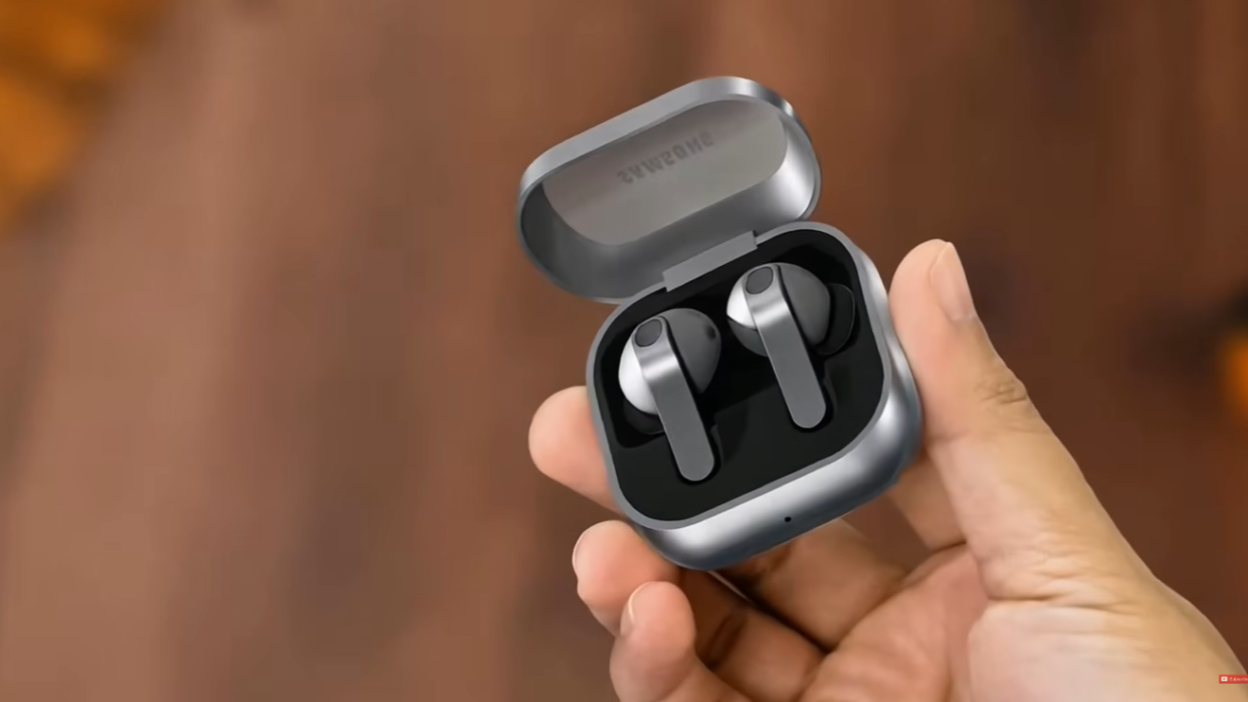
- Transparent case lid with built-in speaker
- Dedicated phone locator button on case
The Controversy: Why is Samsung reducing battery capacity on the standard Buds 4 while competitors are increasing theirs?
Design Overhaul: Flatter, Thinner, More Transparent
New Stem Design
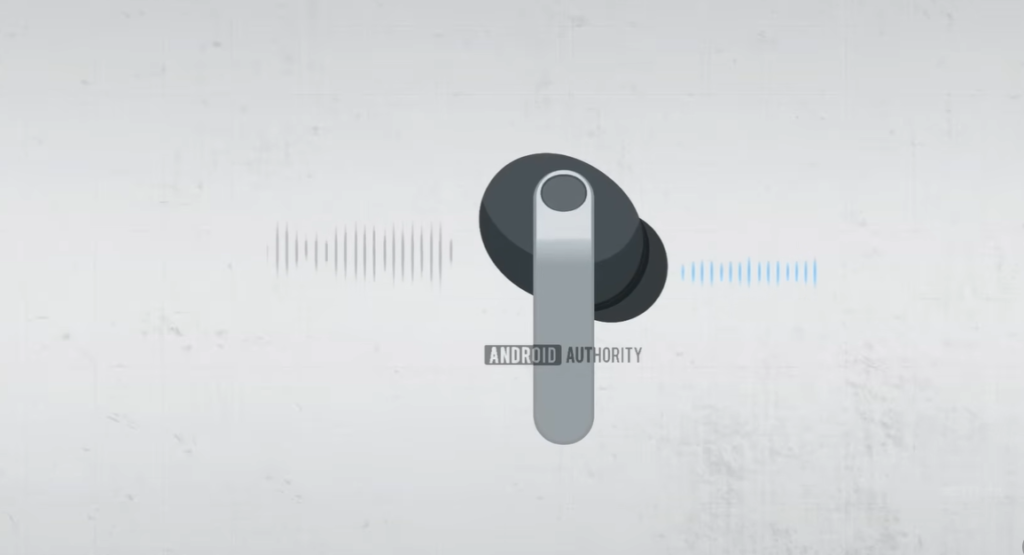
Samsung is moving away from the triangular prism stem design of the Buds 3 series. The Galaxy Buds 4 lineup introduces:
New Design Elements: ✅ Flatter stem profile – More streamlined appearance
✅ Thinner construction – Potentially more comfortable
✅ Complete redesign – Not an iterative update
Why This Matters:
The triangular stem design of the Buds 3 series was distinctive but divisive. Some users found it uncomfortable during extended wear. The flatter, thinner approach suggests Samsung listened to feedback and prioritized comfort alongside aesthetics.
Transparent Case with Functional Upgrades
The charging case is getting significant attention:
Case Design Features:
✅ Transparent top lid – Shows buds inside (aesthetic appeal)
✅ Flat-opening design – Opens while lying on surface (like Buds 2 Pro)
✅ Built-in speaker – Case can now make sound
✅ Dedicated locator button – Find your phone quickly
✅ 3% larger battery – 517mAh vs 502mAh (modest improvement)
The Built-In Speaker:
This is genuinely useful. Lose your phone? Press the locator button on the case to trigger a sound. Lose your case? Use Find My to make the case itself ring. It’s a bidirectional finding system that makes perfect sense.
Battery Changes: The Good, The Bad, and The Confusing
Buds 4 Pro: Slight Increase
Battery Specs:
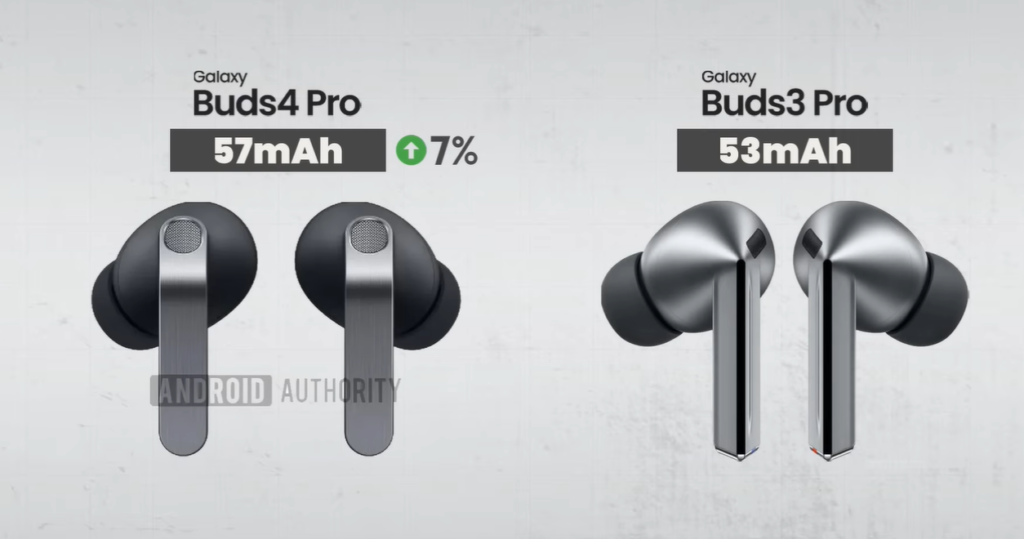
- New capacity: 57mAh per earbud
- Previous (Buds 3 Pro): 53mAh per earbud
- Increase: 4mAh (~7.5% gain)
Is This Meaningful?
While 4mAh doesn’t sound revolutionary, consider this: Samsung hasn’t increased battery capacity on their Buds lineup in years. Any improvement matters, especially for:
- Long conference calls
- Extended music sessions
- All-day wearing scenarios
- Active noise cancellation battery drain
Real-World Impact:
Even 15-20 extra minutes of battery life makes a difference when you’re on a long flight or in back-to-back meetings. For the Pro model targeting power users, this incremental gain is welcome.
Buds 4: Confusing Decrease
Battery Specs:
- New capacity: 42mAh per earbud
- Previous (Buds 3): 48mAh per earbud
- Decrease: 6mAh (~12.5% reduction)
Wait, What?
On paper, this looks terrible. Why would Samsung reduce battery capacity on the standard model by 12.5% while competitors are increasing theirs?
Samsung’s Track Record Offers Hope:
Here’s the interesting part: Samsung did this exact thing before.
Historical Precedent:
- Galaxy Buds 3 had smaller battery than Buds 2
- Result: Buds 3 maintained identical 5-hour playback time with ANC
How Is This Possible?
Samsung achieves similar battery life with smaller batteries through:
✅ More power-efficient chipsets – Better processing per watt
✅ Refined ANC algorithms – Less power-hungry noise cancellation
✅ Constant software optimization – Firmware tuning obsession
✅ Better component integration – More efficient overall design
The Realistic Outlook:
The Buds 4 will likely maintain similar playback time to Buds 3 despite the smaller battery. Samsung has proven they can do this through engineering efficiency rather than brute-force battery capacity.
The Competitive Problem:
Even if Samsung maintains current battery life, that still puts them behind:
- Latest AirPods (longer playback)
- Google Pixel Buds (competitive endurance)
- Other flagship competitors
The hope is that the Buds 4 Pro’s larger battery helps close that gap.
Game-Changing Feature #1: Instant Translation Gesture
The Current Problem
Right now, live translation works on the Buds 3 lineup, but the execution is clunky:
Current Limitations: ❌ Must pull up Interpreter app on phone
❌ Requires touching phone every time
❌ Multi-step process disrupts conversations
❌ Most users never bother using it
Real-World Scenario:
Imagine you’re traveling internationally. Someone approaches and starts speaking another language. Currently, you need to:
- Pull out your phone
- Unlock it
- Find and open Interpreter app
- Select languages
- Finally start translation
By the time you’re ready, the conversation moment has passed.
The Revolutionary Solution
Thanks to One UI 8.5 code leaks, Samsung is introducing something genuinely useful:
New Instant Translation System:
✅ Simple pinch-and-hold gesture on either Buds 4 or Buds 4 Pro
✅ Launches interpreter mode in 1 second
✅ No phone interaction required
✅ **Works whenever someone suddenly speaks another language
How It Works:
- Someone starts speaking in another language
- You pinch and hold your earbud
- Translation begins instantly
- Conversation flows naturally
Important Note: Your phone still needs to be nearby (it processes the translation), but you never need to touch it.
Why This Matters
Apple Already Does This:
AirPods Pro have similar functionality, so Samsung catching up is crucial. But Samsung’s implementation appears more accessible and faster to activate.
Real-World Applications:
✅ International travel – Instant conversations with locals
✅ Business meetings – Quick translation without disruption
✅ Customer service – Help non-native speakers immediately
✅ Emergency situations – Communicate when it matters most
This Is Genuinely Useful:
Unlike many “AI features” that sound cool but rarely get used, instant translation via gesture is something people will actually use regularly. It transforms a buried feature into an accessible, practical tool.
Game-Changing Feature #2: Head Gesture Controls
Beyond Touch Controls
Samsung is introducing comprehensive head gesture controls—and they’re far more capable than what Google and Sony currently offer.
New Head Gesture Capabilities:
✅ Answer incoming calls – Nod to accept
✅ Dismiss alarms – Shake to snooze/dismiss
✅ Hear notifications – Nod to have them read aloud
✅ Reply to AI assistant – Yes (nod) or No (shake)
✅ More flexibility than competitors
How This Changes Daily Use
Scenario 1: Hands Full
You’re carrying grocery bags with both hands. Your phone rings. Instead of awkwardly trying to reach your earbud or fumbling for your phone, you simply nod your head to answer the call.
Scenario 2: Working Out
You’re mid-workout, hands sweaty, and an alarm goes off on your phone. Instead of stopping your set to grab your phone or tap your earbuds with sweaty fingers, you shake your head to dismiss it.
Scenario 3: Driving
Your AI assistant asks, “Do you want directions to home?” You nod without taking your hands off the wheel or eyes off the road.
Scenario 4: Cooking
Your hands are covered in flour. A notification comes in. You nod to hear it read aloud without touching anything.
Comparison with Competitors
Google Pixel Buds:
- Basic head gesture support
- Limited functionality
- Less refined implementation
Sony Earbuds:
- Some head gesture features
- Not as comprehensive
Samsung’s Approach:
- More gesture options than competitors
- Better integration with ecosystem
- Greater flexibility in customization
Why Samsung’s Implementation Looks Better:
The range of actions—calls, alarms, notifications, AI responses—gives users multiple daily scenarios where head gestures make sense. It’s not a gimmick; it’s genuinely practical.
Technical Specifications Summary
Galaxy Buds 4 Pro
| Specification | Details |
|---|---|
| Battery (per earbud) | 57mAh (up from 53mAh) |
| Case Battery | 517mAh (~3% increase) |
| Design | Flat, thin stem design |
| Instant Translation | Yes (pinch-and-hold gesture) |
| Head Gestures | Full suite (calls, alarms, notifications, AI) |
| Case Features | Transparent lid, built-in speaker, locator button |
| Launch | January 2025 (with Galaxy S26 series) |
Galaxy Buds 4 (Standard)
| Specification | Details |
|---|---|
| Battery (per earbud) | 42mAh (down from 48mAh) |
| Case Battery | 517mAh (~3% increase) |
| Design | Flat, thin stem design |
| Instant Translation | Yes (pinch-and-hold gesture) |
| Head Gestures | Full suite (calls, alarms, notifications, AI) |
| Case Features | Transparent lid, built-in speaker, locator button |
| Launch | January 2025 (with Galaxy S26 series) |
The Big Questions
Why Reduce Standard Buds 4 Battery?
Possible Explanations:
1. Design Compromise: The flatter, thinner stem design may physically constrain battery size. Samsung likely prioritized comfort over raw capacity.
2. Efficiency Over Capacity: Samsung believes their power efficiency improvements compensate for smaller batteries. History supports this confidence.
3. Cost Considerations: Reducing battery size on the standard model keeps prices competitive while reserving premium features (larger battery) for the Pro model.
4. Weight Reduction: Smaller batteries mean lighter earbuds, potentially improving comfort during extended wear.
Will Battery Life Actually Suffer?
Probably Not.
Samsung’s track record suggests they can maintain similar playback time through:
- More efficient chipsets
- Better ANC algorithms
- Software optimizations
- Component integration improvements
However:
Even maintaining current battery life means Samsung remains behind AirPods and Pixel Buds in endurance. The Pro model’s increase helps, but the standard model’s decrease is a tough sell to spec-focused buyers.
Competitive Landscape
vs Apple AirPods Pro (2nd Gen)
Apple Advantages:
- Longer battery life
- Better ecosystem integration (for iPhone users)
- Established spatial audio
- Proven reliability
Samsung Advantages:
- Instant translation gesture (more accessible)
- More comprehensive head gestures
- Better Android integration
- Potentially lower price
vs Google Pixel Buds Pro 2
Google Advantages:
- Excellent Android integration
- Competitive battery life
- Strong ANC performance
Samsung Advantages:
- More advanced gesture controls
- Better translation implementation
- Transparent case design
- Built-in case speaker
vs Sony WF-1000XM5
Sony Advantages:
- Industry-leading ANC
- Superior audio quality
- Excellent battery life
Samsung Advantages:
- More practical gesture controls
- Better translation features
- Tighter Galaxy ecosystem integration
- More affordable (likely)
Who Should Buy Galaxy Buds 4 Pro?
Perfect For:
✅ International travelers – Instant translation is game-changing
✅ Samsung Galaxy users – Ecosystem integration
✅ Multitaskers – Head gestures for hands-free control
✅ Power users – Need longer battery life (Pro model)
✅ Tech enthusiasts – Want cutting-edge features
✅ Those upgrading from Buds 2 or earlier – Meaningful improvements
Consider Alternatives If:
❌ You prioritize maximum battery life above all else
❌ You’re an iPhone user (AirPods Pro better choice)
❌ You need best-in-class ANC (Sony still leads)
❌ You want proven, long-term reliability (wait for reviews)
❌ You have Buds 3 Pro (upgrade may not justify cost)
Who Should Buy Standard Galaxy Buds 4?
Perfect For:
✅ Budget-conscious buyers – Want flagship features at lower price
✅ Casual listeners – Don’t need Pro-level ANC or battery
✅ Samsung users – Ecosystem benefits
✅ Translation feature enthusiasts – Get instant translation at lower price
✅ Comfort-focused users – Flatter design may be more comfortable
Consider Alternatives If:
❌ You’re a power user (get the Pro)
❌ Battery life is your top priority
❌ You need all-day, heavy-use endurance
❌ You want the absolute longest playback time
Launch Timeline & Expectations
January 2025 Unpacked Event
What to Expect:
✅ Galaxy S26 series announcement
✅ Galaxy Buds 4 and Buds 4 Pro reveal
✅ Pricing information
✅ Availability dates
✅ Feature demonstrations
Likely Pricing:
- Galaxy Buds 4: $149-$179 (estimated)
- Galaxy Buds 4 Pro: $229-$249 (estimated)
Pre-Order Incentives:
Samsung typically offers aggressive pre-order deals:
- Trade-in credits
- Bundled discounts with S26 series
- Free charging cases
- Extended warranties
The Verdict: Innovation with Caveats
What Samsung Got Right
🎯 Instant translation gesture – Genuinely useful innovation
🎯 Comprehensive head gestures – More practical than competitors
🎯 Transparent case design – Aesthetic and functional
🎯 Built-in case speaker – Smart bidirectional finding
🎯 Buds 4 Pro battery increase – Meaningful for power users
🎯 Flatter, thinner design – Potentially more comfortable
What Raises Questions
⚠️ Standard Buds 4 battery decrease – Hard to justify on paper
⚠️ Still behind AirPods/Pixel Buds in battery – Gap remains
⚠️ Unproven efficiency claims – Need real-world testing
⚠️ Design comfort – Need hands-on confirmation
Should You Be Excited?
Yes, if you value practical innovations like instant translation and head gestures. These aren’t gimmicks—they’re features that genuinely improve daily use.
Maybe, if you’re a current Buds 3 series owner. The upgrades are meaningful but may not justify immediate replacement.
Definitely, if you’re upgrading from Buds 2 or earlier. The leap in functionality is substantial.
Final Thoughts
The Galaxy Buds 4 lineup represents Samsung’s clearest vision yet for what truly wireless earbuds should do: get out of your way while adding genuine utility.
Instant translation via gesture and comprehensive head controls aren’t flashy features designed for marketing. They’re practical solutions to real-world problems. That’s refreshing in a market increasingly focused on incremental spec improvements.
The battery situation on the standard Buds 4 is concerning on paper, but Samsung’s track record suggests they can maintain acceptable performance. Still, in a competitive market where Apple and Google are pushing battery life forward, Samsung’s “trust us, efficiency is better” approach is risky.
The Bottom Line: If Samsung delivers on the gesture controls and maintains battery life despite smaller capacity, the Buds 4 lineup could be the most practical earbuds of 2025. If they don’t, they’ll be remembered as the buds with cool features but disappointing endurance.
We’ll know for sure in January.
Likely for design reasons (flatter, thinner stem) and because they believe efficiency improvements compensate. Samsung has done this before successfully.
The Galaxy Buds 4 lineup asks an interesting question: Are you willing to trust Samsung’s efficiency engineering over raw battery capacity specs? Your answer determines whether these are revolutionary or merely interesting.
Note: All information based on leaks and code discoveries. Official specs, pricing, and features will be confirmed at Samsung’s January 2025 Unpacked event.