In an automotive landscape increasingly dominated by expensive electric vehicles, bloated SUVs, and six-figure supercars, the Peugeot 208 Style represents something refreshingly different: honest, affordable driving fun. At £20,000, this compact hatchback isn’t trying to be everything to everyone. Instead, it focuses on delivering what made us fall in love with driving in the first place—lightweight agility, engaging controls, and pure, unfiltered driver connection.
After extensive testing, one thing became crystal clear: the Peugeot 208 delivers more smiles per mile than cars costing five times as much. While the modern automotive world obsesses over horsepower figures, 0-60 times, and technology overload, the 208 quietly reminds us that driving pleasure doesn’t require a six-figure price tag or supercar performance.
Here are the top 10 reasons why the Peugeot 208 deserves serious consideration as your next car purchase.
1. Exceptional Lightweight Engineering: Just Over 1,000 Kilos of Pure Fun
The Peugeot 208’s weight—or rather, lack of it—fundamentally defines the driving experience. Tipping the scales at just over 1,000 kilograms, this hatchback represents a dying breed in modern automotive design: genuinely lightweight cars.
Why Weight Matters More Than Power
In today’s market, manufacturers seem locked in an endless horsepower war, piling on power to compensate for ever-increasing weight. The result? Cars that feel numb, disconnected, and surprisingly unengaging despite impressive specification sheets. The Peugeot 208 takes the opposite approach.
With 101 horsepower moving just over a tonne of car, the power-to-weight ratio becomes remarkably favorable. You don’t need 400 horsepower when your car weighs half as much as a modern SUV. Every input—steering, throttle, braking—feels immediate and connected. The car responds to your commands without the lag and numbness that plague heavier vehicles.
Real-World Benefits of Being Lightweight
Exceptional Fuel Economy: The 208’s lightweight construction contributes directly to its impressive 50 MPG combined cycle fuel economy. In real-world driving, you could potentially exceed this figure with careful throttle management. When a family SUV is struggling to achieve 30 MPG, the 208 is sipping fuel at nearly double that rate.
Engaging Handling: Light weight transforms handling dynamics. The 208 changes direction eagerly, responds to steering inputs instantly, and feels alive in your hands. Modern performance cars often need electronic wizardry to disguise their bulk. The 208 just feels naturally agile because it genuinely is.
Better Brake Feel: Less mass means less momentum to scrub off. The 208’s brakes feel progressive, responsive, and confidence-inspiring. There’s proper feel through the pedal—something increasingly rare in modern cars with over-assisted, vague braking systems.
Tire Longevity: Lighter cars are gentler on tires. With less weight pressing down and less mass to accelerate and decelerate, you’ll find the 208’s Michelin E Primacy tires last considerably longer than those on heavier vehicles.
The Philosophy Behind the Weight Saving
The 208 achieves its low weight through intelligent design rather than exotic materials. You won’t find carbon fiber body panels or aluminum space frames here. Instead, Peugeot employed smart packaging, efficient design, and strategic material choices.
Even details like the 16-inch steel wheels with plastic covers contribute to weight savings while keeping costs down. While some might see steel wheels as a downgrade, they’re actually lighter than many alloy wheels and certainly more affordable to replace if damaged.
This weight-conscious approach creates a car that feels nimble, responsive, and genuinely fun to drive—qualities that no amount of horsepower can replicate if the car weighs two tonnes.
2. That Glorious Three-Cylinder Engine: Character by the Bucket Load
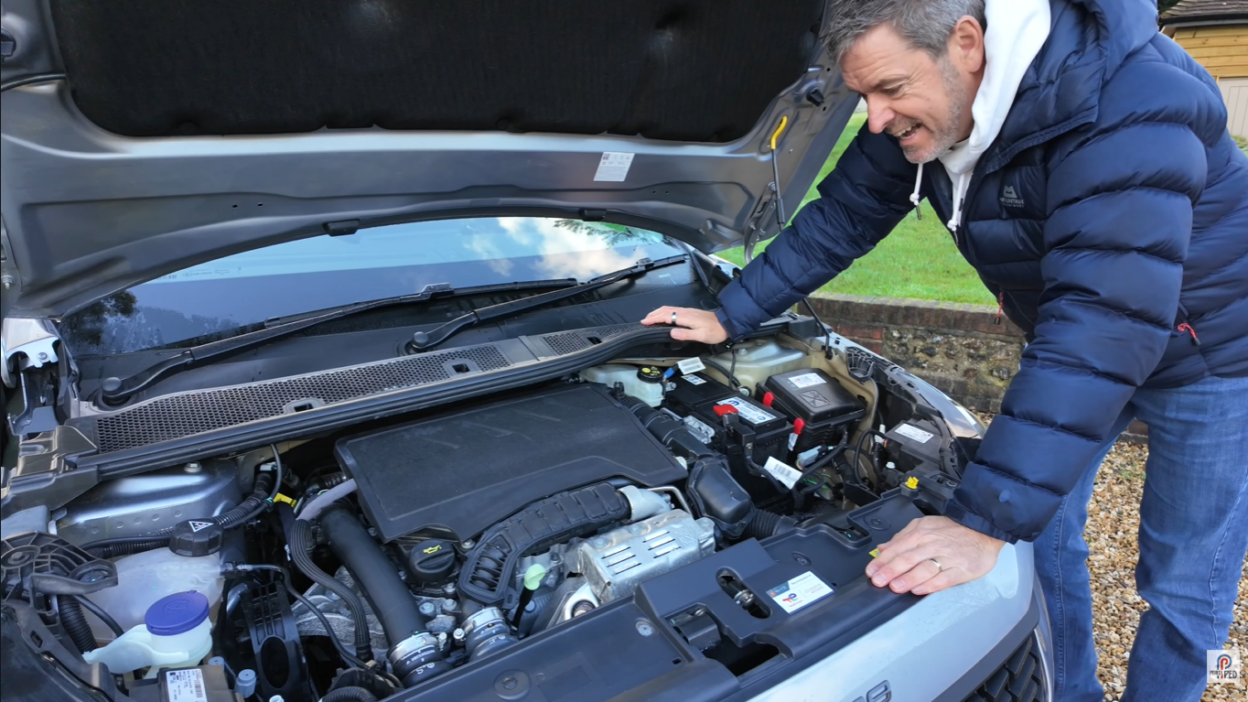
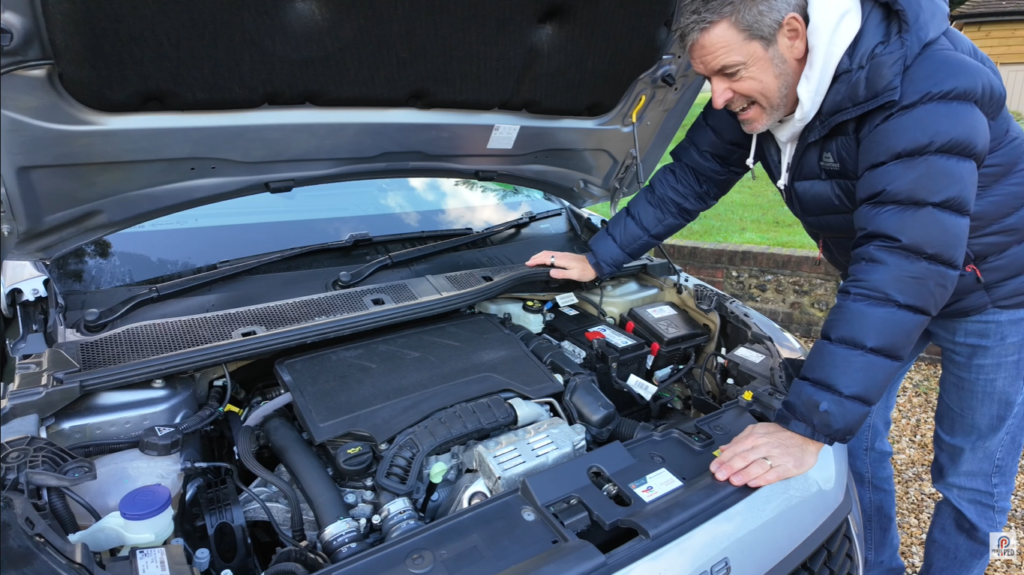
Under the bonnet sits a 1.2-liter inline three-cylinder petrol engine producing 101 horsepower and 151 Newton-meters of torque. On paper, these figures might not set your heart racing. In reality, this little engine delivers something far more valuable than raw power: character.
The Three-Cylinder Symphony
Three-cylinder engines have a distinctive sound profile that’s become increasingly rare and therefore increasingly special. The 208’s unit produces a characterful thrum that’s been compared to “a baby five-cylinder Audi TT RS.” While that might be pushing it slightly, the comparison isn’t without merit.
The three-pot engine creates a unique acoustic signature—slightly rough around the edges in the best possible way, with a distinctive beat that makes you smile every time you start the car. It sounds alive, mechanical, and enthusiastic in ways that modern turbocharged four-cylinders simply don’t.
The Sound of Engagement: Modern engines are often too refined, too isolated, too distant from the driver. The 208’s three-cylinder unit communicates constantly. You can hear it working, feel it vibrating gently through the controls, and sense its eagerness to rev. This constant dialogue between car and driver creates engagement that expensive sound symposers and artificial engine notes can never replicate.
The Joy of Extracting Every Last Bit
With just 101 horsepower, you need to work the engine hard to extract performance. And here’s the beautiful secret: that’s incredibly fun. You can absolutely “rev its nuts off” and still only be doing the national speed limit. You can use every gear, every RPM, and every ounce of available power without risking your license or safety.
Guilt-Free Performance Driving: Take a 700-horsepower supercar down a twisty B-road and you’re constantly managing power, riding the brakes, and never really exploring the performance envelope because doing so would be dangerously illegal. In the 208, you can floor the throttle out of every corner, bang through gears, and drive with complete commitment—and you’re still only doing 60 mph.
This creates a driving experience that’s somehow more engaging than piloting vastly more powerful machinery. You’re working with the car, extracting performance through skill rather than just planting your right foot and letting electronics manage everything.
Efficiency Meets Enthusiasm
The three-cylinder engine isn’t just characterful; it’s also remarkably efficient. That 50 MPG combined figure means you can enjoy spirited driving without the guilt of massive fuel consumption. When you’re having fun and still averaging better fuel economy than most family crossovers achieve on the motorway, you’re winning.
The engine also encourages a driving style that’s more engaging than modern turbocharged units. With peak torque available across a relatively narrow band, you need to keep the engine in its sweet spot using the gearbox. This creates constant interaction—you’re not just driving; you’re actively managing the car’s mechanical systems to maximize performance.
3. A Real Manual Gearbox with Proper Clutch and Handbrake
In an era where manual transmissions are increasingly endangered and electronic parking brakes have become standard, the Peugeot 208 Style offers something precious: traditional, mechanical, fully engaging controls.
Six-Speed Manual Gearbox: Control in Your Hands
The six-speed manual transmission puts you completely in charge of gear selection, engine speed, and power delivery. Every gear change is a conscious decision, every downshift requires thought and technique. This isn’t laziness disguised as convenience—it’s engagement disguised as work.
The Satisfaction of a Good Shift: There’s genuine satisfaction in executing a perfect rev-matched downshift, in selecting exactly the right gear for the situation, in feeling the mechanical connection between your hand and the transmission. The 208’s gearbox might not be the slickest in the business (the gear knob itself is admittedly horrible), but the act of changing gears yourself remains deeply satisfying.
Learning Curve Equals Engagement: Manual transmissions reward skill development. The better you become at heel-toe downshifting, rev-matching, and selecting optimal gears, the faster and smoother your driving becomes. You’re not just a passenger in the vehicle’s operation; you’re an active participant in making it perform well.
Connection to the Drivetrain: With a manual gearbox, you can feel the engine’s power flowing through the transmission to the wheels. You sense when you’re lugging the engine, when you’re in the powerband, and when you need to shift. This mechanical sympathy creates a relationship between driver and machine that automatic transmissions simply cannot replicate.
A Proper Pull-Up Handbrake: Simple Pleasure
The inclusion of a traditional handbrake might seem trivial, but it represents a philosophy: mechanical simplicity over electronic complication. That simple lever does several things electronic parking brakes cannot:
Hill Starts: Proper handbrake hill starts develop skill and give you precise control. Release the handbrake at exactly the right moment for a perfect launch without rolling backward.
Handbrake Turns: Yes, we’re talking about handbrake turns. While you shouldn’t be doing these on public roads, the capability exists. In a snowy car park or on private property, the ability to lock the rear wheels and pivot the car is enormous fun. Electronic parking brakes automatically disengage when you try, killing the fun.
Parking Confidence: A mechanical handbrake gives tactile feedback. You can feel when it’s properly engaged, adjust tension as needed, and trust it completely. Electronic parking brakes engage with a button press and… that’s it. No feedback, no confirmation beyond a dashboard light.
Simplicity Equals Reliability: Fewer electronics mean fewer things to go wrong. A mechanical handbrake will outlast electronic systems and costs virtually nothing to repair if issues arise.
The Complete Package: Pedals, Gearbox, Handbrake
Together, these three elements—clutch pedal, manual gearbox, and handbrake—create the complete traditional driving experience. Your left foot modulates the clutch, your right hand selects gears, and your left hand operates the handbrake. You’re using all your limbs, making constant decisions, and fully engaged in the act of driving.
This might sound like work to some, and honestly, it is. But it’s rewarding work. It’s the difference between watching someone play a video game and actually playing it yourself. Yes, it requires more attention and skill, but that’s precisely what makes it engaging and enjoyable.
4. Stunning Design That Stands Out
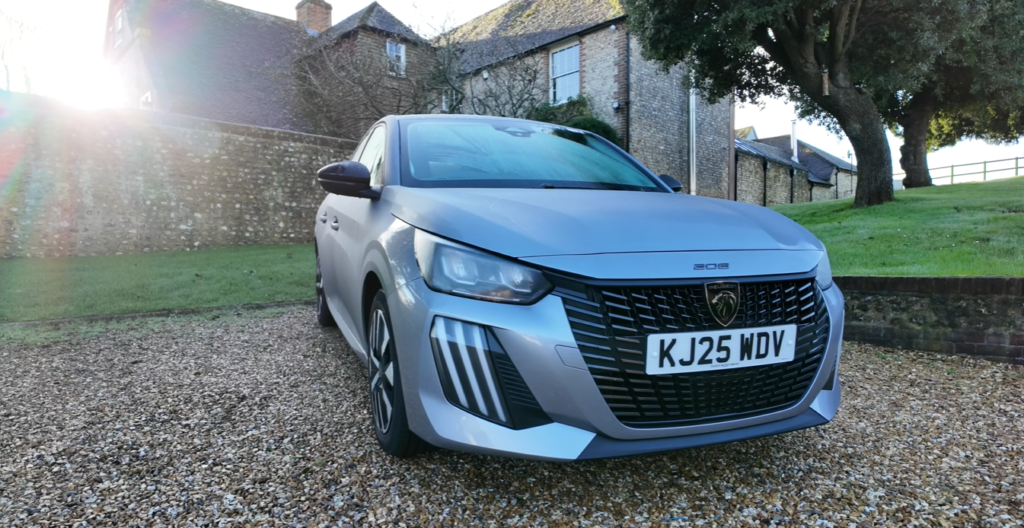
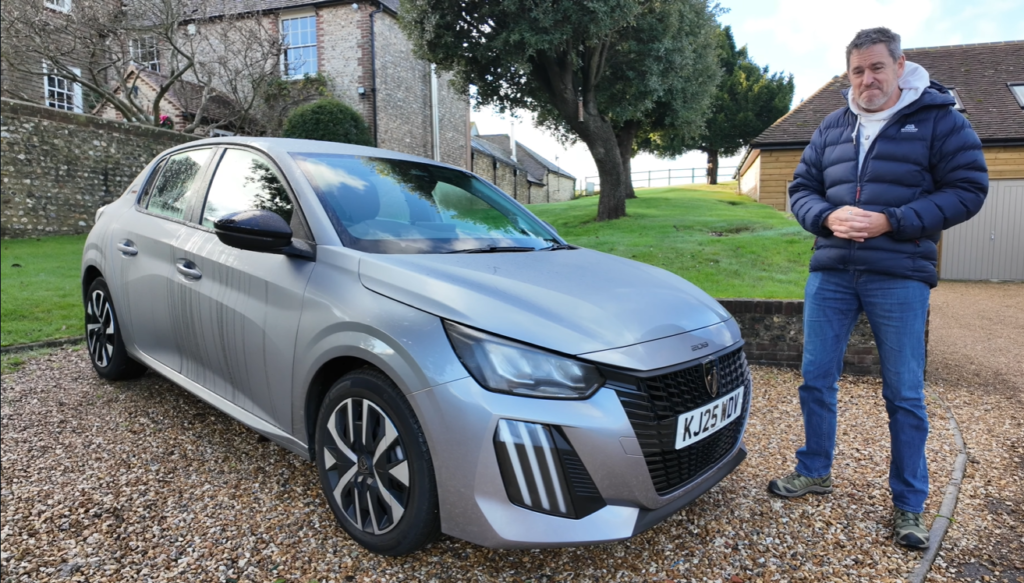
The Peugeot 208 is genuinely good-looking car that punches well above its price point in terms of visual appeal. While subjective, the design has matured into something distinctive, modern, and surprisingly premium.
Front End: Character and Presence
The front fascia of the 208 is described as “a cracker” with “a lot of character.” Peugeot’s recent design language—characterized by distinctive lighting signatures and bold grille treatments—translates beautifully to this compact package.
Distinctive LED Lighting: The front lights are unmistakably Peugeot, featuring LED technology that creates a modern, upscale appearance. The lighting signature is distinctive enough that you can identify a 208 from a distance, giving it identity in a segment filled with anonymous designs.
Bold Grille and Badge Placement: While the new Peugeot badge might not be universally loved (some compare it to Proton’s logo), the overall front end composition works brilliantly. The grille, air intakes, and badging create a face that’s aggressive without being overwrought, modern without being gimmicky.
Size-Appropriate Proportions: The 208’s compact dimensions work in its favor visually. It doesn’t try to look bigger than it is through awkward cladding or fake vents. Instead, it embraces its size, looking like a properly resolved small car rather than a shrunken version of something larger.
Rear End: Clean and Contemporary
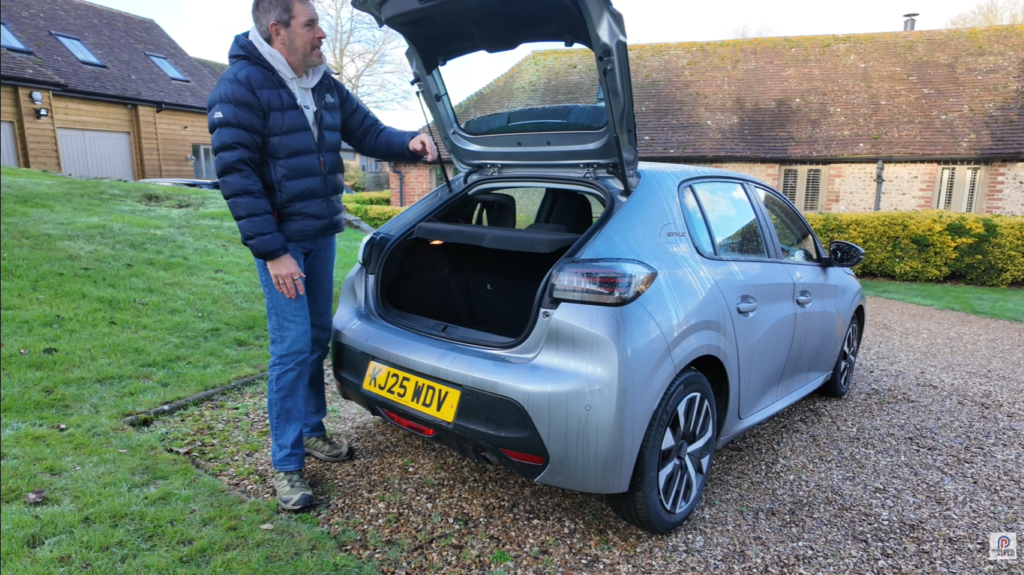
The rear design continues Peugeot’s recent successful design themes. A full-width lighting element spans the back, incorporating the Peugeot script in an elegant font. This treatment creates visual width and premium appeal—a design touch usually reserved for more expensive vehicles.
The rear end looks clean, resolved, and modern. There’s no visual fussiness, no unnecessary complexity. Just a well-proportioned hatchback that looks expensive relative to its actual price.
Side Profile: Elegant Simplicity
The side profile of the 208 benefits from good proportions and clean surfacing. While the 16-inch steel wheels with plastic covers won’t win beauty contests, they don’t ruin the design either. In fact, their simplicity allows the body’s form to take center stage.
Door Handles and Shut Lines: Panel gaps and build quality appear tight and consistent. The doors close with a satisfying thunk rather than a tinny crash. These details matter—they’re what you interact with every single day.
Vegan Leather Back Panel: The rear of the car features vegan leather trim, adding textural interest and upscale appeal. This isn’t a material choice you’d expect on a £20,000 hatchback, yet here it is, elevating the design beyond bare metal or plastic.
Cohesive Design Language
Perhaps most importantly, the 208’s design feels cohesive. Every angle works together to create a harmonious whole. There are no jarring elements, no sections that clearly belong to a different design iteration. From every angle, it looks like a well-considered, properly designed modern hatchback.
Standing the Test of Time: Good design ages well. The 208’s relatively restrained approach—modern without being gimmicky, distinctive without being weird—suggests it will look good for years to come. In a segment where some designs age badly within months, this matters.
Premium Appearance at Non-Premium Price
The real achievement? The 208 looks more expensive than it is. Park it next to premium compact offerings, and it doesn’t look out of place. The design quality, attention to detail, and overall execution belie the £20,000 price tag.
For buyers who care about how their car looks—and most of us do, even if we claim otherwise—the 208 delivers substantially more visual appeal than its price suggests. You won’t feel like you’re driving a budget offering; you’ll feel like you got tremendous value.
5. Proper Ride Quality and Road Manners
Despite its lightweight construction, compact size, and budget-friendly price point, the Peugeot 208 delivers surprisingly accomplished ride quality and road manners. This is a car that feels well-sorted and competent on British roads.
Composed and Comfortable
Expectations for lightweight budget cars often include a harsh ride, excessive road noise, and a general feeling of flimsiness. The 208 defies these expectations completely.
Quality Ride: The suspension absorbs imperfections smoothly without feeling floaty or disconnected. British roads—with their potholes, broken surfaces, and random bumps—don’t upset the 208. It maintains composure over rough surfaces that would have similar-priced competitors crashing and banging.
Structural Rigidity: Despite being relatively lightweight, the 208 feels solid and robust. There’s no sense of flex or shake over bumps. The body structure feels tight, composed, and well-engineered. You don’t get the impression this is a cheaply constructed car that will develop rattles and squeaks after six months.
Refined Enough for Daily Use: While the three-cylinder engine has character, it’s not intrusive. Road noise is well-controlled for this class. Wind noise at motorway speeds remains reasonable. The overall refinement level makes the 208 perfectly comfortable for daily commuting and longer journeys alike.
Competent Handling Dynamics
The 208 isn’t marketed as a hot hatch, yet its handling is surprisingly capable and enjoyable.
Responsive Steering: The steering provides decent feedback and weights up appropriately at speed. You can place the car accurately, feel what the front wheels are doing, and generally trust the chassis to do what you ask of it.
Balanced Chassis: The front-wheel-drive layout is well-managed. There’s a hint of torque steer under hard acceleration, but it’s manageable and adds to the character. The chassis feels neutral and predictable—you can commit to corners with confidence.
Grip and Stability: The Michelin E Primacy tires—despite being efficiency-focused rather than performance-oriented—provide adequate grip for enthusiastic road driving. The car remains stable and composed even when you’re pushing on, with progressive behavior when you approach the limits.
Wet Weather Capability
Testing in wet conditions revealed the 208’s competence in challenging weather. The traction control system intervenes smoothly when needed, and the chassis communicates clearly when grip is reduced. You can drive with confidence in the rain without feeling like you’re on ice.
Predictable Behavior: When the rear gets a little loose under power in the wet, it does so progressively and manageably. The car talks to you, letting you know what’s happening before it becomes a problem. This predictability builds driver confidence.
Real-World Comfort
Perhaps most impressive is how comfortable the 208 is for extended periods behind the wheel. The cloth seats provide good support without being too firm. The driving position (steering wheel issues aside for some drivers) allows relaxed cruising. After a long drive, you don’t emerge aching and tired.
The cabin remains quiet enough for conversation at motorway speeds. The ride quality doesn’t become harsh or uncomfortable even on poor road surfaces. These daily-use comfort factors matter enormously in the real world, and the 208 delivers admirably.
6. Outstanding Fuel Economy: 50+ MPG Combined
In an era of rising fuel costs and environmental consciousness, the Peugeot 208’s exceptional fuel economy represents a significant real-world benefit that will save you money every single day you drive it.
Official Figures vs Reality
The official combined cycle fuel economy stands at 50 miles per gallon. That’s the number Peugeot publishes, and refreshingly, it’s achievable in real-world driving. With gentle throttle application and efficient driving techniques, you could potentially exceed this figure.
What 50 MPG Actually Means: Consider a typical annual mileage of 10,000 miles. At current UK petrol prices (approximately £1.40 per liter), the difference between 50 MPG and, say, 35 MPG (typical for a small SUV) amounts to hundreds of pounds per year in fuel costs.
Over a three-year ownership period, that’s potentially over £1,000 saved just on fuel. That’s a significant chunk of money that could go toward servicing, insurance, or your next car.
How It Achieves This Efficiency
The 208’s remarkable fuel economy results from several factors working in harmony:
Lightweight Construction: That sub-1,100kg curb weight means less mass to accelerate and less rolling resistance to overcome. Physics is on your side.
Efficient Engine: The 1.2-liter three-cylinder engine employs modern efficiency technologies while avoiding the complexity and expense of hybrid systems. It’s tuned for efficiency across its operating range.
Aerodynamic Shape: While not groundbreaking, the 208’s relatively sleek profile helps reduce drag at speed, improving motorway fuel economy.
Efficiency-Focused Tires: The Michelin E Primacy tires are specifically designed for low rolling resistance, contributing measurably to overall efficiency without significantly compromising grip or handling.
Gearbox Ratios: The six-speed manual transmission includes ratios optimized for efficiency, allowing relaxed cruising at motorway speeds without excessive engine RPM.
Range and Practicality
Good fuel economy translates directly to extended range between fill-ups. With the 208’s fuel tank capacity, you’re looking at 400+ miles of range in mixed driving. That’s London to Edinburgh without stopping for fuel, or a week of commuting without visiting a petrol station.
Convenience Factor: Fewer fuel stops save time and hassle. When you do need to refuel, filling a car that returns 50 MPG costs substantially less than filling a thirsty SUV or performance car.
Environmental Consideration: While not as clean as electric vehicles, 50 MPG represents significantly lower CO2 emissions than larger, heavier, less efficient alternatives. For buyers who care about their environmental impact but aren’t ready for electric, the 208 represents a responsible choice.
Real-World Driving Scenarios
Motorway Cruising: On long motorway journeys at steady speeds, the 208 can achieve even better than the combined figure—potentially touching 55+ MPG with gentle driving.
Urban Driving: City driving typically reduces fuel economy, but the lightweight nature of the 208 means it still performs respectably, likely achieving 40+ MPG even in stop-start traffic.
Spirited Driving: Even when driving enthusiastically—using the full rev range, making the most of every gear—the 208 still returns respectable fuel economy. You can have fun without watching the fuel gauge plummet.
7. Affordable Running Costs Beyond Just Fuel
The Peugeot 208’s financial benefits extend far beyond its impressive fuel economy. As a mainstream brand offering with proven mechanicals, the 208 delivers low running costs across every aspect of ownership.
Insurance Groups: Lower Premiums
The 208 Style with its 101-horsepower engine sits in a reasonable insurance group. This isn’t a performance variant that will trigger astronomical premiums. For younger drivers or those with limited no-claims bonuses, this affordability could be the difference between manageable and unaffordable motoring.
Service and Maintenance Costs
Mainstream Brand Advantages: Peugeot’s extensive dealer network across the UK means servicing and repairs are accessible and competitively priced. You’re not dealing with premium brand labor rates or specialist-only mechanics.
Simple Mechanicals: The naturally aspirated three-cylinder engine, manual transmission, and straightforward construction mean fewer complex components to fail. There’s no dual-clutch gearbox to replace at huge expense, no turbocharger to rebuild, no complex hybrid system requiring specialist attention.
Parts Availability: As a high-volume mainstream model, parts for the 208 are readily available and reasonably priced. Wear items like brake pads, discs, and tires cost a fraction of what you’d pay for performance variants or premium brands.
Extended Service Intervals: Modern Peugeots feature relatively long service intervals, reducing the frequency of scheduled maintenance and associated costs.
Tire Costs: Budget-Friendly
Those 16-inch wheels take relatively inexpensive tires. Compare the cost of replacing four 16-inch tires versus four 19 or 20-inch performance tires on a hot hatch, and the 208’s advantage becomes clear. You’re talking hundreds of pounds difference.
Longer Tire Life: The lightweight nature of the car and moderate power output mean tires last longer. You’re not shredding expensive rubber every 10,000 miles.
Depreciation Considerations
While predicting future depreciation is always uncertain, the 208 benefits from several factors that suggest reasonable residual values:
Popular Segment: Small hatchbacks remain the UK’s best-selling vehicle category, ensuring strong used demand.
Proven Reliability: The 208’s mechanicals have proven reliable in service, building buyer confidence in used examples.
Distinctive Design: The 208’s good looks help it stand out in used car forecourts, potentially maintaining values better than anonymous competitors.
Fuel Economy Appeal: In a world of expensive fuel, used buyers actively seek efficient cars like the 208.
Tax and Regulatory Costs
VED (Road Tax): The 208’s emissions place it in a favorable VED band, keeping annual road tax costs manageable.
Company Car Tax: For business users, the 208’s CO2 emissions result in reasonable benefit-in-kind taxation compared to less efficient alternatives.
Congestion and Clean Air Zones: As a modern, relatively efficient petrol car, the 208 avoids the charges that older or dirtier vehicles face in many UK city centers.
Total Cost of Ownership
When you factor in purchase price, fuel costs, insurance, servicing, tires, and depreciation, the Peugeot 208 presents a compelling total cost of ownership proposition. You can enjoy hassle-free, affordable motoring without the anxiety of unexpected expensive repairs or running costs that spiral out of control.
For young buyers, families on budgets, or anyone who simply wants to keep more money in their pocket, the 208’s low running costs represent a genuine, tangible benefit that compounds every year you own it.
8. Back-to-Basics Simplicity That Cuts Through Modern Complexity
In a world where new cars increasingly resemble smartphone on wheels—laden with touchscreens, subscription services, and overwhelming complexity—the Peugeot 208 Style offers refreshing simplicity.
Analog Controls That Just Work
Physical Buttons for Key Functions: While some controls route through the infotainment screen, the 208 retains real buttons for frequently used functions. There’s something deeply satisfying about pressing an actual button that provides tactile feedback rather than prodding a touchscreen and hoping something happens.
Analog Temperature Control: The heating system features a beautifully simple hot/cold slider with plus and minus buttons. No degrees Celsius or Fahrenheit—just make it warmer or cooler until it feels right. This isn’t sophisticated, but it’s perfectly functional and requires zero learning curve.
Traditional Instrument Cluster: Behind the (controversial) steering wheel sits a proper instrument cluster. There’s a speedometer, a tachometer, and essential information. No 15-inch touchscreen trying to be everything to everyone. Just the information you need, clearly displayed.
Fewer Systems to Fail
Mechanical Simplicity: Manual transmission, mechanical handbrake, naturally aspirated engine, traditional hydraulic brakes—these are proven, durable technologies that rarely fail. When they do require attention, they’re straightforward to diagnose and affordable to repair.
No Complex Electronics: The 208 doesn’t burden you with over-engineered systems that solve problems you didn’t know you had. No gesture controls, no 47 different drive modes, no electronic differentials requiring calibration.
Predictable Behavior: Because the car isn’t managing dozens of systems trying to interpret your intentions, it simply does what you tell it. Press the throttle, the car accelerates. Turn the wheel, the car turns. No delay while computers decide what you really meant to do.
Focus on Core Functionality
The 208’s simplicity forces focus on what actually matters in a car: Does it drive well? Is it comfortable? Is it reliable? Is it affordable? Everything else is secondary.
No Feature Bloat: You won’t find massage seats, ambient lighting with 64 color options, or internet connectivity that requires a monthly subscription. The 208 does transportation, and it does it well, without pretending to be your mobile office, entertainment center, and meditation pod.
Reduced Cognitive Load: Modern cars can overwhelm with options, settings, and systems requiring management. The 208 lets you just drive. Your attention remains on the road, the traffic, and the driving experience rather than navigating menus and managing systems.
Learning Curve? What Learning Curve?
Give someone the keys to a modern luxury car, and they’ll spend 20 minutes figuring out how to adjust the seat, connect their phone, and set the climate control. Give someone the keys to a 208, and they’ll have it figured out in two minutes. This simplicity is genuinely valuable.
Universal Usability: Anyone can drive the 208 comfortably. There’s no thick owner’s manual to study, no online tutorials to watch, no dealer orientation session required. It’s immediately intuitive.
Rental Car Scenario: Imagine picking up a rental car at the airport. Would you rather spend your first 15 minutes decoding a complex infotainment system, or just start driving? The 208’s simplicity is a gift in these situations.
9. A Lineage of Character: Connecting to Peugeot’s Legacy
The Peugeot 208 doesn’t exist in isolation—it’s part of a lineage that traces back to one of the greatest hot hatches ever made: the legendary 205 GTI. While the modern 208 isn’t trying to recreate that icon, it carries forward the philosophy that made the 205 special.
The 205 GTI Legacy
The Peugeot 205 GTI—particularly the 1.6 and 1.9 variants—defined the hot hatch genre in the 1980s. Lightweight, eager to rev, beautifully balanced, and utterly joyous to drive, the 205 GTI showed that you didn’t need supercar power to have supercar fun.
The Evolution: That 205 became the 206, which became the 207, and ultimately the 208 you can buy today. While some might argue the lineage lost its way in the middle generations, the current 208 has rediscovered some of that original magic.
Character Over Horsepower: What made the 205 GTI special wasn’t headline figures—it was character, balance, and the intangible quality of being deeply satisfying to drive. The modern 208, particularly in this naturally aspirated three-cylinder form, recaptures that philosophy.
Group B Rally Heritage
Peugeot’s motorsport legacy includes the extraordinary 205 T16 Group B rally car—a mid-engined, four-wheel-drive monster that dominated rallying in the mid-1980s. Obviously, the road-going 208 shares nothing mechanical with that fire-breathing competition machine.
But both cars share something important: they prove that Peugeot understands how to make cars that stir emotion and deliver driver engagement. That DNA—the willingness to prioritize character and enjoyment—remains in the company’s products.
Learning to Drive in a Peugeot
Many drivers in the UK learned to drive in Peugeots. The 106, 205, 206, 207—these were staples of driving schools and first cars. There’s nostalgia in that relationship, a connection to when driving was new and exciting.
Full Circle: For drivers who learned in a Peugeot decades ago, buying a modern 208 represents coming full circle. You’re reconnecting with a brand that introduced you to driving, but now with a more mature, refined product that still retains fundamental character.
Design Language Continuity
The current Peugeot design language—particularly the front end treatment with distinctive lighting and bold grille work—has developed into something cohesive and attractive. After some less inspired designs in earlier generations, the current lineup genuinely looks good.
Visual Identity: When you see a current Peugeot, you know it’s a Peugeot. That identity, that visual coherence across the range, suggests a company that knows who it is and what it stands for.
10. Pure Driving Joy: Smiles Per Mile That Match Six-Figure Exotics
This is the big one—the reason that matters most. The Peugeot 208 Style delivers genuine, unfiltered driving joy that equals or exceeds cars costing five to ten times as much.
The Fun Paradox
Here’s the paradox of modern performance cars: they’re so fast that you can’t use their performance on public roads without risking license, safety, or jail time. A 700-horsepower supercar is deeply compromised as a driver’s car on British B-roads because you can barely crack the throttle before you’re at illegal speeds.
The 208’s Sweet Spot: With just 101 horsepower, every ounce of performance is accessible and exploitable. You can use first gear fully. You can rev to the limiter in second. You can explore third, fourth, fifth gear without breaking any laws or putting anyone at risk.
Working With the Car: Extracting performance requires working in harmony with the machine—selecting the right gear, keeping the engine in its powerband, carrying momentum through corners, and maximizing mechanical grip. This is active, engaging driving that makes you feel skilled and involved.
Constant Engagement
Modern performance cars often isolate you from the driving experience. They’re fast, but you’re not doing the work—the turbos are providing power, the all-wheel-drive system is managing traction, the electronic differential is portioning torque, and the stability control is tidying up your mistakes.
Pure Mechanical Connection: The 208 gives you everything unfiltered. You feel the road through the steering, sense the weight transfer through the seat, hear the engine’s response to throttle inputs, and control everything through three pedals and a gear lever.
Every Drive Becomes Engaging: Even mundane journeys—commuting to work, grocery shopping, school runs—become more interesting in a car that requires and rewards your attention. You’re not just a passenger; you’re actively driving.
The Speed Doesn’t Matter
On a favorite stretch of road, you can drive the 208 enthusiastically and remain at or near the speed limit. Compare this to driving a modern performance car on the same road, where you’re constantly managing excessive speed and riding the brakes.
Legal Fun: You can explore the car’s limits, push yourself as a driver, and genuinely enjoy the experience without the anxiety of speed cameras, police, or endangering yourself or others.
Accessible Performance: That 0-62 mph time of 10.1 seconds might seem slow on paper, but in reality, it’s perfectly adequate. You’re rarely doing standing start acceleration in real-world driving. What matters is how the car feels when you’re driving it, not what it does in a straight line.
The Big Smile Factor
After driving supercars, hypercars, and everything in between, the reviewer admitted to having “just as much fun driving this as I do driving the latest 911 or the latest from Maranello.” That’s extraordinary praise.
Why This Matters: Fun isn’t measured in horsepower, acceleration times, or lap records. It’s measured in smiles. How often do you find yourself grinning behind the wheel? How much are you enjoying the act of driving rather than just arriving at your destination?
By this crucial metric—smiles per mile—the £20,000 Peugeot 208 absolutely destroys cars costing hundreds of thousands more.
Reigniting the Passion
For people who’ve forgotten why they loved driving, who’ve resigned themselves to cars being appliances, or who’ve convinced themselves that fun requires six-figure expenditure, the 208 is revelatory.
Rediscovering Joy: The 208 reminds us that driving can be joyful. That cars can make you smile. That the journey can matter as much as the destination. These aren’t small things—they’re fundamental to why many of us love cars in the first place.
The Verdict: £20,000 Well Spent
The Peugeot 208 Style represents something increasingly rare in modern motoring: an affordable, engaging, genuinely fun car that prioritizes the driving experience over technology, complexity, and status symbols.
Who Should Buy the Peugeot 208?
The Driving Enthusiast on a Budget: If you love driving but can’t justify six-figure supercars, the 208 delivers comparable smiles per mile for a fraction of the cost.
The Efficiency-Conscious Buyer: 50+ MPG combined with engaging driving dynamics—you don’t have to choose between fun and frugality.
The New Driver: Learning car control, developing mechanical sympathy, and building proper driving skills—the 208 is an exceptional teacher with its manual gearbox and responsive handling.
The City Dweller: Compact dimensions, light weight, and nimble handling make urban parking and maneuvering effortless. Low running costs suit city budgets.
The Weekend Warrior: You don’t need your car for family hauling or business trips—you want something fun for weekend blasts on country roads.
The Nostalgic Enthusiast: You learned to drive in a Peugeot years ago and want to recapture some of that magic with modern refinement and reliability.
The Anti-SUV Buyer: You refuse to join the SUV masses and want a proper car—low-slung, lightweight, and designed for driving enjoyment rather than appearing impressive in supermarket car parks.
What You’re Really Buying
When you purchase a Peugeot 208 Style for £20,000, you’re not just buying transportation. You’re buying:
✅ Freedom from excessive running costs – Fuel, insurance, servicing, and repairs won’t break the bank ✅ Genuine driving engagement – Manual gearbox, handbrake, responsive controls ✅ Character and soul – That three-cylinder engine has more personality than many supercars ✅ Lightweight agility – Just over 1,000 kg of pure driving pleasure ✅ Distinctive good looks – Design that turns heads without shouting ✅ Simplicity and reliability – Proven mechanicals without complex systems to fail ✅ Legal accessible performance – Use every gear, every RPM, without risking your license ✅ Low emissions and excellent fuel economy – 50 MPG that you can actually achieve ✅ Pride of ownership – A car you’ll genuinely look forward to driving ✅ Smiles per mile – The intangible joy that makes car ownership worthwhile
Managing Expectations
The 208 isn’t perfect. It won’t be right for everyone. If you need:
- Spacious rear seats for adult passengers regularly
- Maximum outright performance and speed
- The latest infotainment technology with perfect smartphone integration
- Premium brand cachet and status
- Large cargo capacity for big families or regular hauling
Then the 208 may disappoint. But if these aren’t your priorities—if you value driving pleasure, efficiency, character, and value—the 208 could be the perfect car.
The Modern Motoring Perspective
We live in strange times for car enthusiasts. New cars regularly cost £40,000, £60,000, £100,000 or more. Electric vehicles promise performance but deliver weight and complexity. SUVs dominate despite being poorly suited to most people’s actual needs. Many cars feel more like smartphones on wheels than driver’s machines.
In this context, the Peugeot 208 Style feels like an act of resistance. It’s a car that remembers what made people fall in love with driving in the first place:
Connection over isolation Character over perfection
Engagement over automation Affordability over aspiration Joy over utility
A Love Letter to Simple Pleasures
The greatest thing about the 208? It proves that automotive joy doesn’t require compromise in other areas. You get good fuel economy AND driving fun. You get affordable running costs AND quality construction. You get distinctive design AND mainstream reliability.
This isn’t a car where you reluctantly accept flaws in exchange for one standout quality. It’s a well-rounded package that happens to excel in the area that matters most: making you smile every time you drive it.
The £20,000 Question
Is the Peugeot 208 Style worth £20,000?
For the right buyer, absolutely. Consider this: people regularly spend more than £20,000 on holidays, home renovations, or other depreciating purchases that provide temporary enjoyment. The 208 will deliver daily joy for years of ownership.
Compare the alternatives in this price bracket:
- Boring crossovers with no soul
- Budget brands with questionable reliability
- Smaller cars with less refinement
- Used premium cars carrying expensive repair liabilities
- Electric vehicles with range anxiety and infrastructure limitations
Against these alternatives, the 208 stands out as offering the best balance of enjoyment, practicality, running costs, and ownership satisfaction.
Final Thoughts: Rediscovering Why We Drive
After a year filled with million-pound hypercars, six-figure supercars, and the latest performance machinery, one motoring journalist concluded that the humble Peugeot 208 delivered equal smiles per mile. That’s not damning with faint praise—it’s recognizing something profound.
The 208 reminds us that the best cars aren’t necessarily the fastest, most expensive, or most technologically advanced. The best cars are the ones that make you want to take the long way home. The ones that turn mundane errands into small adventures. The ones that spark joy every time you see them in your driveway.
The Peugeot 208 Style is one of those cars.
For £20,000, you can have a car that will make you fall in love with driving all over again. A car that proves affordable doesn’t mean boring. A car that demonstrates character matters more than horsepower. A car that shows the journey can be just as important as the destination.
In a world of expensive, complicated, isolating transportation appliances, the Peugeot 208 is a breath of fresh air. It’s a proper driver’s car that doesn’t require a premium price tag, racing pedigree, or supercar performance to deliver genuine automotive joy.
If you’ve been searching for an affordable car that’s actually fun to drive, look no further.
The Peugeot 208 Style might just be the most enjoyable £20,000 you’ll ever spend on wheels. It proves that sometimes, less really is more—and that the best things in motoring don’t require sacrificing financial sense for emotional satisfaction.
Welcome back to why you loved driving in the first place. Welcome to the Peugeot 208.