This 2026 MG Hector facelift looks tempting with its big price cut, but dig deeper and there are clear reasons to be cautious. Here is a detailed, structured breakdown of the top 5 reasons to avoid it, based on the shared transcript.
Introduction
The 2026 MG Hector gets its third facelift in six years, along with a headline‑grabbing price reduction of up to about ₹2 lakh on select variants. On paper, that makes it look like a fantastic value play in the crowded mid‑size SUV segment. However, this update is far from “all‑new” and leaves several important issues unresolved, especially when viewed against fresher rivals like the Tata Sierra and new‑gen Kia Seltos.
Reason 1: Aging Platform and Barely-There Facelift
The first and biggest concern is age. The Hector is now an over 6‑year‑old SUV, and this 2026 version is its third facelift. The transcript itself calls out that “all new” is really “barely new,” signalling that this is a minor update on an already heavily refreshed base. For buyers looking for a long‑term purchase, this matters: you’re essentially buying an older platform with limited real changes, which can impact how modern it feels today and how competitive it remains a few years down the line.
While rivals are arriving on newer architectures with updated safety structures, powertrains and electronics, the Hector continues to stretch the same basic package. This raises genuine questions about future‑proofing, overall lifecycle, and eventual resale value versus truly next‑gen alternatives.
Reason 2: Mostly Cosmetic Tweaks With Little Substance
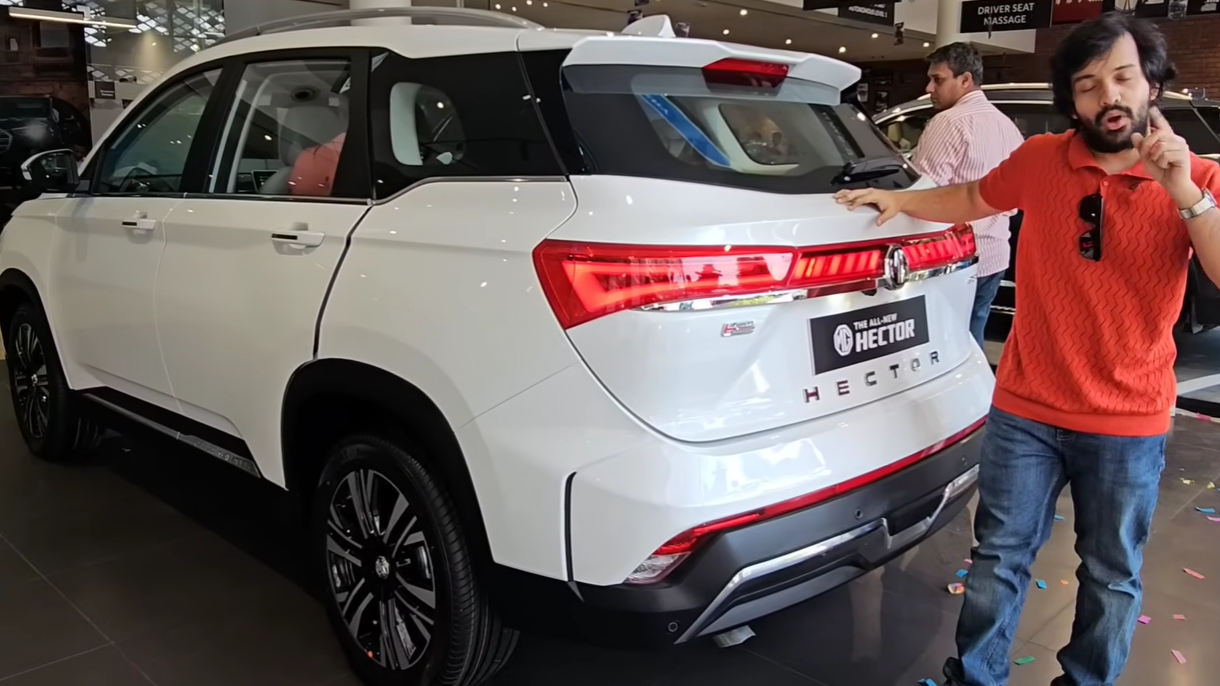
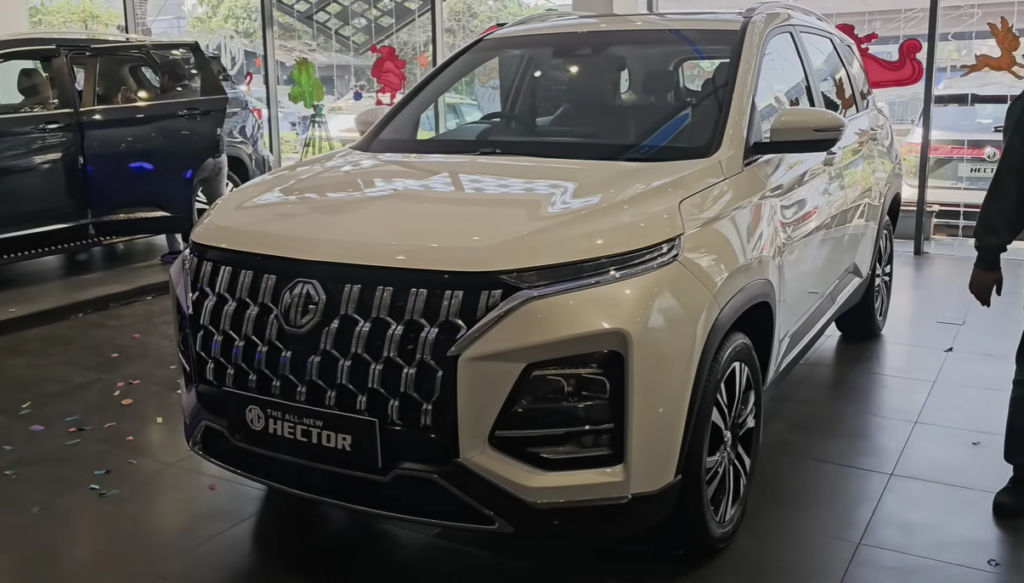
From the outside, MG highlights a new “Aura hex” grille, new alloy designs and a slightly tweaked rear bumper, but these are largely surface‑level changes. The grille remains bold and imposing, with a heavy, chrome‑like treatment that won’t suit everyone’s taste. Beyond that, the SUV still rides on the same 18‑inch wheels, only now with “Aura Bolt” design, and the rear gets a brushed chrome insert that barely alters the visual impact.
There is a new exterior colour called Celadon Blue, but the rest of the design is effectively unchanged. These kinds of tweaks feel more like a checklist to justify calling it a facelift than meaningful enhancements. If you are waiting for a Hector that looks significantly fresher or more premium in the metal, this update is unlikely to move the needle.
Reason 3: Gimmicky Screen Gestures, Same Cabin Experience
Inside, the headline change is not a new dashboard layout or better materials but more RAM for the same 14‑inch touchscreen and some new touch‑gesture controls. You can now:
- Use two fingers to swipe up/down to change AC temperature.
- Use two fingers sideways to adjust blower speed.
- Use three fingers to increase or decrease audio volume.
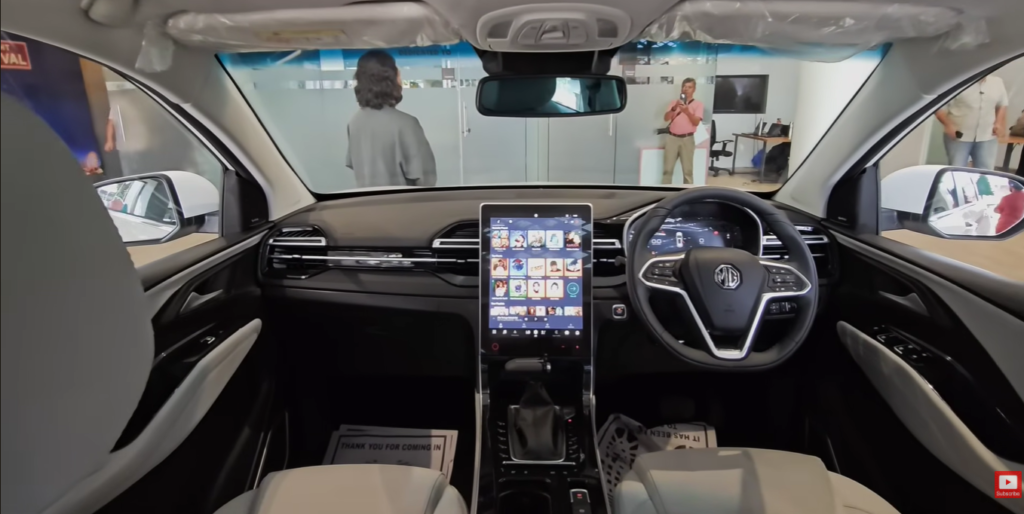
While this might sound clever, even the reviewer calls the volume gestures “gimmicky” because the steering‑mounted buttons already do the job more naturally and safely. In practice, hunting around a large screen with multiple fingers while driving can be more distracting than helpful.
Beyond this, the rest of the cabin is almost unchanged. There’s a new tan upholstery for the 3‑row Hector Plus and an ice‑grey theme for the 5‑seater, but the core interior design, feel, and feature set stay the same:
- Front seat ventilation only, nothing for the second row.
- Same panoramic sunroof, 360° cameras and Level 2 ADAS.
If you were hoping for better rear seat comfort, improved materials, more physical controls, or a major UX rethink, this facelift doesn’t deliver. You’re essentially getting the same cabin with slightly different colours and a few party tricks on the screen.
Reason 4: No Mechanical Upgrades, Still No Diesel Automatic
Under the skin, nothing important has changed. The 2026 Hector continues with the same:
- 1.5‑litre turbo‑petrol engine.
- 2.0‑litre diesel engine.
- Existing transmission options.
The most glaring omission remains: there is still no automatic gearbox option for the diesel. For many buyers in this segment—especially city commuters and frequent highway users who prefer the punch and efficiency of a diesel—this is a deal‑breaker. In 2026, a diesel‑only manual in a family SUV that competes with modern options feels well behind the curve.
There are also no improvements in performance, refinement, fuel efficiency or NVH noted in the transcript. Mechanically, you are effectively buying the same Hector you could already get, just at a lower price. If your priority is an updated driving experience, smoother powertrain choices or better tuning, this facelift has nothing new to offer.
Reason 5: Aggressive Price Cut Can’t Mask Stronger Rivals
MG’s biggest card here is price. The turbo‑petrol manual now starts at ₹11.99 lakh, which:
- Is only about ₹50,000 more than the base Tata Sierra.
- Comes with a turbo‑petrol while the Sierra base uses a naturally aspirated petrol.
Higher variants like Select Pro and Smart Pro are cheaper by roughly ₹2–2.2 lakh, while Sharp Pro and Savvy Pro see cuts of around ₹1.6–1.8 lakh. That’s substantial on paper and makes the Hector look very attractive if you’re shopping purely by price‑to‑feature ratio.
However, this has to be weighed against the fact that rivals like the Sierra and the new Seltos are:
- Newer in design and platform.
- Better aligned with current market expectations on engines, gearboxes and safety.
- Likely to feel more contemporary and desirable for longer.
In other words, the Hector’s big discount is partly compensating for its age and limited progress. If you want a modern SUV that will feel “current” for several years and offer broader powertrain choices, the rivals may justify their slightly higher prices.
Who Should Still Consider the 2026 Hector?
Despite these drawbacks, the 2026 Hector facelift can still make sense for some buyers:
- Those who want a large, feature‑loaded SUV at the lowest possible entry price.
- Those who are comfortable with an older design if it means more features for the money.
- Buyers prioritising a big screen, panoramic sunroof, ADAS and space over drivetrain sophistication or freshness.
If your primary filter is “maximum SUV for minimum money,” the new pricing certainly makes the Hector more tempting.
The 2026 MG Hector facelift is less an all‑new SUV and more a smartly discounted, cosmetically touched‑up version of a six‑year‑old product. The unchanged mechanicals, missing diesel automatic, largely cosmetic exterior changes, gimmicky screen gestures, and the presence of newer rivals are all strong reasons to think twice before shortlisting it.
Use the big price cut as a starting point—not the final deciding factor. A back‑to‑back test drive with the Tata Sierra, new Kia Seltos and any other shortlisted SUVs will quickly show whether the Hector’s age and compromises are worth the savings in your specific use case.