TL;DR – All Winners:
🏆 MVP/Phone of the Year: iPhone 17
📱 Best Big Phone: Xiaomi 17 Pro Max
📏 Best Small Phone: Samsung Galaxy Z Flip 7
📸 Best Camera: Oppo Find X9 Pro
💰 Best Value: CMF Phone 2 Pro
🔋 Best Battery: OnePlus 15
🎨 Best Design: iPhone Air
📂 Best Foldable: Samsung Galaxy Z Fold 7
📈 Most Improved: iPhone 17
💔 Bust of the Year: iPhone 16E
Welcome to the Smartphone Awards 2025.
Despite the rise of AI devices, smart glasses, and XR headsets, the smartphone remains the center of our personal computing lives. And 2025 delivered some genuinely interesting devices—from foldables to modular designs to phones with screens on the back.
Here are the winners across 10 categories, based on real-world testing and hands-on experience with every major smartphone released this year.
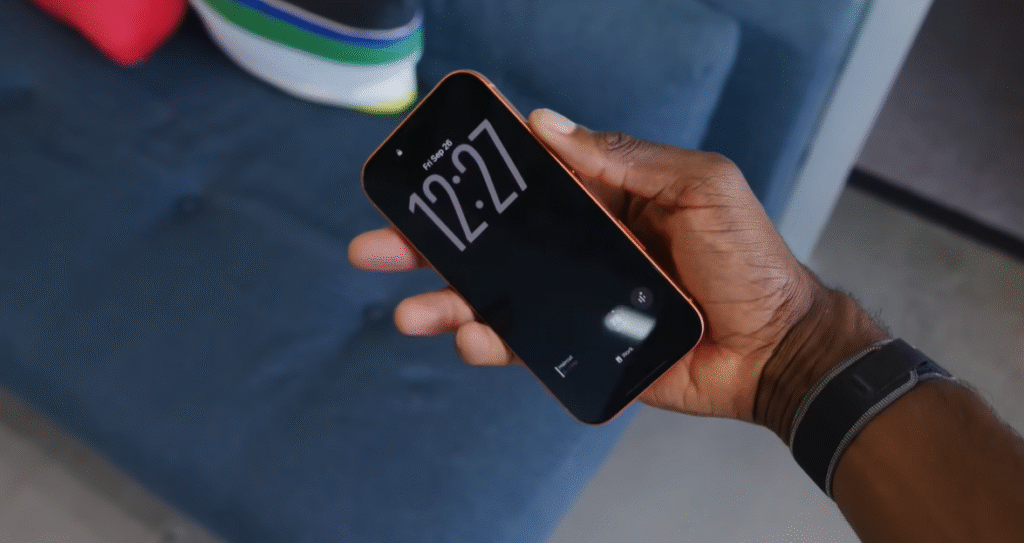
🏆 MVP & Phone of the Year: iPhone 17
Winner: Apple iPhone 17
After years of holding back features for the Pro models, Apple finally delivered what the base iPhone should have been all along.

What Changed
Finally Added:
- 120Hz ProMotion display (first Pro feature to come to base iPhone)
- Doubled base storage (128GB → 256GB)
- Massively upgraded selfie camera (square sensor for portrait/landscape)
- Same price as before ($799)
Why It Won
The iPhone 17 scores 8/10 across every category: battery, cameras, software, performance. It’s now a better deal than the base Galaxy S25 or Pixel 10.
This isn’t the most powerful phone of the year. It’s not the most exciting. But it represents something important: Apple stopped gatekeeping basic features and created the most complete, well-rounded smartphone at this price point.
Runner-up: Xiaomi 17 Pro Max (shamelessly copied the Pro Max name, then one-upped Apple in design, battery, and added a functional back display)
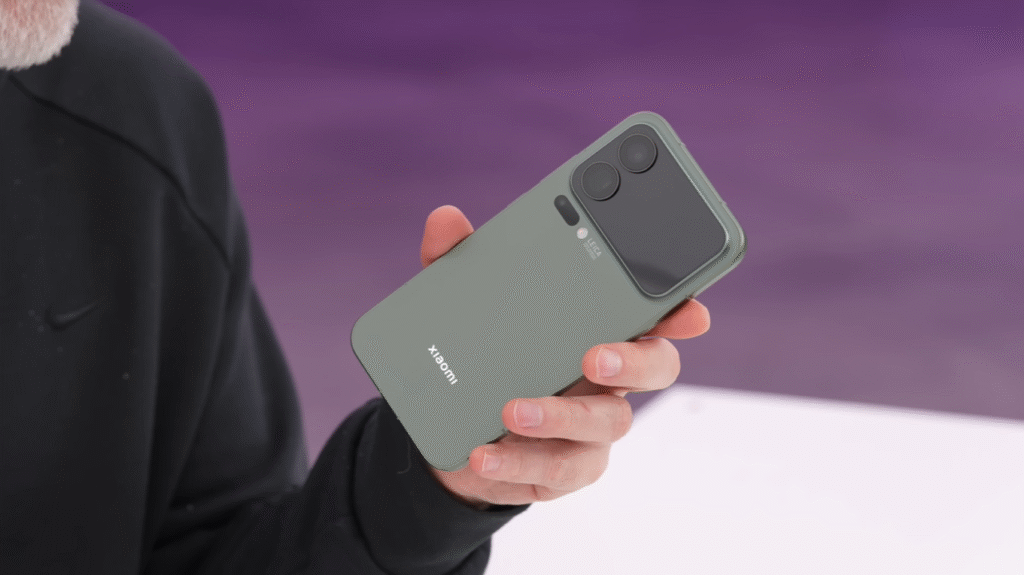
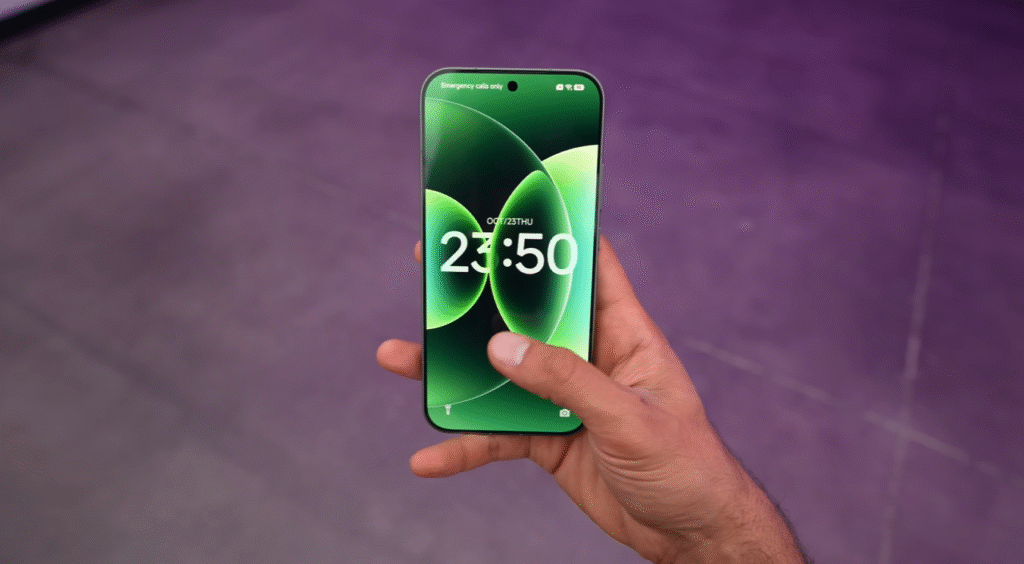
📱 Best Big Phone: Xiaomi 17 Pro Max
Winner: Xiaomi 17 Pro Max (6.9-inch display)
If you’re carrying a massive phone, you might as well maximize everything.
The Specs
- Screen: 6.9 inches (as big as phones get before becoming tablets)
- Processor: Snapdragon 8 Elite Gen 5 (most powerful chip of 2025)
- Battery: 7,500mAh silicon-carbon
- Cameras: Triple 50MP setup
- Back Display: Nearly 3-inch, 1,000-nit, 120Hz screen
The Back Display
This wasn’t a gimmick. The secondary screen served as:
- Notification display
- Camera viewfinder
- Quick info at a glance
Well-executed design that made the massive camera bump actually useful.
Runner-up: Oppo Find X9 Pro (6.8-inch, 200MP telephoto, 7,500mAh battery, custom camera button)
📏 Best Small Phone: Samsung Galaxy Z Flip 7
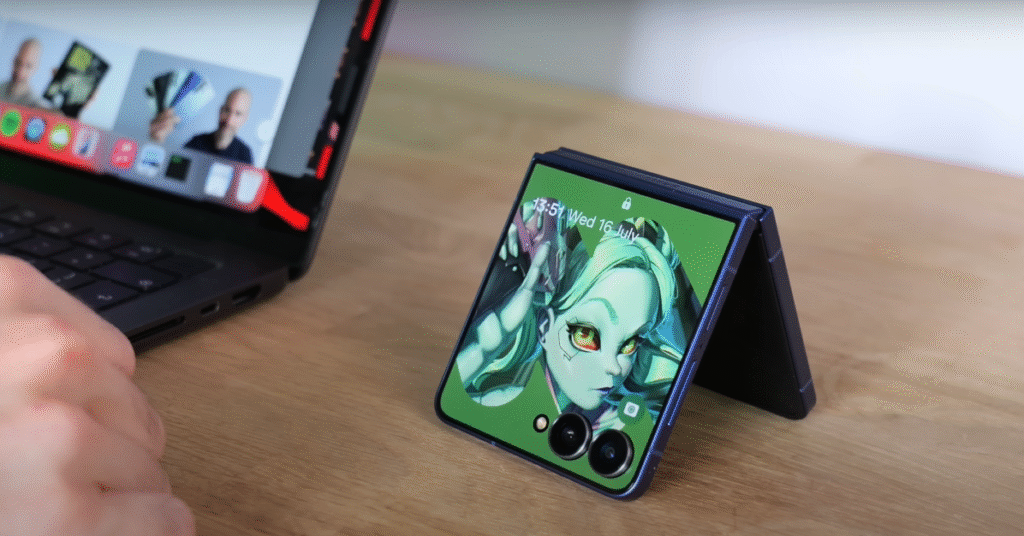
Winner: Samsung Galaxy Z Flip 7
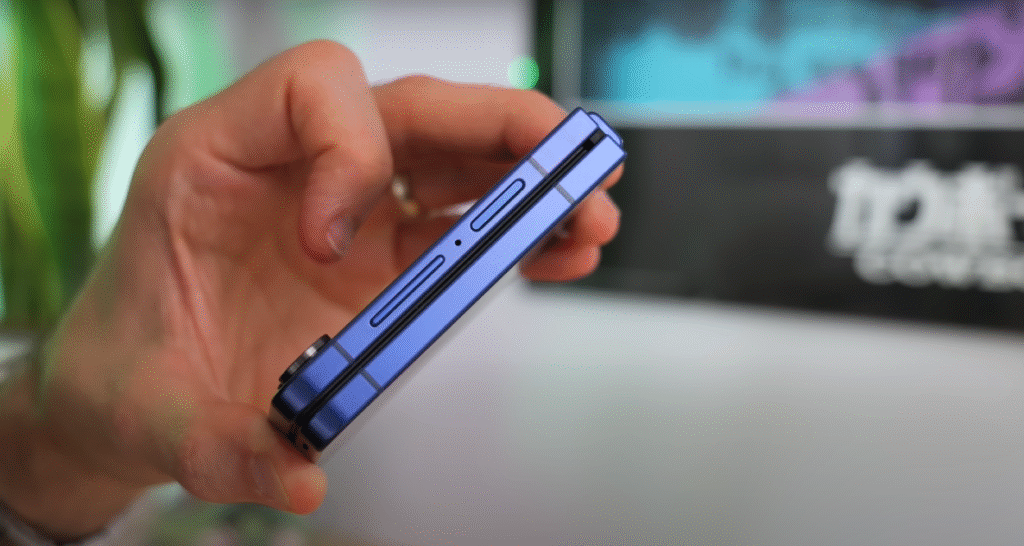
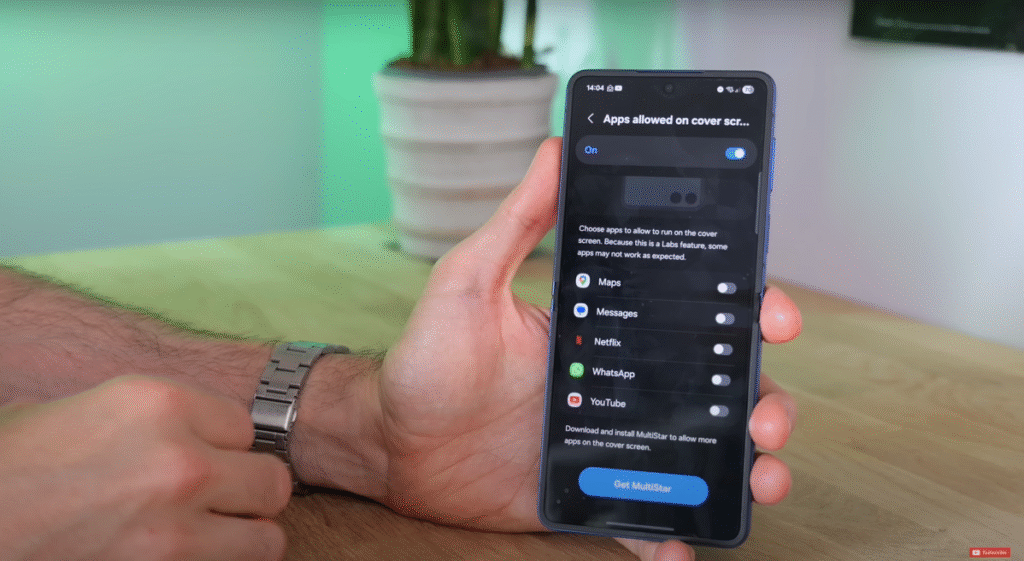
Small flagships went extinct in 2025. Even 6.1-inch displays are rare now. But the Flip 7 solved the problem differently: make a full-size phone that folds in half.
Why It Works
When Folded:
- 4.1-inch corner-to-corner cover screen (fully functional)
- Handle notifications, texts, quick tasks
- Never get sucked into doomscrolling
- Easier to pocket
When Unfolded:
- Full 6.9-inch flagship smartphone
- Complete Android experience
- No compromises
The Balance
Perfect amount of utility as a small phone, with a full-size smartphone lurking underneath when needed. For the average person, the Flip makes more sense than the Fold—and costs less.
📸 Best Camera: Oppo Find X9 Pro
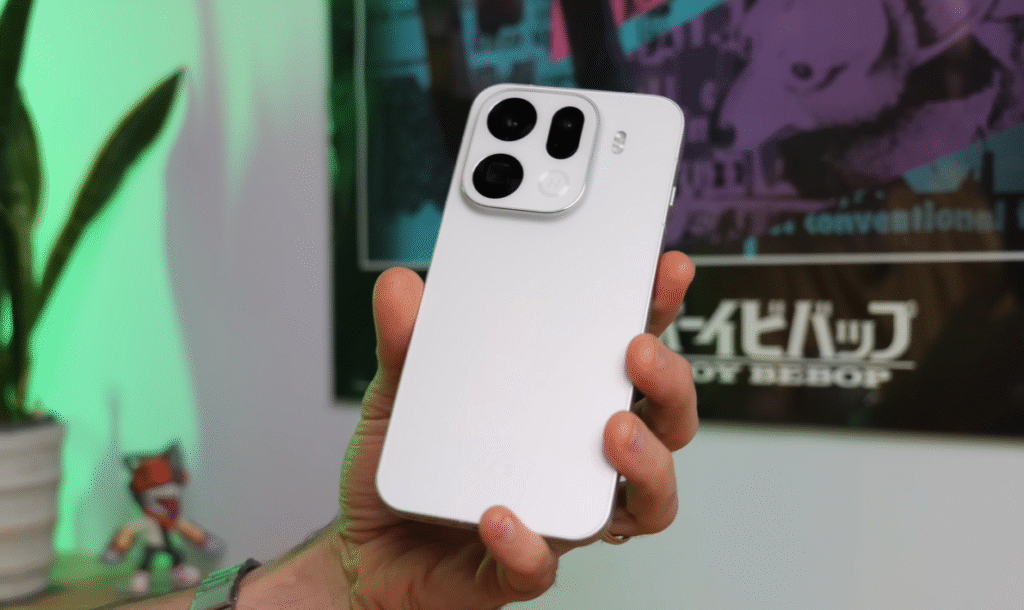
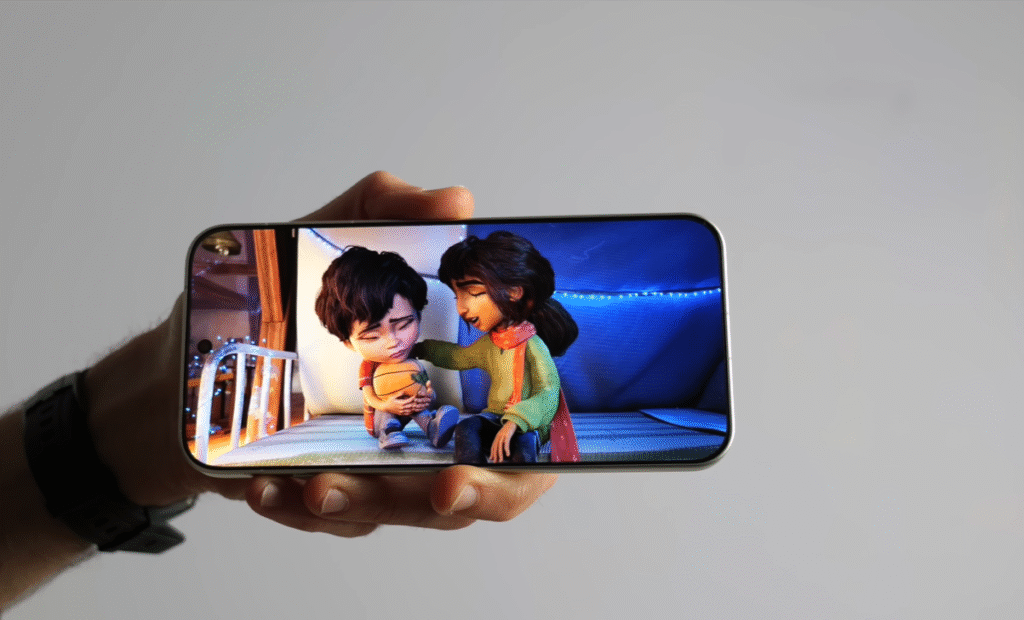
Winner: Oppo Find X9 Pro
Ask photographers which phone camera is best, and they consistently point to one answer.
The Hardware
- Main: 50MP
- Ultrawide: 50MP
- Telephoto: 200MP periscope
- Extra: True color sensor (accurate colors in challenging lighting)
Why It Wins
The Fundamentals: Great sharpness, dynamic range, color calibration. Quick, responsive camera app with fast focus gives you confidence for harder shots.
The Extras: Full 50MP shots (not binned to 12MP like competitors), 4K 120fps Dolby Vision video, log recording, good microphones.
The Fun: Hasselblad telephoto attachment lens for 10x optical zoom on the already excellent 200MP telephoto. Stage lighting mode for concerts. Camera control button copied from iPhone.
This camera does everything right: fundamentals, numbers, features, and fun.
Runner-up: iPhone 17 Pro (still the undisputed king of video—if you shoot video for social media or professional work, this is the answer)
💰 Best Value: CMF Phone 2 Pro
Winner: CMF Phone 2 Pro ($279)
For $279, this phone feels like it costs double.
What You Get
- Display: 6.8-inch, 120Hz, actually bright
- Battery: 5,000mAh (solid life)
- Cameras: Three cameras (most phones at this price drop one)
- Software: Well-optimized, smooth performance
- Design: Fun colors, modular attachments
The Reality
You can’t get a terrible phone anymore, even at budget prices. But super-cheap phones usually suck at something you care about. The CMF Phone 2 Pro doesn’t really suck at anything—the result of aggressive pricing from Nothing’s sub-brand.
Runner-ups:
- Moto G Play ($180 – huge screen, massive battery, headphone jack)
- Pixel 9a ($499, often $399 – compact, great cameras, flagship software)
- iPhone 17 base ($799 – finally stepped up with flagship chip, ProMotion, good cameras)
🔋 Best Battery: OnePlus 15
Winner: OnePlus 15 (7,300mAh silicon-carbon battery)
2025 is the year smartphone batteries finally took a meaningful leap.


The Achievement
Three full days of carefree, high-brightness, mixed use with 10+ hours of screen-on time. That’s not two days—three actual days on a single charge.
The Technology
Silicon-carbon batteries enabled capacity jumps while maintaining thinness:
- OnePlus 13 (January): 6,000mAh
- OnePlus 15 (December): 7,300mAh
That’s 1,300mAh increase in under 12 months—ridiculous progress.
The Charging
- Wired: 120W
- Wireless: 50W
- Only Missing: Magnets in the back
This sets the tone for others to catch up or level up in 2026.
Runner-ups:
- Xiaomi 17 Pro Max (7,500mAh + 22.5W reverse wireless charging—almost as fast as regular iPhone wireless charging)
- Doogee S200 Ultra (11,000mAh silicon-carbon—largest tested all year)
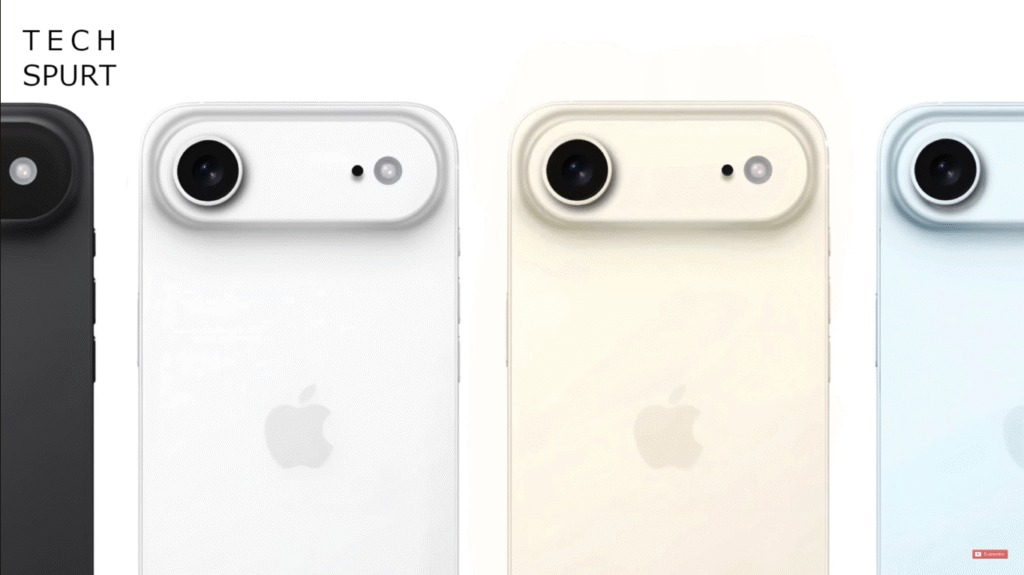
🎨 Best Design: iPhone Air
Winner: iPhone Air
The most beautiful and controversial product of 2025.
The Reality
Compromises:
- Worse battery than Pro models
- Single camera only
- Not as successful commercially as Apple hoped
Why It Won Anyway:
It feels impossibly light. It looks impossibly thin. Resembles jewelry. Appeals to minimalists.
Apple rearranged all internals into the top section around the camera bump—hilarious but surprisingly effective. Nobody asked for this, nobody needs this, but using it makes normal phones feel like tanks.
The Verdict
This phone feels so good in the hand that you want to be the type of person who could live with the sacrifices. An awesome-feeling piece of machinery that prioritizes form in the best way.
Runner-ups:
- Xiaomi 17 Pro Max (functional back display as design element—masterpiece)
- Galaxy S25 Edge (brutalist ultra-thin take with flagship camera)
- Fairphone 6 (most repairable, sustainable, modular phone ever made)
📂 Best Foldable: Samsung Galaxy Z Fold 7
Winner: Samsung Galaxy Z Fold 7
If all slab phones disappeared and you had to daily drive something that folds, this would be it.

Why It Won
Not the thinnest. Not the best specs. Not the best cameras. But it’s the most rock-solid across the board and usable as a daily driver in every way.
The Package:
- Great software
- Very good battery life
- Plenty of software features for 8-inch display
- Dramatically better to use closed than any previous Z Fold
- Ultra-thin new form factor
The Hope
Waiting for silicon-carbon battery version to make this even better.
Runner-ups:
- Pixel 10 Pro Fold (basically all the goodness of Pixel 10 Pro that unfolds to tablet)
- Galaxy Z Flip 7 (usable closed with 4.1-inch cover screen, full-size when open)
📈 Most Improved: iPhone 17
Winner: iPhone 17
Apple finally did what they should have done years ago: made the base iPhone a complete phone.
The Leap
Over iPhone 16:
- New chip (expected)
- High-refresh-rate display (finally!)
- Doubled base storage (256GB standard)
- Massively upgraded selfie camera (entire lineup)
The Transformation
The entry-level iPhone went from placeholder device to “all the iPhone anyone really needs.” Easiest to recommend in the whole lineup.
Runner-up: OnePlus 15 (more power, way more battery, way better design than OnePlus 13—all less than 12 months apart)
💔 Bust of the Year: iPhone 16E
Winner (or Loser): iPhone 16E
The award nobody wants to win, but this phone earned it by missing the mark completely.
The Mission
Create an entry-level iPhone for basic buyers to get in the door.
What Apple Did
Took things out:
- Binned A18 chip
- Smaller 60Hz display with notch
- Single camera (no telephoto, no ultrawide)
- Only black color option
- No Wi-Fi 6E/7
- No ultrawideband, millimeter wave, camera control, or MagSafe
The Price: $599 starting ($900 for higher storage)
The Problem
This isn’t a cheap iPhone. It’s the cheapest new iPhone, but at $599-900, it’s terrible value. Every reviewer recommended buying the iPhone 16 or iPhone 15 Pro instead.
Runner-up: Nothing Phone 3 (big gap between what passionate fans expected and what was delivered—wonky design and nuked popular features)
The Final Takeaway
Smartphones in 2025 proved they’re still the center of our computing lives. From silicon-carbon batteries enabling three-day battery life, to foldables becoming genuinely usable, to Apple finally making a complete base iPhone—this year had real progress.
The iPhone 17 winning MVP makes sense: it represents the year where even the “boring” choice became interesting by simply doing everything well without compromise.
Most Used Phones of the Year:
- Galaxy S25 Ultra (early 2025)
- Pixel 10 Pro (mid-2025)
- OnePlus 15 (late 2025)
What do you think? Which awards do you agree with? Which ones would you change? The smartphone awards are always subjective, but that’s what makes them interesting.
Looking for More Phone Reviews? Visit MyPitShop for comprehensive smartphone testing, camera comparisons, battery life analysis, and honest buying advice on the latest devices.