“Electric cars are terrible in the winter. That’s why I could never own one.”
I hear this constantly. YouTube comments. Reddit threads. Coworkers. Family members. Everyone has an opinion about electric cars in winter—and most of them have never actually driven one when it’s freezing outside.
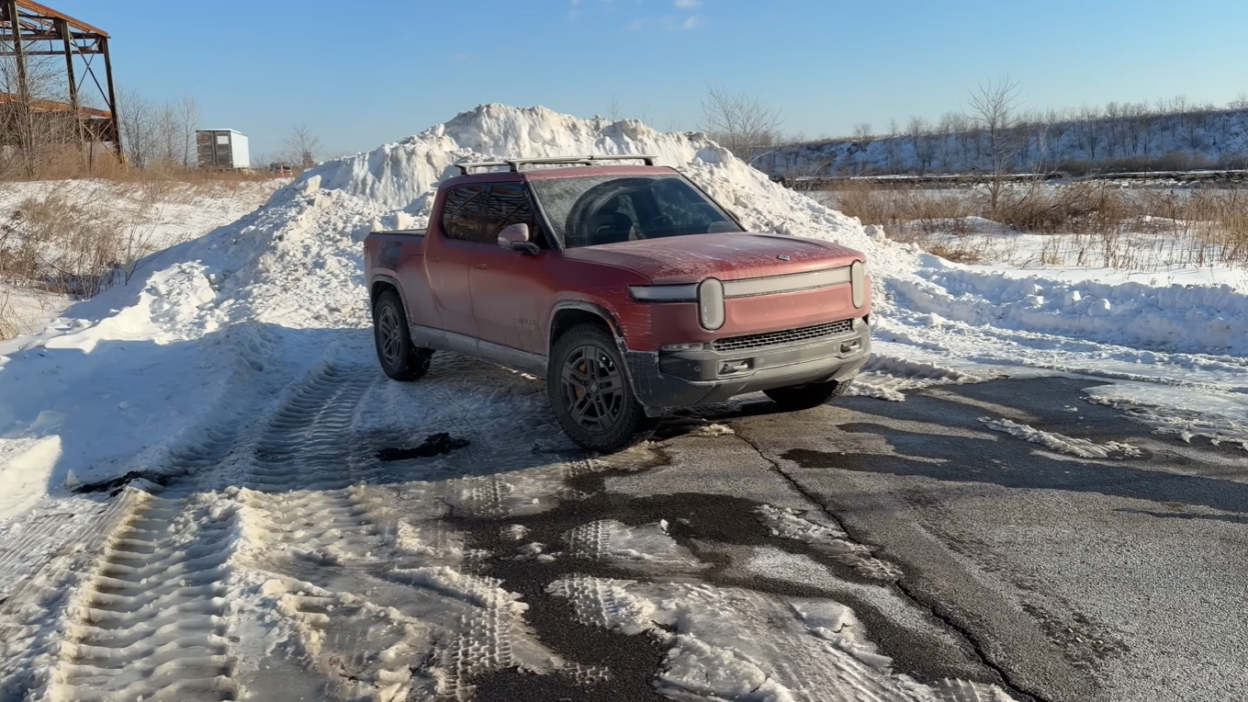
Here’s my hot take after 4 winters with a Rivian R1T in New Jersey: I actually prefer driving my EV in winter over my gas cars.
Yes, you read that right. And before you call me crazy, let me explain exactly what it’s like living with an electric vehicle when temperatures drop to the single digits (Fahrenheit), snow piles up, and your range indicator looks like it’s having a panic attack.
Real-World Test Conditions:
- Location: New Jersey (winters down to 7°F / -14°C)
- Vehicle: 2022 Rivian R1T (Gen 1, 20,000+ miles)
- Test Period: 4 winters (2022-2026)
- Daily Driving: Commuting, errands, road trips, off-roading in snow
I’m not here to sugarcoat anything. Electric cars DO suck in winter in some ways. But they’re also surprisingly brilliant in others. Let me walk you through the good, the bad, and the ugly.
The Bad News First: Range Loss Is Real (And Frustrating)
Your Range WILL Drop—No Getting Around It
Let’s rip the band-aid off: Electric cars lose 20-40% of their range in cold weather. This isn’t a conspiracy theory or anti-EV propaganda—it’s basic science.
My Rivian R1T:
- Summer range (full charge): 285 miles (with off-road tires)
- Mild winter (30-40°F): ~240 miles
- Extreme cold (7°F): ~200 miles or less
Why This Happens:
According to research from Recurrent Auto’s 2026 study of 30,000 EVs, at 32°F, electric vehicles retain an average of 78% of their maximum range. At 20°F, that drops to 70%.
Two Main Culprits:
1. Battery Chemistry Slows Down
At 20°F, a lithium-ion battery can only deliver about 60% of the power it could provide at 70°F. The electrolyte solution inside the cells becomes more viscous in the cold, slowing down crucial chemical reactions.
Think of it like honey: At room temperature, honey pours easily. Put it in the fridge, and it barely moves. Your EV battery is similar—the chemical reactions that create electricity move more slowly when it’s cold.
2. Cabin Heating Eats Energy
Unlike gas cars that use waste heat from the engine to warm the cabin, EVs must use a dedicated electric heater that draws a significant amount of power directly from the main battery.
Real-World Impact:
Data from winter tests shows that cabin and battery heating can account for 35-55% of total energy use on short trips at -10°C.
Translation: On a 10-mile winter commute with the heat cranked up, more than half your battery power might go toward keeping you warm instead of moving the car.
Charging Gets Painfully Slower
Here’s the second gut-punch: Charging in cold weather is significantly slower.
My Experience:
I recently tested the Hyundai Ioniq 5 XRT in winter, and charging speeds were noticeably reduced. What should have been a 10-80% charge in 18 minutes took closer to 28-30 minutes.
Why Charging Slows:
The battery needs to be at an optimal temperature (around 70-80°F) to accept a fast charge. If it’s ice-cold, it has to spend energy warming itself up first before it can charge efficiently.
What This Means for Road Trips:
- Summer road trip: 18-minute charging stop
- Winter road trip: 30-minute charging stop
- Multiple stops: The delays compound
Even with winter range reduction, EVs remain significantly more economical than petrol vehicles in 2025/26, with top winter performers like the Mercedes EQE (21% range loss) and Tesla Model 3 Long Range (24.8% range loss) costing under 9p per mile to operate.
But for long winter road trips, gas cars still have a massive advantage. The combination of reduced range + slower charging + multiple stops turns a 6-hour trip into an 8-hour slog.
The Good News: It’s Not a Deal-Breaker (For Most People)
Home Charging Changes Everything
Here’s the thing that anti-EV folks conveniently forget: If you can charge at home, winter range loss barely matters.
Why?
Every single morning, I wake up to a full battery (80-100%). Whether I have 285 miles of range or 200 miles, as long as it’s more than my daily commute, I’m fine.
My Daily Routine:
- Drive to work: 30 miles
- Run errands: 10 miles
- Drive home: 30 miles
- Total: 70 miles
Even on the coldest days with massive range loss, I still have 130+ miles of buffer. Then I plug in overnight, and I’m back to 100% the next morning.
The Math:
Maximise your winter EV range by preheating while plugged in (saves 5-10% range), using seat heaters instead of cabin heat, driving in ECO mode, and maintaining battery charge between 20-80%.
Street Parking Is Different:
If you don’t have home charging, winter range loss becomes a much bigger problem. Public fast-charging in freezing weather (standing outside for 30 minutes) is miserable. This is where EVs genuinely struggle.
Never Going to a Gas Station in Winter Is GLORIOUS
Let me paint you a picture:
Gas Car Winter Morning:
- Scrape ice off the windshield
- Start the car, let it warm up
- Drive to gas station
- Stand outside in 15°F weather, pumping gas
- Hands freeze
- Go inside to pay (ifthe card reader is broken)
- Get back in the still-cold car
EV Winter Morning:
- Hit “preheat” button on phone app (from bed)
- Walk to the garage in 10 minutes later
- Get into a warm, defrosted car
- Drive away immediately
Full disclosure: I live in New Jersey, where we have full-service gas stations, so I don’t pump my own gas anyway. But for the other 48 states, never standing outside freezing while pumping gas is a legitimate quality-of-life upgrade.
The Surprising Advantages Nobody Talks About
1. Instant Heat (No Waiting for Engine Warm-Up)
Gas cars: 3-5 minutes before warm air blows
Electric cars: 15-30 seconds, max
I’ve timed this. In my Rivian, I can turn the heat to maximum, and within 20 seconds, it’s blowing genuinely hot air. The heated steering wheel and seats activate instantly.
In my gas truck, I’d sit there shivering for 3-4 minutes waiting for the engine to warm up enough to generate heat.
Why This Matters:
On a 7°F morning, those extra 3-4 minutes of cold hands and chattering teeth feel like an eternity.
2. Preheating From Anywhere (Without Carbon Monoxide Risk)
Key Advantage: You can preheat an EV in an enclosed garage without worrying about deadly carbon monoxide buildup.
Gas cars: You can remote-start them, but if they’re in a garage, you’re filling an enclosed space with exhaust fumes—dangerous and stupid.
Electric cars: Preheat anywhere, anytime, no toxic fumes.
My Routine:
Every winter morning, I hit “preheat” on the Rivian app while I’m still in bed. By the time I walk to the garage 10 minutes later:
- Cabin is 72°F
- The windshield is defrosted
- The seats and steering wheel are warm
- The battery is preconditioned for optimal performance
Bonus: Preheating while plugged in means you’re using grid power, not battery power, so you don’t lose range.
3. Traction Control That’s Borderline Magic
This is where EVs genuinely embarrass gas cars.
Why EVs Dominate in Snow:
Electric motors can adjust power delivery hundreds to thousands of times per second. Gas engines? Maybe a few times per second.
Real-World Result:
I’ve driven my Rivian R1T in:
- Blizzards
- Whiteout conditions
- 6+ inches of snow
- Icy roads with black ice
The traction control is so precise that I’ve pulled out F-150s and semi-trucks stuck in snow. There are viral videos of Rivians doing this.
Snow Mode:
Most EVs (Rivian, Hyundai, Tesla, etc.) have a dedicated Snow Mode that:
- Reduces throttle sensitivity
- Modulates torque precisely
- Prevents wheel spin better than any gas vehicle I’ve driven
Tesla invested early and often in winter technology. All of their models consistently perform among the best in winter range retention and traction control.
4. No “Warm-Up Idle Time” Required
Gas cars (especially performance cars): You’re supposed to let the engine idle for 30-60 seconds to let oil circulate before driving hard.
Electric cars: Get in and drive. Immediately. No waiting.
On freezing mornings when I’m running late, I can jump in my Rivian and drive away instantly without worrying about engine damage.
Heat Pumps: The Game-Changing Tech
Gen 1 vs Gen 2 Rivian R1Ts
My Gen 1 Rivian doesn’t have a heat pump. The Gen 2 (2024+) models do.
What’s a Heat Pump?
Instead of generating heat from scratch (resistive heating), a heat pump moves existing heat from outside air into the cabin—similar to how your home heat pump works.
Efficiency Difference:
Recurrent’s real-world analysis showed vehicles with heat pumps retained about 83% of range in freezing conditions, while vehicles without heat pumps retained around 75% on average.
Translation: Heat pumps give you 8-10% more winter range for free.
Which EVs Have Heat Pumps?
Most 2024+ EVs include them:
- ✅ Tesla Model 3/Y (2021+)
- ✅ Hyundai Ioniq 5/6
- ✅ Kia EV6/EV9
- ✅ Rivian R1T/R1S (Gen 2)
- ✅ Ford F-150 Lightning
- ❌ Chevy Bolt (no heat pump)
My Take:
If you live in a cold climate, only buy an EV with a heat pump. The range difference is meaningful.
Road Trips: The Achilles’ Heel
Let’s be brutally honest: Winter road trips in an EV are objectively worse than gas cars.
Why?
- Reduced range (20-40% less)
- Slower charging (30+ minutes vs 18 minutes)
- Multiple stops (the pain compounds)
Example:
Summer road trip (500 miles):
- Range: 285 miles
- Stops: 1 charging stop (18 minutes)
- Total time: 7.5 hours
Winter road trip (500 miles):
- Range: 200 miles
- Stops: 2-3 charging stops (30 minutes each)
- Total time: 9+ hours
Is It a Deal-Breaker?
For daily driving and commuting, winter range loss is a non-issue (if you have home charging).
For frequent long road trips, it’s genuinely frustrating. This is why many EV owners keep a gas car as a second vehicle.
Which EVs Handle Winter Best? (2026 Data)
Not all EVs are created equal. Some handle winter significantly better than others.
Top Winter Performers:
The Tesla Model Y Long Range demonstrates exceptional winter performance with just 11.8% range loss, making it one of the best options for UK drivers who need reliable year-round performance.
Full Rankings (Best to Worst):
| EV Model | Winter Range Loss | Heat Pump? |
|---|---|---|
| Tesla Model Y LR | 11.8% | ✅ Yes |
| Mercedes EQE | 21% | ✅ Yes |
| Tesla Model 3 LR | 24.8% | ✅ Yes |
| Hyundai Ioniq 5 | 3% | ✅ Yes |
| Rivian R1T (Gen 2) | ~22% | ✅ Yes |
| Ford Mustang Mach-E | 37% | ✅ Yes |
| Chevy Bolt | 32% | ❌ No |
| Tesla Model 3 (older) | 50% | ❌ No |
Worst Performers:
The Lucid Air came out on top, driving the longest distance, but it was at the bottom of the list when it came to the deviation from the official range figure, with a 46% loss in extreme cold Norwegian tests.
Practical Winter EV Tips (That Actually Work)
1. Preheat While Plugged In
Impact: Saves 5-10% range
Schedule preheating 10-15 minutes before you leave. The car uses grid power instead of battery power.
2. Use Seat Heaters Instead of Cabin Heat
Impact: 15-20% range improvement
Heating your body directly (seat + steering wheel) uses far less energy than heating the entire cabin.
3. Park in a Garage (If Possible)
Impact: 5-10% range improvement
A garage keeps your battery warmer overnight, reducing the energy needed to heat it in the morning.
4. Charge to 100% for Long Trips
Normally, you charge to 80% to preserve battery health. But for winter road trips, charging to 100% is fine (occasionally).
Most EVs have a hidden buffer, so “100%” isn’t actually using the entire battery.
5. Plan Extra Charging Time
In winter, assume 30-minute charging stops instead of 18 minutes. Don’t cut it close.
Should You Buy an EV If You Live in a Cold Climate?
✅ Buy an EV If:
- You have home charging (garage or driveway)
- Your daily commute is under 100 miles
- You mostly do local driving (not frequent road trips)
- You want superior snow traction and instant heat
- You never want to pump gas in freezing weather again
❌ Skip an EV If:
- You only have street parking (no home charging)
- You frequently drive 300+ mile trips in winter
- You need a single car that does everything perfectly
- You live in extreme cold (Alaska, northern Canada)
The Bottom Line: My Honest Take After 4 Winters
Electric cars DO suck in winter—but only for road trips.
For 99% of my daily driving, I genuinely prefer my EV in winter over gas cars. The instant heat, preheating from bed, never going to gas stations, and insane traction control outweigh the range loss.
But for long winter road trips, gas cars are still objectively better. Reduced range + slow charging + multiple stops = frustration.
My Solution:
I keep my Rivian for daily driving and local trips. For 500+ mile winter road trips, I’d rent a gas car or use a second vehicle.
Is It Worth It?
If you have home charging and don’t road-trip constantly, absolutely. Winter range loss is annoying, but it’s not a deal-breaker.
At 32°F, EVs retain 78% of their range on average. At 20°F, that drops to 70%. Individual models vary from 11% loss (Tesla Model Y) to 50% loss (older EVs without heat pumps).
Two reasons: (1) Cold slows down battery chemistry, reducing efficiency, and (2) cabin heating uses significant battery power since EVs don’t have engine waste heat like gas cars.
Final Thoughts: I’ve driven through 4 brutal New Jersey winters in my Rivian R1T, and I’m not going back to gas. Yes, range drops. Yes, charging is slower. But the combination of instant heat, never pumping gas in the cold, and magic traction control makes winter EV ownership genuinely enjoyable—as long as you have home charging.
Rating: 4.3/5 ⭐⭐⭐⭐ (for daily winter driving with home charging)
Are you driving an EV in winter? Share your experience in the comments! What’s been your biggest surprise—good or bad?