TL;DR — Quick Verdict
The Sony Xperia 1 VIII is, without exaggeration, one of the most powerful camera phones I have tested — sensors larger than the iPhone and Galaxy flagships, genuinely natural colors, and DSLR-level detail in the right hands. But Sony has built a phone that punishes anyone who doesn’t already understand manual photography settings. Add in serious thermal throttling, a flagship price of $1,499 (roughly ₹1.5–1.8 lakh with import duties), no charger in the box, and zero India availability — and you get a phone that’s brilliant on paper and frustrating in practice. This is a camera for enthusiasts only. Everyone else should stay away.
Why This Phone Even Matters
Sony’s Xperia 1 series has always had a cult following among camera enthusiasts. Mark 2, Mark 3, Mark 4 — each one built a reputation as the closest thing to a real camera you could carry in your pocket. So when the Xperia 1 VIII finally landed, expectations were sky-high.
And the pricing reflects that ambition: launched at $1,499, which converts to roughly ₹1.5 lakh before any import costs. Factor in customs duties around 30–40% if you’re importing it into India, and you’re looking at approximately ₹1.8 lakh — making this the most expensive Android phone currently on the market.
I put this phone through serious real-world testing — over 1,000 photos shot across varying conditions, directly compared against Pixel, iPhone, and Samsung flagships. Here’s everything that matters.
What’s in the Box (Spoiler: Almost Nothing)
Let’s start with the unboxing, because it sets the tone immediately. The box is extremely light — you won’t find a charger, and shockingly, not even a single cable included. At this price point, that’s a tough pill to swallow.
Design: A Major Departure From Sony’s Iconic Look
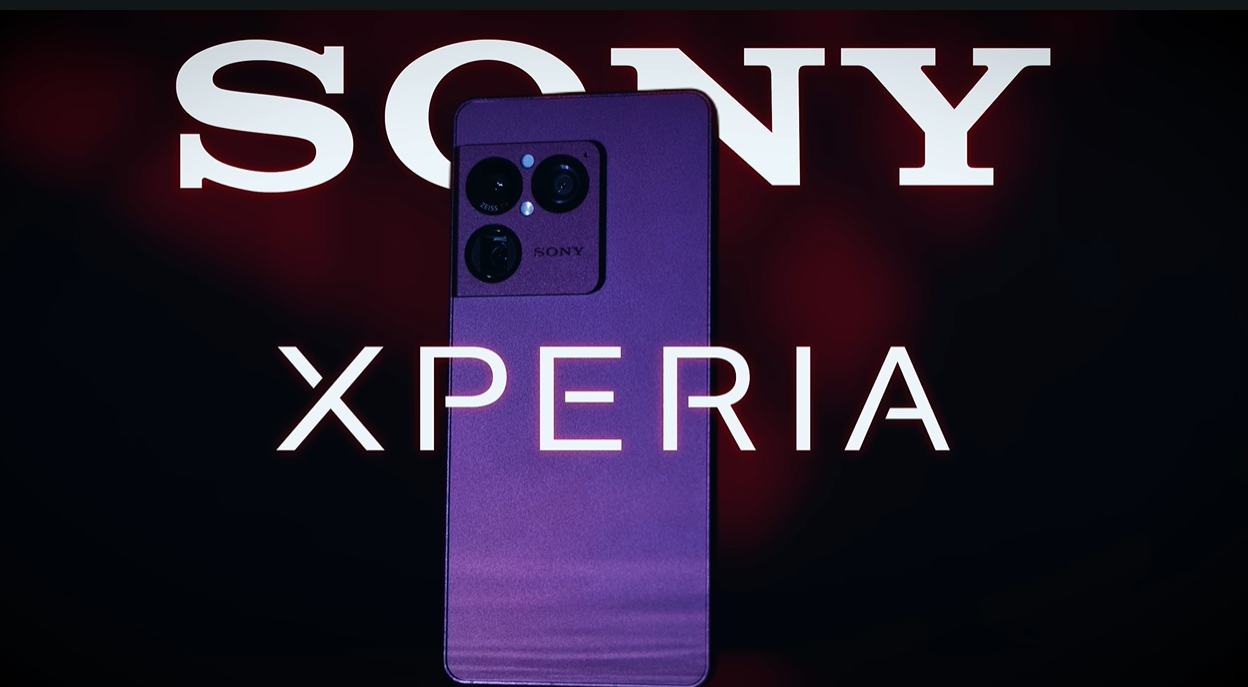
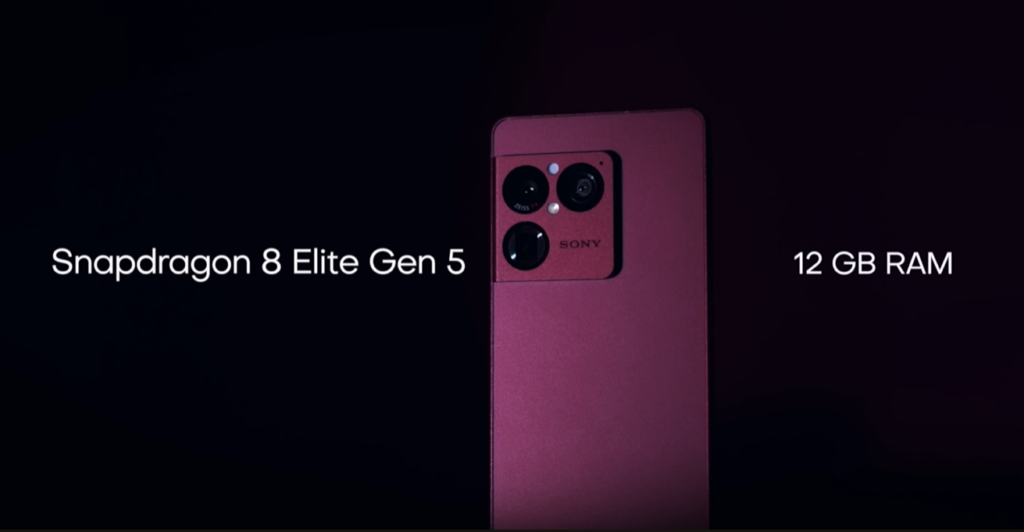
For years, Sony’s signature design was the vertical “eye-shaped” three-camera module running down the back. That’s gone. The Xperia 1 VIII replaces it with a completely different cylindrical camera housing.
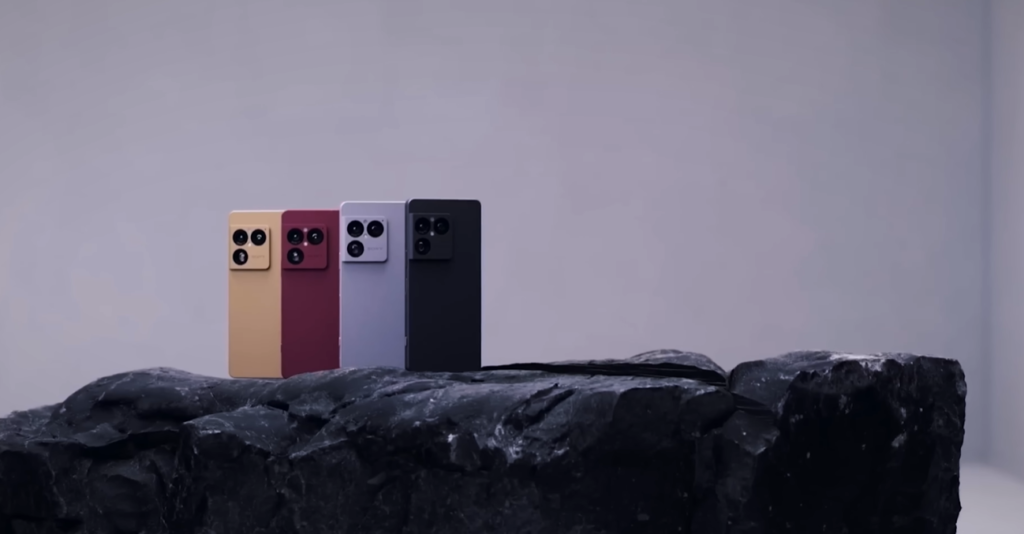
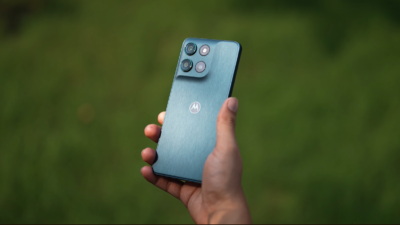
Honestly, if you do a quick Google search, you’ll find plenty of phones with a similar look already — Motorola’s Pantone-colored lineup comes to mind. The phone itself is slightly wider now, and Sony claims the new back texture gives it a “natural, mineral-like” feel in hand.
In terms of ergonomics, this is actually an improvement. Older Xperia phones were notoriously tall and narrow, making one-handed use awkward. This one feels noticeably more comfortable to hold.
The fingerprint sensor, though, is a problem. It’s side-mounted and sits flush with the frame — unlike other buttons on the phone, which are slightly raised. The result is that it registers accidental finger touches constantly, even when you’re not trying to unlock the phone. It’s a small thing, but it became genuinely annoying during day-to-day use.
On the plus side, Sony retains the things only Sony still bothers to include: a proper 3.5mm headphone jack, a SIM tray that opens without needing a pin tool, and microSD card support — a rare sight on any flagship in 2026, let alone one at this price.
Specifications at a Glance
- Chipset: Snapdragon 8 Elite Gen 5
- RAM: 12GB
- Display: 10-bit, 120Hz, 4K resolution removed in this generation (more on this below)
- Battery: 5000mAh, 30W max charging
- Build: Gorilla Glass Victus 2 (front), Victus (back)
- Software: Stock Android, 4 years of major OS updates + 2 additional years of security patches (6 years total)
- Audio: 3.5mm jack, Sony DSEE upscaling technology, stereo speakers
Camera: This Is Where Sony Either Wins or Loses You
Camera performance is the entire reason this phone exists, so let’s go deep.
The Sensors Are Genuinely Different
Sony doesn’t use generic Sony IMX sensors or off-the-shelf Lytia modules here — Xperia phones use Sony’s own custom sensor lineup. The triple camera setup this generation brings major sensor upgrades across the board.
Compared to the iPhone and Galaxy flagships, the main camera sensor is actually slightly smaller. But the other two sensors — telephoto and ultrawide — are noticeably larger than what you’ll find on competing flagships.


Color Science: Refreshingly Natural
If there’s one thing Sony nails completely, it’s color accuracy. Shots from the main camera reproduce colors almost exactly as your eyes perceive them in real life — no oversaturation, no artificial processing, no “Instagram-ready” punch-up that other brands apply by default.
The catch: Sony has built this camera system for people who already understand photography. If you know how to manually balance ISO, white balance, and focal length, you can pull stunning, DSLR-quality shots out of this phone — especially in close-up detail shots. If you don’t know any of that, you’re mostly just pointing and shooting like any other phone.
HDR and Daylight Performance
In direct comparisons, the iPhone and Galaxy occasionally produced better HDR results in slightly shaded conditions on a hot day. When zoomed in, Sony fell slightly behind here. However, low-light main camera performance impressed — Sony’s claims about low-light capability hold up, with minimal grain and noise even in dim conditions.
The Zeiss T* Coating Advantage
One genuinely cool feature: the Zeiss T* coating significantly reduces lens flare in bright light conditions — a common issue on most flagships. We barely noticed any unwanted flare artifacts during testing, even when shooting directly toward harsh sunlight.
One minor inconsistency: skin tones occasionally appeared slightly more yellow-toned on Sony compared to the more flattering renders from iPhone and Galaxy.
Telephoto: Fixed Focal Length, But Powerful
This is a significant change from previous Xperia generations. Older Xperia phones featured a variable optical zoom lens — genuinely unique in the industry, giving you multiple true optical focal lengths rather than just two fixed options.
The Xperia 1 VIII drops this in favor of a fixed 70mm telephoto lens. It’s a step back in terms of flexibility, but the sensor size compensates significantly — shots taken at this focal length are excellent. You get 2.9x optical zoom, extending to 5.8x with digital zoom, and a maximum of 17.5x in extreme digital zoom.
Notably, Sony hasn’t joined the “100x zoom” marketing race that most brands chase. What it offers is more limited in range, but the quality within that range is excellent — including surprisingly strong close-up/macro-style shots despite having no dedicated macro mode.
Portrait Mode: A Mixed Bag
Using the main camera for portraits, we noticed occasional software processing issues around edge detection — a problem most flagships have to some degree, but more noticeable here given the price and flagship positioning.
Switch to the telephoto lens for portraits, though, and the results are excellent — beautiful bokeh, confident edge detection, and genuinely impressive separation between subject and background.
The ultrawide lens (0.7x, wider than the typical 0.5x–0.6x found on most flagships) also benefits from a larger sensor size, delivering solid detail despite the more conservative wide-angle field of view.
Video Recording
All three rear sensors support 4K at 120fps — genuinely impressive and rare across all three lenses simultaneously. The front camera caps out at 4K 60fps.
HDR for video has no manual toggle — it’s baked into the system and always active. For the most part, it works well, though it occasionally struggles in tricky mixed-lighting conditions. Audio recording is handled entirely through the in-built microphones (no dedicated wind-noise reduction accessory bundled).
Performance: Powerful Hardware, Questionable Optimization
This is where the cracks really start to show.
The Snapdragon 8 Elite Gen 5 is genuinely the latest and most powerful chipset available right now. On paper, raw processing power is not the issue. The issue is that Sony has not optimized this hardware properly.
During testing, switching between camera lenses (ultrawide → 1x → 2.9x → 5.8x) showed noticeably slower transition speeds compared to competitors like the OnePlus 15, which handles the same lens-switching almost instantaneously.
Thermal management is a real problem. The phone runs hot — and not just “warm to the touch” hot. During regular use, especially camera-intensive tasks, it heats up enough to be noticeable and occasionally uncomfortable. Benchmark scores reflect this: throttling is aggressive, and 3DMark scores come in lower than what the Snapdragon 8 Elite Gen 5 is capable of on better-cooled devices.
Photo processing also lags — a standard portrait shot can take three to five seconds to fully process, which feels slow compared to the instant capture most flagships now offer.
To be fair, this phone is only about a month old at the time of testing, so future software updates may improve some of these issues. But out of the box, the optimization gap is clear.
Software Experience
The phone runs completely stock Android — no bloatware, no duplicate pre-installed apps. Sony promises 4 years of major OS updates plus 2 additional years of security patches, totaling 6 years of support — genuinely excellent for long-term ownership.
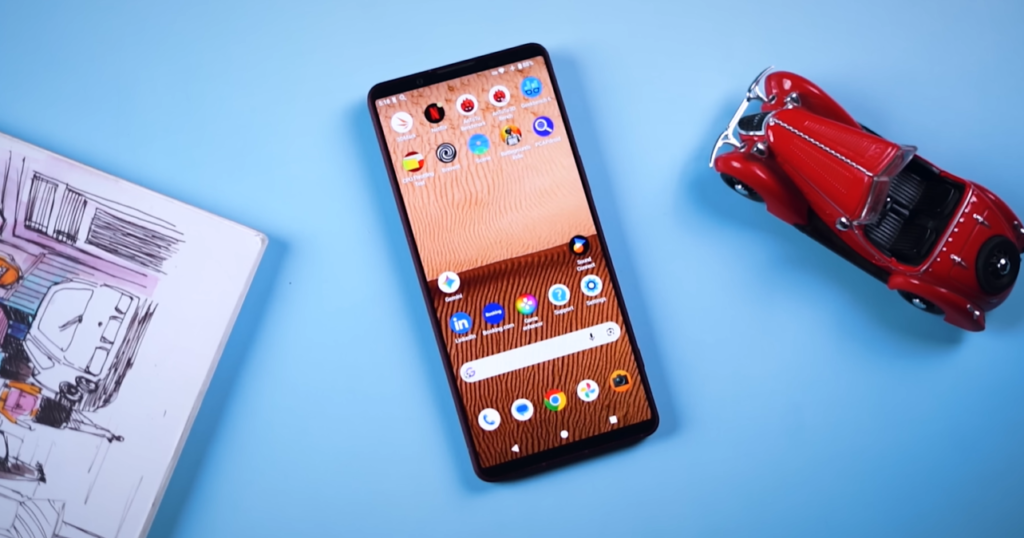
That said, the software experience itself feels minimal rather than premium — lighter than even Pixel’s relatively clean interface. If you’re looking for a feature-rich, customization-heavy software experience, this isn’t it.
Display: Where a Flagship Price Doesn’t Quite Deliver a Flagship Feel
This is probably the most disappointing part of an otherwise impressive spec sheet.
The display is 10-bit, 120Hz, and reasonably bright — outdoor visibility was never an issue throughout testing, even in direct sunlight using auto-brightness. Gorilla Glass Victus 2 protects the front, with Victus on the back.
But here’s the problem: previous Xperia phones had a genuinely standout display feature — 4K resolution, something virtually no other flagship offered. Yes, it consumed more battery, but it was a meaningful differentiator. Sony has removed it entirely in this generation.
On top of that, bezels remain noticeably present on both top and bottom — something flagship competitors like Samsung and iPhone have minimized significantly. The overall effect is a display that feels novel for the first few days of use, but increasingly ordinary once the initial impression fades. At this price, that’s hard to justify.
Audio: Sony’s Genuine Strength
If there’s one area where Sony’s heritage clearly shows up, it’s audio.
The 3.5mm headphone jack remains — a rarity in 2026 flagships. Speaker quality is excellent, and Sony includes its proprietary DSEE technology (the same upscaling tech found in Sony’s own headphones and earbuds) along with Dolby support and several built-in audio enhancement effects.
This is genuinely one of the reasons audio professionals tend to gravitate toward Sony devices — the sound experience here is noticeably better-tuned than most competitors.
Battery Life: Adequate, Not Impressive
The 5000mAh battery isn’t class-leading by 2026 standards, where 7000mAh cells have become increasingly common even in mid-range phones. In testing, it comfortably lasted one full day of mixed use — but don’t expect more than that. Charging tops out at 30W, which is on the slower side for a flagship at this price.
India Availability
There’s no official India launch for the Xperia 1 VIII, and that’s unlikely to change. The phone is primarily sold in select international markets, with grey-market import sellers being the only route for Indian buyers — at a significant price premium once customs duties are factored in.
Who Should Actually Buy This Phone?
This is the most important section of this review, because the title isn’t clickbait — this genuinely isn’t a phone for most people.
Buy this if you: are a serious photography enthusiast who understands manual camera controls (ISO, white balance, focal length), prioritize natural, unprocessed color science over “Instagram-ready” shots straight out of camera, value a 3.5mm headphone jack and exceptional audio hardware, and don’t mind paying a significant premium for sensor hardware over overall polish.
Skip this if you: want a phone that takes great photos instantly without manual adjustment, care about having the latest flagship display experience, need fast charging or excellent thermal performance under sustained use, or are buying in India and don’t want to deal with grey-market import pricing and lack of official support.
Final Verdict
Using the Sony Xperia 1 VIII left me with a strange feeling: this is clearly a phone built by people who understand cameras at a deep technical level — and yet somehow, Sony hasn’t put in the effort to make the overall experience as good as the hardware deserves.
The camera sensors are genuinely more powerful than what Samsung, Apple, or Google are putting in their flagships. But other brands compensate with software intelligence that lets anyone — expert or not — get a great shot instantly. Sony asks you to do the work yourself.
Combine that with aggressive thermal throttling, a display that’s a step backward from its own predecessor, no charger in the box, and a price tag pushing toward ₹1.8 lakh with import duties — and you get a phone I can only recommend to a very specific kind of buyer: the camera enthusiast who wants manual control and doesn’t mind the rough edges everywhere else.
For everyone else, there are better all-round flagships at this price — and significantly better value ones below it.
No, there is no official India launch. It can only be purchased through grey-market import sellers, with total costs (including customs duty) reaching approximately ₹1.8 lakh.
In terms of raw sensor size and natural color reproduction, yes — particularly the telephoto and ultrawide sensors, which are larger than competing flagships. However, iPhone and Galaxy currently offer better HDR processing and faster, more beginner-friendly automatic shooting
Reviewed by Reo R — Tech & Auto Reviewer with 6+ years of hands-on experience. My PitShop delivers honest reviews with zero brand bias.
Disclosure: This review is based on hands-on testing of an internationally imported unit. The Sony Xperia 1 VIII is not officially available in India.