TL;DR – Quick Takeaway
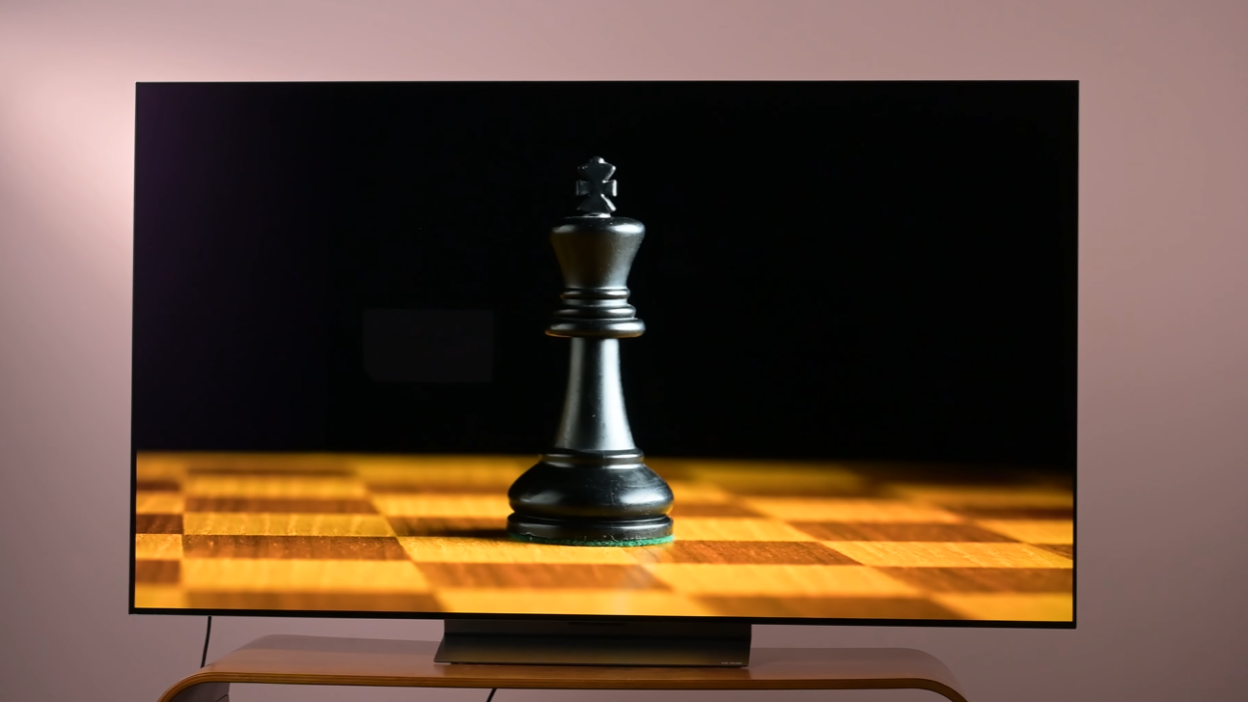
✅ What’s Good: Alpha 11 Gen 3 processor, significantly brighter (1,438 nits HDR peak), 99.7% DCI-P3 color coverage, Delta E 1.2 out of the box, 4K/165Hz gaming, 9.2ms input lag
❌ What’s Not: Average reflection handling, slight dark tone quirks (easily fixed), no HDR10+/DTS, large webOS ad banners
💰 Price: $1,399 (42″), $1,599 (48″), $1,999 (55″), $2,699 (65″)
⭐ Rating: 9/10
🎯 Best For: Buyers wanting the most refined LG OLED picture this year — though the discounted C5 remains the smarter buy right now
Introduction: A Tough Act to Follow
The LG C5 was one of the best-loved TVs of the last couple of years, which puts real pressure on its successor. The LG C6 doesn’t shy away from that challenge — LG has brought out the big guns, fitting it with the Alpha 11 AI Gen 3 processor, the same chip found in the flagship LG G6. The result is a meaningful brightness boost, more refined picture quality, punchier yet more natural colors, improved sound, and an even higher refresh rate for gaming.
There are a couple of minor quirks — some reflectivity issues and slightly raised black tones in pitch-dark rooms — but both are fixable with a few simple setting tweaks we’ll walk through below. Overall, this is about as good as TVs get at this price point.
In This Review:
- Sizes, Pricing and What’s Different About the C6 H
- Processor and Picture Engine Upgrades
- Brightness Measurements and Real-World Impact
- Color Accuracy and Contrast Performance
- Best Picture Settings (Fixing the Quirks)
- Sound Quality and Audio Modes
- Design and Build
- webOS 26 Smart Platform
- Gaming Performance and Input Lag
- Verdict: Should You Buy the C6 or the C5?
Sizes and Pricing: Know Which Panel You’re Getting
The LG C6 lineup spans 42 to 65 inches, but there’s an important distinction to understand before buying.
The 77-inch and 83-inch models are technically a separate product, officially badged the C6 H. These larger sizes use an upgraded Primary RGB Tandem 2.0 OLED panel — the same one found in the LG G6. The rest of the C6 range, including the 65-inch model tested here, uses a standard W-OLED panel. This review covers the smaller W-OLED sizes only; the C6 H deserves (and will get) a separate review.
Pricing Breakdown
| Size | US Price | UK Price |
|---|---|---|
| 42″ | $1,399 | £1,299 |
| 48″ | $1,599 | £1,399 |
| 55″ | $1,999 | £1,799 |
| 65″ | $2,699 | £2,499 |
Good news for UK buyers: this is actually a price drop compared to the C5’s launch price — always welcome. US and Australian pricing has held steady year-on-year.
The Brains of the Operation: Alpha 11 AI Gen 3 Processor
The headline upgrade is the new Alpha 11 AI Gen 3 processor, which brings:
- An upgraded brightness booster feature
- More refined upscaling
- 13-bit color processing (12-bit pure color plus 1-bit brightness processing) to reduce color banding
- 11.1.2 channel audio upmixing via AI Sound Pro mode
Format support: Dolby Vision and Dolby Atmos are both supported. As with previous LG models, there’s no HDR10+ or DTS support, and LG has confirmed no plans for Dolby Vision 2 on this TV.
Speakers: The C6 retains LG’s familiar 2.2 channel speaker array, though sound profile options have been trimmed from eight down to four, with LG favoring AI-powered sound modes over traditional presets like Cinema or Sports.
Brightness: A Genuinely Significant Step Up
This is where the C6 most clearly earns its upgrade status. Testing in Filmmaker Mode:
| Metric | LG C5 | LG C6 | Improvement |
|---|---|---|---|
| Peak HDR (10% window) | 1,180 nits | 1,438 nits | +22% |
| Full-screen HDR | 195 nits | 245 nits | +25% |
In Standard Mode, the gains are a little milder but still positive: peak HDR rose from 1,191 to 1,291 nits, and full-screen HDR from 200 to 232 nits.
What this means in practice: Scenes calling for high peak brightness — snow, clouds, the sun as a central subject — get a genuinely stronger, more impactful look. High-contrast scenes also benefit from a wider gap between dark and light tones, adding real depth to the image.
Upscaling: Strong With Older Content, One Setting to Avoid
The C6 handles lower-resolution and SDR sources well:
- HD streaming benefits from upscaled textures and refined contrast — darker scenes look particularly good
- DVDs won’t pass for native 4K, but textures are cleaned up nicely with an appealing brightness boost
Setting to avoid: We tested Precision Master HDR Pro, designed to upscale SDR to HDR quality. While it added brightness and sharpened textures, it was too aggressive, creating harsh edges around people and objects. Our recommendation: leave this off.
Color and Contrast: Near-Reference Accuracy Out of the Box
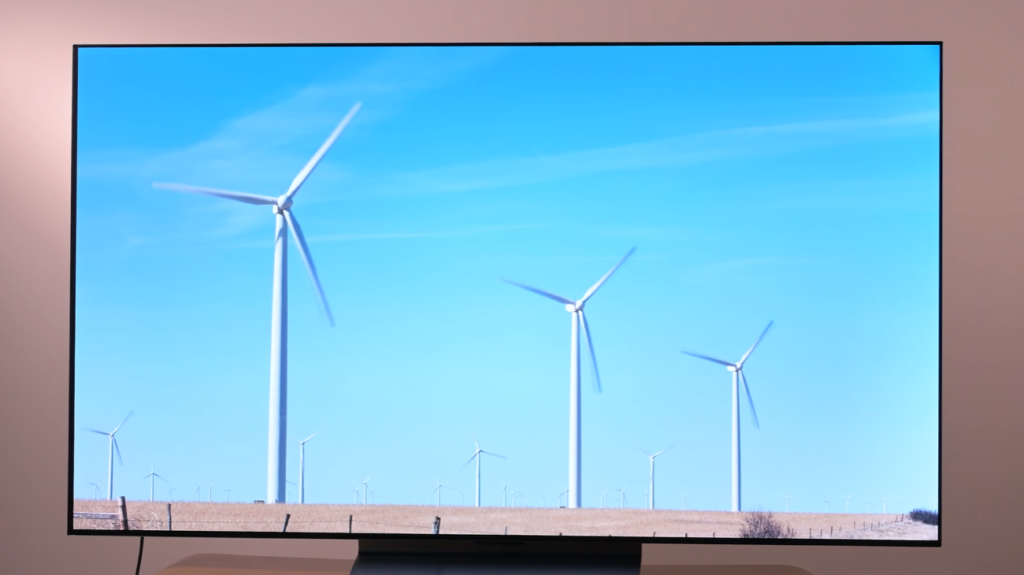
Color reproduction on the C6 is superb, especially with Dolby Vision sources. Animation in particular looks rich and punchy, with the added brightness giving extra shine.
The numbers back it up:
- 99.7% coverage of the DCI-P3 color gamut in Filmmaker Mode — essentially matching flagship OLED TVs
- Delta E score of 1.2 straight out of the box, with zero calibration — for context, anything under 3.0 is considered visually indistinguishable from perfect
Interestingly, colors look slightly less saturated than the C5 in some areas. Rather than a downgrade, this is a deliberate move toward greater image accuracy — real-world hues now look more natural while still appearing lush.
Contrast is excellent throughout, with bright highlights and near-black areas both retaining their own distinct nuance, creating real depth in high-contrast scenes. Shadow detail is generally excellent too, holding onto subtle details without losing accuracy in darker areas.
Fixing the C6’s Black Level Quirk
In a completely dark room, we noticed black tones could look slightly raised in places. The fix doesn’t require professional calibration — just three quick adjustments:
Recommended Settings:
- Near Black Detail: -1
- Adjust Contrast: 100 → 95
- Black Level: 50 → 49
These tweaks noticeably improve black levels and overall contrast without dimming the picture or introducing any negative side effects.
Bonus for black-and-white movie fans: The C6 delivers truer white tones than the C5, which had a slight green tint by comparison. Color temperature accuracy is simply better this time around.
Motion Handling: Two Settings, Two Use Cases
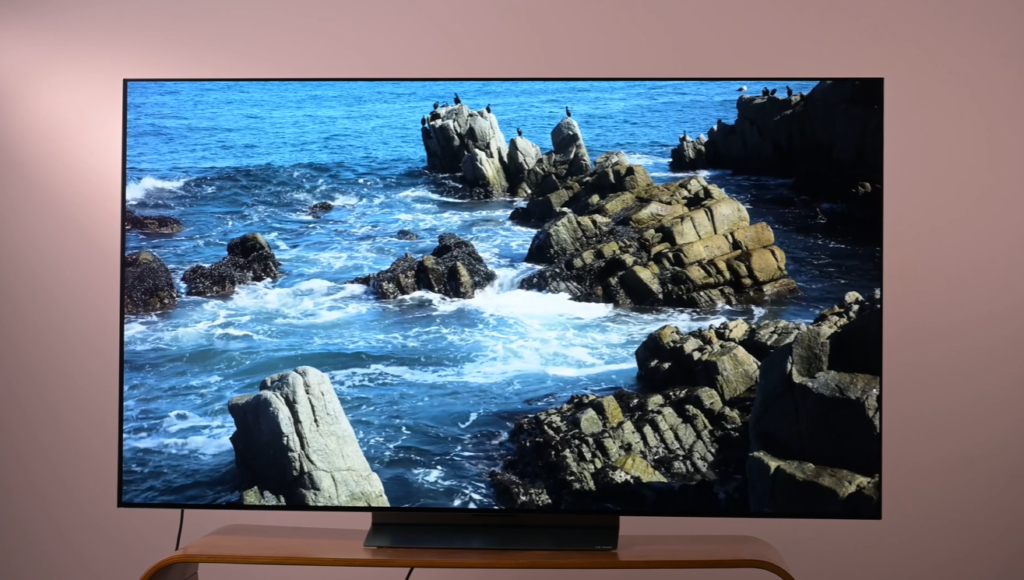
Detail throughout the picture is refined and crisp, with textures that look almost 3D while staying natural. For motion specifically, we recommend different settings depending on content:
- Sports: Standard mode with Natural Motion setting
- Movies (including Filmmaker Mode): Cinematic Movement motion setting
Without motion processing, slow-moving movie shots can show noticeable judder. Cinematic Movement eliminates this completely while staying natural-looking — it’s been our go-to LG motion setting for a couple of years running.
The Reflection Problem
The C6’s most notable weakness is average reflection handling. In brightly lit rooms, dark scenes produce strong, mirror-like reflections.
This is somewhat expected for a standard glossy OLED panel, but it stings a little more knowing that the step-up LG G6’s anti-glare panel handles reflections far better. It’s a shame LG didn’t extend that same treatment down to the C6.
Practical takeaway: If you watch primarily in a bright room, factor this into your buying decision — or invest in better light control around the screen.
Sound Quality: Improved, But Still a Soundbar Candidate
The built-in 2.2 channel speaker array supports Dolby Atmos decoding but, as with the C5, still lacks DTS support. LG has swapped traditional sound modes (Cinema, Sports) for AI-powered alternatives:
AI Sound Pro:
- Great accuracy and detail for Dolby Atmos content
- Strong link between on-screen action and sound
- New focus on mid-range (a welcome change)
- Bass feels more solid, though it won’t match Sony or Panasonic’s dynamic range
Precision Sound Master Pro:
- Wider soundstage, more overall volume
- Felt too bright for our personal taste
Bottom line: Sound quality is genuinely improved this year, but the soundstage remains relatively narrow with limited dynamic range. If you want audio that matches the picture quality, plan on a soundbar or external speakers.
Design: Premium Feel, Lighter Build
The C6 feels broadly premium without the heft of the flagship G6. The silver metallic trim and base give it a value-appropriate look, while the near bezel-less screen design maximizes picture real estate.
The rear panel keeps last year’s attractive marbled finish, and all four HDMI ports are easily accessible on the rear side panel.
webOS 26: Refined, Not Reinvented
The C6 runs webOS 26, still one of the best smart TV platforms available.
What’s good:
- The Quick Menu remains one of the most useful tools on any TV — instant access to commonly used settings without interrupting your viewing
- Quick Cards on the home screen group apps and tools by theme (sports, gaming, etc.)
- Streamlined settings menus, with frequently used options like network and energy saving moved higher up
- Combined with the faster Alpha 11 processor, navigation feels noticeably snappier
- Refined AI Concierge with better recommendations
- New generative AI tools for planning activities or creating images
What’s not so good:
- Large banner ads still occupy over a third of the home screen on first look
- Sponsored ads appear relatively quickly once the screen saver activates
These are really the only blemishes on what remains one of the top smart TV platforms — and unfortunately, ad presence is becoming standard across nearly all TV platforms industry-wide.
Gaming Performance: Best-in-Class, Again
The C6 continues the LG C-series tradition of excellent gaming credentials:
Gaming Specs:
- 4K at 165Hz (up from 144Hz on the C5)
- Full Variable Refresh Rate support: AMD FreeSync and Nvidia G-Sync
- HGiG HDR support
- Dolby Vision Gaming
- Auto Low Latency Mode
- LG’s Game Optimizer dashboard for instant access to gaming settings
Input Lag (Boost Mode activated):
- 9.2ms at 60Hz
- 4.6ms at 120Hz
These figures are about as good as TVs get. In actual gameplay, performance feels incredibly smooth and looks excellent — there’s little else to add. The C6 simply delivers everywhere it needs to for gaming.
LG C6 vs LG C5: Should You Upgrade?
Here’s the honest, slightly inconvenient truth: the LG C6 carries across everything that made the C5 one of last year’s best TVs, while adding higher brightness, more refined contrast and color, and a snappier processor.
However, if you’re buying right at the start of 2026 when this review was published, the C5 is better value for money. You can find a 65-inch C5 for nearly half the price of the C6 at launch. Even though the C6 is a clear step up, that kind of saving is hard to argue against.
Quick Decision Guide
Buy the C6 if:
- You want the best possible picture quality LG currently offers at this tier
- Gaming at 165Hz matters to you
- You’re not under immediate budget pressure
- You want the latest processor and AI features
Buy the C5 instead if:
- Budget is a primary concern
- You can find significant C5 discounts (likely, post-C6 launch)
- The performance difference (while real) isn’t critical to you
Worth considering: Philips OLED 910 (UK)
For UK buyers, the Philips OLED 910 is an especially strong competitor — it features a flagship-level Primary RGB Tandem OLED panel, a best-in-class Bowers & Wilkins built-in speaker array, and costs less than the C6 at launch. Its main drawback: limited HDMI 2.1 ports, making it a weaker choice for serious gamers.
Pros & Cons Summary
✅ What We Loved
- Significant brightness increase over the C5 (+22% peak HDR, +25% full-screen)
- Near-reference color accuracy out of the box (Delta E 1.2, 99.7% DCI-P3)
- Excellent contrast and shadow detail
- 4K/165Hz gaming with industry-leading input lag
- Snappier, more refined webOS 26 experience
- Premium, lightweight design
❌ What Needs Work
- Average reflection handling in bright rooms
- Slightly raised blacks in pitch-dark rooms (fixable via settings)
- No HDR10+ or DTS support
- Persistent webOS ad banners
- Narrow soundstage — soundbar recommended
Final Verdict: 9/10
The LG C6 is great value for the performance and features it delivers. It builds on everything that made the C5 a standout, adding higher brightness, more refined contrast and color, and a meaningfully upgraded processor for snappier day-to-day use.
As far as new 2026 OLED releases go, we don’t expect much else to match this combination of features and image quality at this price — though as the C6’s price naturally drops through the year, it will only become a better proposition. For now, weigh the genuine improvements against the C5’s current discount pricing before deciding which is right for you.
If you already own a C5, the upgrade isn’t essential — the improvements, while real, are evolutionary rather than revolutionary. New buyers deciding between the two should weigh the C6’s brightness and processing gains against the C5’s significantly lower current price.
This review covers the standard LG C6 lineup (42″–65″ W-OLED panel). A separate review of the LG C6 H (77″/83″, Primary RGB Tandem 2.0 panel) is planned.


