Introduction: Tiger-Sized SUV at Bargain Pricing
If someone told you that you could get a Tiger-sized family SUV for under R500,000, you’d rightfully be suspicious. After all, in South Africa’s competitive SUV market, that kind of pricing for a large, well-equipped family vehicle sounds too good to be true.
And yet, here we are.
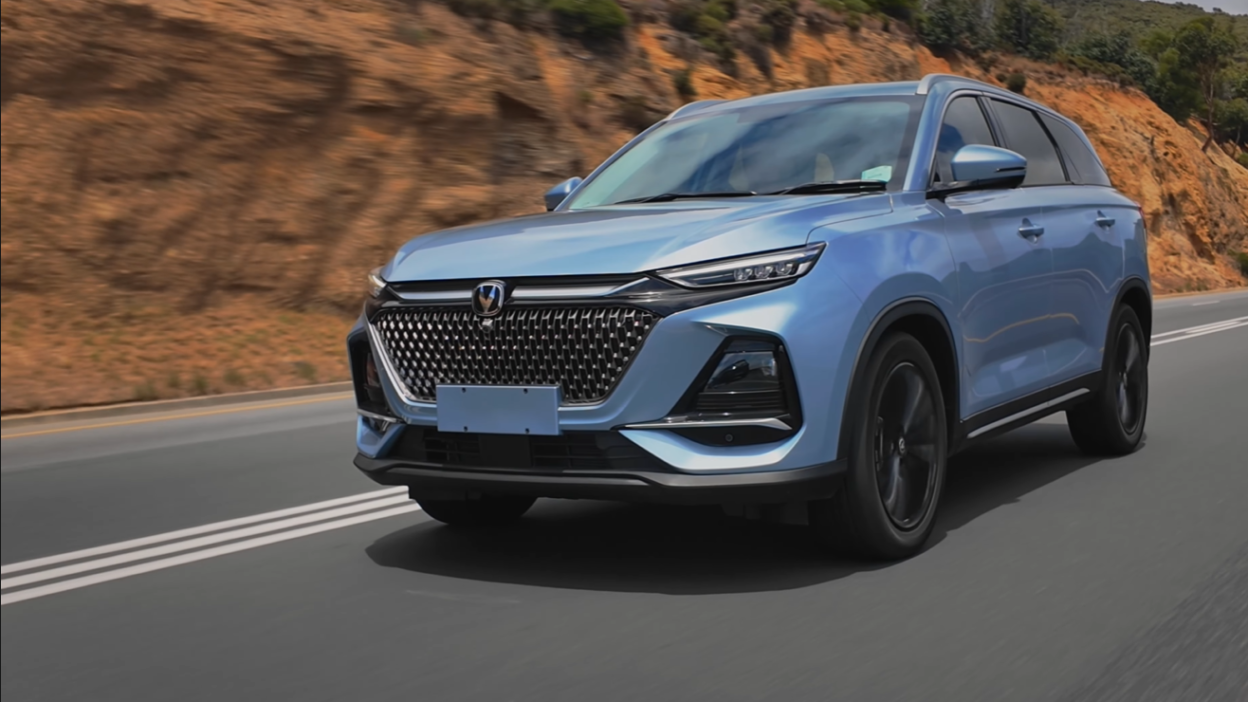
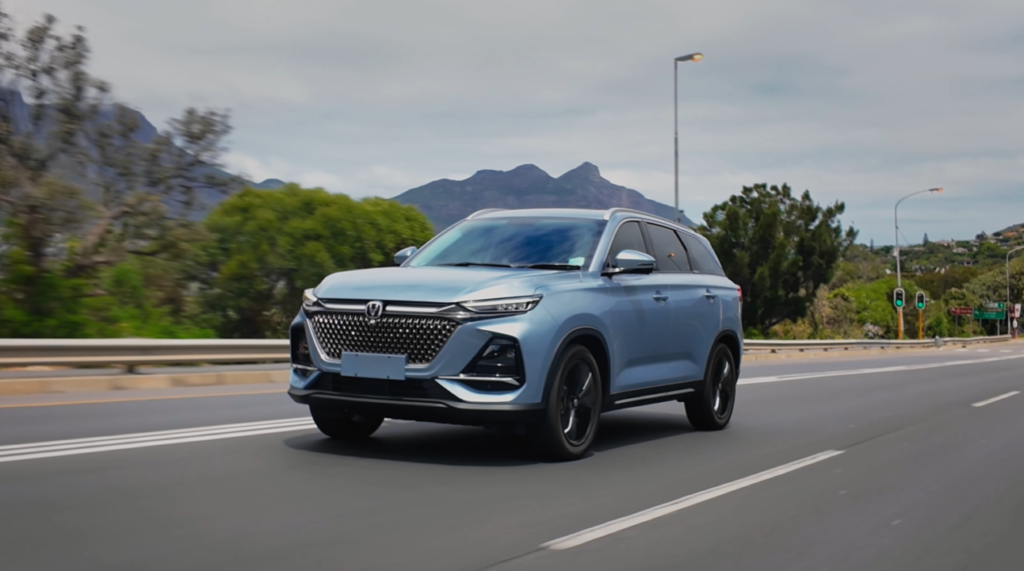
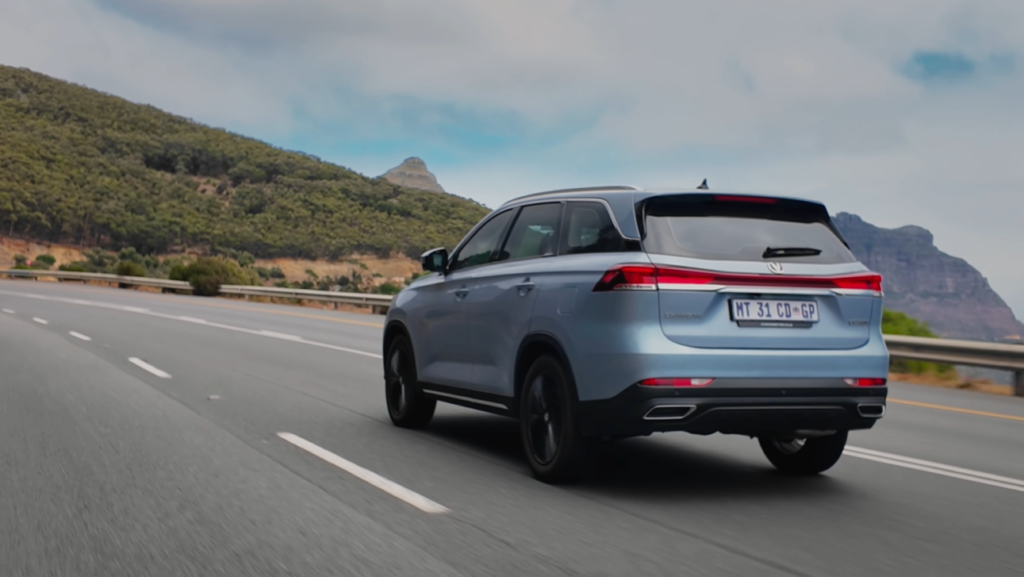
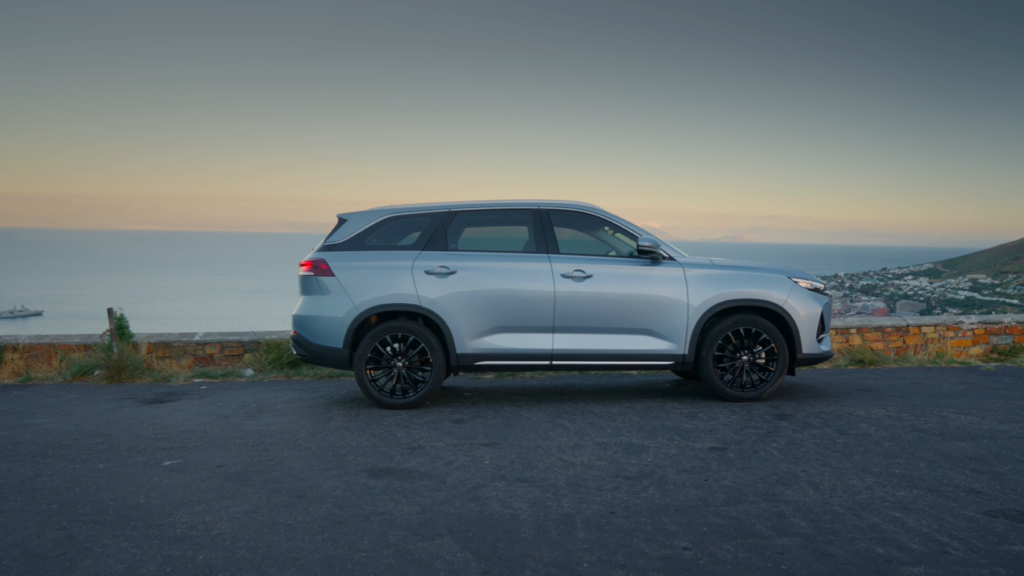
The Changan CS75 Pro has landed in South Africa with aggressive pricing that’s turning heads and making established brands nervous. Starting at just R429,000 and maxing out at R499,000 for a fully-loaded 7-seater flagship model, this Chinese SUV is making a serious value proposition.
But there’s got to be a catch, right? After extensive testing around Cape Town’s roads, including performance testing, fuel consumption analysis, and real-world daily driving, we’re here to answer that question honestly.
The Bottom Line Preview: This is genuinely a lot of car for very little money—but it’s not without compromises.
Changan: A Brief History Lesson
Before dismissing Changan as “just another Chinese brand,” understanding their background is important.
Not a Startup Brand
Unlike newer Chinese entrants like Leap Motor (formed recently), Changan has serious heritage:
Founded: Pre-1900s (yes, over 120 years ago) Original Purpose: Machinery and weapons manufacturing Pivot to Vehicles: 1950s Experience: Decades of automotive manufacturing
South African Launch
Market Entry: 2025 Dealer Network: 25 dealers from launch (expanding) Product Portfolio:
- Small sedans
- Hunter range-extender double cab bakkies
- CS75 Pro family SUV (most important for mass market)
Strategic Focus: The affordable big family SUV segment—currently the most hotly contested market in South Africa.
Model Lineup & Pricing: The Main Draw Card
Available Configurations
Trim Levels: Two (CE and CS) Seating Configurations: 5-seater or 7-seater options
Pricing Structure
Entry-Level: R429,000 (5-seater CE) Top-Spec Flagship: R499,000 (7-seater CS with all features)
Let That Sink In: A fully-equipped 7-seater family SUV for under R500,000. This is the CS75 Pro’s killer feature—nothing else in South Africa offers this much vehicle for this little money.
What Else Can You Buy for R500,000?
Legacy Brand Competitors
Kia Seltos: R450,000-550,000
- Size: Smaller than CS75 Pro
- Advantage: Established brand, proven reliability
- Disadvantage: Less space, fewer features
Hyundai Creta: R440,000-560,000
- Size: Smaller than CS75 Pro
- Advantage: Strong brand reputation, good warranty
- Disadvantage: Less interior volume
Toyota Corolla Cross: R480,000-580,000
- Size: Comparable but tighter inside
- Advantage: Legendary Toyota reliability, resale value
- Disadvantage: Higher price, fewer features
Chinese Competitors (Closest Rivals)
Chery Tiggo 7 Pro: R450,000-520,000
- Similar size and pricing
- Established longer in SA market
- Strong competition
Haval Jolion Pro: R440,000-530,000
- Smaller but well-equipped
- GWM brand established longer
- Good value proposition
Why CS75 Pro Stands Out: For the same or less money, you’re getting more physical SUV with competitive features. The strategy is clear: maximum car for minimum rand.
Dave’s Deals: Alternative Options at R500K
Concept Explained
At every review, we introduce “Dave’s Deals” (the double D’s—get your mind out of the gutter). The concept: What else exists at this price point beyond new vehicles?
Low-Mileage Demo Option
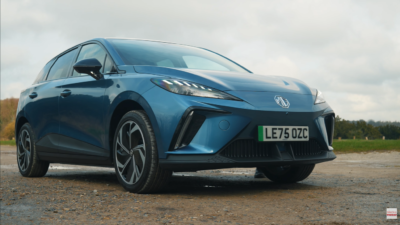
Kia Sportage Diesel (1-2 years old, 10,000-15,000km)
- Price: Around R500,000
- Advantage: Proven platform, diesel economy, low mileage
- Why Consider: Established brand with minimal depreciation
Premium Badge Option
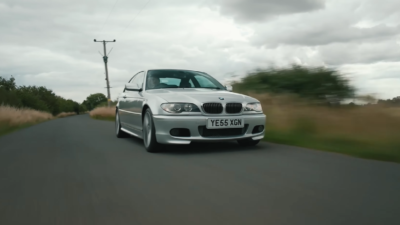
Audi Q3 (3-5 years old, higher mileage)
- Price: Around R500,000
- Advantage: Premium badge, German engineering, luxury interior
- Why Consider: Aspirational ownership, refined driving experience
Important Disclaimer: Listings were accurate end of January 2026. Good deals sell quickly. Use Cars.co.za app filters to find current options matching your budget and needs.
The Educational Point: With R500,000, you’re not limited to one new Chinese SUV. The market offers new value-oriented options, lightly used premium options, or proven platforms with some age. Understanding your priorities helps make the right choice.
Powertrain & Performance: Does It Move?
Engine Specifications
Configuration: 1.5L turbocharged 4-cylinder petrol Power Output: 138 kW (185 hp) Torque: 300 Nm (221 lb-ft) Transmission: 7-speed dual-clutch automatic Drivetrain: Front-wheel drive
Performance Testing
0-100 km/h: 8.75 seconds (tested independently)
- Changan doesn’t officially claim a 0-100 time
- Result is on par with segment average
- Doesn’t feel underpowered or exceptional
- Perfectly adequate for family SUV use
Performance Assessment: The CS75 Pro doesn’t move the needle or push the segment forward—it matches competitors competently. For a family SUV at this price, “adequate” is perfectly acceptable.
Transmission: A Curious Dual-Clutch
The Unexpected Behavior
When you hear “7-speed dual-clutch,” you expect:
- Quick, rifle-bolt shifts (like VW/Audi DSG)
- Ultra-responsive throttle
- Sporty character
Reality: This DCT behaves more like an old-school torque converter automatic.
Driving Characteristics
Hesitation from Standstill: Sudden acceleration results in noticeable lag before power delivery. The gearbox takes a moment to wake up.
Shift Quality: Shifts aren’t the rapid-fire changes typical of performance DCTs. They’re smooth and gradual—prioritizing comfort over speed.
Daily Commuting: For normal driving around Cape Town (or any city), the gearbox is perfectly fine. It’s not exciting, but it’s not problematic.
Possible Explanation: Conservative ECU mapping, especially in Eco mode, may deliberately soften responsiveness for fuel economy and smoothness. This isn’t a performance SUV—it’s a family hauler.
Driving Modes: Economic Model vs Sports Mode
Available Modes
- Eco Mode (called “Economic Model”—more on this spelling shortly)
- Comfort Mode (called “Comfortable Mode”)
- Sport Mode (called “Sports Mode”)
Eco Mode Performance
Recommended Default Setting: “I’m a firm believer of just driving in Eco as much as possible. We’re not in a hurry. This is the most relaxed way of driving.”
Characteristics:
- Most mature throttle mapping
- Smooth, predictable power delivery
- Best fuel economy
- Perfectly adequate for daily use
Sport Mode Reality
The Wheel Spin Problem: Engaging Sport mode from standstill delivers excessive wheel spin. The ECU dumps all torque at low RPM, resulting in squealing front tires going nowhere.
Verdict: Sport mode is pointless unless you have a big tire budget. The front-wheel-drive chassis and 300 Nm torque don’t play nicely with aggressive mapping.
The Spelling Issue
Actual Display Text:
- “Economic Model” (should be “Mode”)
- “Comfortable Mode“
- “Sports Mode“
Reviewer’s Take: “If you want to launch a vehicle in South Africa, the least you can do is get the wording right.”
It’s a nitpick, but proper localization matters. Small details like this suggest rushed market entry.
Fuel Consumption: Surprisingly Impressive
Official vs Real-World
Changan’s Claim: 7.5 L/100km (optimistic)
Real-World Testing:
City/Traffic Driving:
- Bumper-to-bumper Cape Town tourist traffic
- Average: 8.3 L/100km
- Very respectable for 1.5L turbo SUV
Open Road Driving:
- Average speed: 85 km/h
- Result: 7.7 L/100km
- Nearly matching official claim
Trip Computer Feature: Measures last 50km segments, allowing accurate testing across different driving conditions.
Verdict: “I’m very impressed with the consumption.” For a large SUV with this power output, achieving sub-8.0 L/100km on highways is a massive win.
Why This Matters: Fuel economy directly impacts running costs. At 8.0 L/100km average, the CS75 Pro won’t punish your wallet at the pump.
Ride Quality & Handling: Comfort Over Dynamics
Suspension Setup
Damping Characteristics:
- Absorbs road undulations effectively
- Comfortable over imperfect surfaces
- Tested over Cape Town roads and speed bumps
Real-World Test: “We’ve tried driving over cat’s eyes… Yeah, that’s good absorption. I’m happy with that.”
Assessment: The suspension does its job without being special. It soaks up bumps, keeps passengers comfortable, and doesn’t crash over obstacles.
Steering Feel
Characteristics:
- Light effort (especially useful for parking)
- Not particularly meaty or communicative
- Easy to maneuver in tight city spaces
For This Segment: Light steering in a large SUV makes parallel parking and urban navigation easier. Family SUV buyers prioritize ease-of-use over sporting feel.
Overall Dynamics Verdict
“It doesn’t move the needle, but it does the basics right, which I think when you’re playing in the sub-R500K SUV segment, you need to get the basics right.”
Translation: The CS75 Pro isn’t exciting to drive, but it’s comfortable, predictable, and easy to live with daily. For a family hauler, that’s exactly what’s needed.
Interior: Brown is Beautiful (Surprisingly)
First Impressions: Color & Materials
Interior Color: Light brown leather/leatherette
- Unusual choice for this segment
- Adds premiumness to ambiance
- Feels more upmarket than black plastic
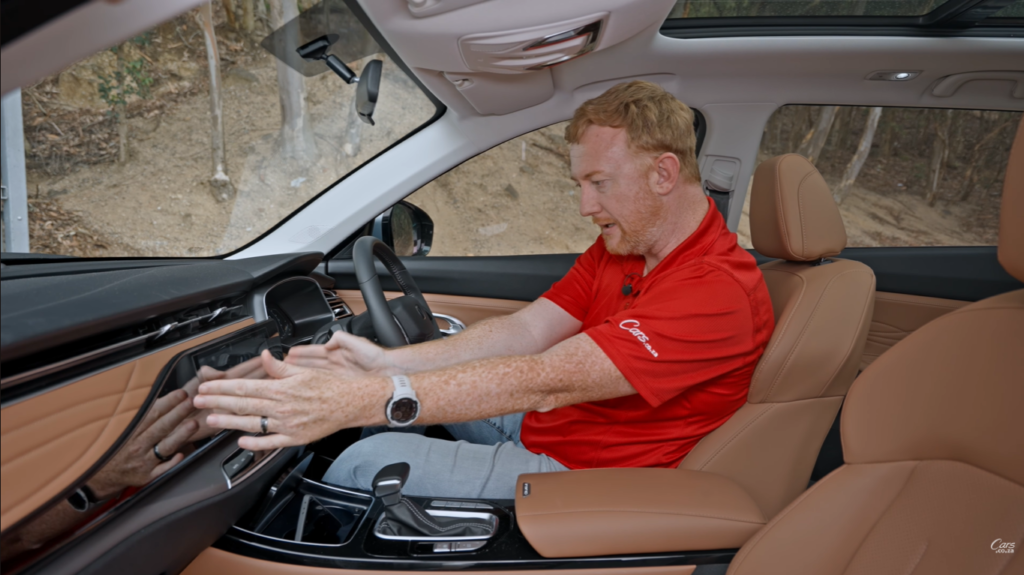
Material Quality: “This feels solid. All the common touchpoints are… yeah, I’m happy with the quality of this.”
Surfaces that hands frequently touch (steering wheel, gear selector, door handles) feel well-constructed and durable.
Dashboard Layout
Digital Instrument Cluster:
- Modern, clear graphics
- Adequate information display
- Nothing groundbreaking but functional
Infotainment Screen:
- Small, minimalist design
- Lower resolution than premium Chinese competitors
- Positioned slightly low ergonomically
Physical Climate Controls: ✓ Separate air conditioning vents (not integrated into screen) ✓ Physical/touch buttons for HVAC functions ✓ Don’t need to dive into infotainment menus
Why This Matters: Many modern vehicles force all functions through touchscreens, which is frustrating while driving. The CS75 Pro retains some physical controls—appreciated.
Infotainment System: Basic But Functional
Screen Specifications
Size: Modest (compared to 14″+ screens in premium Chinese vehicles) Resolution: Adequate but not vivid or ultra-sharp Position: Low placement, ergonomically suboptimal
User Experience
Simplicity: Very basic, very simplistic interface. Gets the job done without bells and whistles.
Available Functions:
- Radio
- Music
- Bluetooth connection
- Spotify integration
- Basic navigation
The Big Omissions
No Android Auto No CarPlay
Alternative: Phone mirroring software available, but setup wasn’t intuitive during testing.
Reviewer’s Take: “It’s not initially user-friendly, but when you own the car, you will get used to it and figure things out.”
Reality Check: At sub-R500K pricing, expecting cutting-edge infotainment is unrealistic. The system provides basics—radio, music, navigation—which covers most needs.
Trim Levels: CE vs CS
CE (Entry-Level)
Price: R429,000 Features: Basic equipment, 5 or 7 seats
CS (Higher Specification) – Tested Model
Price: R499,000 (7-seater flagship)
Additional Features: ✓ Panoramic sunroof ✓ Heated front seats ✓ Ventilated front seats ✓ Semi-autonomous safety tech (critical addition)
Safety Technology (CS Model Only)
Active Safety Systems:
- Adaptive cruise control
- Forward collision warning
- Autonomous emergency braking (AEB)
Why This Matters: “When you’re playing in the premium space or attempting to get into the premium space, these are non-negotiables.”
Modern safety tech saves lives. Having AEB and adaptive cruise is essential for family vehicles in 2026.
Recommendation
Skip the CE, Buy the CS:
“I think there’s no point in going for the entry-level model. Just go for the higher spec derivative.”
Price Difference: R70,000 Value Added: Significant safety tech, comfort features, sunroof
For R70K more, you’re getting genuinely useful technology that enhances safety and daily usability.
Rear Passenger Space: Room for Activities
Dimensions That Matter
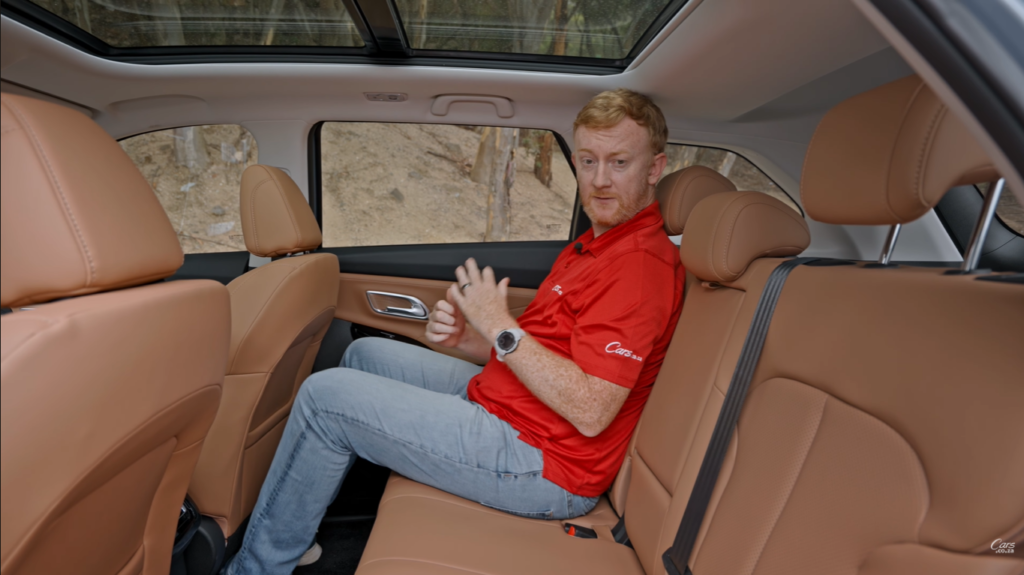
Wheelbase: Over 2,700mm
- One of the longest in the segment
- Translates directly to rear legroom
Real-World Space Test
Knee Room: “Look at this. I’ve got so much room for activities.”
With front seats in normal position, rear passengers enjoy:
- Acres of legroom
- Adequate headroom
- Comfortable seating position
Recline Function
Adjustable Seatbacks: Rear seats recline for added comfort on longer trips.
“This is actually a great position for a longer trip. If you’re an adult smaller than me, this is going to be great.”
Seating Position
Observation: Passengers sit relatively high (on top of the vehicle rather than in it). This is typical of SUVs and provides good visibility but can feel less planted than sedans.
Rear Comfort Features
Climate Control:
- Individual air vents for rear passengers
- Ensures comfort in South African heat
Charging:
- Single USB-A port
- Adequate for charging one device
Assessment: “This ticks the basics at the price point.”
Boot Space: 620 Liters of Practicality
Official Capacity
Claimed Boot Space: 620 liters (5-seater configuration)
Real-World Test
Multiple Cooler Boxes: Easily accommodated with room to spare.
Assessment: “There’s acres of space. Practical family SUV, Changan has nailed it.”
7-Seater Configuration
Third-row seating available in some models. Boot space with third row up will be reduced significantly (typical for all 7-seaters).
Missing: Test vehicle lacked tonneau cover/luggage protector. Customer vehicles are expected to include this.
Heated & Ventilated Seats: Unusual Button Placement
The Discovery
Passenger Seat Controls: Located on the center transmission tunnel (expected location)
Driver Seat Controls: Hidden down beside the driver’s seat (unexpected)
Reviewer’s Reaction: “This is a first for me. I suppose if you own the car, you’ll familiarize yourself with the button layout.”
Functionality
Hot South African Days: Ventilated seats are genuinely useful for cooling in summer heat.
Winter Months: Heated seats are appreciated in colder regions (Gauteng, Free State, Eastern Cape)
Quirk Assessment: Strange placement, but not a deal-breaker. Owners will adapt.
Warranty & After-Sales Support
The Critical Question
“What about after-sales and coverage? What happens to customers who buy these cars in 3, 5 years?”
This is the biggest concern with new Chinese brands entering South Africa.
Dealer Network
Launch: 25 dealers from day one. Expansion: Growing network as time progresses
Assessment: 25 dealers nationwide is a solid foundation. Not as extensive as Toyota/VW but adequate for the launch phase.
Warranty Coverage
Warranty: 5 years / 150,000km Service Plan: 5 years / 90,000km
Competitive Analysis:
- Kia: 5 year / unlimited km warranty (better)
- Haval: 5 year / 100,000km warranty (similar)
- GWM: 5 year / 100,000km warranty (similar)
Verdict: “It does the basics right. I think there is some peace of mind there.”
The warranty and service plan are competitive if not class-leading. 5-year coverage provides reasonable peace of mind.
Dave’s Final Verdict: Good Car or Bad Car?
Summary Assessment
Not a Bad Car by Any Stretch:
“For me, the biggest draw card to this vehicle is the price, guys. Under R500,000 for a 5 or 7-seater.”
What It Gets Right: ✓ Pricing (exceptional value) ✓ Interior space (massive for the money) ✓ Fuel economy (surprisingly good) ✓ Engine potency (adequate 138kW) ✓ Practicality (620L boot, reclining rear seats) ✓ Warranty (5yr/150,000km) ✓ Features (panoramic roof, heated/cooled seats on CS)
What It Compromises: ✗ Infotainment (basic, no CarPlay/Android Auto) ✗ Transmission character (slow DCT, not sporty) ✗ Interior tech (small, low-resolution screen) ✗ Spelling errors (minor quality control issue) ✗ Brand perception (Changan unknown in SA)
The Central Question: Can You Overlook the Faults?
Answer: Yes, if value is your priority.
“At this price, it’s difficult to ignore.”
Who Should Buy the Changan CS75 Pro?
Ideal Buyer Profile
Perfect For:
✅ Budget-conscious families needing 7 seats under R500K ✅ Value-focused buyers prioritizing space and practicality over brand ✅ First-time new car buyers wanting maximum car for money ✅ Urban families with highway commutes (good fuel economy) ✅ Practical buyers who can overlook tech limitations ✅ Risk-tolerant early adopters willing to try new brand
Not Ideal For
❌ Brand-conscious buyers who need established nameplate ❌ Tech enthusiasts wanting cutting-edge infotainment ❌ Driving enthusiasts seeking sporty handling ❌ Those needing CarPlay/Android Auto (deal-breaker for some) ❌ Risk-averse buyers concerned about resale value ❌ Those needing extensive dealer network immediately
Comparison: CS75 Pro vs Key Competitors
vs Haval Jolion Pro
Changan CS75 Pro Advantages:
- Larger physical size
- More rear legroom
- Lower starting price
Haval Jolion Pro Advantages:
- More established in SA market
- Better infotainment
- Proven reliability record (longer in market)
Winner: Depends on priority—size (CS75 Pro) vs proven track record (Jolion)
vs Chery Tiggo 7 Pro
Changan CS75 Pro Advantages:
- Competitive pricing
- Similar size and features
- Better fuel economy (tested)
Chery Tiggo 7 Pro Advantages:
- Slightly more established brand
- Better dealer network
- Proven sales history
Winner: Very close match—both strong value propositions
vs Toyota Corolla Cross
Changan CS75 Pro Advantages:
- R80,000-100,000 cheaper
- More interior space
- More features for money
Toyota Corolla Cross Advantages:
- Legendary reliability
- Excellent resale value
- Extensive dealer network
- Brand reputation
Winner: Toyota for peace of mind, Changan for maximum value
vs Kia Seltos
Changan CS75 Pro Advantages:
- Larger vehicle
- More space
- Lower price
Kia Seltos Advantages:
- 5yr unlimited km warranty
- Better infotainment
- Proven platform
- Strong brand
Winner: Kia for reliability, Changan for size and value
The Resale Value Question
The Uncomfortable Truth
Likely Depreciation: Steep
Why:
- Unknown brand in South Africa
- No established resale market
- Buyers prefer known quantities
- Limited demand for used Changans (for now)
3-Year Outlook: Expect 50-60% depreciation (vs 40-45% for Toyota/Kia)
Mitigating Factors
If You:
- Plan to keep vehicle long-term (7+ years)
- Drive it into the ground
- Don’t care about resale
Then: Depreciation becomes irrelevant. Initial savings of R100K+ vs competitors justifies poor resale.
Bottom Line: Buy for the purchase price savings, not future resale. Treat it as a long-term ownership proposition.
Changan has 70+ years of manufacturing experience, but a limited South African track record. 5yr/150,000km warranty provides some peace of mind. Long-term reliability is unknown locally.
Final Recommendation: Value King with Compromises
The Bottom Line
The Changan CS75 Pro is a damn good price for quite a lot of car.
At R429,000-R499,000, you’re getting:
- Massive interior space (2,700mm wheelbase)
- Adequate power (138kW/300Nm)
- Good fuel economy (8.0 L/100km average)
- Modern safety tech (CS model)
- 7-seater capability
- 5yr/150,000km warranty
You’re Compromising:
- Basic infotainment (no CarPlay/Android Auto)
- Unknown brand resale value
- Limited dealer network (expanding)
- Some quality control issues (spelling errors)
Who Wins?
Changan CS75 Pro Wins If: Your budget is strict R500K maximum AND you need maximum space/features
Competitors Win If: Brand reputation, proven reliability, and resale value matter more than initial savings
Dave’s Personal Take
“I do think this is a damn good price for quite a lot of car and you can overlook some of the faults.”
For South African Families: If your priority is stretching rands to maximum value, the CS75 Pro delivers. You’re getting a genuinely large, well-equipped family SUV for less than a Corolla Cross.
The Catch: You’re buying into an unproven brand with uncertain long-term prospects. That’s the trade-off for the aggressive pricing.
Final Word: The Changan CS75 Pro proves Chinese manufacturers are serious about value. It’s not perfect, but at under R500K, it doesn’t need to be.
Reviewed: January 2026 | Location: Cape Town, South Africa | Category: SUV Review | Author: MyPitShop Team (Cars.co.za)