Last Updated: February 8, 2026 | Expert Buyer’s Warning | Read Time: 20 minutes
⚠️ Before You Buy That “Bargain” Luxury Car…
You’ve found it. A pristine BMW 7 Series for $15,000. A stunning Jaguar XJ for $20,000. A Bentley Continental for $40,000.
Cars that cost $300,000+ new, now priced like a Toyota Camry.
It feels like the deal of a lifetime.
It’s not. It’s a financial trap.
This guide will save you from making an expensive mistake. These are the 7 luxury cars that will drain your bank account, break your heart, and leave you regretting every decision that led you to the purchase.
Why “Cheap” Luxury Cars Cost More Than You Think
The Golden Rule of Used Luxury Cars
A luxury car doesn’t become affordable just because its price drops. The maintenance costs stay exactly the same.
Here’s what that means:
- BMW 7 Series new: $300,000
- BMW 7 Series used: $15,000
- Turbocharger replacement: Still $8,000
- Air suspension failure: Still $5,000
- Timing chain service: Still $12,000
Why the Depreciation Is a Warning Sign
These cars lose 80-95% of their value in 10-12 years. That’s not a buying opportunity — it’s the market screaming “STAY AWAY.”
The market knows these cars are money pits. That’s why nobody wants them.
The “Buy It Twice” Rule
If you can’t afford to buy the car twice, you can’t afford to own it once.
- $40,000 Bentley? You need $40,000 in emergency repairs saved.
- $20,000 Jaguar? You need $20,000 in the bank for when it breaks.
- $15,000 BMW? You need $15,000 ready to go.
Without that buffer, you’re gambling.
The 7 Cars You Should Never Buy
1. BMW 7 Series (F01/F02, 2009-2015): The N63 Engine Disaster
The Numbers That Tempt You
| New Price | Current Used Price | Depreciation |
|---|---|---|
| $220,000–$420,000 | $8,000–$50,000 | 88–96% |
What They Don’t Tell You
The F01/F02 generation 7 Series, especially the 750i with the N63 twin-turbo V8 engine, is considered one of BMW’s biggest reliability disasters.
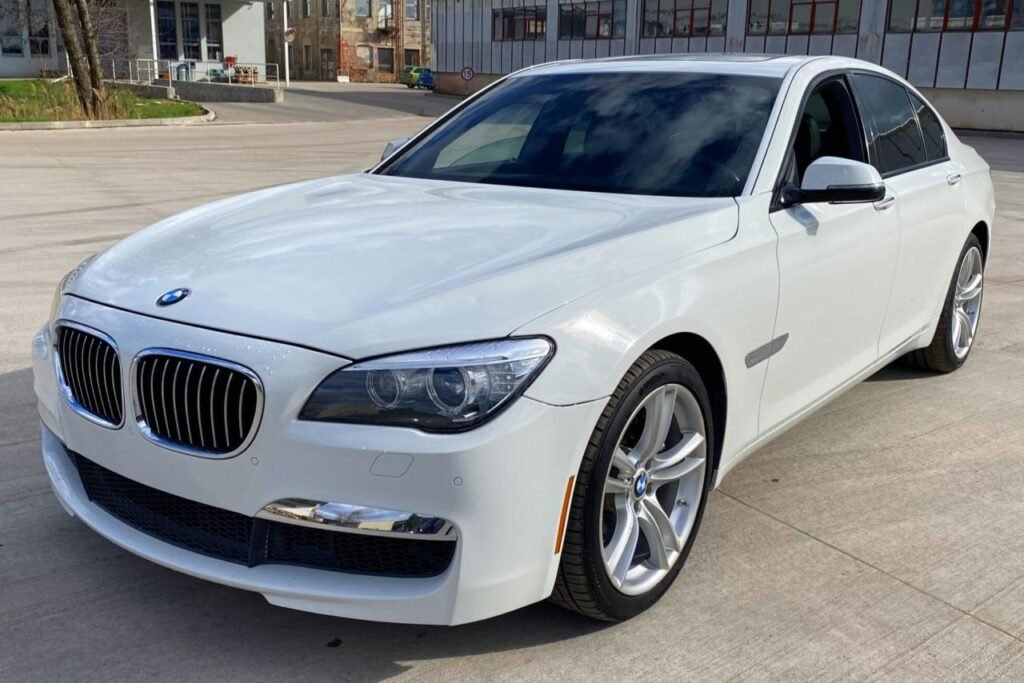
The N63 Engine: BMW’s Most Unreliable Engine
Mechanics call the N63 “one of the most unreliable BMW engines ever made.” Here’s why:
Common N63 Engine Failures:
1. Turbocharger Failures
- What happens: Twin turbos fail due to oil coking, bearing wear, inadequate cooling
- Symptoms: Loss of power, whining noise, excessive smoke
- Cost to fix: $2,000–$3,500 per turbo | $5,000+ for both
2. Timing Chain Issues
- What happens: Timing chains stretch and eventually break
- Symptoms: Rattling on startup, rough idle, engine misfires
- Cost to fix: $5,000–$12,000 (requires engine removal)
3. Valve Stem Seal Failures
- What happens: Seals harden and leak oil into combustion chambers
- Symptoms: Blue smoke from exhaust, excessive oil consumption
- Cost to fix: $3,000–$5,000 (cylinder head removal required)
4. High-Pressure Fuel Pump Failures
- What happens: Cam-driven fuel pump fails between 60,000–100,000 miles
- Symptoms: Loss of power, rough running, won’t start
- Cost to fix: $1,200–$2,500
5. Excessive Oil Consumption
- What happens: Engine burns 1 quart every 600–1,200 miles
- Symptoms: Constant low oil warnings, need to top up between services
- Cost to fix: Often unfixable without engine rebuild
The Electronics Problem
It’s not just the engine. The F01/F02 is loaded with 10-15 year old technology that’s aging terribly:
- Electronic failures brick the car completely
- Parts are expensive (it’s a 7 Series, not a 3 Series)
- Aftermarket support is limited (low production volume)
The One Engine to Consider (If You Must)
The N57 diesel is the most reliable engine option. It’s slow, but it’ll keep running. Everything else around it will still fall apart, though.
The Bottom Line
DO NOT BUY the 750i with the N63 V8. Even the cheaper models have electronics that will bankrupt you.
Estimated ownership cost over 5 years: $25,000–$50,000 in repairs
2. Jaguar XJ (X351, 2010-2019): Beautiful But Broken
The Design Everyone Loves
The Ian Callum-designed XJ is stunning. The interior is gorgeous. The driving experience is lovely.
And then reality hits.
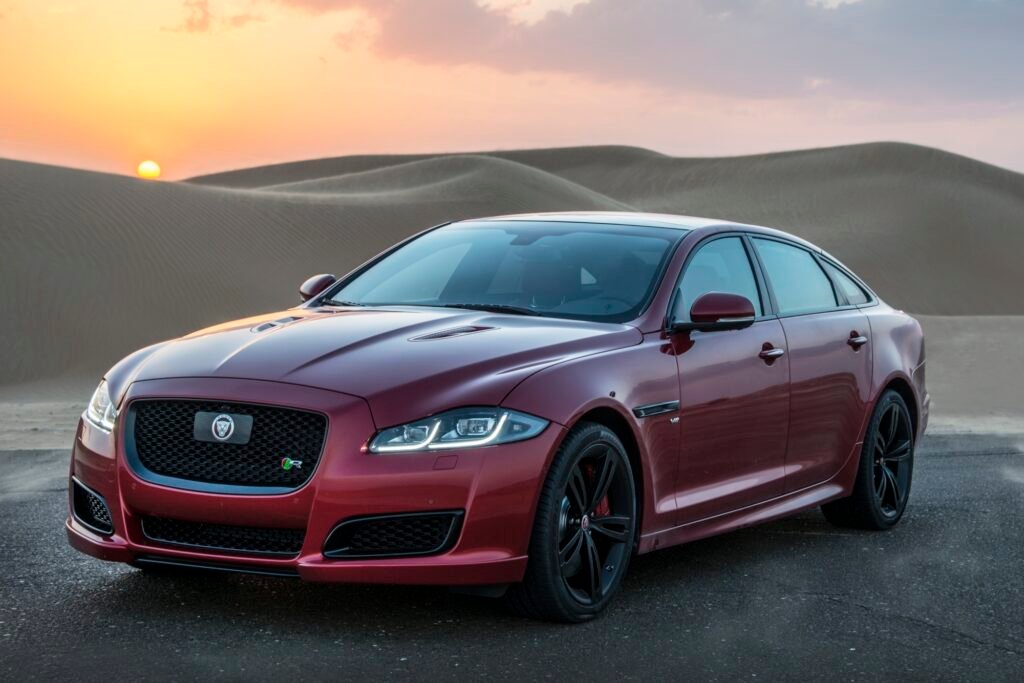
The Numbers
| New Price | Current Used Price | Depreciation |
|---|---|---|
| $200,000–$390,000 | $15,000–$65,000 | 83–92% |
The Problems Nobody Warns You About
1. The Sunroof Disaster
This is the big one. The panoramic glass sunroof has steel tracks that corrode.
- The problem: Rust develops under the glass, spreading to the entire sunroof cassette
- The temporary fix: Clean, repaint, tape over — lasts 1–2 years
- The real fix: Replace the entire sunroof assembly
- Cost: $3,000–$10,000+ (often more than the car’s value)
Why it’s unfixable properly: The rust continues under the rear glass panel, which is inaccessible without removing the entire roof structure.
2. Central Locking Module Failures
- What happens: Electronic modules fail, locking you out of your car
- When: Unpredictable — can happen anytime
- Nightmare scenario: You’re on a date, walk to your stunning Jag, and… it won’t unlock. You’re standing there in front of your date, unable to get into your luxury car.
- Cost to fix: $500–$2,000 (if you can find the parts)
3. The Engines Are Hit-or-Miss
V6 Diesel: Early versions had crankshafts that broke in half. Not a typo.
Supercharged V8: Generally okay, but supercharger coupling and timing chains can fail.
V6 Petrol: Created by lopping off two cylinders from the V8. Cheap engineering.
4. Air Suspension Failures
When the air suspension fails (and it will), you get a “brick on the ground” — a beautiful, undriveable car sitting in your driveway.
Cost to fix: $3,000–$8,000
The Aftermarket Problem
Jaguars don’t inspire aftermarket support. When OEM parts become unavailable (and they will), you’re stuck.
The Bottom Line
The XJ is a Range Rover’s unreliability jammed into a sexy luxury sedan body. Parts are expensive, labor is expensive, and you’ll spend more time waiting for repairs than driving.
Estimated ownership cost over 5 years: $20,000–$40,000 in repairs
3. Maserati Ghibli: The Angriest Car You’ll Ever Own
The Controversial Truth
The Maserati Ghibli doesn’t do anything better than a Mazda 6.
There. We said it.
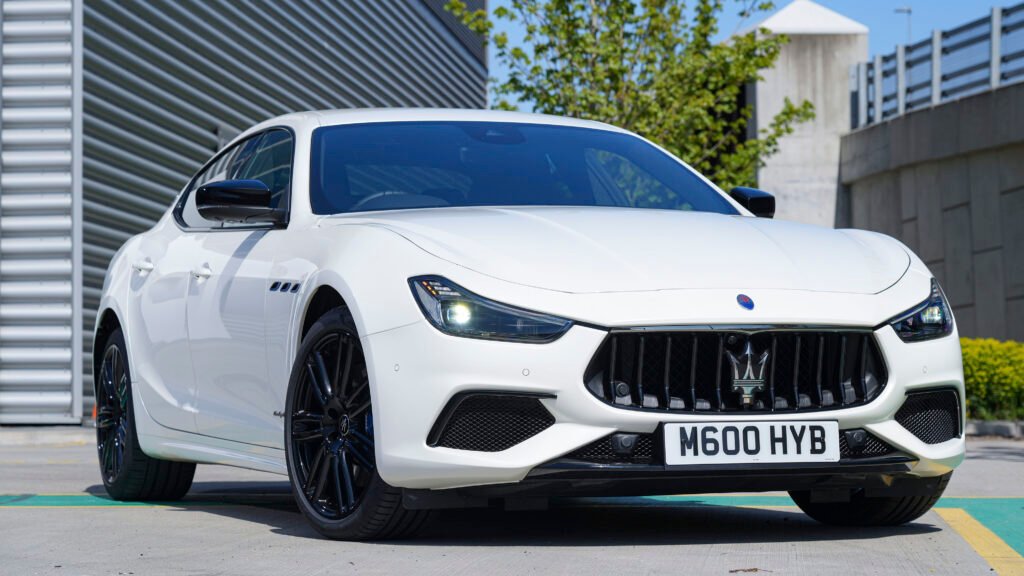
Why It’s So Frustrating
What’s good:
- Paddle shifters feel great
- Engine sounds wonderful
- Badge prestige
What’s bad:
- Literally everything else
The Electronic and Trim Disasters
Owners report:
- Constant electronic glitches
- Interior trim falling apart
- Infotainment system failures
- Build quality worse than mainstream cars
The Driving Reality
The Ghibli is a beautiful car to drive… when it’s working. Which isn’t often.
The Ghibli Owner’s Paradox
Ghibli owner groups are full of wonderful, loyal people who stand by their cars.
Keyword: “stand by.” Because they’re usually waiting for a tow truck, not driving them.
The Harsh Truth
Many Ghibli owners have never experienced a truly reliable car. If you’ve owned a Toyota, Honda, or Mazda, the Ghibli will make you question reality.
The Bottom Line
The depreciation might make it look like a bargain. It’s not. You’ll spend more on repairs than you saved on the purchase price.
Skip the Ghibli entirely.
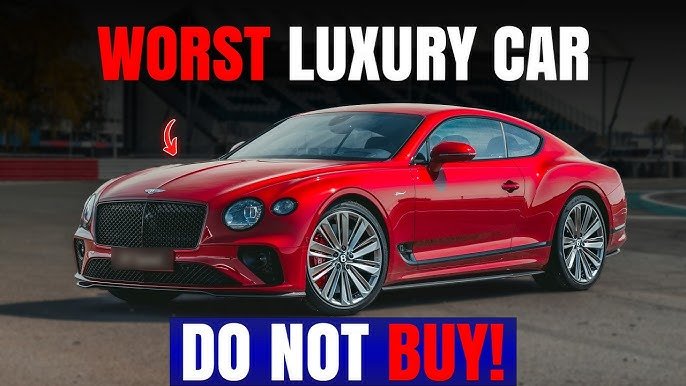
4. Bentley Continental Flying Spur: The Half-Million Dollar Money Pit
The Ultimate Status Symbol… At Camry Prices
New price: $370,000–$610,000
Current used price: $40,000–$100,000
For the price of a new Toyota Camry, you can own a Bentley.
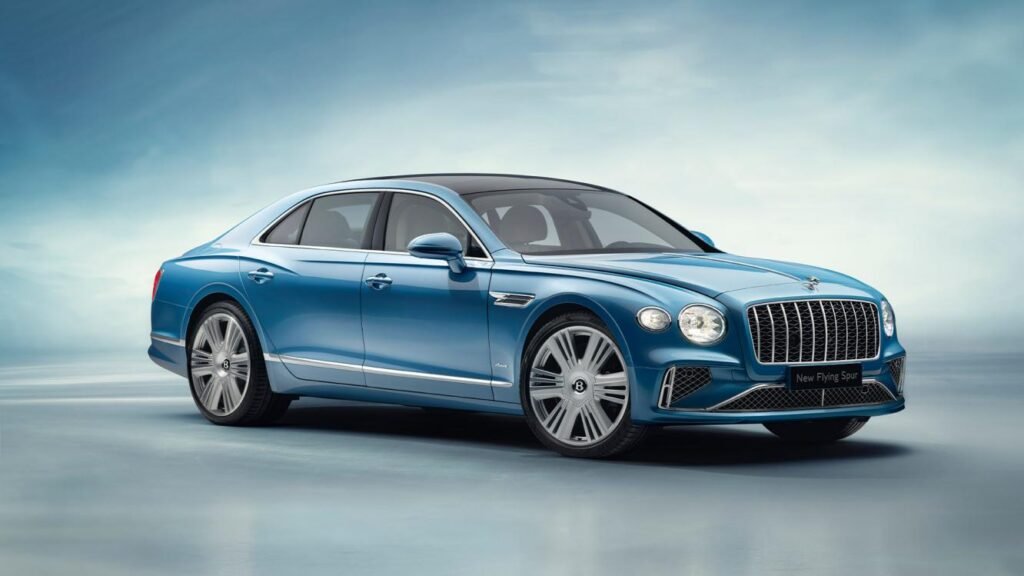
The Reality Check
Even with a full factory warranty, these cars break down constantly.
Real owner story: One Bentley (under warranty) had suspension that would randomly collapse — sometimes on one side, sometimes the entire rear. It was towed multiple times. The dealership’s response? “It’s just Bentley things. They do this.”
The W12 Engine: Complex and Expensive
What it is: A 6.0L W12 — essentially two VR6 engines mated together
What goes wrong:
- It’s incredibly complex
- Lots of components packed tightly
- Everything breaks
The horror story: A small $100 plastic component failed. To access it, the entire engine and gearbox had to be removed.
Labor cost: $15,000+ for a $100 part
The Maintenance Trap
Here’s the catch: To maintain resale value, everything must be serviced at Bentley.
- Going to an independent mechanic? You save money on the repair…
- …but lose thousands in resale value because the car no longer has “full Bentley service history”
The Electronic Nightmare
15-year-old electronics loaded with every conceivable feature. All of it is failing:
- Air suspension (constant failures)
- Infotainment crashes
- Electrical gremlins everywhere
The Brutal Truth
If you can’t afford to buy this car twice, don’t buy it at all.
A $40,000 used Bentley needs a $40,000 emergency repair fund. Without it, you’re gambling.
Estimated ownership cost over 5 years: $40,000–$80,000 in repairs
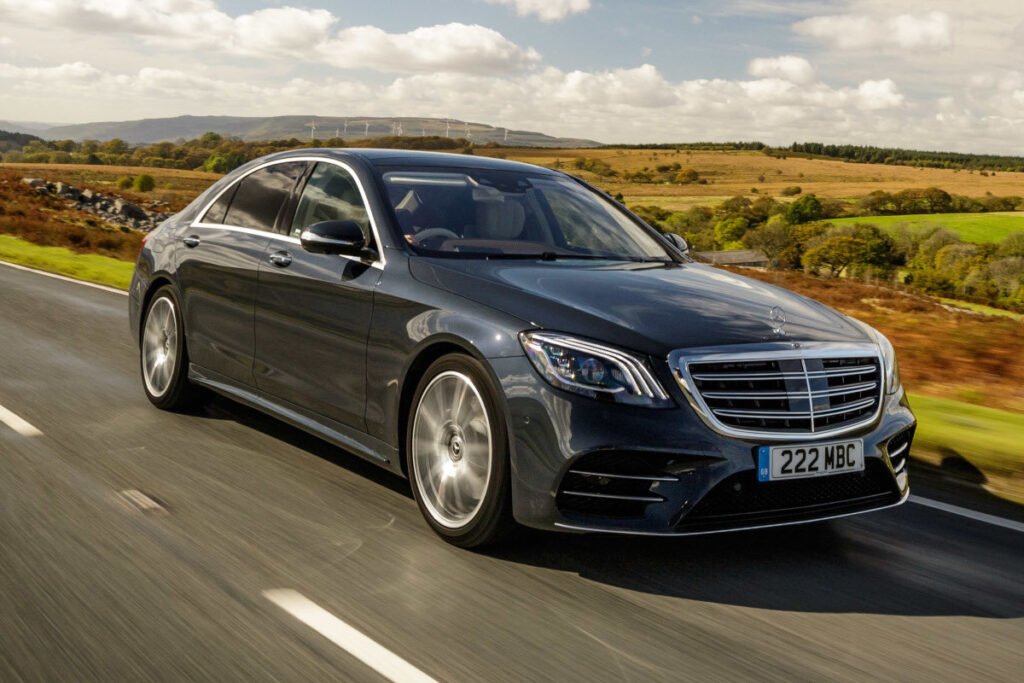
5. Mercedes-Benz S-Class (W222, 2014-2020): The Shocking Disappointment
The Industry Standard… That Isn’t
The S-Class is considered the benchmark for luxury sedans.
It was. Past tense.
The Numbers
| New Price | Current Used Price | Depreciation |
|---|---|---|
| $220,000–$420,000 | $20,000–$100,000 | 76–91% |
The W222 Reality (Real Owner Experience)
The car tested: Owned from brand new by a meticulous owner. Full service history. Cared for “like a newborn puppy.”
What went wrong:
- ✗ Leather peeling off the dashboard
- ✗ Door cards squeaking constantly
- ✗ Electronic failures repeatedly
- ✗ Infotainment system crashes
- ✗ Engine problems
- ✗ Multiple cracked rims (common W222 issue)
- ✗ Poor fit and finish throughout
The owner’s response when asked if he’d keep it: “Do you really want to keep going with this car? Do you really want to do these repairs?”
The W220 vs W221 vs W222
- W220 (2000-2006): Notorious for problems (Mercedes-Chrysler merger disaster)
- W221 (2007-2013): Big improvement, but still requires a diehard enthusiast
- W222 (2014-2020): Looks tempting now, but it’s falling apart
The Engine Issue
Don’t think you’re getting special “S-Class engines.” These are the same Mercedes engines in cheaper models. They’re not bespoke.
Best engine choice (if you must): OM651 diesel — slow, but reliable. It’s a commercial-grade donkey engine used in ambulances.
Worst engine choice: The V8. It will ruin your life and cost you everything.
Is the W223 (2021+) Better?
Probably not. Early signs suggest similar issues.
The Bottom Line
The W222 S-Class is a massive disappointment. Even with perfect maintenance, it falls apart.
Estimated ownership cost over 5 years: $25,000–$50,000 in repairs
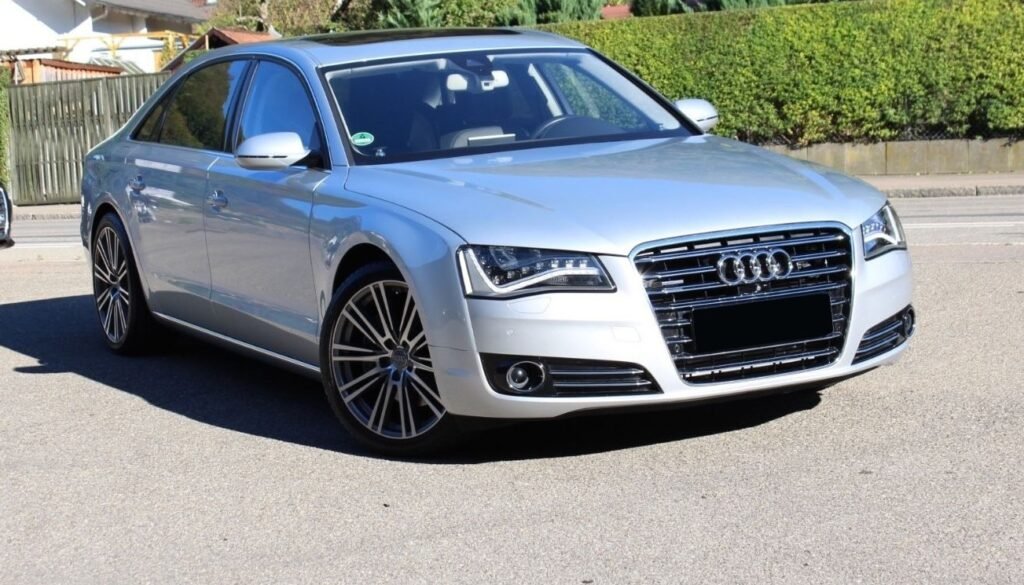
6. Audi A8 (D4, 2010-2017): When “Premium” Isn’t Premium
The Frustrating Reality
The D4 A8 drives beautifully. It’s comfortable. It has every luxury feature you’d want.
But it’s built on the same platform as “bottom-spec Audis and Volkswagens.”
The Sunroof Problem (Again)
Owner story: Drove an A8 to the snow. The sunroof refused to close. Had to pull into a hardware store to buy:
- Gaff tape
- Plastic sheeting
- Tarp
To manually cover the sunroof on a luxury car.
This is a super common issue.
The Engine Nightmares
3.0L V6 Petrol: Possibly okay. Maybe.
V8 Engines:
- Timing chain issues (requires dropping the entire engine — $10,000–$15,000)
- Turbo failures
- Unnecessarily complicated design
V6 Diesels:
- Oil coolers leak
- EGR coolers leak
- Coolant pipes leak
- Everything in the valley leaks constantly
The repair trap: Fix one thing, something else breaks. Spend $5,000 replacing everything in the engine valley.
The Electronics Epidemic
- Control modules fail constantly
- Everything is expensive
- Some A8-specific parts cost a fortune
The Pricing Trap
| New Price | Current Used Price |
|---|---|
| $195,000–$350,000 | $15,000–$40,000 |
They’re cheap for a reason: they’re terrible.
The Bottom Line
Premium badge, bottom-spec engineering. The engines come from the same production line as base-model VWs.
Skip the D4 A8 entirely.
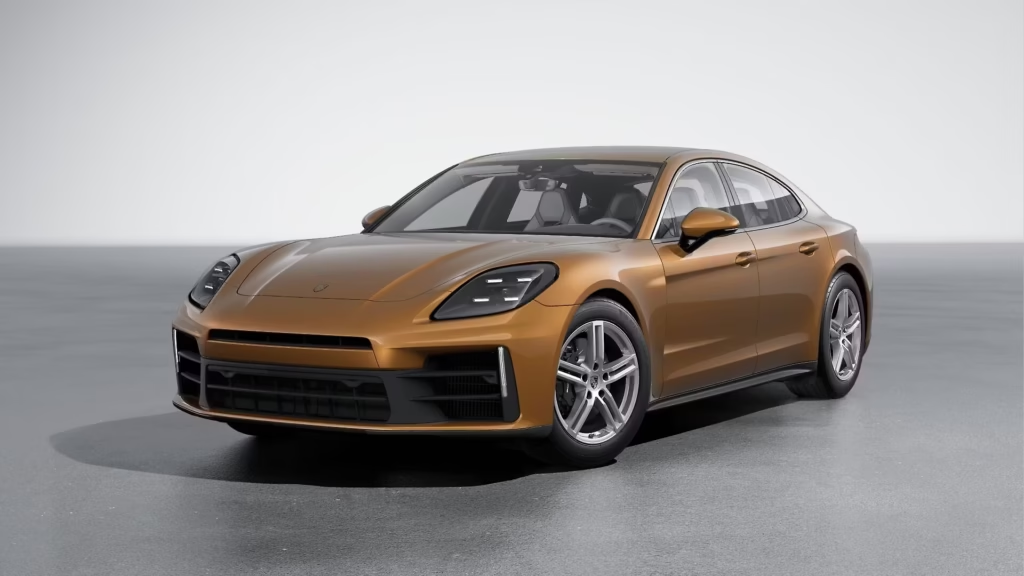
7. Porsche Panamera (Gen 1, 2009-2016): The $20,000 Service Bill
The Looks (Controversial)
Some people love it. Some people hate it.
Most people think it’s… weird.
The Numbers
| New Price | Current Used Price |
|---|---|
| $200,000–$460,000 | $30,000–$100,000 |
The Electronic Disasters
- Sunroof problems (yet again)
- HVAC failures
- Infotainment system crashes
- Seat adjusters breaking
- Side mirrors failing
The $20,000 Service Horror Story
Real story: Owner brought Panamera to Porsche dealership for a service.
Quote: ~$20,000
What was actually wrong: Nothing major.
What they recommended: $18,000 worth of unnecessary parts and services.
The Paint and Build Quality
Unusual for Porsche: poor paint quality and fit/finish.
The Engine Problems
Turbo/Turbo S engines: Somewhat bespoke Porsche, kind of okay
Diesels: V6 diesel with typical problems (EGR coolers, oil leaks, injector seals)
Lower petrol engines: Typical issues (coolant leaks, water pumps, oil leaks, timing chains, engine mounts)
The PDK Transmission Disaster
Repairing a PDK transmission in a Panamera costs more than some used cars.
The Parts Pricing Reality
It’s a Porsche. Everything costs 3–5x more than it should:
- Oil filter housings: Expensive
- Wiper blades: Expensive
- Literally everything: Expensive
The Maintenance State
By the time first-gen Panameras reach this age and price, they’re often neglected. Third or fourth owners don’t maintain them properly.
The Bottom Line
Unless you have $30,000–$40,000 in a “Panamera emergency fund,” stay away.
Estimated ownership cost over 5 years: $25,000–$50,000 in repairs
What These Cars Actually Cost to Own
Let’s do the math on a “cheap” luxury car.
Example: $40,000 Bentley Continental Over 5 Years
Purchase price: $40,000
Estimated repairs:
- Year 1: Air suspension failure ($6,000)
- Year 2: Turbocharger replacement ($8,000)
- Year 3: Suspension modules ($5,000)
- Year 4: Electrical gremlins ($4,000)
- Year 5: Transmission service + misc ($7,000)
Total repairs: $30,000
Insurance (premium luxury): $3,000/year × 5 = $15,000
Servicing (Bentley required): $3,000/year × 5 = $15,000
Total 5-year cost: $100,000
Cost per year: $20,000
The Hidden Costs Nobody Mentions
1. Depreciation doesn’t stop
That $40,000 Bentley? In 5 years, it’ll be worth $20,000. You lose another $20,000.
2. Insurance is brutal
Luxury cars = luxury insurance premiums. Expect 2–3x normal rates.
3. Tires are expensive
Performance tires for 20″ wheels: $400–$600 per tire. That’s $2,000 every 2–3 years.
4. You can’t use independent mechanics
To maintain resale value, you need dealer service history. That means paying dealer labor rates ($200–$300/hour).
Should You Ever Buy a Used Luxury Car?
YES, if:
✅ You have 2x the purchase price saved for repairs
✅ You can afford dealer servicing without flinching
✅ You have a second reliable car for when this one breaks
✅ You’re buying it as a weekend toy, not a daily driver
✅ You’re mechanically skilled and can DIY most repairs
✅ You accept that it’s a hobby, not transportation
NO, if:
❌ This will be your only car
❌ You’re buying it instead of a reliable daily driver
❌ You think the low price = affordable ownership
❌ You can’t afford a $10,000 surprise repair
❌ You need reliable transportation
❌ You’re stretching your budget to afford the purchase
Better Alternatives: Where Your Money Should Go Instead
If You Want Luxury Without the Nightmare
Option 1: Certified Pre-Owned from Reliable Brands
- Lexus LS/ES — Toyota reliability with luxury
- Genesis G80/G90 — 10-year warranty, excellent reliability
- Acura TLX/RLX — Honda reliability, understated luxury
Option 2: New Mid-Range Cars
- Mazda 6 Signature — genuinely as nice to drive as a Ghibli
- Toyota Avalon — V6 power, buttery smooth, bulletproof
- Honda Accord 2.0T — quick, refined, reliable
Option 3: Slightly Older Reliable Luxury
- Lexus LS 460 (2007-2012) — the tank that won’t quit
- Lexus GS 350 (2013-2015) — sport luxury, dead reliable
- Acura RLX (2014-2016) — overlooked, underrated, reliable
The Financial Reality
$40,000 Bentley scenario:
- Purchase + 5-year ownership = $100,000
$40,000 Lexus LS scenario:
- Purchase + 5-year ownership = $50,000
- You save $50,000 and actually enjoy driving
The BMW 750i (F01/F02) with the N63 V8 engine is widely considered one of the most unreliable luxury cars ever made. Turbo failures, timing chains, valve stem seals, excessive oil consumption — it’s a disaster.
The Final Word: Don’t Do It
These cars are tempting. We get it. The badge, the leather, the status, the performance — all for the price of a Camry.
But here’s the truth:
There’s a reason they’re cheap. The market is warning you. Listen to it.
Buy a reliable car. Save your money. And when you can genuinely afford a luxury car (purchase price + maintenance + repairs without sweating), THEN buy one.
Until then? Stay away from these 7 money pits.
Your bank account will thank you.