TL;DR
Silicon carbon batteries can pack significantly more energy into smartphones—up to 10,000 mAh in devices thinner than iPhones—by replacing graphite with silicon in battery chemistry. However, major manufacturers like Apple, Samsung, and Google are deliberately avoiding this technology due to serious concerns about battery swelling and long-term safety. Silicon expands to three times its original volume during charging, creating mechanical stress that could lead to cracking, internal damage, or worst-case thermal runaway.
While Chinese brands like Xiaomi, Honor, and OnePlus have embraced silicon carbon in competitive markets, Western companies prioritize proven reliability over cutting-edge capacity gains. The technology remains promising but needs more real-world aging data before mass adoption by risk-averse manufacturers serving less competitive markets.
The Hidden Problem with Silicon Carbon Smartphone Batteries That Apple and Samsung Won’t Touch
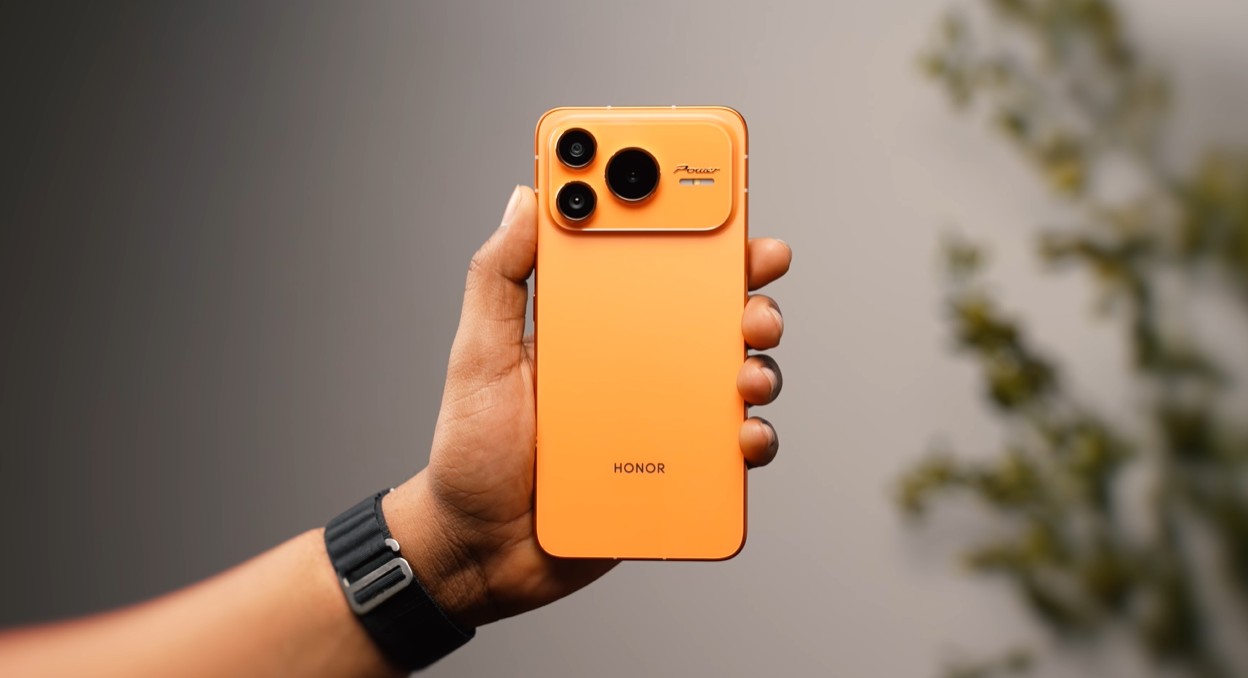
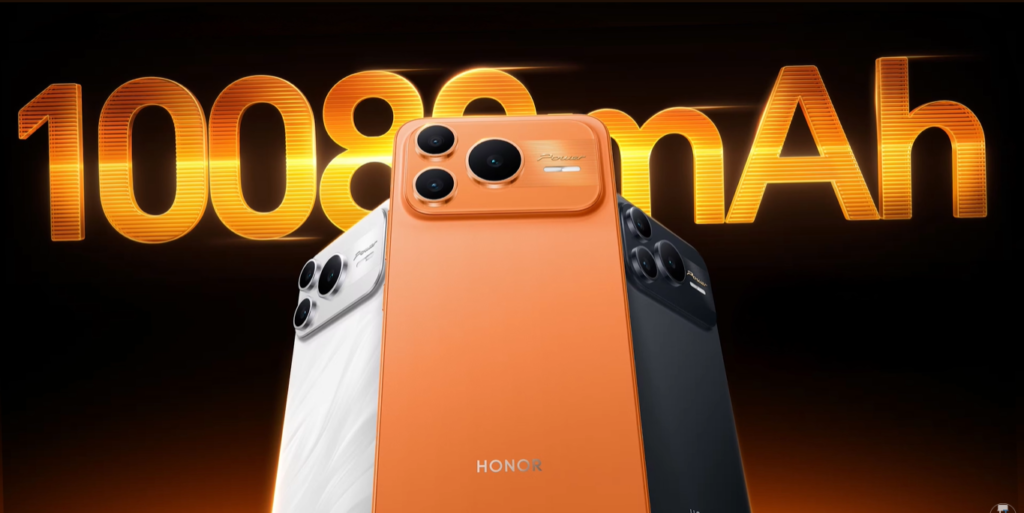
The smartphone battery revolution you’ve been promised is already here—just not in your iPhone or Galaxy. While devices like the Honor Power 2 pack a massive 10,000 mAh battery into a frame thinner than an iPhone 17 Pro Max with its 5,000 mAh cell, the world’s largest phone manufacturers are conspicuously sitting on the sidelines of this apparent breakthrough.
Silicon carbon battery technology has flooded the market over the past three years, enabling battery capacities that previously seemed impossible without adding bulk. Yet Apple, Samsung, and Google continue shipping flagship phones with traditional lithium-ion batteries, watching smaller competitors tout 40% larger capacities as selling points.
The explanation isn’t what most industry observers initially assumed. This deliberate avoidance stems from serious engineering concerns that reveal fundamental tensions between bleeding-edge innovation and the reliability standards demanded by companies shipping tens of millions of devices annually.
What Makes Silicon Carbon Batteries Different
Silicon carbon batteries achieve their impressive energy density through a fundamental change in battery chemistry. Traditional lithium-ion batteries use graphite as the anode material that stores lithium ions during charging. Silicon carbon technology replaces this graphite with silicon, which can hold substantially more energy in the same physical space.
The improvement isn’t marginal. Early adopters demonstrated the technology’s potential dramatically when OnePlus jumped from 5,400 mAh batteries in their January 2025 flagship to 6,000 mAh by incorporating silicon carbon. Later that same year, they pushed capacity to 7,300 mAh in comparable form factors. These weren’t incremental improvements—they represented a fundamental reset of expectations for smartphone battery capacity.

The energy density advantages enable two distinct product strategies. Manufacturers can maintain standard phone thickness while dramatically increasing battery capacity, or they can shrink device profiles while keeping conventional battery sizes. Phones like the ultra-thin Galaxy S25 Edge and rumored iPhone Air represented perfect candidates for silicon carbon technology, theoretically allowing razor-thin designs without sacrificing all-day battery life.
The chemistry itself involves finely ground silicon particles rather than solid blocks, mixed with carbon materials that serve a critical structural function beyond simple conductivity. This composition allows the battery to pack more lithium ions into less space, directly translating to longer runtime between charges or smaller overall battery volumes.
The Surface-Level Theory: Supply Chain Constraints
Initial speculation about major manufacturers avoiding silicon carbon batteries focused on supply chain limitations. When you’re Apple requesting components for 100 million iPhones annually, your demands dwarf those of smaller competitors. A new battery technology might simply lack the manufacturing capacity to meet orders at that scale.
This theory held logical appeal. Emerging technologies typically start with limited production capabilities that scale up over years as demand proves sustainable and manufacturing processes mature. Major brands might simply be waiting for suppliers to build sufficient capacity before committing their product lines to the new chemistry.
However, real-world adoption patterns contradicted this explanation. Xiaomi ships massive volumes globally and has incorporated silicon carbon batteries throughout their flagship lineup. Realme, Honor, Oppo, and Huawei similarly deploy the technology across numerous models representing substantial manufacturing volumes. Meanwhile, Google’s Pixel line sells relatively modest quantities yet continues using traditional lithium-ion batteries.
If supply constraints were the limiting factor, we’d expect inverse correlation—smaller manufacturers waiting for capacity while giants like Xiaomi secured early access. Instead, the opposite pattern emerged, suggesting deeper issues beyond simple production volumes.
The Real Problem: Expansion, Contraction, and Material Physics
Multiple sources within the smartphone industry have independently identified the same fundamental concern that explains why major Western manufacturers are avoiding silicon carbon batteries: extreme expansion during charge cycles creates serious long-term reliability and safety risks.
Battery materials naturally expand and contract with temperature changes during normal operation. This phenomenon appears throughout engineering—sidewalks include expansion joints, bridges have dedicated structural elements to accommodate thermal movement, and countless systems account for materials changing dimensions with heat. The physics are unavoidable.
Traditional lithium-ion batteries experience modest expansion during charging as materials heat and absorb ions. Silicon carbon batteries face a dramatically different challenge. During charging, silicon heats up and absorbs lithium ions, expanding to approximately three times its original volume in the process.
Consider the magnitude of this change. A material tripling in volume with each charge cycle and then contracting back down represents extreme mechanical stress. The battery equivalent would be a sponge that swells to three times its size when wet, shrinks completely when dry, and repeats this cycle potentially thousands of times over a device’s lifespan.
The expansion creates multiple cascading problems. Mechanical stress accumulates with each cycle, potentially leading to microscopic cracks in battery materials. The carbon component in silicon carbon batteries specifically exists to absorb and distribute this expansion, preventing concentrated stress points. Manufacturers adjust the silicon-to-carbon ratio attempting to balance energy density against mechanical stability.
Higher silicon percentages enable greater battery capacity but push expansion limits further. Companies pursuing maximum capacity claims necessarily accept greater mechanical stress, walking a fine line between performance marketing and engineering prudence. Some devices reportedly incorporate steel cages around silicon carbon batteries specifically to contain expansion and prevent damage to surrounding components.
When Materials Fail: The Worst-Case Scenarios
The consequences of mechanical failure in battery materials range from performance degradation to catastrophic safety incidents. Internal cracking can create electrical shorts, reduce capacity, or in extreme cases trigger thermal runaway—the cascading heat generation that leads to battery fires.
Thermal runaway represents every manufacturer’s nightmare scenario. The lithium-ion batteries that power nearly every mobile device contain enormous energy in compact spaces. Under normal operation, chemical and electrical controls prevent uncontrolled energy release. When internal damage compromises these protections, batteries can ignite with limited warning.
Samsung experienced this firsthand with the Galaxy Note 7 recall in 2016. Manufacturing defects caused battery failures that resulted in fires, injuries, and a complete product recall that cost the company billions in direct losses and incalculable brand damage. The incident demonstrated how even established battery technology can fail catastrophically when quality control falters or design tolerances prove insufficient.
Silicon carbon batteries introduce additional variables into an already complex safety equation. The extreme expansion cycles create failure modes that don’t exist in traditional lithium-ion chemistry. Without extensive real-world aging data across diverse conditions, manufacturers cannot confidently predict how these batteries will perform after two, three, or five years of daily use.
Testing Limitations and Real-World Variables
Manufacturers routinely test batteries through hundreds or thousands of charge cycles, verifying that capacity retention meets targets like maintaining 80% of original capacity after 1,000 cycles. These controlled tests provide valuable data but cannot replicate the full complexity of real-world usage.
Batteries in actual use face conditions that laboratory testing struggles to fully simulate. Phones experience extreme temperature variations from winter cold to summer heat, from air-conditioned indoor environments to direct sunlight. They endure drops, pressure from pockets and bags, humidity changes, and altitude variations. Users charge at different rates, drain batteries to varying levels, and operate devices while charging—all factors that affect battery chemistry and longevity.
The challenge intensifies with new battery technologies lacking years of field data. Traditional lithium-ion chemistry benefits from decades of real-world experience across billions of devices. Engineers understand failure modes, can predict lifespan under various conditions, and have refined manufacturing to eliminate most quality issues. Silicon carbon batteries lack this accumulated knowledge base.
Industry sources suggest that achieving failure rates below one in 250,000 units through testing feels acceptable for many applications. In isolation, that reliability level seems excellent. However, at the scale major manufacturers operate, even this rarified failure rate creates problems. When shipping 50 million phones annually, one-in-250,000 odds mean approximately 200 devices with potential battery issues—possibly enough to trigger recalls or class-action lawsuits.
The calculation changes for companies with different risk tolerances and market positions. A manufacturer shipping 2 million units annually faces far lower absolute risk from the same failure rate. Smaller brands can also move more quickly to address issues, whereas giants like Apple and Samsung face months-long product cycles and enormous logistical challenges correcting problems at scale.
Market Dynamics: Competition Versus Ecosystem Lock-In
The split between manufacturers embracing and avoiding silicon carbon batteries correlates strongly with market competition intensity. Chinese brands operating in hardware-focused markets have universally adopted the technology, while Western companies serving software-ecosystem markets continue avoiding it.
This divergence reflects fundamentally different competitive environments. In markets dominated by Android devices where users freely switch between brands based on hardware specifications, battery capacity represents a tangible differentiator. When competitors offer 7,000+ mAh batteries and your flagship maxes out at 5,000 mAh, consumers notice and vote with their wallets.
Messaging apps illustrate the broader pattern. In markets where WhatsApp, Telegram, or WeChat dominate communication, switching phone brands involves minimal friction. Your social connections, chat history, and daily communication patterns remain intact regardless of device manufacturer. Hardware specifications become primary purchase drivers because software ecosystems don’t create switching barriers.
Contrast this with the American market where iMessage blue bubbles create powerful lock-in effects. iPhone users face social pressure and practical communication challenges when considering Android alternatives. Similarly, deep integration with Apple services, accessories, and cross-device features makes switching painful despite hardware advantages competitors might offer.
For Apple, this dynamic removes pressure to adopt risky new battery technology. iPhone buyers aren’t switching to competitors for silicon carbon batteries, and Android users aren’t crossing over for that feature either. The company can safely wait for the technology to mature while competitors serve as unwitting long-term testers, generating real-world reliability data that Apple can evaluate before committing.
Samsung and Google face similar calculations in Western markets despite selling Android devices. Their brand positions, ecosystem investments, and market share don’t depend on winning battery capacity specification wars. They can prioritize proven reliability over cutting-edge features because their target customers value different attributes.
The Steel Cage Solution and Engineering Workarounds
Manufacturers pursuing silicon carbon technology despite expansion concerns have implemented various engineering solutions attempting to mitigate mechanical stress and contain potential failures. Some devices reportedly incorporate steel reinforcement structures around batteries, creating physical barriers that prevent expansion from damaging other components or warping device chassis.
These containment approaches add weight, complexity, and cost while addressing symptoms rather than underlying causes. A battery that requires structural reinforcement to prevent damage from its own normal operation reveals inherent design challenges that conservative manufacturers would rather avoid entirely.
Alternative approaches focus on battery chemistry optimization rather than mechanical containment. Manufacturers experiment with silicon particle size, carbon matrix composition, and additive materials attempting to reduce expansion while maintaining energy density advantages. Each adjustment involves tradeoffs between capacity, longevity, safety, and cost.
The rapid iteration visible in Chinese manufacturers’ products suggests aggressive development timelines prioritizing market position over exhaustive validation. OnePlus jumping from 5,400 mAh to 6,000 mAh to 7,300 mAh in roughly 18 months indicates continuous chemistry changes rather than settled formulations with extensive aging data.
This development approach works in competitive markets where being first with higher specifications provides immediate sales advantages. It works less well for companies whose reputations depend on reliability and whose customers expect devices to function flawlessly for four or five years without performance degradation.
Current Adoption Landscape: Who’s Using Silicon Carbon and Why
The current silicon carbon battery landscape divides clearly along geographic and strategic lines. Chinese manufacturers including Xiaomi, OnePlus, Realme, Honor, Oppo, and Huawei have broadly adopted the technology across flagship and mid-range devices. These companies operate in intensely competitive markets where hardware differentiation drives purchasing decisions and incremental improvements matter.
Western manufacturers—Apple, Samsung, and Google most prominently—have universally avoided silicon carbon batteries in shipping products despite the technology’s maturity reaching levels that enable mass production. Their decisions reflect different market positions, risk tolerances, and competitive pressures rather than technical capability or supply access limitations.
This split creates an unintentional but valuable natural experiment. Millions of silicon carbon battery devices are accumulating real-world usage hours across diverse conditions while major manufacturers observe from the sidelines. If these batteries prove durable over three to five year lifespans without elevated failure rates, conservative manufacturers gain confidence to adopt the technology. If problems emerge at scale, they’ve avoided potential PR disasters and product recalls.
Some regional players occupy middle ground. Brands with significant presence in both competitive Asian markets and Western ecosystem markets must balance contradictory pressures. Their decisions often reflect which market represents higher priority or revenue concentration.
The adoption split also affects parts suppliers and battery manufacturers. Companies producing silicon carbon batteries secure revenue from aggressive adopters while developing improved formulations aimed at eventually winning contracts from conservative manufacturers. Traditional lithium-ion battery suppliers continue serving major Western brands while presumably developing their own silicon carbon capabilities for eventual market transition.
The Three-Year Track Record and What We’re Learning
The first silicon carbon battery smartphones appeared approximately three years ago, providing initial long-term performance data as these early devices age. However, the technology has seen dramatically increased deployment in the past year, meaning the vast majority of silicon carbon batteries in active use still have limited aging time.
Early indicators remain mixed and inconclusive. No widespread reports of catastrophic failures or accelerated degradation have emerged from the millions of devices in use, suggesting the technology functions adequately under normal conditions for at least moderate timeframes. However, three years represents only about half the useful lifespan manufacturers target for premium devices.
The critical question centers on what happens at four, five, or six years of daily use. Do silicon carbon batteries maintain acceptable capacity and avoid failure modes through these extended periods, or do problems emerge as cumulative mechanical stress from thousands of expansion cycles exceeds material tolerances?
Manufacturers pursuing silicon carbon technology presumably monitor field data from deployed devices, tracking performance degradation rates, failure patterns, and warranty claim frequencies. This proprietary data informs their ongoing chemistry adjustments and risk assessments. Companies avoiding the technology similarly watch for signs of systematic problems that would justify continued avoidance or improved formulations that might warrant reconsideration.
The challenge involves separating aging effects from user-inflicted damage, manufacturing defects, and normal usage variation. When a three-year-old phone experiences battery swelling, determining whether silicon carbon chemistry caused it versus normal lithium-ion degradation, physical damage, or quality control failures requires sophisticated analysis that individual failure reports rarely provide.
What This Means for Consumers Today
Consumers considering smartphones in 2026 face practical decisions about whether silicon carbon batteries matter for their purchase choices. The answer depends heavily on individual priorities, usage patterns, and brand preferences.
For buyers prioritizing maximum battery capacity and willing to accept potentially higher long-term risk, numerous quality options exist. Flagship devices from Xiaomi, OnePlus, and other silicon carbon adopters deliver genuinely impressive runtime with current evidence suggesting acceptable reliability for at least moderate timeframes. These phones work well for users who upgrade frequently anyway, minimizing exposure to long-term degradation risks.
Buyers prioritizing proven longevity and risk minimization should stick with traditional lithium-ion batteries from conservative manufacturers. iPhones, Galaxy phones, and Pixels will likely function reliably for four to six years based on extensive track records, though with smaller battery capacities requiring more frequent charging or more conservative usage.
The calculation shifts for different use cases. Someone buying a phone they plan to keep for two years faces minimal risk from silicon carbon batteries based on current evidence. Someone planning five-year ownership or buying for a teenager who might not handle the device carefully should probably prioritize proven technology from risk-averse manufacturers.
Budget also influences decisions. Premium devices from conservative manufacturers cost more than mid-range options from silicon carbon adopters with comparable specifications except battery capacity. Whether that premium buys meaningful additional value depends on individual risk assessment and brand preferences.
The Future Trajectory: When Will Apple and Samsung Adopt Silicon Carbon?
Major Western manufacturers will eventually incorporate silicon carbon batteries when accumulated real-world data demonstrates acceptable long-term reliability and failure rates. The timeline remains uncertain, but several factors will accelerate or delay adoption.
Continued problem-free aging of existing silicon carbon devices over the next 2-3 years would provide the confidence conservative manufacturers need. If the millions of phones currently in use reach four and five years without elevated failure rates or degradation patterns, the technology transitions from bleeding-edge to proven.
Conversely, if significant problems emerge as devices age—whether through battery swelling, capacity loss, or safety incidents—major manufacturers will vindicate their caution and continue avoiding the technology until improved formulations address root causes.
Competitive pressure could force earlier adoption despite lingering concerns. If consumer awareness of battery capacity differences increases and begins affecting purchase decisions even in ecosystem-locked markets, Apple and Samsung might feel compelled to match competitor specifications despite preferring to wait for more data.
Regulatory changes could also influence timelines. If environmental regulations increasingly favor longer device lifespans or energy efficiency standards reward higher capacity batteries, manufacturers might need to adopt silicon carbon technology to meet compliance requirements regardless of reliability preferences.
The most likely scenario involves incremental adoption beginning with specific product lines where the advantages most clearly outweigh risks. Ultra-thin devices where traditional batteries can’t fit adequate capacity represent obvious candidates. Budget lines targeting price-conscious consumers with shorter typical ownership periods might adopt silicon carbon before flagships. Limited market releases could test consumer response and gather field data before broad deployment.
Alternative Approaches: How Conservative Manufacturers Are Improving Batteries
While avoiding silicon carbon chemistry, major manufacturers continue improving traditional lithium-ion technology through incremental advances that cumulatively improve performance without introducing new risk categories.
Battery management software has evolved dramatically, using machine learning to optimize charging patterns, extend longevity, and maximize capacity utilization. Features like optimized charging that learns user patterns to reduce time spent at 100% charge demonstrably improve lifespan without requiring chemistry changes.
Cell structure optimization allows packing more active material into the same volume through improved internal architecture. Manufacturers have progressively reduced wasted space, refined separator materials, and optimized electrode configurations to squeeze additional capacity from proven chemistry.
Fast charging improvements let users spend less time tethered to chargers despite smaller battery capacities. When a phone charges from 0% to 80% in 20 minutes, the practical disadvantage of a 5,000 mAh battery versus 7,000 mAh diminishes significantly for many usage patterns.
Efficiency improvements in processors, displays, and other components reduce power consumption, making smaller batteries last longer. The combination of more efficient hardware and better battery technology can deliver runtime improvements competitive with capacity increases alone.
These incremental approaches lack the marketing appeal of doubling battery capacity announcements, but they reduce risk while improving real-world performance. Conservative manufacturers bet that steady, reliable improvement beats potentially fragile leaps forward for their market positions and customer bases.
Technical Deep Dive: Why Silicon Expands So Dramatically
Understanding why silicon expands approximately 300% during lithium absorption requires examining the chemistry and physics at atomic scales. Silicon’s crystal structure creates spaces that can accommodate lithium ions, but incorporating these ions fundamentally alters the material’s physical dimensions.
During charging, lithium ions migrate from the cathode through the electrolyte to the anode where they intercalate into the silicon structure. Unlike graphite which creates relatively stable layered compounds with lithium, silicon forms lithium-silicon alloys that occupy substantially more volume than pure silicon.
The expansion occurs because lithium atoms don’t simply fill existing spaces in silicon’s crystal lattice—they actively push silicon atoms apart to create new configurations. The fully lithiated state can contain up to 3.75 lithium atoms for every silicon atom, fundamentally restructuring the material.
This extreme expansion would instantly destroy solid silicon blocks through catastrophic cracking. Battery manufacturers address this by using silicon nanoparticles or nanowires rather than continuous structures. The small size allows individual particles to expand without generating sufficient mechanical stress to propagate cracks throughout the larger structure.
The carbon matrix serves multiple functions beyond simple electrical conductivity. It creates physical spacing between silicon particles, provides elastic buffering to absorb expansion, and maintains electrical contact even as silicon dimensions change. Advanced formulations use various carbon structures including graphene, carbon nanotubes, and specialized engineered carbons optimized for mechanical properties.
Despite these engineering solutions, the fundamental physics remain unavoidable. Silicon will expand dramatically with lithium absorption, creating mechanical stress that accumulates over repeated cycles and eventually degrades battery materials regardless of how carefully the system is designed.
What MyPitShop.com Users Should Consider
While silicon carbon battery technology primarily affects smartphones, the underlying principles and market dynamics provide broader lessons relevant to anyone evaluating emerging technologies in consumer electronics.
The tension between bleeding-edge features and proven reliability appears across product categories. Whether considering the latest battery chemistry, new electronic components, or innovative mechanical designs, the same risk-reward calculations apply. Early adopters gain access to improved capabilities but accept higher risk of undiscovered problems. Conservative buyers sacrifice cutting-edge features for demonstrated reliability.
Understanding manufacturer motivations helps evaluate product claims. Companies operating in intensely competitive markets with frequent upgrade cycles optimize for different priorities than those serving locked-in customer bases expecting long device lifespans. Marketing messages about revolutionary new technologies should be filtered through awareness of these underlying incentives.
The importance of real-world aging data cannot be overstated for any complex technology. Laboratory testing provides valuable information but cannot fully replicate the countless variables affecting products during years of actual use. Whenever possible, favor technologies with extensive field track records over recently introduced alternatives, unless specific circumstances justify accepting additional risk.
For products where failures create safety rather than mere inconvenience concerns, conservative choices make even more sense. Battery fires, while rare, create serious hazards that minor performance improvements rarely justify. Prioritize proven safety records when evaluating anything involving high energy densities in portable formats.


