Last Updated: February 8, 2026 | Owner’s Perspective | 18 min read
⚠️ Read This Before You Buy
I fell out of love with my BYD ATTO 1. There, I said it. And if you’re about to spend $31,000+ on Australia’s cheapest EV, you absolutely need to hear what nobody else is telling you — not the YouTube reviewers who drive these cars for a weekend, not the BYD salespeople, and certainly not the press releases.
This isn’t a review. This is a reality check from someone who’s actually living with this car every single day.
The Price Shock Nobody Mentions
Let’s get this straight right now. BYD marketed the ATTO 1 at $23,990 for the Essential model. Sounds incredible, right? Australia’s cheapest EV. Price parity with petrol cars. The EV revolution is here!
Here’s what actually happened when I bought mine:
I put my deposit down on November 3rd (my birthday — big mistake making financial decisions on birthdays). At the time, BYD hadn’t announced pricing, but everything pointed to “sub-$30k driveaway.” That’s what all the leaks suggested. That’s what the rumor mill promised.
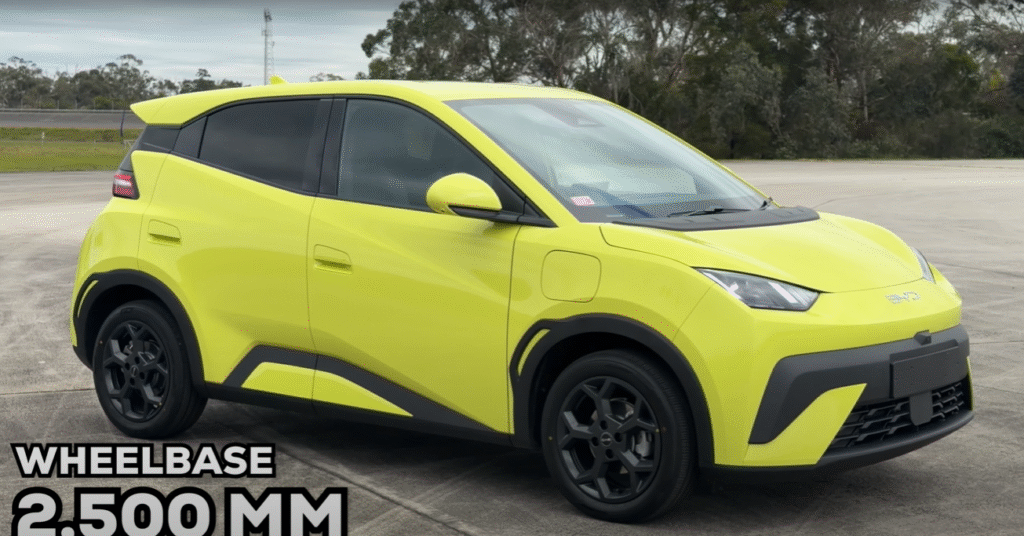
Then delivery came 2.5 months later — and reality hit.
The Real On-Road Price
BYD ATTO 1 Premium (the one you should buy):
- Base price: $27,990
- On-road costs (VIC): Add another $3,234
- Total driveaway: $31,224
For context, you can buy:
- MG4 (used demo, 11km): ~$31,000 — bigger 51kWh battery, more range, more practical
- GUZ J5 EV: $36,000 — 50% bigger battery, 30% more range, double the charge speeds
- Jeep Avenger (coming): Sub-$40k — better build quality, established service network
Why Did Prices Go Up?
My theory? BYD saw the tsunami of pre-orders and realized they could charge more. When you’re the only game in town at this price point, why leave money on the table?
The problem is: this car isn’t worth $31,224.
At $25k driveaway? Absolutely. At $31k? You’re competing with genuinely better options.
Why I’m Already Falling Out of Love
I said I loved this car in my first review. I was excited. I was optimistic. I was wrong.
Three weeks of daily driving has revealed the cracks that a weekend test drive never will. And I need to be honest with you: there are a LOT of things that genuinely suck about this car.
What changed?
- The novelty wore off
- Real-world efficiency destroyed my expectations
- Hidden costs emerged (insurance, we’ll get to that)
- Living with the compromises became exhausting
- BYD’s service network revealed its limitations
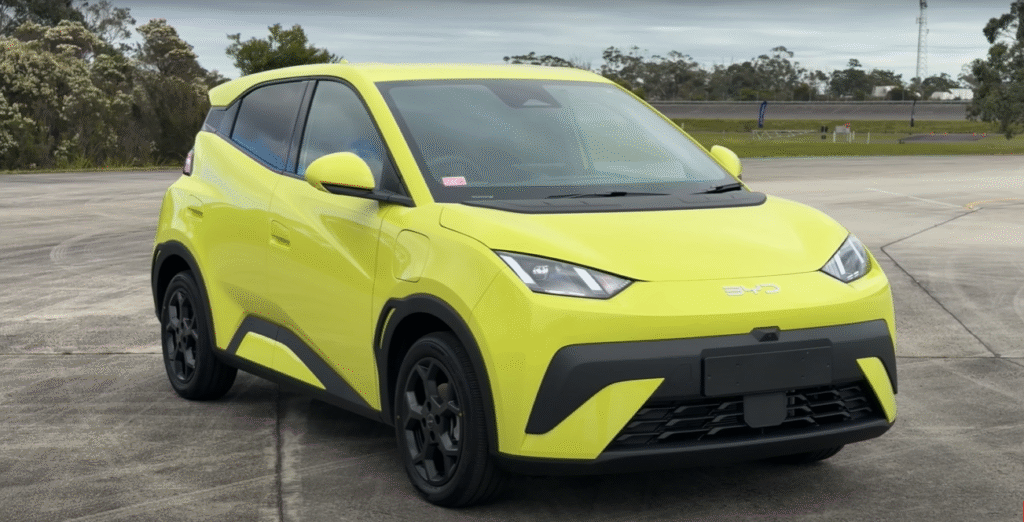
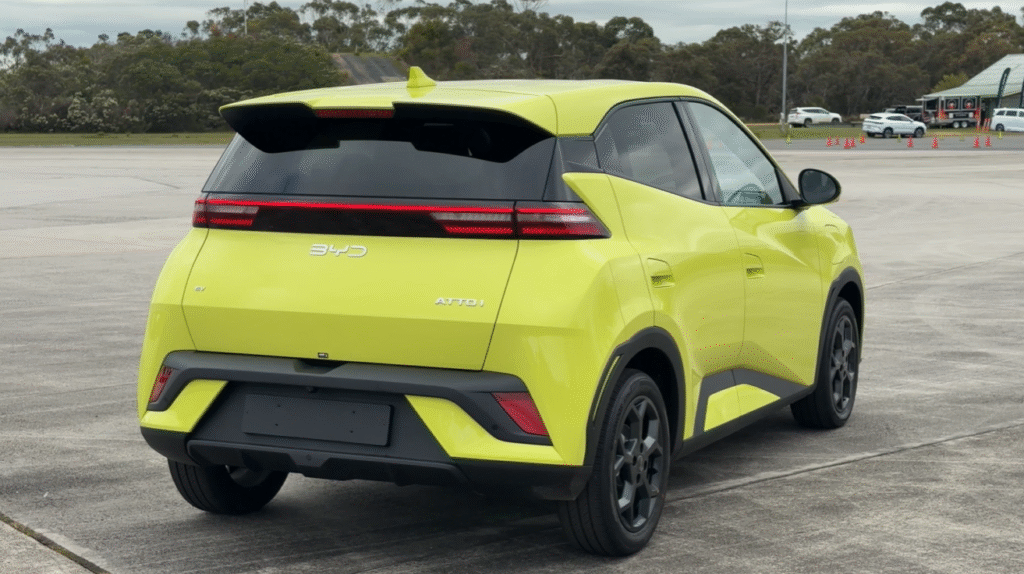
Let me be clear: this car looks absolutely stunning. The design is genuinely Lamborghini Aventador-inspired, and it turns heads everywhere I go. If I’d bought this purely for looks? I’d still love it.
But I bought it to be my daily driver. And that’s where the problems start.
The Interior Problems That Will Drive You Mad
The Dust That Wouldn’t Die
When I picked up my ATTO 1 from the dealer, my mate Jacob looked at the center console and asked: “Is this car moldy?”
It wasn’t mold. It was dust. Everywhere. The entire center console area was covered in it. They literally didn’t clean the car before handing me the keys.
Now, you might think: “Matt, just clean it yourself. Stop whining.”
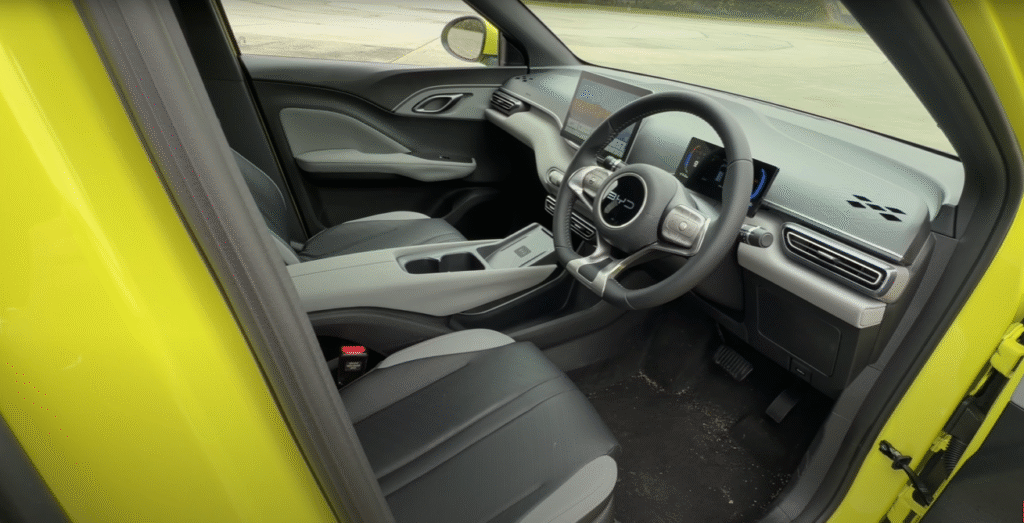
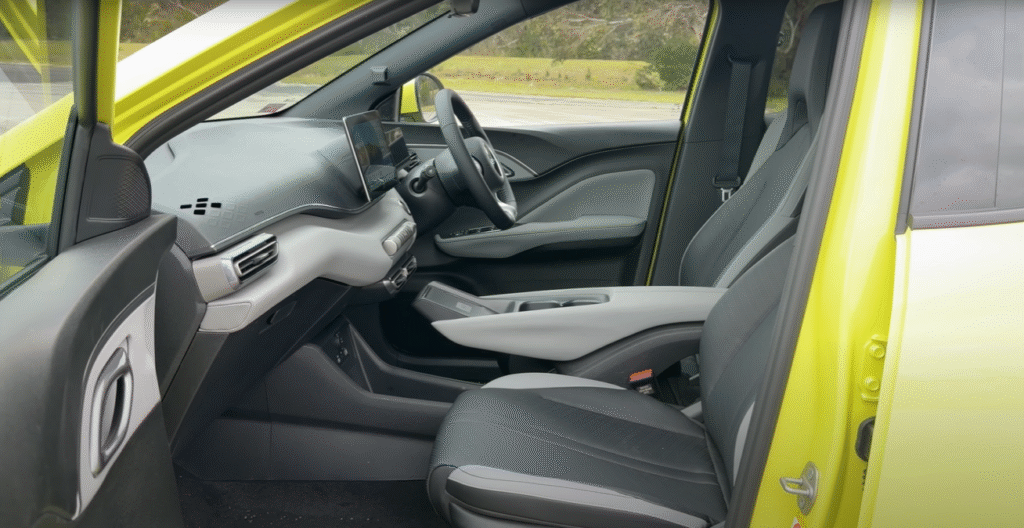
Fair enough. But here’s the thing — this isn’t just about dust. It’s indicative of a larger BYD problem:
- Sloppy pre-delivery inspections
- Rushed customer handovers
- A brand scaling too fast to maintain quality control
If they can’t be bothered to wipe down a $31,000 car before delivery, what else are they cutting corners on?
The Seats Are Uncomfortable on Long Drives
The seats look fine. They feel fine… for about 30 minutes. Then the problems start:
Issue #1: Leg angle is wrong. Your thighs sit too low, creating a lack of support under your legs. After 2–3 hours of driving, my legs genuinely ache.
Issue #2: Non-breathable fabric. BYD uses faux leather (vinyl). On hot days in Melbourne (and we’ll talk more about hot days), these seats become sweat magnets. You’ll arrive at your destination with a damp back.
The Wireless Charger Is Useless
See that wireless charging pad in the center console? It doesn’t work.
I have an iPhone 17 Pro Max. I’ve placed it on that pad dozens of times. Not once has it charged even 1%.
Why? Because it gets too hot. There’s no active cooling for the wireless charger. It just heats your phone until the iPhone safety feature kicks in and stops charging.
It’s essentially a battery warmer for your phone. Completely useless.
The Display Has Issues Already
The 10.1-inch infotainment screen is fine… when it works. But I’m already experiencing:
- Spotify won’t log in — I get repeated errors
- Navigation glitches — the maps freeze or display incorrect routes
- Slow response times — the touchscreen lags frequently
BYD’s response? “It’s a new car, software updates will fix it.”
Maybe. But I shouldn’t be dealing with this on a brand-new vehicle.
The Sound System Is Genuinely Awful
This car has four speakers: two speakers + two tweeters.
They are really, really bad.
The Audio Quality Problem
I’ve tried to fix this with EQ tuning. I created the biggest V-curve you’ve ever seen — bass cranked up, treble cranked up, trying to make something listenable.
Result? It sounds… just okay.
At highway speeds (80+ km/h), you’re fighting so much wind noise and road noise that even at max volume, you can barely hear your music clearly.
The Real Issue: NVH (Noise, Vibration, Harshness)
This is where cheap underpinnings show their face.
At speeds above 80 km/h, the ATTO 1 sounds like there’s a hollow tube behind the dashboard with air rushing into it. It’s a constant, high-pitched whooshing that’s genuinely ear-piercing.
I found myself wanting to plug my ears. It’s that bad.
The Torsion Beam Suspension Problem
Look under your ATTO 1. You’ll see one of the cheapest torsion beam suspension setups you can find on any modern car.
Torsion beams are fine — the Mazda 3 uses one. But BYD’s implementation is terrible. You get:
- Sub-bass frequencies that create pressure in your ears
- Constant low-frequency rumble that you feel more than hear
- A sensation of being inside a bass drum
It’s exhausting on long drives.
Battery Reality vs Marketing Claims
This is the big one. Pay attention.
The Two Battery Options
BYD ATTO 1 Essential:
- 30kWh LFP battery
- 220km WLTP range
- 65kW/175Nm power
- 11.1 seconds 0–100km/h
BYD ATTO 1 Premium (what I bought):
- 43.2kWh LFP battery
- 310km WLTP range
- 115kW/220Nm power
- 9.1 seconds 0–100km/h (I got under 8 seconds)
The Efficiency Claims
BYD claims 16kWh per 100km efficiency.
And you know what? Around town, it’s actually true. In suburban Melbourne driving, I’m averaging 13kWh per 100km. That’s genuinely good.
At that rate, I can get about 350km of range in pure city driving.
But here’s the catch:
Real-World Highway Efficiency Is Terrible
On the freeway at 100 km/h, my efficiency drops to 18–20 kWh per 100km.
That gives me a real-world highway range of ~200km.
That’s it. Two hundred kilometers.
Why does this matter?
Because 200km isn’t enough to do basic day trips in Victoria.
- Melbourne to Dalesford: Can’t do it in one charge
- Melbourne to Mornington Peninsula: Borderline
- Melbourne to Ballarat: You’ll be sweating on the way back
And before you say “just use public charging,” hold that thought — we’re getting there.
The Temperature Problem
Efficiency gets worse in extreme temperatures:
- Hot days (32°C+): Efficiency drops to 20+ kWh/100km
- Cold days (below 10°C): Efficiency drops even more (no heat pump)
In summer or winter, you’re looking at real-world range closer to 180km on the highway.
That’s appalling for a 2026 EV.
The HVAC System Is Primitive (And It Matters)
Here’s something most reviewers gloss over: how your ATTO 1 cools its battery.
Most modern EVs use a closed-loop liquid cooling system for the battery. It’s efficient, reliable, and doesn’t rob you of cabin comfort.
The ATTO 1? It uses your air conditioning to cool the battery.
How It Works (Badly)
When you turn on the manual air conditioning (yes, manual — no climate control), part of that AC is routed through cold plates on your battery pack.
This is extremely primitive battery thermal management.
Why This Is a Problem
On hot days (32°C+), here’s what happens:
- You turn on the AC to cool yourself
- The car diverts AC power to cool the battery
- Your cabin doesn’t cool properly
- You’re sitting in a hot car, sweating
- Meanwhile, efficiency is tanking because AC usage is sky-high
It’s a lose-lose situation.
The Winter Problem: No Heat Pump
In cold weather, EVs without heat pumps suffer massive efficiency losses.
Why? Because resistive heating (what the ATTO 1 uses) is incredibly inefficient.
Heating the cabin in winter will drain your battery faster than almost anything else you can do.
Expected real-world winter range on the highway? ~150km.
That’s half the claimed WLTP range.
Hot Weather = Your Worst Nightmare
I live in Melbourne. We get hot days. Not Brisbane hot, but 32–38°C days are common in summer.
The ATTO 1 is miserable in hot weather.
The Cabin Cooling Problem
Because the AC system is being shared between you and the battery, on days above 35°C:
- The cabin struggles to cool down
- You’re uncomfortable and sweating
- The vinyl seats become sticky
- The whole experience is just… bad
The Efficiency Death Spiral
On a 35°C day:
- AC runs constantly (draining battery)
- Battery gets hot (requires more AC cooling)
- More AC usage = more battery drain
- Range plummets
I’ve seen efficiency hit 22–24 kWh/100km on scorching days. That’s a real-world range of ~150km if you’re lucky.
At that point, you’re not driving an EV. You’re driving a very expensive golf cart.
Real-World Range: The Shocking Truth
Let’s consolidate everything we’ve talked about into real numbers.
Real-World Range Scenarios (BYD ATTO 1 Premium, 43.2kWh battery)
| Driving Scenario | Efficiency | Real Range |
|---|---|---|
| City driving (best case) | 13 kWh/100km | ~330km |
| Mixed driving | 16 kWh/100km | ~270km |
| Highway (100 km/h, mild day) | 18–20 kWh/100km | ~200km |
| Highway (hot day, 32°C+) | 20–22 kWh/100km | ~180km |
| Highway (cold day, <10°C) | 22–24 kWh/100km | ~160km |
| Highway (very hot, 38°C+) | 24+ kWh/100km | ~150km |
What This Means in Practice
You cannot reliably do day trips in Victoria with this car.
Even a simple Melbourne → Ballarat → Melbourne trip (220km round trip) becomes stressful if:
- It’s a hot day
- You use the AC
- You’re driving at highway speeds
You’ll arrive home with 10–15% battery remaining. No buffer. No safety margin.
Public Charging in Australia Is Still Terrible
“Just charge at a public fast charger!” everyone says.
I’ve tried. Five times. Here’s what happened:
My Public Charging Record
- Charger 1: Broken. Wouldn’t initiate charging.
- Charger 2: Broken. Error message on screen.
- Charger 3: Working, but four cars ahead of me in line. Wait time: 2+ hours.
- Charger 4: Working, but three cars in line. Left.
- Charger 5: Worked perfectly!
Success rate: 20%.
The Melbourne Public Charging Reality
In Melbourne’s inner east (where I live), the public charging network is:
- Sparse — limited charger locations
- Unreliable — many are broken or poorly maintained
- Busy — wait times are common on weekends
- Slow — many “fast” chargers are only 50kW
BYD ATTO 1 Charging Speeds
- AC charging (11kW): 3.5 hours (0–100%)
- DC fast charging (85kW max): 30 minutes (10–80%)
That 85kW max DC charging sounds okay, but:
- You only hit that speed in the initial phase
- Real-world charging tapers quickly
- You’re realistically looking at 40–50 minutes for a useful charge
If you live in a house with a home charger? Fine.
If you’re relying on public charging? Good luck.
Insurance Costs Will Shock You
This is the part that genuinely made me question my purchase.
My Insurance Costs
Coverage: Comprehensive insurance, limited use (4 days/week)
Annual premium: $2,400
That’s 10% of the car’s value. Every. Single. Year.
For context:
- I have a multi-car policy discount
- I’m not a young driver (no age penalty)
- I have a clean driving record
And it’s still $2,400/year for limited use.
Why Is EV Insurance So Expensive?
According to Drive’s 2024 findings, EV insurance costs an extra $661 annually on average compared to ICE vehicles. The reasons:
- Higher repair costs: EVs have specialized parts and fewer qualified mechanics
- Battery replacement risk: If the battery is damaged, it’s often a total loss
- Limited insurer experience: Many insurers are still figuring out EV risk
- Higher vehicle values: EVs tend to cost more than ICE equivalents
The 5-Year Cost Reality
Let’s do the math over 5 years:
- Purchase price: $31,224
- Insurance (5 years): $12,000
- Total: $43,224
That insurance cost adds nearly 40% to your total ownership cost over 5 years.
BYD Service Wait Times Are Nightmarish
Here’s something nobody told me before I bought: BYD’s service network in Australia is overwhelmed.
My Service Booking Experience
I called to book a service at my local BYD dealer.
Wait time: 1–2 months.
For a basic service.
The Warranty Problem
I already have parts I want to warranty:
- The infotainment screen issues
- The wind noise from the dashboard
- Potentially the wireless charger
I don’t even want to know how long warranty claims will take.
BYD owner forums are filled with nightmare stories:
- 3–6 month wait times for parts
- Dealers refusing warranty claims
- Poor communication from BYD Australia
- Cars sitting at dealers for weeks
The Service Network Problem
BYD has grown faster than their service infrastructure can handle. They have:
- Too few service centers
- Insufficient technician training
- Parts supply chain issues
- Overwhelmed customer service teams
And the problem isn’t getting better — it’s getting worse as more ATTO 1s, ATTO 2s, and ATTO 3s hit Australian roads.
The Warranty Isn’t Industry-Leading (Despite Claims)
BYD Australia markets their warranty as competitive. Let’s look at the reality.
BYD ATTO 1 Warranty
- Vehicle warranty: 6 years / 150,000km
- Battery warranty: 8 years / 160,000km
Sounds good, right?
Industry Comparison
| Brand | Vehicle Warranty | Battery Warranty |
|---|---|---|
| BYD | 6 years / 150,000km | 8 years / 160,000km |
| MG | 7 years / unlimited km | 7 years / 175,000km |
| Nissan (Leaf) | 5 years / unlimited km | 8 years / 160,000km |
| Mitsubishi | 10 years / 200,000km | 10 years / 200,000km |
| Tesla | 4 years / 80,000km | 8 years / 192,000km |
| Hyundai | 5 years / unlimited km | 8 years / 160,000km |
MG gives you 7 years unlimited. Mitsubishi gives you 10 years. BYD’s warranty is competitive, but it’s not industry-leading.
And remember: a warranty is only as good as the service network backing it up.
Essential vs Premium: Why You MUST Buy Premium
Let me scream this from the rooftops:
DO NOT BUY THE ESSENTIAL. BUY THE PREMIUM.
Why the Essential Is a Terrible Idea
The Essential ($23,990 + ORCs) has:
- 30kWh battery (vs 43.2kWh in Premium)
- 220km WLTP range (vs 310km)
- 65kW power (vs 115kW)
- 11.1 second 0–100 (vs 9.1 seconds)
The Real-World Essential Range
If the Premium gets ~200km real-world highway range, the Essential gets ~120–140km.
That’s unusable for anything beyond city commuting.
The Resale Value Disaster
In 3–5 years, when you try to sell your Essential ATTO 1 with 120km real-world range, nobody will want it.
Battery technology will have improved. New EVs will offer 400+ km for the same price. Your 120km Essential will be worth peanuts.
The Premium Is The Only Option
Yes, it costs $4,000 more. But you get:
- 45% more battery capacity
- 40% more real-world range
- 77% more power
- Actually usable for day trips
If you can’t afford the Premium, don’t buy an ATTO 1. Buy a used MG4 or wait for the GUZ J2 EV.
Better Alternatives at This Price Point
Here’s what genuinely hurts: there ARE better options at this price.
Option 1: MG4 (Used Demo)
- Price: ~$31,000 (similar to ATTO 1 Premium)
- Battery: 51kWh (20% bigger than ATTO 1)
- Range: ~300km real-world highway
- Condition: Demo model with 11km on the clock (basically new)
- Why it’s better: More practical, better range, established service network
Option 2: GUZ J5 EV
- Price: ~$36,000 (+$5,000 more than ATTO 1)
- Battery: 64kWh (50% bigger)
- Range: ~400km real-world
- Charging: Up to 140kW DC (vs 85kW on ATTO 1)
- Power: 150kW (vs 115kW)
- Why it’s better: More range, faster charging, more powerful, only slightly more expensive
Option 3: Wait for the Jeep Avenger EV
- Expected price: Sub-$40,000
- Benefits: Established brand, better service network, European build quality
- Launch: Coming soon to Australia
Option 4: Leapmotor B10
- Price: $38,990 driveaway
- Battery: Similar capacity to ATTO 1
- Why it’s competitive: Chinese EV with better specs and established European partnerships
Who Should Actually Buy This Car
Despite everything I’ve said, the ATTO 1 is right for some people.
✅ You Should Buy the ATTO 1 Premium If:
1. You live in a big city and only drive locally
- Your daily commute is under 50km round trip
- You rarely leave the city
- You have home charging
2. You want a second car
- This is not your primary vehicle
- You use it for short errands, school runs, local trips
- You have another car for long-distance travel
3. You love the design and understand the compromises
- The Lamborghini-inspired looks are worth it to you
- You’re okay with limited range
- You’re prepared for service wait times
4. You have realistic expectations
- You accept this is a ~200km highway car
- You understand hot/cold weather impacts
- You’re not expecting premium build quality
❌ You Should NOT Buy the ATTO 1 If:
1. This will be your only car
- You need versatility and reliability
- You do regular road trips
- You need confidence in any weather
2. You live in regional Australia
- Public charging infrastructure is limited
- Longer distances are the norm
- BYD service centers are far away
3. You need worry-free ownership
- You don’t want to think about range constantly
- You expect premium service experiences
- You want industry-leading warranty coverage
4. You drive regularly on highways
- Your daily commute includes freeway driving
- You do weekend trips to regional areas
- You need reliable 250+ km range
Would I Buy It Again? The Honest Answer
No.
Knowing what I know now, I would not buy the BYD ATTO 1 again.
Why?
It doesn’t suit my needs. And I suspect it won’t suit most Australian buyers either.
If I could go back:
- I’d spend the extra $5,000 and buy a GUZ J5 EV
- Or I’d buy a used MG4 demo for the same price
- Or I’d wait for the Jeep Avenger or other incoming affordable EVs
What About You?
If you:
- Live in Shanghai or Beijing (where this was designed)
- Only drive 20–30km/day
- Have reliable home charging
- Never leave the city
Then yes, this car makes sense.
But Australia is a massive country. We drive longer distances. We have extreme heat. Our public charging network is years behind Europe and Asia.
The ATTO 1 wasn’t built for Australia. It was adapted for Australia. And it shows.
City driving: ~330km. Highway (100 km/h, mild weather): ~200km. Highway (hot/cold weather): ~150–180km. The Essential model has even worse range — expect 120–140km highway in real-world conditions.
Final Verdict: The Uncomfortable Truth
The BYD ATTO 1 is a flawed car that only works for a very specific buyer profile.
If you:
- Only drive locally in cities
- Have home charging
- This is a second car
- You love the design
Then go for it. You’ll probably be happy.
But if you need a versatile, reliable daily driver that can handle Australian driving conditions — heat, distance, highway speeds — this isn’t it.
My Recommendation
Skip the ATTO 1 and buy:
- GUZ J5 EV (+$5,000 more, 50% more range, double the charge speed)
- Used MG4 demo (Same price, 20% bigger battery, better practicality)
- Wait for incoming budget EVs (Jeep Avenger, GUZ J2 EV)
Australia deserves EVs built for Australian conditions — long distances, extreme heat, sparse charging networks.
The ATTO 1 is a Chinese city car adapted for Australia. And unfortunately, it shows.
Vehicle Tested: 2026 BYD ATTO 1 Premium
Purchase Price: $31,224 driveaway (VIC)
Ownership Duration: 3 weeks
Would I Recommend It? No, not for most Australians