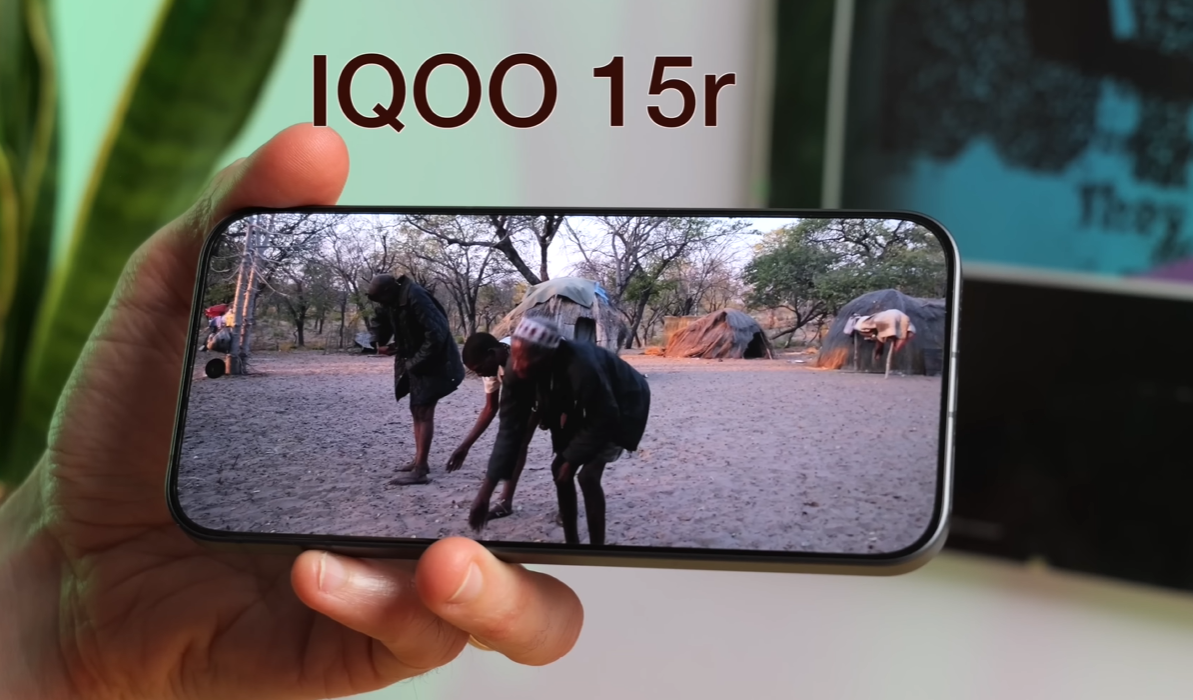
Quick Verdict: The iQOO 15R is a well-rounded flagship-killer with insane battery life, a fantastic display, and solid cameras — but its OriginOS 6 software holds it back from being the undisputed king at ₹45,000. If you can live with the software quirks, this is one of the best value buys of 2026.
How We Tested This Phone
Let me be upfront about something most review sites skip — how the testing actually happened.
Our team spent the first 40 days running structured tests on the iQOO 15R: gaming benchmarks, camera comparisons, charging cycles, and day-to-day multitasking. Then, for the final 10 days, I put my SIM card inside it and made it my only phone. Calls, navigation, photography, social media, YouTube, gaming — everything.
No shortcuts. No press-trip impressions. Just 50 days of honest, real-world use.
And before anything else — this is not a sponsored review. iQOO has zero influence over what you’re about to read.
Who Is the iQOO 15R For?
iQOO pitches the 15R as a performance-centric flagship killer — a phone that brings Snapdragon 8 Gen 5 firepower and a massive battery at a price that doesn’t empty your wallet. In 2026, the flagship killer category has officially moved north of ₹45,000, and the iQOO 15R sits right at ₹44,998 for the base 8GB + 256GB variant, going up to ₹55,998 for the 12GB + 512GB top trim.
It targets gamers, power users, and anyone who wants flagship internals without paying flagship prices.
Does it actually deliver? Let’s find out — category by category, no fluff.
Build Quality & Design — Tough as Nails, But That Checkerboard…
The iQOO 15R comes with a glass back, flat aluminium frame, and is available in two colours: Titanium Silver and Dark Night.
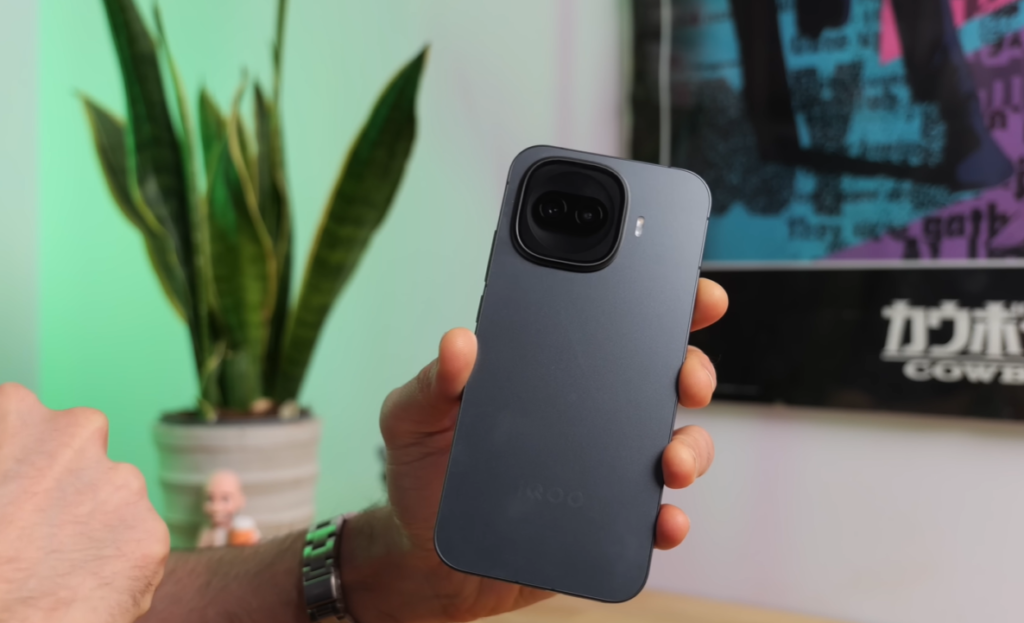
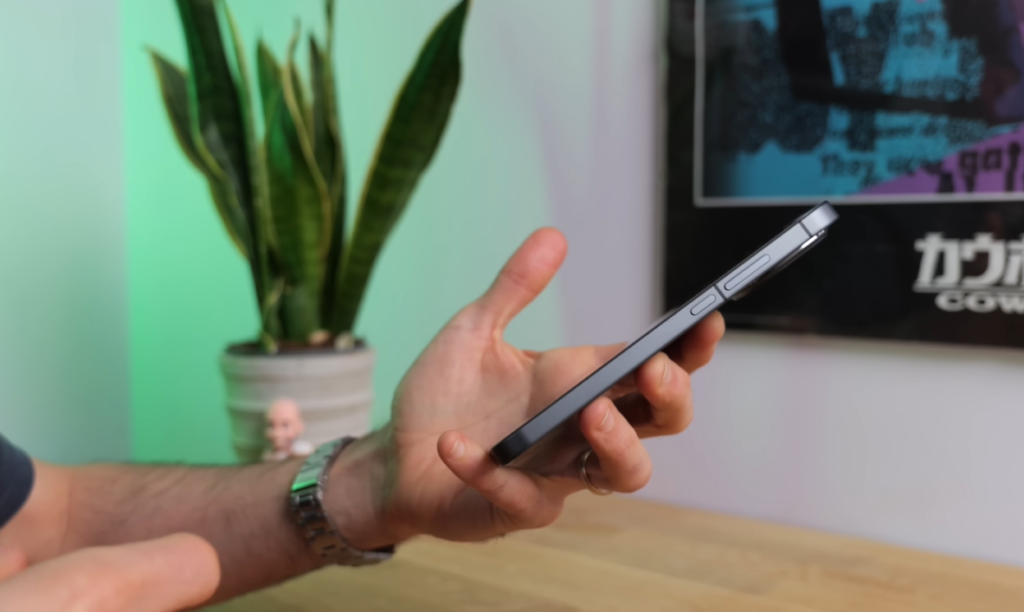
The Titanium Silver variant (the one I tested) has a very bold checkerboard pattern on the back — think chess board meets racing livery. Honest opinion? It’s not my thing. It’s a polarising design choice. Some people will love the aggression; others will find it excessive. If you’re on the fence, go Dark Night — it’s cleaner, slicker, and in my opinion, a far better-looking phone.
Here’s how the two variants compare physically:
| Colour | Thickness | Weight |
|---|---|---|
| Titanium Silver | 8.1 mm | 206 g |
| Dark Night | 7.9 mm | 202 g |
The Dark Night is slightly thinner and lighter — likely due to a different back panel material. Either way, both variants feel well-balanced in hand.
The Drop Test That Shocked Me
I can quote IP ratings all day, but here’s something more useful — what actually happened to this phone in my hands.
I was on my scooter, wearing my track gear, phone in my pocket. It slipped out and slammed face-down onto concrete. A full, flat drop on a hard surface.
My immediate thought: “The display is done.”
I picked it up — completely fine. Not a single crack. No cover on it either.
Now, full transparency: the display face didn’t take a direct hit from a sharp stone, so luck was involved. But in years of reviewing and recommending phones, iQOO and Vivo devices have consistently been among the most durable I’ve seen. This drop just confirmed it firsthand.
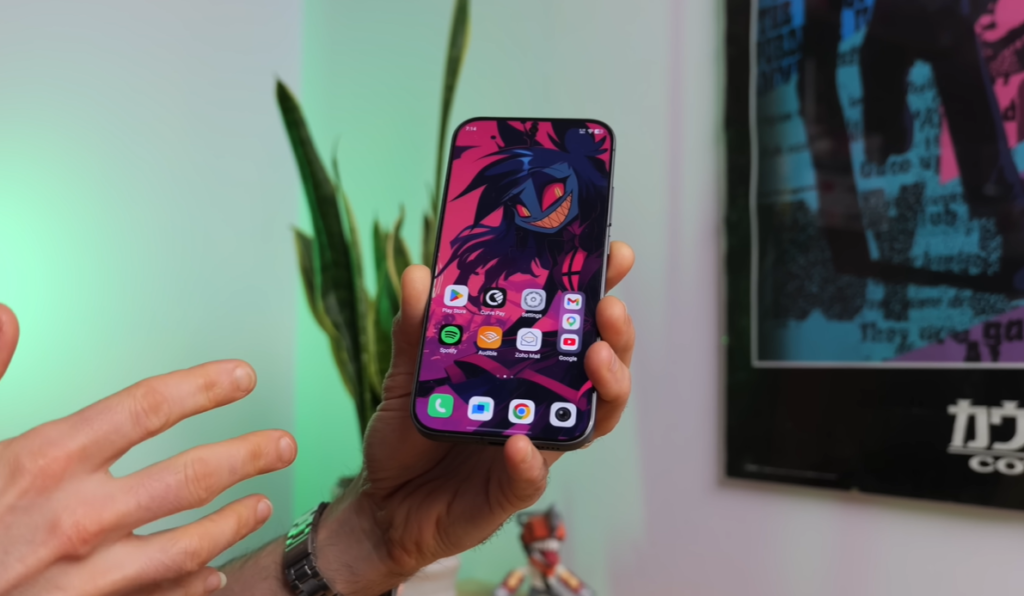
Beyond durability, the ergonomics are genuinely excellent. Despite the 6.59-inch screen, the thin bezels make this phone feel surprisingly compact. One-handed use is comfortable. iQOO has done smart work here.
Display — Flagship Quality, No Compromise
Specs:
- 6.59-inch AMOLED, 1.5K Resolution
- 144Hz Refresh Rate
- 360Hz Touch Sampling Rate
- 5,000 nits Peak Brightness
- 4320Hz PWM Dimming
- HDR10+ with Netflix HDR support
- Minimum brightness: 1 nit
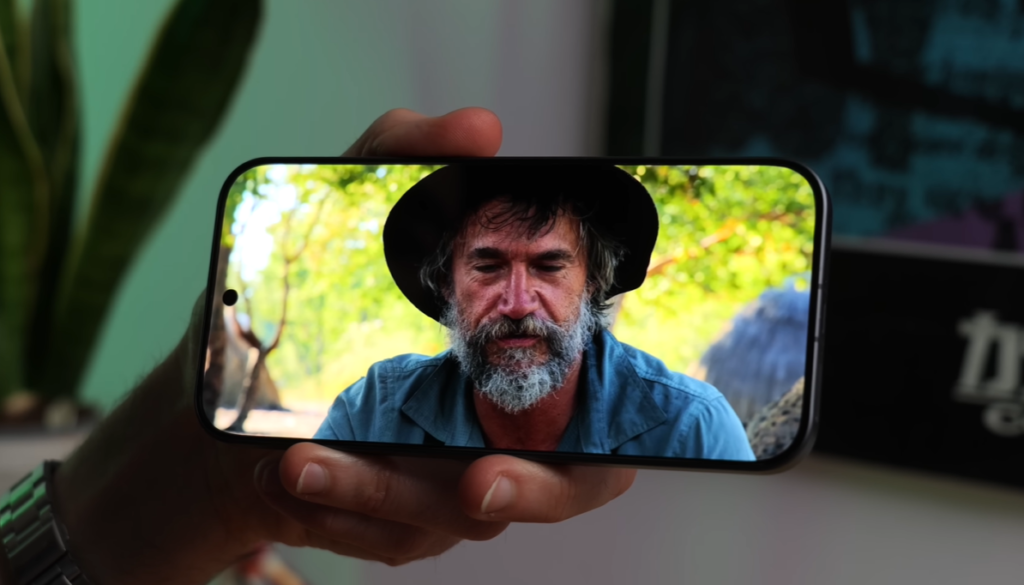
This is a top-tier display — full stop. The 5,000 nit peak brightness means outdoor visibility is never a problem. I used this phone under harsh summer sun and never once felt like I needed more brightness. It’s more than sufficient; it’s overkill in the best way.
On the other end, the 4320Hz PWM dimming paired with 1 nit minimum brightness means late-night scrolling won’t torture your eyes. This is genuinely eye-friendly, not just a marketing claim.
Colours are rich and accurate across all use cases — Netflix in HDR, heavy gaming, casual scrolling. The 144Hz smoothness combined with 360Hz touch responsiveness makes every interaction feel instant.
The only gripe: speaker loudness. Audio quality is decent, but I found myself repeatedly pressing the volume button even at maximum. If you’re a content binge-watcher without earphones, you’ll notice the low ceiling on loudness. Not a dealbreaker, but worth knowing.
Performance — Snapdragon 8 Gen 5 Does What It Promises
Under the hood: Snapdragon 8 Gen 5, paired with LPDDR5X RAM and UFS 4.1 storage. This is the same chipset inside the OnePlus 15R — as fast as it gets in this price segment.
iQOO also bundles their custom Q2 gaming chip, which works independently to manage frame delivery and thermals during heavy gaming sessions.
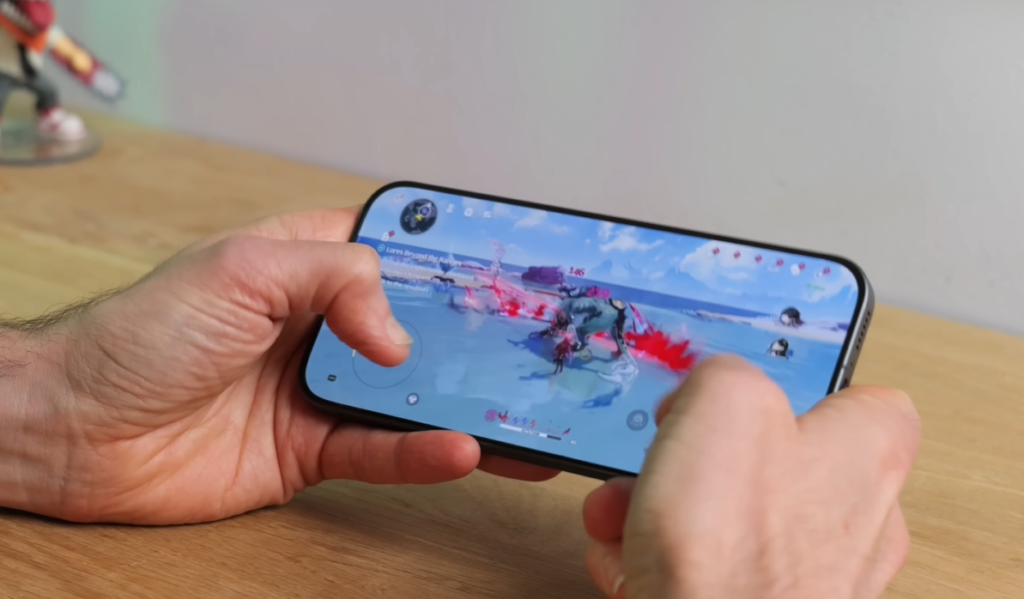
Gaming Performance (Real Numbers)
We played BGMI extensively — multiple maps, different modes, varying lobby sizes. Here’s what we actually recorded:
- Average FPS across sessions: 112 FPS
- FPS in intense 40+ player encounters: 100–120 FPS (minor drops, expected)
- FPS in Arena Training and Erangel standard lobbies: Consistently 116–120 FPS
The frame graph during active gameplay was essentially a flat line at 120 FPS. Dips only happened in lobby screens — standard for every phone. The gyroscope response was tight and lag-free, which matters for competitive players doing scope sensitivity adjustments.
Thermal management is also strong. The 6.5K IceCore VC Chamber cooling keeps the phone from getting uncomfortably hot even during extended sessions. Gaming features include:
- 144 FPS gaming mode support
- Bypass charging (play plugged in without battery degradation)
- 4D haptic gaming vibration
- Extra Wi-Fi antennas for stable network during gaming
Daily Performance
Snapdragon 8 Gen 5 in 2026 means one thing: everything is fast. App launches, multitasking, camera switching — buttery smooth. No lag, no stutter.
One thing to be aware of though — the RAM management is quite aggressive. Background apps get killed quickly to preserve battery life. This is why the battery life is so impressive (more on that next), but it also means apps you’ve left open will need to reload more often than on phones like the OnePlus 15R or Samsung flagships.
Battery Life — The Biggest Surprise of This Review
7,600 mAh battery. 100W FlashCharge.
I’m going to say this clearly: the iQOO 15R has one of the best battery lives I have ever tested in any phone at any price. I’m not exaggerating.
Here are my actual Screen-On Time (SOT) results:
- Session 1: 13 hours 40 minutes SOT
- Session 2: 15 hours 10 minutes SOT
Two days of usage on a single charge is genuinely achievable with moderate use. Even on a heavier day, you will comfortably reach end of day with charge to spare.
To put today’s numbers in perspective as I write this: I unplugged the phone in the morning, used it for 4 hours 25 minutes of screen-on time, and the battery is still at 83%. Many flagship phones would be at 40–50% by now.
The software’s aggressive background app management is a big reason for these numbers. Yes, it kills your apps faster than you’d like — but the trade-off is battery life that feels almost unfair to competing phones.
100W fast charging means even if you do drain it, a top-up is quick.
Cameras — Good Enough, But Know the Limits
Camera specs:
- 50MP Main — Sony LYT-700V sensor with OIS, 2x lossless zoom
- 8MP Ultra-Wide
- 32MP Front Camera
This is a gaming phone at heart, so no telephoto — and that’s expected. But here’s an honest breakdown of each lens:

Main Camera (50MP Sony LYT-700V)
This is the star of the camera system. Daylight shots are sharp, dynamic range is well-managed, and colours have that characteristic Vivo/iQOO processing look — punchy but not over-the-top. Low-light performance is better than you’d expect at this price. Portrait mode using the 2x crop is particularly good — subject separation is clean and background bokeh looks natural.
I had no major complaints about the main camera. It performs like a genuine mid-flagship shooter.
Ultra-Wide (8MP)
This is where expectations need to be managed. 8 megapixels is a limitation that shows up the moment light becomes even slightly challenging. In bright daylight, it’s acceptable — colours are decent and framing is wide enough. But in low light or overcast conditions, detail drops noticeably and sharpness suffers. It handles daytime casual shots fine, but don’t expect magic here.
Front Camera (32MP)
Solid. Selfies in daylight are detailed and flattering. HDR handling is good even in harsh backlit situations. The front camera also records in 4K 60fps — a feature that content creators and vloggers will appreciate. You can also go as wide as 0.8x on the front camera, which is great for group shots.
Video
The main camera shoots 4K at 60fps with good stabilisation. Switching between focal lengths mid-video works well. The ultra-wide is limited to 1080p 30fps, which is a genuine limitation for video creators.
Camera verdict: Great main camera, average ultra-wide, solid selfie shooter. If cameras are your top priority, look elsewhere. If you want a capable all-rounder that also happens to be a great gaming phone, the camera system here is more than adequate.
Software — OriginOS 6: Feature-Rich, Not Perfectly Polished
The iQOO 15R runs OriginOS 6, and here’s my honest take — it’s the most improved version of iQOO’s software yet, but it still doesn’t match the smoothness of OxygenOS or Samsung’s One UI.
The good news: compared to old FuntouchOS days, this is a completely different (better) experience. OriginOS 6 brings:
- OriginOS Smooth Engine for improved animation fluidity
- Origin Island — a dynamic notification/widget area (their version of Dynamic Island)
- PC Connectivity via Vivo Office Kit — screen mirroring and file transfer directly from your PC
- 4 years of Android OS updates + 6 years of security patches
- iQOO’s claim of smooth performance for up to 5 years
The Software Issues
Bloatware: There are a handful of pre-installed apps you didn’t ask for. The V-AppStore and default browser also cannot be disabled — you can only turn off their notifications by manually going into App Info. It’s a minor but real annoyance. Uninstall what you can; mute the rest.
Android Auto bug: Every time I connected this phone to my car via USB for Android Auto, music played correctly — but phone calls came through the phone speaker instead of the car. I had to disconnect, connect via Bluetooth first, then reconnect via USB to fix it. This issue appeared consistently, only with iQOO and Vivo phones. It’s likely a software bug that iQOO needs to patch.
Data transfer warning: When I first switched to this phone and transferred data from my previous device using iQOO’s built-in Clone Phone app, the phone became extremely buggy for the first 3 days. Crashes, glitches, weird behaviour. I almost wrote the phone off. Then I factory reset it, set it up fresh — and every single bug vanished. If you’re switching to this phone, set it up fresh rather than using the clone transfer method until this is fixed.
Fingerprint & Face Unlock
The ultrasonic in-display fingerprint scanner is fast and accurate — touch it and the phone is open almost instantly. Face unlock is equally snappy. No complaints here at all.
Connectivity
- Wi-Fi 7
- Bluetooth 6.0
- 5G SA/NSA
- USB Type-C 2.0 (note: it’s USB 2.0, not 3.x — no high-speed file transfer or display output)
- GPS: All major systems supported
- IR Blaster (built into the camera module)
The USB 2.0 limitation is worth flagging — it won’t matter for most users, but if you transfer large files to a PC frequently, it’s slower than what competitors offer.
iQOO 15R vs OnePlus 15R — How Do They Compare?
Since both phones share the Snapdragon 8 Gen 5 chip and sit at similar price points, this comparison is inevitable. Here’s the honest breakdown:
| Factor | iQOO 15R | OnePlus 15R |
|---|---|---|
| Software | OriginOS 6 | OxygenOS (smoother) |
| Gaming | Excellent | Slightly better |
| Camera | Better overall | Average |
| Size/Comfort | More compact | Bigger, bulkier |
| Battery | 7,600 mAh beast | Good, not exceptional |
| Design | Bold, polarising | Cleaner |
Bottom line: OnePlus 15R wins on software smoothness and gaming edge. iQOO 15R wins on cameras, compactness, and battery life. Neither is objectively better — it depends on what you prioritise.
Final Verdict — Should You Buy the iQOO 15R?
After 50 days with this phone, here’s where I land:
Buy it if:
- You want Snapdragon 8 Gen 5 performance at under ₹45,000
- Battery life is a top priority (this phone is genuinely exceptional here)
- You want a compact-feeling big-screen phone with excellent durability
- You’re okay with OriginOS 6 and can handle some bloatware cleanup upfront
Skip it if:
- You want the cleanest, smoothest software experience (get the OnePlus 15R)
- Your car’s Android Auto setup is important to you (wait for the bug fix)
- You need a strong telephoto or ultra-wide camera system
My Rating:
| Category | Score |
|---|---|
| Build & Design | 8/10 |
| Display | 9/10 |
| Performance | 9/10 |
| Battery Life | 10/10 |
| Cameras | 7.5/10 |
| Software | 7/10 |
| Value for Money | 9/10 |
| Overall | 8.5/10 |
The iQOO 15R is not trying to be a camera phone. It’s not trying to be the smoothest software experience. It’s trying to be the phone that never dies, never slows down, and survives whatever you throw at it. On those terms — it absolutely delivers.
Recommended. With eyes open.
Tested by Reo R — 6+ years of hands-on tech and automotive reviewing. No brand bias, no sponsored opinions. Just real usage.
Have questions about the iQOO 15R? Drop them in the comments below.