ONE-LINE VERDICT
The Galaxy A37 is a well-built mid-ranger with a genuinely improved camera and better battery life than its predecessor — but it ships with a two-year-old chipset at nearly double the price of the phone it replaces, and Samsung’s own Galaxy A56 outdoes it at a lower price. It’s not a bad phone. It’s a badly positioned one.
RATING: 3.5 / 5
WHO SHOULD BUY THE GALAXY A37
Buy it if: You are loyal to Samsung’s software, want six years of OS updates, need IP68 water resistance under ₹35,000, and don’t care about benchmark numbers in daily use.
Skip it if: You want the best chipset performance at this price, care about fast charging, or are willing to spend ten minutes comparing alternatives. The A56 and several competitors beat it cleanly.
THE INFORMATION MOST REVIEWS MISS
Every review you’ve read about the Galaxy A37 covers the specs. Very few tell you the uncomfortable truth about why this phone exists and what it means for your money.
The Galaxy A37 uses the Exynos 1480 — the same chipset that debuted inside the Galaxy A55 in 2023. That was two years ago. You are buying a 2026-branded phone with 2023 processing power, and Samsung is charging a significant premium over the A36 it replaces to do it.
The second thing most reviews gloss over: Samsung’s own Galaxy A56 — a newer, better-specced phone — is available at a lower price than the A37. That is not a typo. The A37 is more expensive than a phone that beats it. This is the core problem with the Galaxy A37, and it frames everything else in this review.
Now let’s get into what testing actually revealed.
DESIGN AND BUILD — SOLID, BUT NOT SURPRISING
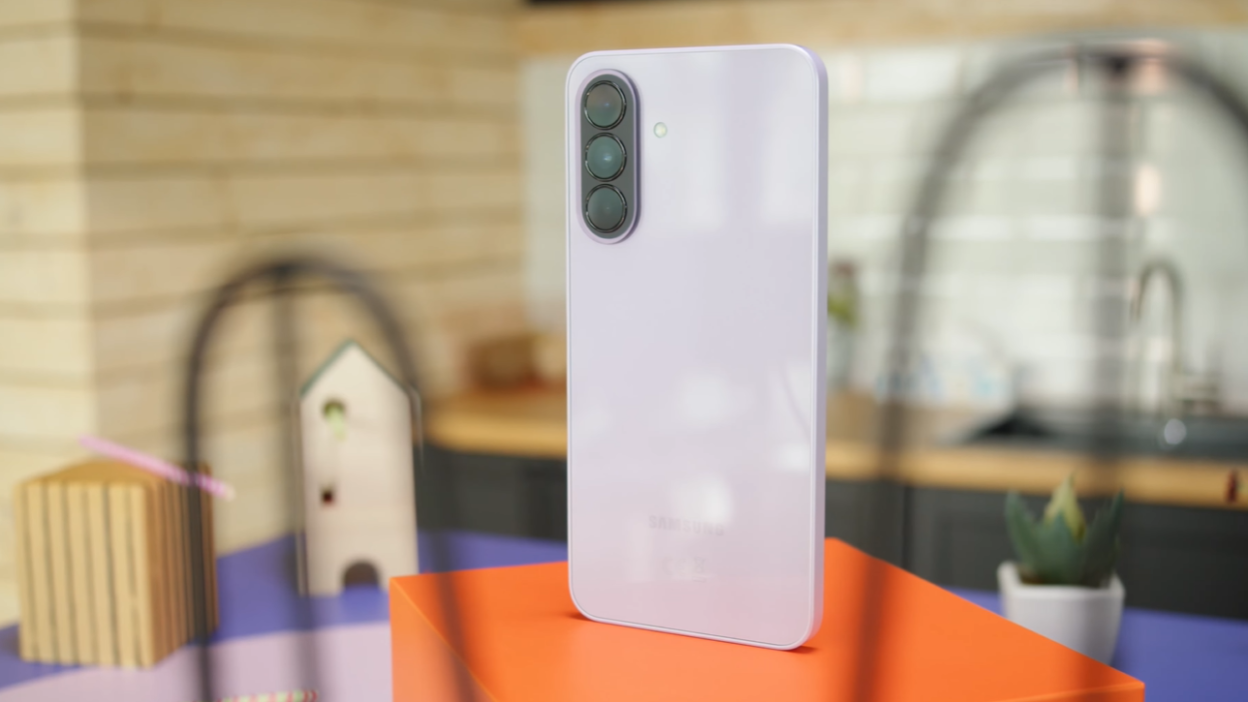
The Galaxy A37 is a clean, well-built phone. The combination of Gorilla Glass Victus Plus on both the front and back with a plastic frame is exactly what you expect in this segment — durable enough for everyday drops and scratches, light enough to carry all day without fatigue.
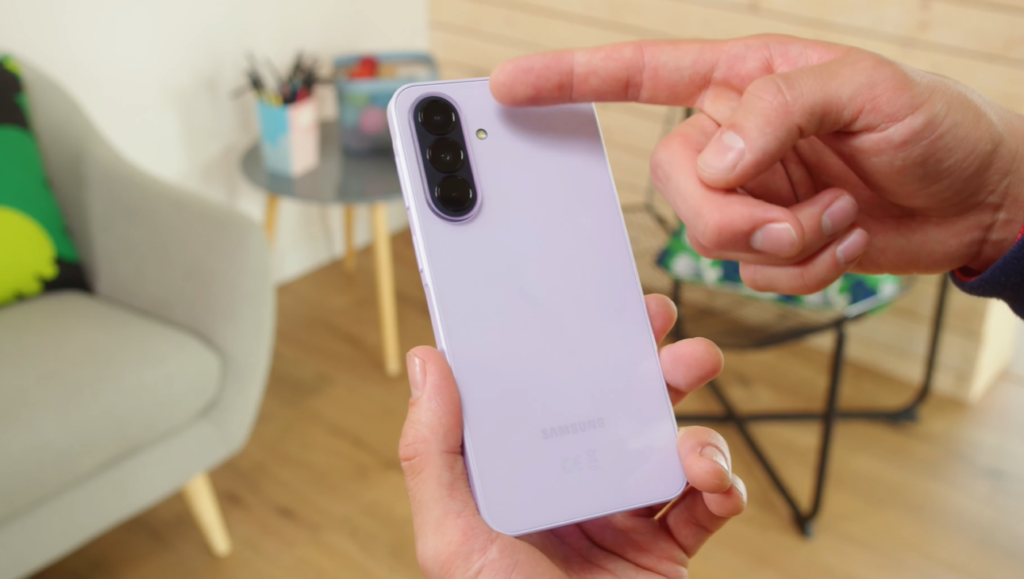
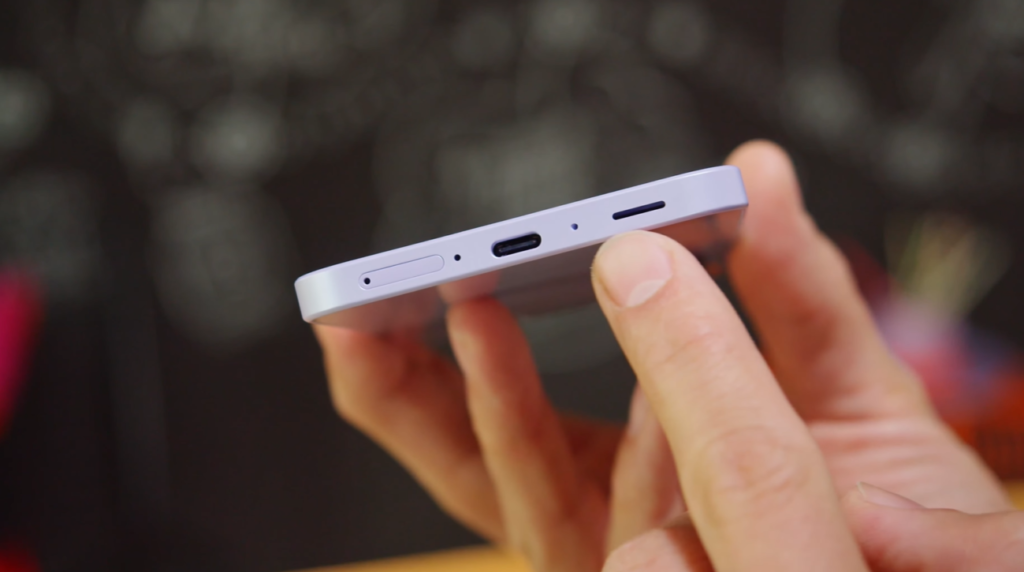
The most meaningful upgrade over the A36 is the water resistance rating. The jump from IP67 to IP68 means the A37 can handle deeper and longer submersion. In practical terms, this matters. IP68 means you can drop this phone in a pool, a sink, or a puddle and walk away unbothered. IP67 would probably have been fine too, but IP68 is genuinely better, not just a marketing talking point.
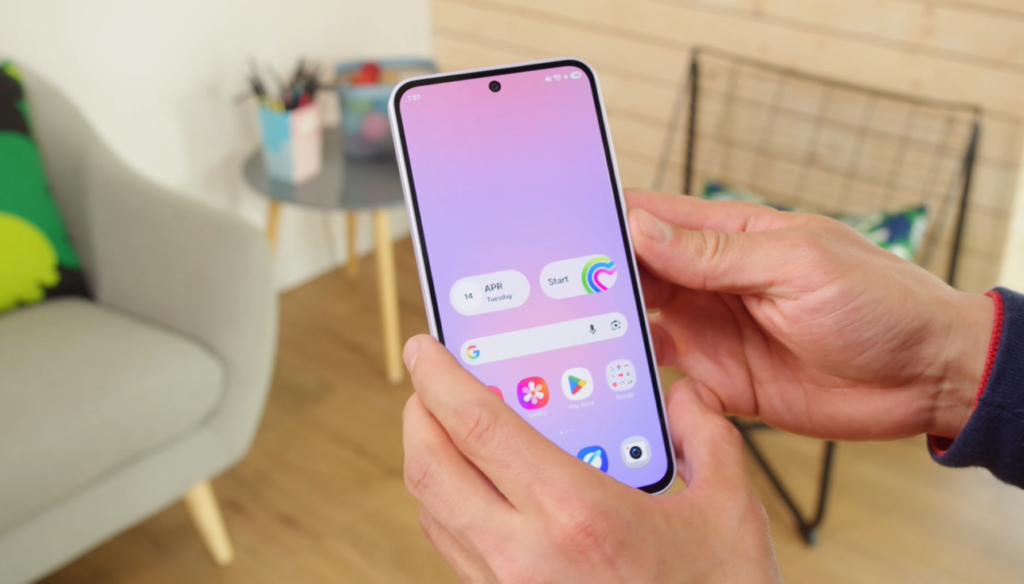
The bezels are noticeable and on the larger side for a 2026 phone. At this price, competitors are shipping slimmer bezels. It does not ruin the experience, but it is a visible reminder that this is not a premium product.
Samsung has made small cosmetic refinements to align the A37 visually with their newer lineup. If you have used a recent Samsung phone, the A37 will feel immediately familiar in the hand and the eye.
DISPLAY — GENUINELY ONE OF THE BEST THINGS ABOUT THIS PHONE
The 6.7-inch OLED panel running at 1080p and 120Hz is where the A37 quietly earns its keep. This screen is bright, smooth, and accurate.
The measured brightness numbers tell the real story: nearly 1,300 nits in automatic brightness mode, climbing above 1,900 nits when lighting up a smaller section of the screen for HDR-like highlights. In direct outdoor sunlight — something that destroys many mid-range screens — the A37 holds up well. You can read it, navigate it, and see photos without cupping your hands around the screen.
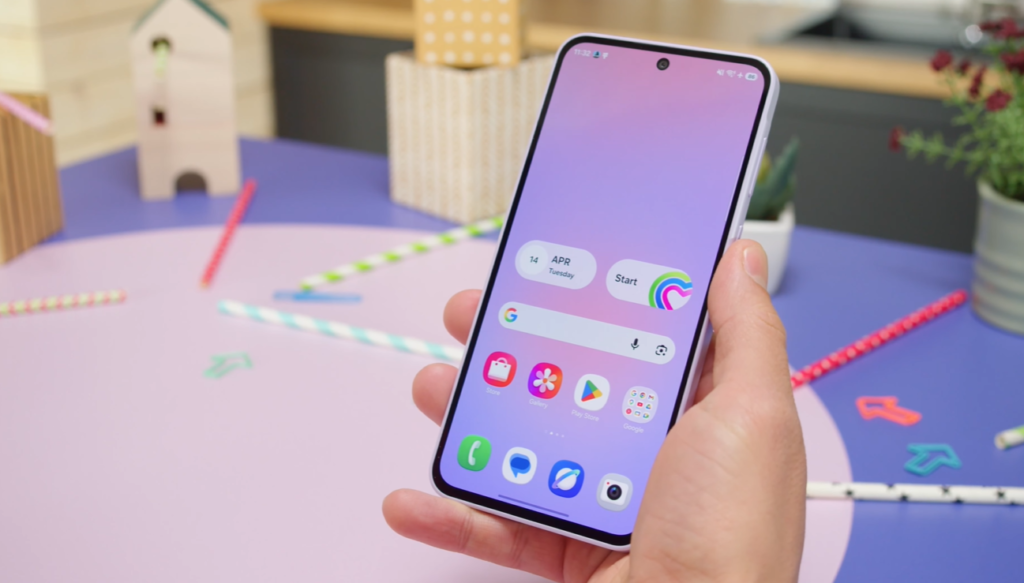
The 120Hz refresh rate makes scrolling feel buttery smooth and is one of the reasons daily use feels more fluid than the underlying chipset might suggest.
The one genuine gap: there is no official HDR video support. If you stream on Netflix, Disney+, or YouTube and HDR quality matters to you, you will not get it here. For most people in this segment, that is an acceptable trade-off. For video-first buyers, it is worth noting.
PERFORMANCE — THE AWKWARD TRUTH
Here is where the Galaxy A37 gets uncomfortable to recommend.
The Exynos 1480 is not a 2026 chipset. It first shipped inside the Galaxy A55, which launched in early 2024, based on a chip design that was already not cutting-edge at the time. Running it inside a 2026 phone priced at a premium is a choice Samsung made, and it is a choice you pay for.
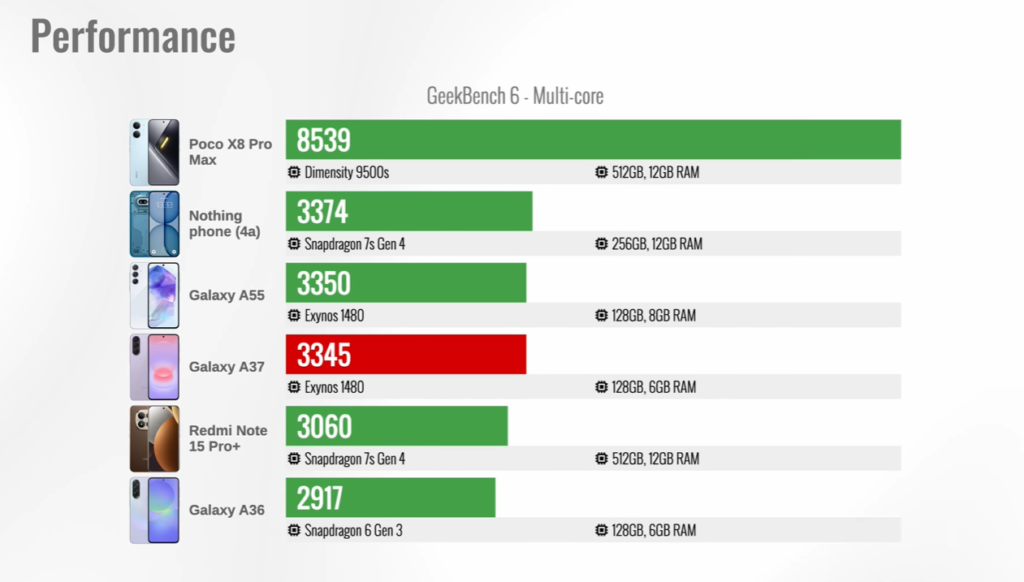
In benchmarks, the A37 falls behind modern competition at this price point. It does score slightly higher than the A36, but the margin is not meaningful in daily use. What you actually feel in real life is occasional sluggishness — apps taking a beat longer to open than they should, slight hesitation during multitasking, and moments where the phone simply does not feel as fast as ₹30,000+ should buy in 2026.
The saving grace is thermal management. The A37 does not run hot. Under prolonged stress testing there is no major throttling — meaning performance, while not fast, is at least stable and consistent over time. For a phone you plan to use for three to four years, that stability matters more than benchmark bragging rights.
But let’s call it what it is: in 2026, a phone at this price should not feel sluggish in daily use. It does, and that is a chipset problem Samsung chose not to solve with the A37.
BATTERY LIFE — THE MOST PLEASANT SURPRISE
This is the part of the A37 story that does not get enough credit, and it is where the phone makes its strongest case.
The battery is 5,000mAh — identical to the A36. On paper, you would expect identical results. In testing, the A37 scored close to 14 hours of overall active use, with the biggest improvement coming from video playback runtime specifically. That is a meaningful jump over the A36, achieved without changing the hardware.
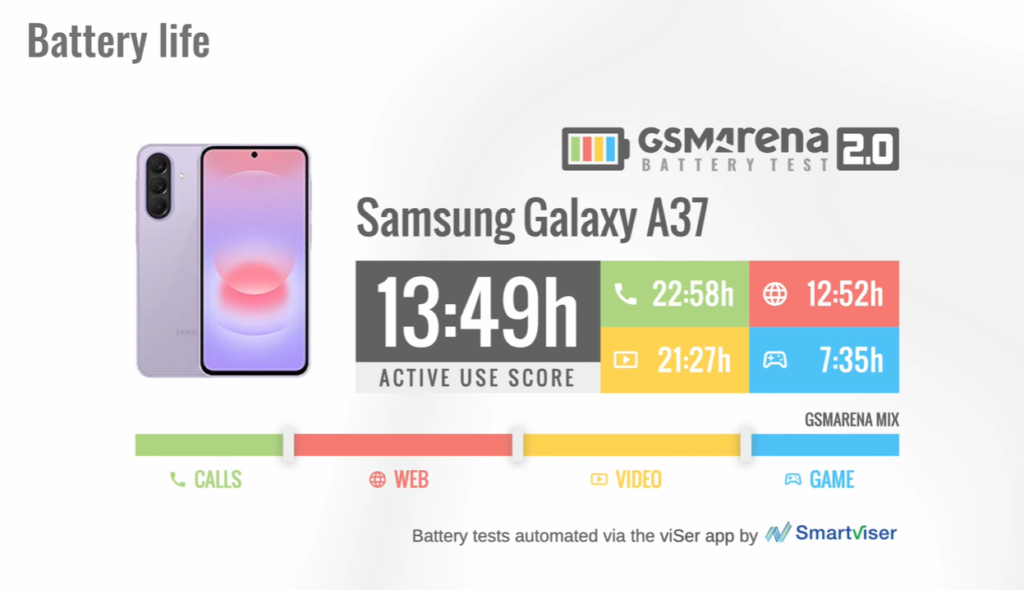
The reason is almost certainly software and power management optimisation — One UI 8.5 is doing a better job of managing the Exynos 1480’s power draw than One UI did with the same chip generation previously. Whatever the cause, the result is real. Fourteen hours of active use is a strong number for a mid-ranger.
The charging story is less exciting. Rated at 45W, the A37 reaches 62% in 30 minutes and completes a full charge in 72 minutes. That is consistent with the A36 — no improvement, no regression. Acceptable for 2026, but competitors are reaching similar charge levels in 45–50 minutes. Faster charging at this price point exists.
The bigger omission is wireless charging. There is none. At this price in 2026, that absence is harder to forgive than it was two years ago. Wireless charging has become a standard expectation in the ₹25,000–₹35,000 bracket, and the A37 does not have it.
CAMERAS — WHERE THE A37 ACTUALLY EARNS AN UPGRADE ARGUMENT
The rear camera setup looks the same as the A36 on paper — main camera, ultrawide, macro. But here is what changed that matters: the main camera sensor has been upgraded to a larger unit, and based on testing, it appears to be the same sensor found in the more expensive Galaxy A57. That is a meaningful hardware bump that the spec sheet undersells.
Here is what that sensor upgrade actually delivers in the real world:
MAIN CAMERA — DAYLIGHT
Daylight shots from the main camera are genuinely good for a mid-ranger. Detail is strong, dynamic range is excellent, and the colour tuning leans vivid in a way that makes photos look great on social media without feeling artificial. Human subjects come out well — facial detail is captured naturally and skin tones are flattering without looking over-processed.
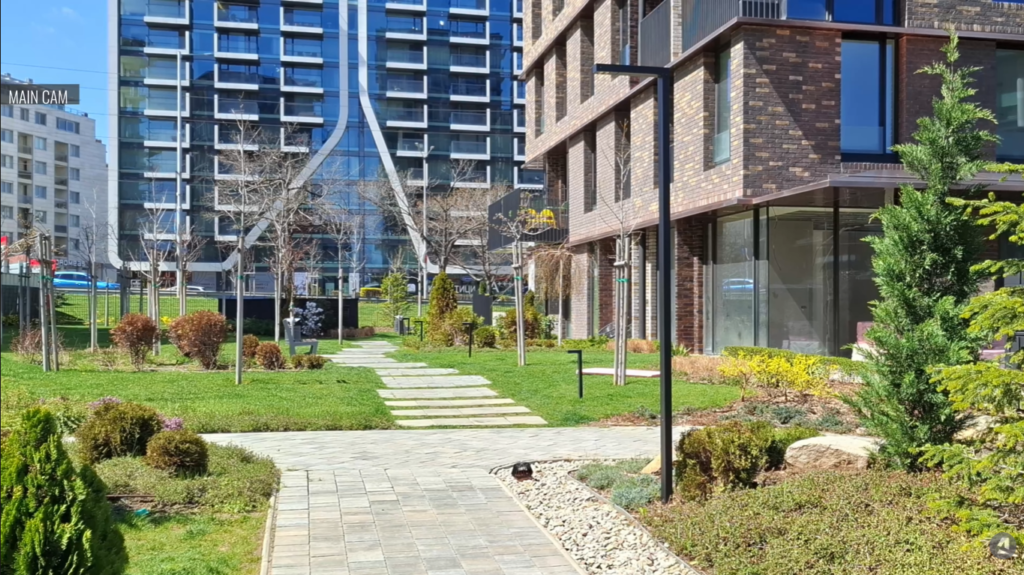
The one complaint: sharpening is occasionally overdone. Fine textures like fabric, grass, and hair can look slightly artificial up close. It is a processing preference Samsung makes rather than a sensor limitation, and it is a minor issue in the context of overall image quality.
ZOOM — DIGITAL ONLY, BETTER THAN EXPECTED
There is no telephoto lens, so all zoom is done digitally. At 2x, there is visible softness, but results remain usable and look better than many competitors’ handling digital zoom at this price. The main camera sensor’s size advantage helps here — more data to work with means better crop quality.
A useful tip discovered in testing: for close-up shots, the 2x digital zoom from the main camera consistently produces better results than the dedicated macro lens. Keep that in mind before reaching for macro mode.
ULTRAWIDE — THE WEAK LINK
The ultrawide camera is underwhelming. Daylight shots are soft, the field of view is narrower than you’d want from an ultrawide, and the gap in quality between the main camera and ultrawide is noticeable side by side. Dynamic range and colour hold up, but sharpness is below average for the category. If ultrawide shots are important to your photography, this camera will disappoint.

NIGHT PHOTOGRAPHY — MAIN CAMERA PERFORMS
Low light from the main camera is one of the stronger results in testing. In well-lit night scenes, sharpness and detail are impressive. Even in genuinely dark environments, the results are respectable — not flagship-level, but clearly above the mid-range average. Dynamic range at night is excellent, preserving highlights in street lights and windows while keeping shadows from fully collapsing.
One observation worth noting: turning on Night Mode makes very little visible difference to output quality. The main camera’s baseline night processing is already doing most of the heavy lifting, which suggests the scene optimiser is working well automatically.
The ultrawide at night drops off significantly — soft, grainy, and noticeably weaker than the main camera. If you need wide-angle shots after dark, you will be disappointed.
SELFIE CAMERA
The 12MP front camera produces excellent selfies in well-lit conditions. Dynamic range is great, skin tones are accurate and naturally flattering, and the level of detail is above average for a mid-ranger. In good light, selfies from the A37 are a genuine strong point.
VIDEO
The main camera shoots 4K at 30fps and the output is strong, vibrant colours, good contrast, solid detail, and very good electronic stabilisation that only lets minor shakiness through during active walking shots. The ultrawide is capped at 1080p, which is usable but not exciting. Low-light video from the main camera is decent — good dynamic range and acceptable detail, though shadow areas become murky in very dark conditions.
CAMERA SUMMARY
The main camera upgrade is the most compelling reason to consider the A37 over the A36. It is a genuine, hardware-level improvement that shows in real-world results. The ultrawide and macro are average at best. If you primarily shoot with the main camera in good light, you will be happy. If you rely heavily on ultrawide or zoom, manage your expectations.
SOFTWARE — SAMSUNG DOES THIS BETTER THAN ALMOST ANYONE
One UI 8.5 out of the box is a polished, feature-rich Android experience. Samsung has closed the feature gap between its mid-range and flagship software significantly in recent years, and the A37 benefits from that.
You get an improved Bixby assistant with better natural language understanding and Perplexity AI integration. You get the full suite of Samsung’s productivity and customisation features. What you do not get are a handful of AI-exclusive tools available on flagships — notably the enhanced photo assist tool that uses natural language prompts to edit photos. It is an absence you’ll mostly forget about unless you specifically came looking for it.
The software support commitment is where Samsung stands firmly above almost every other Android manufacturer at this price point: six major OS updates. Buy this phone in 2026 and you can expect software updates deep into the 2030s. For a mid-range phone, that is extraordinary and a genuine long-term value argument that does not show up in spec comparisons.
THE VALUE PROBLEM — LAID OUT CLEARLY
Here is the honest map of how the A37 sits in the market:
vs Samsung Galaxy A36: The A37 offers better battery life, an upgraded main camera sensor, and improved water resistance (IP68 vs IP67). The price is roughly double. That is a hard ratio to defend for incremental improvements.
vs Samsung Galaxy A56: This is the A37’s most damaging comparison. The Galaxy A56 is a newer phone, runs on a more modern chipset, performs better in day-to-day use, and is available at a lower price than the A37. Samsung created this problem itself. If you are buying a Samsung mid-ranger in 2026, the A56 makes more sense than the A37 in almost every scenario.
vs Third-Party Competitors: At the A37’s price, rival brands offer more modern chipsets, faster charging speeds, and, in some cases, superior camera systems. The A37’s advantages — Samsung’s software polish, six OS updates, and IP68 — are real, but they have to be the specific reasons you are choosing this phone for the trade-off to make sense.
PROS AND CONS
Pros:
- Upgraded main camera sensor — real, visible improvement over the A36
- Nearly 14 hours active use battery life — strong result for the class
- IP68 water resistance — genuinely useful every day
- Gorilla Glass Victus Plus front and back
- Six major OS updates — best-in-class software longevity
- One UI 8.5 — polished, feature-rich, familiar
- Bright OLED display peaking above 1,900 nits
- Stable thermals — no throttling under stress
Cons:
- Exynos 1480 is a 2023-era chipset — feels sluggish in daily use
- Priced significantly above the A36 for incremental upgrades
- Samsung’s own Galaxy A56 outperforms it at a lower price
- No wireless charging — a gap at this price in 2026
- No microSD card expandable storage
- The ultrawide camera is soft and underwhelming
- No official HDR video support
- Visible bezels for a 2026 mid-ranger
- 45W charging speed — no improvement from last year
HOW THE A37 COMPARES — QUICK REFERENCE
Samsung Galaxy A37 vs Samsung Galaxy A36: Battery and main camera are better. IP rating is better. The chipset is marginally better. The price is roughly double. The A36 wins on value unless you specifically need IP68 or the camera upgrade.
Samsung Galaxy A37 vs Samsung Galaxy A56: The A56 has a better, more modern chipset. It costs less than the A37. It is the most sensible Samsung mid-range buy in 2026. The A37 has no meaningful advantage over the A56.
Samsung Galaxy A37 vs Realme 16 5G (same price bracket): The Realme 16 5G offers a 7,000mAh battery and a more modern chipset at a lower price. The A37 counters with better software support and IP68. Your priority decides the winner.
Samsung Galaxy A37 vs Nothing Phone 3a (same bracket): The Nothing Phone 3a brings a cleaner UI, better chipset performance, and a distinctive design. The A37 counters with longer software support. Six years of updates is a real differentiator Samsung holds over most rivals.
REAL-WORLD OWNERSHIP QUESTIONS ANSWERED
Will the Galaxy A37 last 3–4 years? Yes, probably. The chipset is not fast, but it is thermally stable with no major throttling. The six OS updates mean software support runs well beyond that. It will feel slower over time as apps get heavier, but it will not stop working.
Is the sluggishness noticeable every day? Occasionally. Not constantly. In light use — calls, messaging, social media, music — it holds up fine. Under heavier multitasking or gaming, the hesitation becomes more noticeable.
Is the camera good enough for Instagram and casual photography? The main camera, yes — comfortably. In good light the photos look excellent on a phone screen or posted online. In low light, better than you would expect. The ultrawide is the camera to avoid if you care about quality.
Does the battery last a full day? Easily, and then some. Close to 14 hours of active use means moderate users will comfortably make it through a full day and into the evening without reaching for a charger.
FINAL VERDICT
The Samsung Galaxy A37 is a phone caught between two uncomfortable truths. On one side, it is a genuine improvement over the A36 — better camera, better battery, better water resistance. On the other, it costs roughly double what the A36 cost, ships with a chipset that was already ageing when it debuted, and faces a more capable and cheaper rival in Samsung’s own Galaxy A56.
If you see it heavily discounted, if long software support is a deal-breaker priority for you, or if IP68 water resistance is non-negotiable at this price — the A37 is a solid choice that will serve you well. It will not wow you with speed, but it will take good photos, last all day on battery, survive the rain and the accidental pool drop, and receive software updates for years.
But if you are spending your own money and looking for the best mid-range phone in 2026, the A37 is not it. Samsung’s own A56 is better and cheaper. Competitors at this bracket offer faster chipsets and faster charging. Shop around for twenty minutes before you buy this phone.
The Galaxy A37 is decent. You can almost always find better.
RATING: 3.5 / 5
Reviewed by Reo R | My PitShop 6+ years hands-on tech and automotive reviewing experience Zero brand bias — honest verdicts, every time Category: Mobile Review | Read time: 9 min | Last updated: April 2026