The Nissan Qashqai e-Power is genuinely confusing. Nissan calls it “an electric car that you can fill up with petrol.” That sounds like a contradiction, and honestly, it is. But it is also one of the cleverest drivetrains in the mid-size SUV segment.
Here is the mind-bending reality: the Qashqai e-Power is always driven by an electric motor, but the motor is powered by a petrol engine. You cannot plug it in. The engine never directly drives the wheels. And yet, it delivers electric-car smoothness with petrol-car convenience.
Is this the perfect stepping stone from petrol to fully electric motoring? Or is it an overly complicated solution to a problem that does not exist? We spent time with the re-engineered 2026 Nissan Qashqai e-Power to find out.
Here is everything you need to know — the tech explained simply, real-world performance, practicality, pricing, and whether this genuinely clever drivetrain is worth the premium.
What Exactly Is the Nissan Qashqai e-Power?
Let us clear up the confusion first. The Nissan Qashqai e-Power is not a plug-in hybrid. It is not a full hybrid like a Toyota RAV4 Hybrid. And it is not a pure electric vehicle.
It is something genuinely different — a series hybrid.
How It Works (Explained Simply)
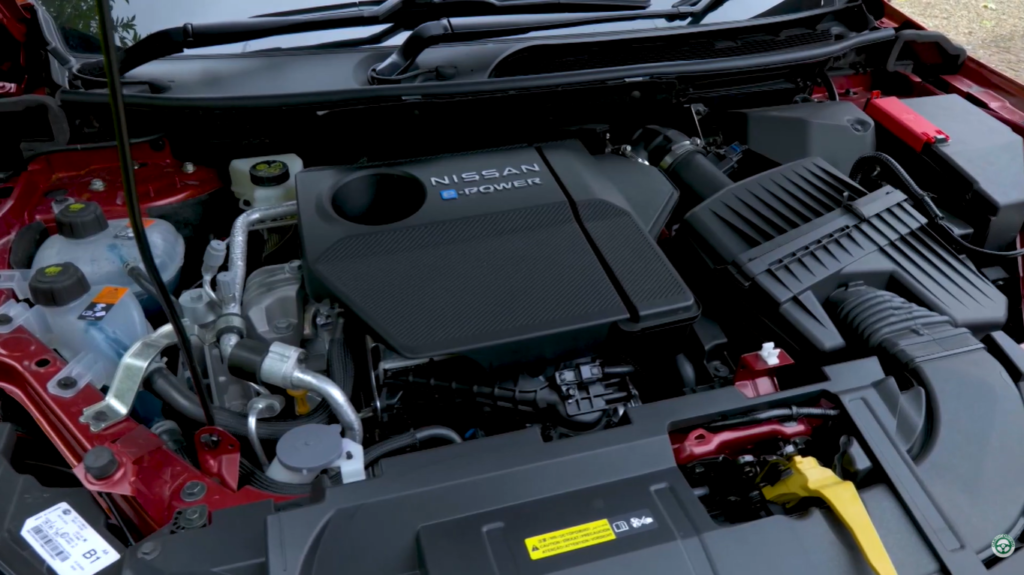
The drivetrain consists of three main components:
- A 1.5-litre 3-cylinder turbo petrol engine with variable compression technology
- A 2.1 kWh battery (about twice the size of a conventional hybrid battery)
- A front-mounted electric motor (201 bhp / 150 kW)
Here is the clever part: The petrol engine never directly drives the wheels. Its only job is to generate electricity to power the electric motor. The electric motor is what actually moves the car.
Think of the petrol engine as a portable generator on wheels. It charges the battery and supplies power to the motor, but it never touches the drivetrain itself.
Why Does This Matter?
Because it gives you:
- Electric motor smoothness — instant torque, smooth acceleration, quiet operation
- No range anxiety — fill up with petrol and go
- No charging required — no need for a home charger or public charging stations
- Better fuel economy — up to 62.8 mpg (combined cycle)
Nissan calls this a “bridging technology” to help transition customers from petrol cars to full EVs. And it genuinely works.
Performance: 201 BHP, 7.6 Seconds to 62 mph — Genuinely Quick
The re-engineered 2026 Qashqai e-Power produces 201 brake horsepower in Sport mode (up from 188 bhp in the earlier version). That is enough to propel this mid-size SUV from 0 to 62 mph in 7.6 seconds, with a top speed of 105 mph.
What It Feels Like to Drive
Because you are always driven by an electric motor, the driving experience feels more like a pure electric car than a petrol car. You get:
- Instant torque — no lag, no waiting for the engine to rev
- Smooth, linear acceleration — no gear shifts, no CVT drone
- Quiet operation — Nissan claims up to 5.6 dB reduction in cabin noise with this re-engineered version
The e-Power system uses Linear Tune technology, which ties engine speed to road speed. This eliminates the unpleasant CVT drone you get in some hybrids, where the engine revs high but the car does not accelerate proportionally.
e-Pedal Driving
Nissan includes its e-Pedal technology, which increases energy regeneration when you lift off the throttle. It does not slow the car as aggressively as it does in the Nissan Leaf or Ariya full EVs, but it means you will use the brake pedal far less in normal driving.
This makes city driving genuinely easier — you can control speed with just the accelerator pedal in most situations.
Verdict: The Qashqai e-Power feels genuinely smooth, refined, and quick. The electric motor delivery makes it feel more premium than a conventional petrol SUV.
Design: Updated for 2024, But Subtle from the Side
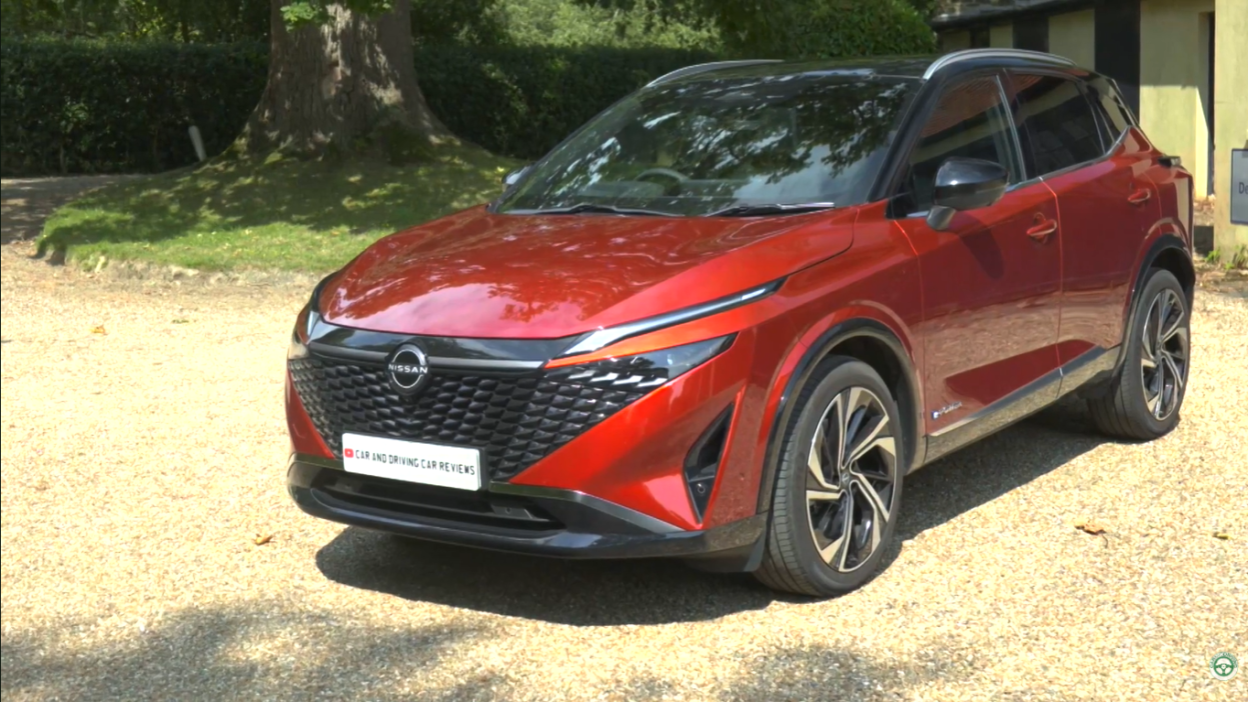
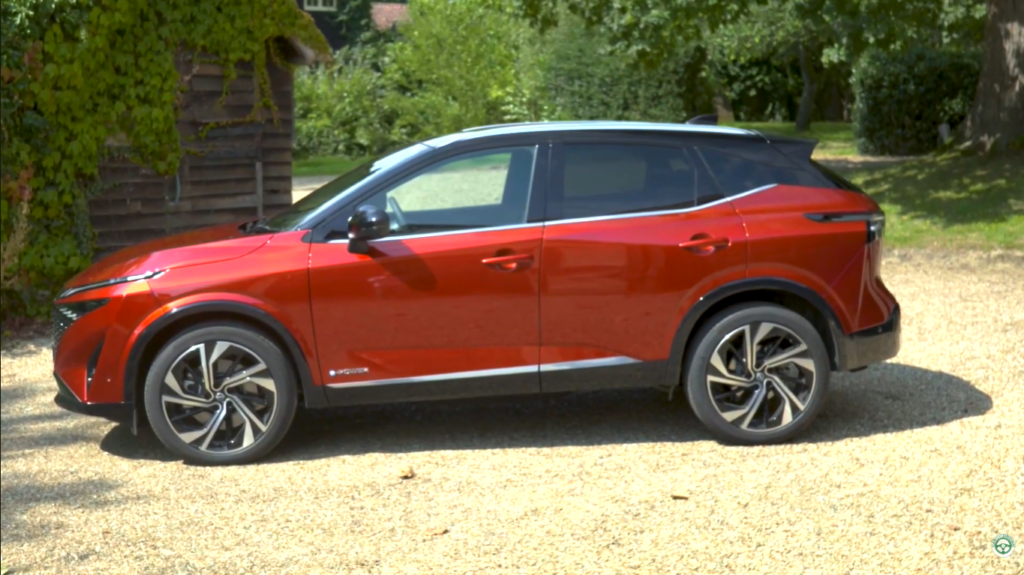
The Qashqai e-Power looks almost identical to the conventional petrol Qashqai. Apart from the badge work, there is nothing to visually distinguish it.
The 2024 Facelift Changes
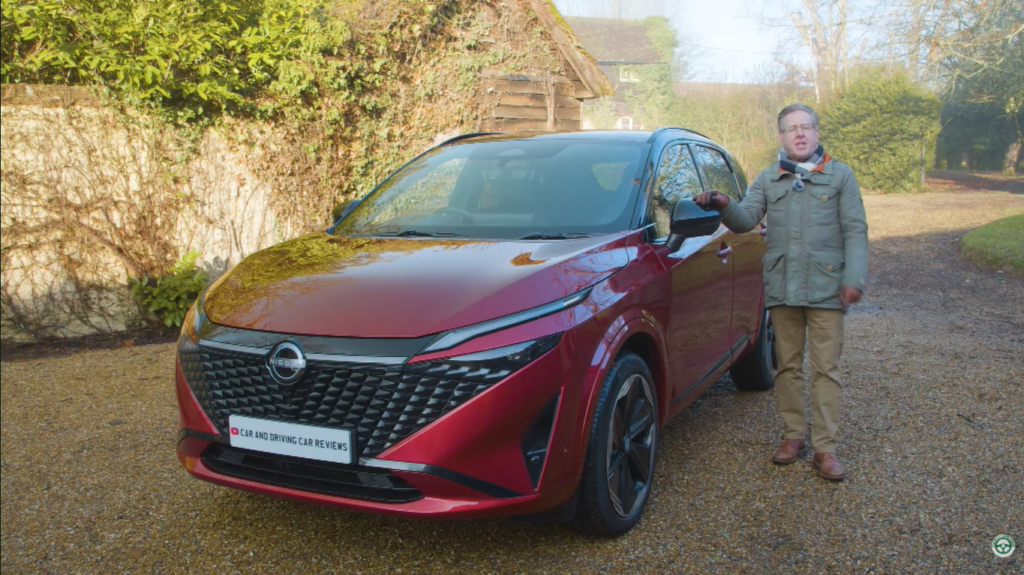
Nissan gave the Qashqai a comprehensive facelift in mid-2024. The changes were not subtle:
Front end:
- More aggressive design
- Larger grille with finishing inspired by ancient Japanese samurai helmet armor scales
- Updated front bumper, headlamps, and daytime running light signature
Side profile:
- Floating roof (optionally available in black)
- Kick-up body line over the rear wheel arches
- Black cladding for wheel arches and lower body
- Mirrors mounted on the doors (sports car style)
- Big wheels ranging from 17 to 20 inches
The side profile is classic modern crossover — nothing revolutionary, but handsome and well-proportioned.
Verdict: The updated front end looks genuinely aggressive and premium. The Qashqai stands out in its crowded segment.
Interior: Smart, Comfortable, and Tech-Heavy
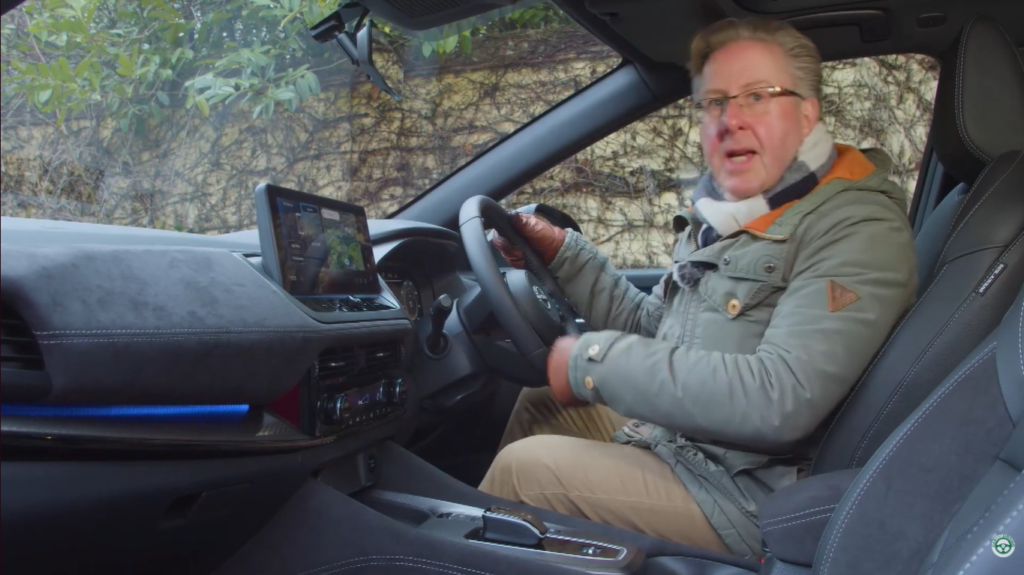
The 2024 update brought meaningful improvements inside, though the cabin layout was not completely redesigned.
Digital Screens and Tech
Instrument cluster:
- 12.3-inch digital combi meter (replaces analog gauges above base trim)
- Three display layouts: Normal (twin dials), Enhanced (dials turned sideways for more center screen space), and Minimal (just key digits)
Center touchscreen:
- 12.3-inch screen (up from the smaller unit in earlier models)
- Runs Google’s Android operating system
- You can download apps directly onto the car (Google Assistant, Google Maps, Google Play)
- Still supports Apple CarPlay and Android Auto
Physical climate controls: Yes, the Qashqai still has proper physical buttons and dials for climate control. That is a genuinely useful feature when so many cars are moving everything to touchscreens.
Build Quality and Materials
Build quality from the Sunderland, UK plant feels solid, though there are some scratchy plastics lower down the dashboard. The synthetic leather on the seats does not feel particularly premium, but the overall cabin ambiance is pleasant and modern.
Upper-spec models include:
- 64-color ambient lighting
- Quilted upholstery with Alcantara inserts
- Head-up display
- Around View Monitor (3D function with eight different viewing angles)
Verdict: The interior is smart, tech-heavy, and genuinely modern. It feels premium enough for the price.
Rear Seats: Comfortable for Two, Tight for Three
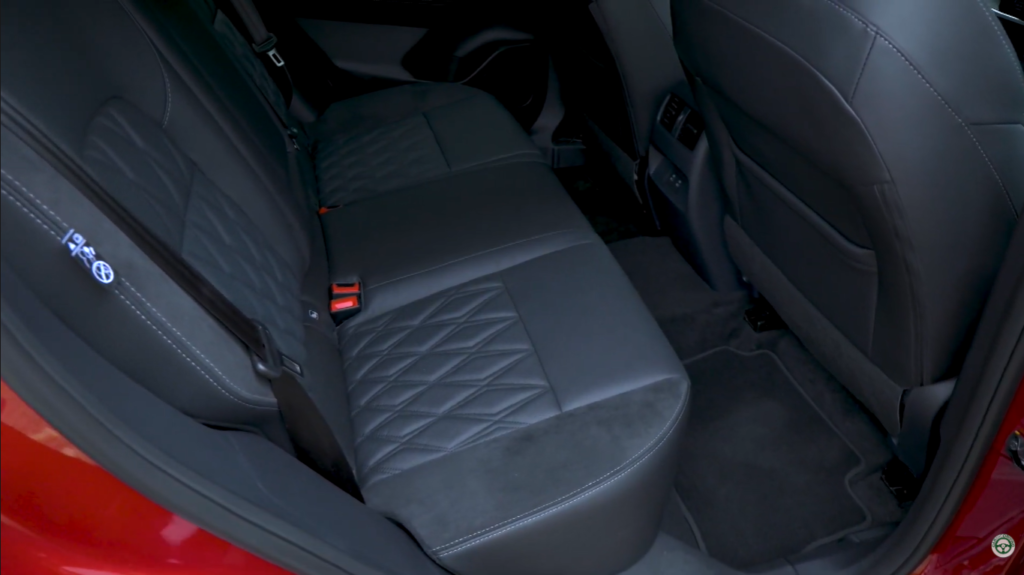
The rear seat is comfortable for two adults, but three would be a squash. The center position is particularly compromised — your legs straddle the transmission tunnel, and there is no real comfort for extended periods.
What You Get
- Easy access — doors open to 85°
- Good legroom — contoured front seat backs and space to slide your shoes beneath the front seats
- No reclining or sliding — the rear bench is fixed
For families with two kids or occasional rear passengers, the Qashqai is perfectly adequate. For regular three-across seating, it is less ideal.
Verdict: Comfortable for two, tight for three. Standard for the class.
Boot Space: Practical, But Watch the Trim Level
The boot in the e-Power version is the same size as the conventional petrol Qashqai, which is good news — the battery and motor do not eat into cargo space.
Boot Capacity by Trim Level
- Base N-Connecta and Tekna trims: 479 litres (seats up)
- Entry-level trims: 504 litres (seats up)
- Top Tekna Plus trim: 455 litres (seats up, reduced due to upgraded Bose audio system)
With the rear seats folded, you get up to 1,447 litres of cargo space.
Clever Luggage Board System
Better-trimmed Qashqais come with a super useful luggage board arrangement:
- Two removable lower panels create a flat cargo base
- Hidden storage area below (perfect for valuables or the parcel shelf)
- Panels can be raised, lowered, or flipped upright to divide the boot into sections
- One side is covered in a wipe-clean surface (ideal for muddy walking boots)
Minor Annoyance
There are no cargo sidewall catches to fold the 60/40 split rear bench. You have to go to the side doors and pull the release catch on top of the seatbacks. A small inconvenience, but noticeable.
Verdict: Boot space is practical and cleverly designed, though capacity varies by trim level.
Fuel Economy: Up to 62.8 MPG — Genuinely Impressive
This is where the Qashqai e-Power genuinely shines. The re-engineered 2026 version delivers:
- Up to 62.8 mpg on the combined cycle (up from 55.4 mpg before)
- Up to 102 g/km of CO2 (up from 116 g/km before)
- 12% improvement in efficiency
How Nissan Achieved This
The secret is the variable compression ratio engine. It can adjust compression between 8:1 and 14:1 depending on engine load:
- Low power demand (constant speed, good battery charge): Higher compression ratio (14:1) for maximum efficiency
- High power demand (accelerating, charging battery): Lower compression ratio (8:1) for maximum power
The transition between compression ratios is seamless — you never notice it happening.
Comparison to Conventional Petrol Qashqai
The base DiG-T 140 PS petrol model with manual transmission only manages:
- 44.8 mpg
- 142 g/km of CO2
The e-Power is significantly more efficient despite having 201 bhp (vs 140 bhp in the base petrol).
Verdict: The fuel economy is genuinely impressive. The e-Power makes sense if you drive a lot and want to save on fuel costs.
Trim Levels and Pricing: Starting from £35,000 (₹35 Lakh in India, Expected)
The Nissan Qashqai e-Power starts from just under £35,000 in the UK (approximately ₹35 lakh in India if launched, subject to import duties and taxes).
That is £2,000 more than the less powerful, less efficient conventional petrol Qashqai.
Trim Levels
- N-Connecta Premium (base trim)
- N-Connecta (most popular)
- N-Design (sporty styling)
- Tekna (premium comfort)
- Tekna Plus (top luxury spec)
With a decent spec, you are probably paying £37,000–£41,000 (₹37–₹41 lakh in India, expected), which is getting into premium territory.
Standard Equipment (N-Connecta Premium)
- 18-inch diamond-cut alloy wheels
- 12.3-inch center touchscreen with wireless Apple CarPlay and Android Auto
- Intelligent cruise control
- Limited-slip differential
- Rear parking sensors
- Three drive modes
- Rear-view camera
- Alarm
Popular N-Connecta Spec Adds
- Digital combi meter instrument screen
- Google built-in (Google Assistant, Google Maps, Google Play)
- Customizable ambient lighting
- Wireless charging pad
- 3D Around View Monitor
- Roof rails
- Rear privacy glass
- Full auto park system
Premium Tekna Spec Adds
- 19-inch wheels
- LED adaptive headlights with sequential turn lights
- Glass roof
- Power tailgate
- Keyless entry
- Head-up display
- Synthetic leather upholstery
- Heated front seats, steering wheel, and windscreen
Top Tekna Plus Spec Adds
- 20-inch wheels
- Multi-link rear suspension
- Quilted upholstery with Alcantara
- 8-way power-adjustable front seats with massage function
- 10-speaker Bose audio system
Verdict: The pricing is premium, but the spec is generous. You get a lot of standard kit even on base trims.
Safety: Comprehensive and Class-Leading
The Qashqai e-Power comes with a comprehensive package of camera and radar-based safety systems:
Standard safety tech:
- Intelligent front emergency braking (pedestrian, cyclist, and junction assist)
- Intelligent forward collision warning
- Lane departure warning and prevention
- Blind spot warning and intervention
- Cross traffic alert
- Rear automatic braking
- High beam assist
- Traffic sign recognition
- Driver attention alert
- Around View Monitor (upper trims)
Pro Pilot driver assistance (optional):
- Adaptive cruise control with stop-and-go
- Lane-centering steering assist
- Speed limit adaptation
- Blind spot intervention during lane changes
Airbags:
- Front, side, and curtain airbags
- Front far-side airbag (prevents occupant clash)
Verdict: The safety tech is genuinely class-leading. You get a comprehensive suite of driver assistance systems even on base trims.
Running Costs: Insurance, Servicing, and Warranty
Insurance: Grouped 30 to 32E — relatively high, but standard for this class.
Servicing: Intervals have increased from 9,000 to 12,000 miles (15,000 to 19,000 km), which reduces long-term maintenance costs.
Warranty:
- 3 years / 60,000 miles (96,000 km) — average by class standards
- You can pay to extend duration or distance
- 3 years of breakdown assistance included from new
- Additional year of breakdown assistance following each service at a Nissan dealer
Verdict: Running costs are reasonable, though insurance is on the higher side.
Should You Buy the Nissan Qashqai e-Power?
The Nissan Qashqai e-Power is genuinely clever. It delivers electric-car smoothness with petrol-car convenience, without the range anxiety or charging hassles of a full EV.
Buy the Qashqai e-Power if:
- You want electric motor smoothness but are not ready for a full EV
- You do high mileage and want excellent fuel economy (62.8 mpg)
- You want no charging hassles — just fill up with petrol and go
- You like the idea of e-Pedal one-pedal driving
- You want a refined, quiet, premium-feeling SUV
Skip the Qashqai e-Power if:
- You can charge at home and want a plug-in hybrid (lower tax liability in some markets)
- You want the cheapest Qashqai (the conventional petrol is £2,000 less)
- You are okay with conventional hybrid complexity (Toyota RAV4 Hybrid is a strong rival)
- You want pure electric driving and can live with charging (Nissan Ariya is the better choice)
The Verdict: A Genuinely Clever Stepping Stone to EVs
The Nissan Qashqai e-Power is not for everyone. It is more expensive than the conventional petrol Qashqai, and you could get a plug-in hybrid for similar money with lower tax liability.
But if you want electric motor smoothness without the charging hassles, this is one of the cleverest drivetrains on the market. It is always an EV, yet always gives you engine range flexibility.
Overall Rating: 8/10
MyPitShop — Honest Reviews. Smarter Choices.