Xiaomi’s T-series has always occupied a specific and valuable position in the smartphone market. Traditionally launching in September, these phones delivered flagship-adjacent specs at significantly lower prices — making them one of the most reliable value propositions in Android year after year.
However, 2026 has changed the formula considerably. The Xiaomi 17T Pro arrived four months earlier than expected, and the price tag reflects a positioning that sits noticeably closer to flagship territory than previous T-series devices. So the question worth asking honestly is: does the 17T Pro justify the premium, or is the Poco X8 Pro Max — available at less than half the price — the smarter purchase?
After a full week of daily use with a SIM inside, here is the complete, honest review.
Design: Premium, Familiar, and Functional
Build and Materials
The Xiaomi 17T Pro is a large phone. At 6.83 inches and 219 grams, it is a substantial device that commands both hands comfortably. If you are coming from a more compact smartphone, the size will require adjustment. Furthermore, the design is strikingly similar to the 8-month-old Xiaomi 15T Pro — even side by side, distinguishing between the two is genuinely challenging.
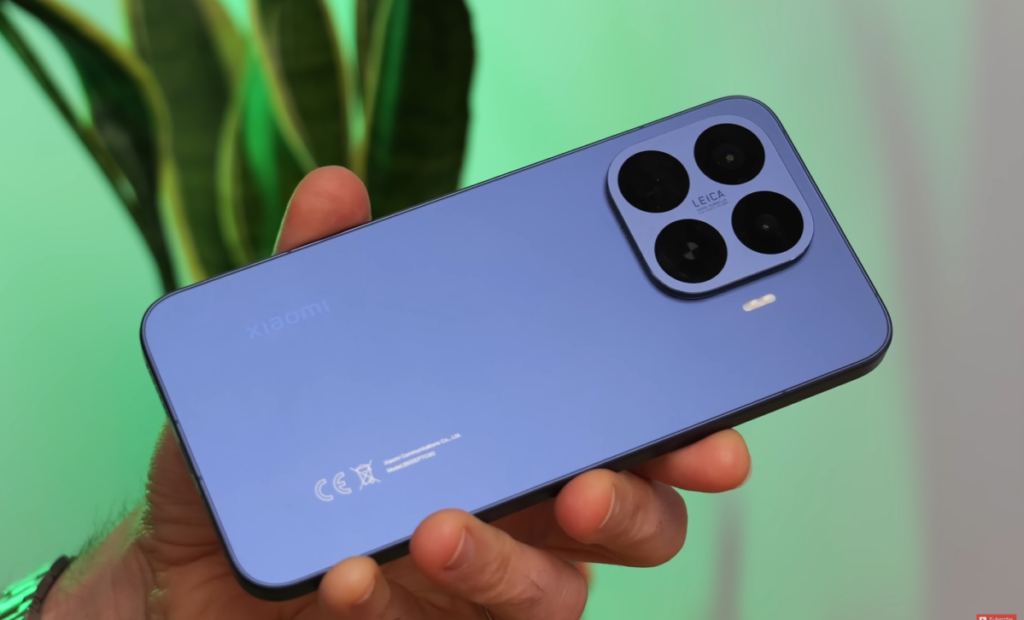
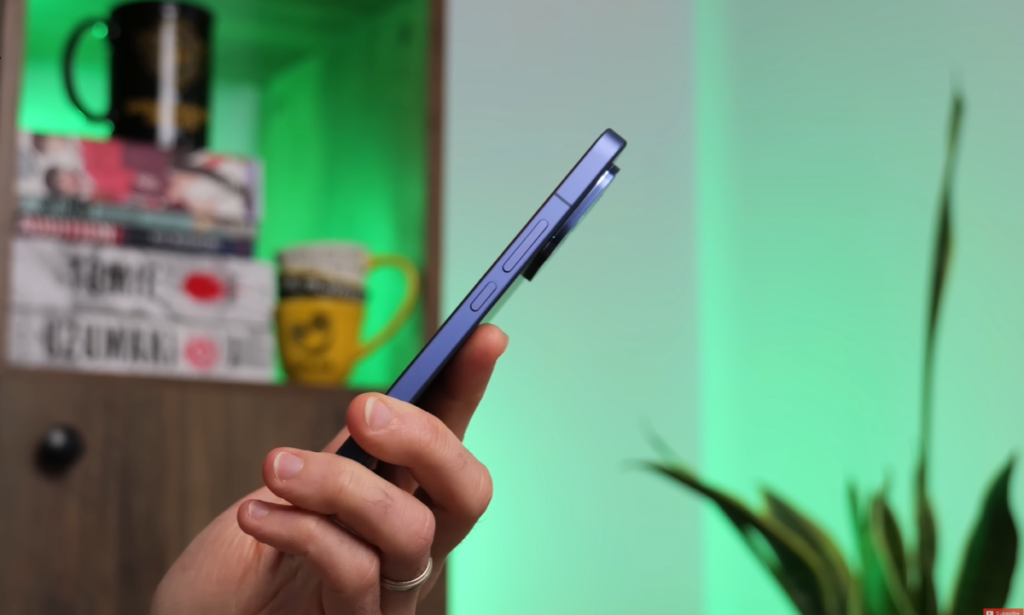
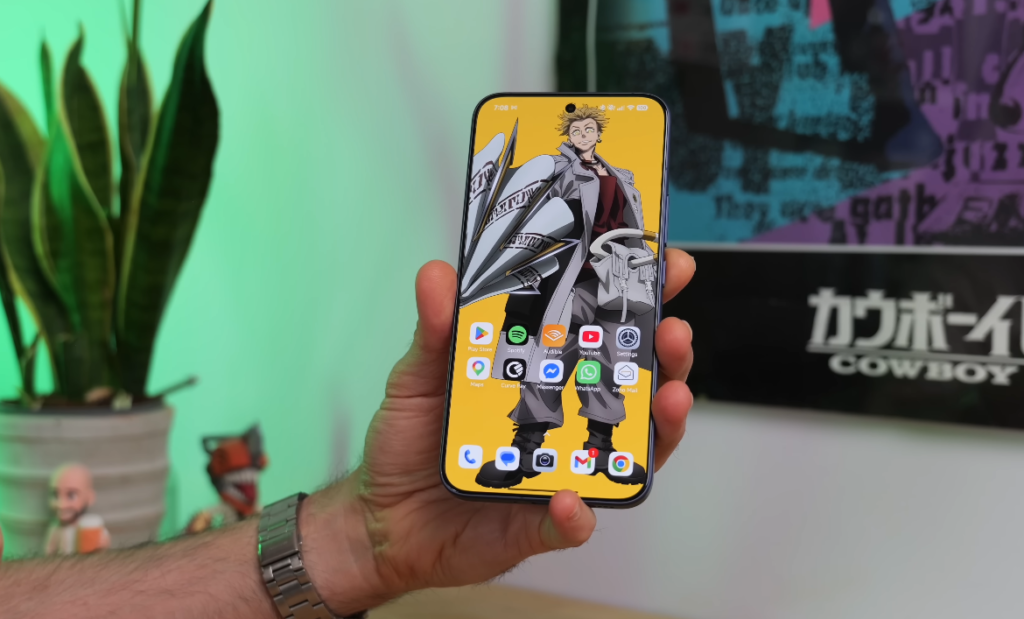
That said, the design executes its brief well. Key build highlights include:
- Metal frame with a near-unibody appearance
- Matte glass rear panel — highly smudge-resistant in real use, surviving a full week of greasy handling without requiring a wipe
- Very slim, symmetrical bezels surrounding the front display
- Gorilla Glass 7i protection on the front — scratch resistant and durable
- IP68 water and dust resistance — fully submersible
Color Options
Available in three colorways:
- Deep Blue (reviewed) — a refined, elegant finish
- Violet
- Black
The Camera Bump
The camera module protrudes significantly from the rear. However, this has an unintentional practical benefit — when using the phone one-handed, the camera bump acts as a natural finger shelf that meaningfully improves grip stability on what is otherwise a fairly slippery matte glass surface.
Security
The in-display fingerprint sensor is optical rather than ultrasonic — a mild disappointment at this price point where ultrasonic sensors are becoming increasingly standard on premium devices. However, it performs better than most optical sensors, recognising fingers reliably on the first attempt even with dry, moist, or generally compromised fingers. Face unlock is also available as an alternative.
Software: HyperOS 3 on Android 16 — Capable but Occasionally Janky
The Platform
The 17T Pro runs Android 16 with HyperOS version 3 on top. For anyone unfamiliar with HyperOS, it does not dramatically alter the core Android experience — the discover feed, notification shade, and fundamental navigation remain familiar. However, it adds significant customisation depth and Xiaomi-specific features on top.
What HyperOS 3 Does Well
Customisation Depth:
- Extensive always-on display options
- Adjustable animation effects and transitions
- Highly configurable home screen and lock screen layouts
Dedicated Gaming Mode: A proper built-in gaming mode that optimises performance during gameplay — a genuinely useful feature that directly impacts the gaming experience covered later.
AI Features — Functional and Practical: Unlike some AI implementations that feel more like marketing than utility, the AI tools on the 17T Pro largely work as described:
- Email composition assistance
- Real-time translation and live subtitling
- Standard productivity AI tools
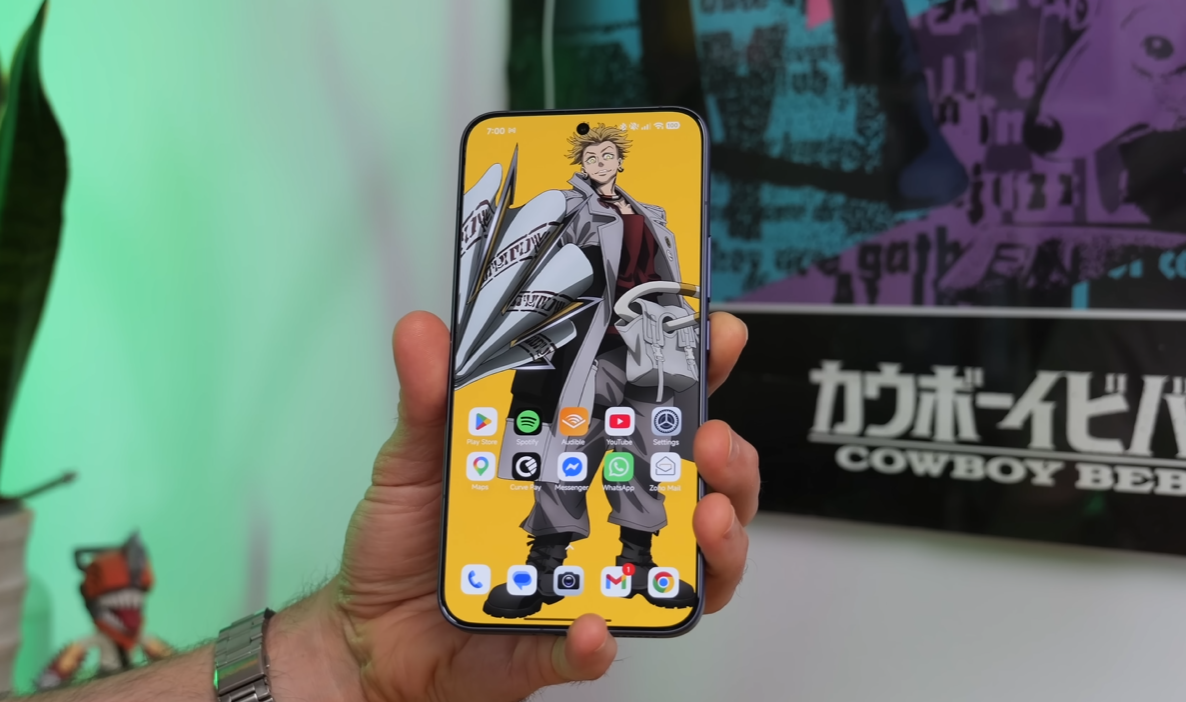
AI Dynamic Wallpapers — A Standout Feature: The most enjoyable AI feature on the device. Upload any photo and the AI converts it into a subtle animated video wallpaper. Photos of people, pets, and objects all receive different treatment — results vary from delightfully charming to slightly uncanny, but the overall execution is impressive and genuinely fun to use as a daily wallpaper.
HyperOS Weaknesses
Pre-installed Bloatware: The 17T Pro ships with a notable selection of unwanted third-party apps — AliExpress, Amazon, Facebook, LinkedIn, and others. These can be uninstalled, but their presence at launch is aggravating on a premium-priced device.
Occasional Jank: HyperOS version 3 is not perfectly polished. Specific issues observed during the review period:
- The Google Discover feed occasionally disappeared entirely, replaced by blank space
- Animations occasionally juddered or froze mid-transition
- General UI micro-stutters appear periodically that are software rather than hardware related
It is worth noting this review unit was tested ahead of launch, and some issues may be addressed by day-one software updates. However, even on Xiaomi phones released over a year ago, occasional HyperOS jank persists — this appears to be a characteristic of the platform rather than a pre-release bug specifically.
Software Support
Specific update commitment details were not announced at review time. However, Xiaomi’s recent track record on T-series devices suggests a minimum of 5 years of OS updates and security patches — a strong commitment that bodes well for long-term ownership.
Storage
Minimum 256GB with UFS 4.1 storage — fast and generous. Select regions offer a 1TB option for users with significant storage demands.
Display: Large, Bright, and Capable
Specifications
- Size: 6.83-inch AMOLED
- Resolution: 2772 x 1280 pixels — sharp and detailed at this screen size
- Refresh Rate: 120Hz for general apps, 144Hz for supported games
- HDR: Dolby Vision and HDR 10 Plus supported
- DC Dimming: Available for users sensitive to OLED flicker
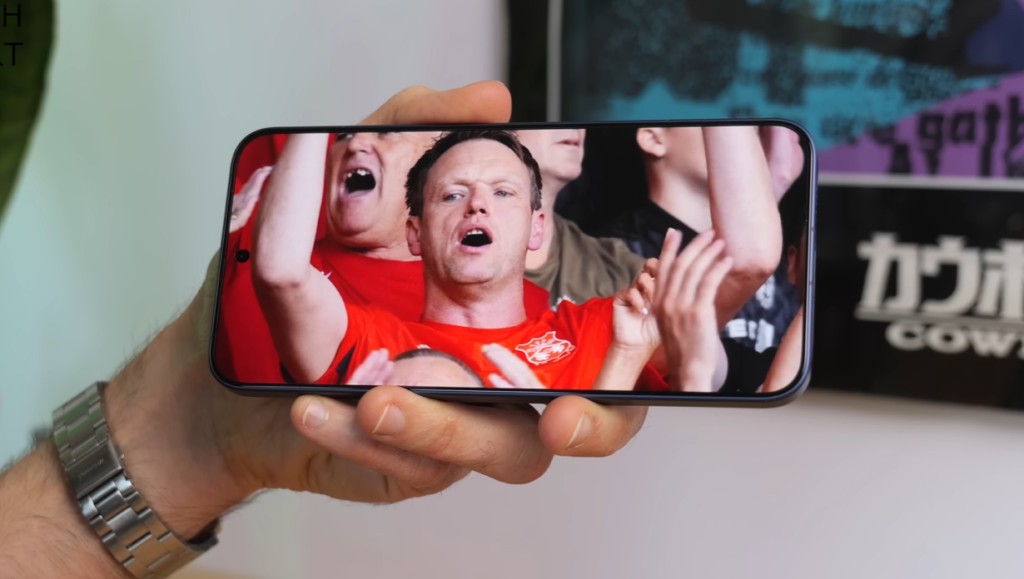
Real-World Display Performance
The display delivers excellent results for everyday use. Dolby Vision support means streaming content on Netflix and similar services looks genuinely impressive — rich contrast, deep blacks, and reasonably natural colour reproduction. The default display profile has a slightly warm colour temperature, though this is easily adjusted in display settings for users who prefer cooler, more neutral tones.
Outdoor visibility is comfortable in most conditions. However, the auto-brightness calibration was inconsistent during testing — in brighter environments, manual brightness adjustment was occasionally required to maintain comfortable viewing. This is a minor software issue rather than a hardware limitation, and may be addressed through updates.
DC Dimming Support: For users who experience headaches or eye strain from OLED screen flicker at low brightness levels, the inclusion of DC dimming is a meaningful practical addition that not all Android flagships provide.
Speaker Setup — Honest Assessment
The 17T Pro claims stereo speakers, but this claim requires significant qualification. The bottom-firing speaker is loud, powerful, and clear — genuinely capable for casual YouTube or Netflix viewing without headphones. However, the top speaker is the earpiece rather than a dedicated driver, and the volume and quality difference between the two is very noticeable.
The result is a significantly imbalanced audio experience rather than true stereo sound. For music listening, Bluetooth headphones are the strongly recommended choice. For casual video content without headphones, the bottom speaker handles the job adequately on its own.
Bluetooth 6 connectivity is present, and wireless audio streaming performed flawlessly throughout testing — even in busy urban environments.
Performance: Flagship Power With HyperOS Asterisks
Chipset and RAM
The Xiaomi 17T Pro runs on MediaTek Dimensity 9500 with 12GB of RAM in the reviewed configuration. Notably, this is the same chipset powering the Oppo Find X9 Pro — one of the strongest flagship processors available in 2026. Consequently, raw performance is not a concern.
Everyday Performance
Day-to-day app switching, multitasking, and browsing are handled without hesitation. The occasional software-related jitter from HyperOS appears periodically but does not reflect hardware limitations — it is a software layer issue rather than a processing bottleneck.
Gaming — Wuthering Waves Benchmark
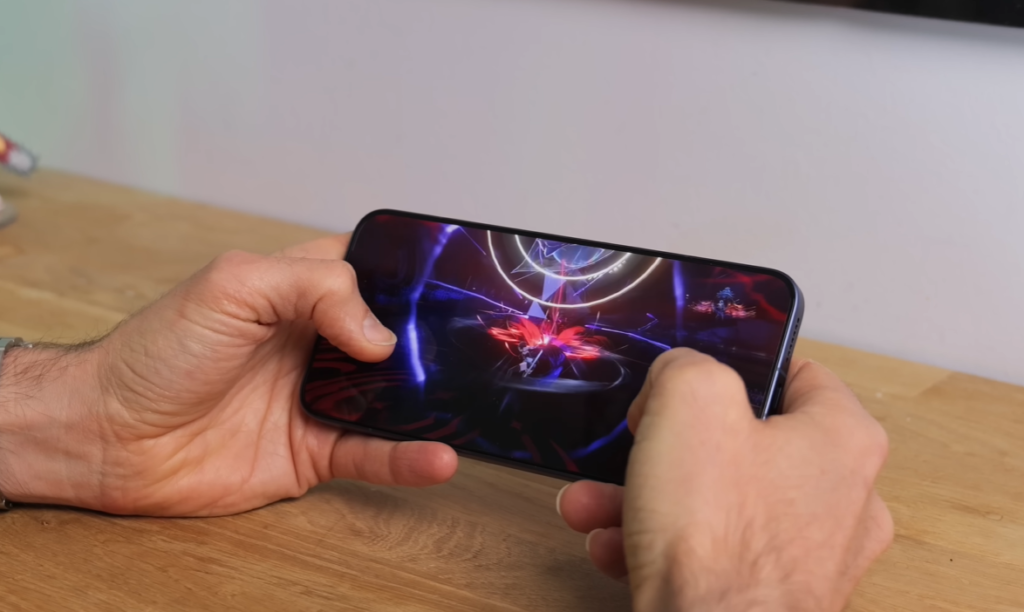
For a thorough gaming test, Wuthering Waves — one of the most graphically demanding titles available on Android — was run at maximum visual settings with performance mode activated in HyperOS’s gaming mode.
Results:
- Frame rate at max settings: Stable 60fps throughout extended sessions
- Thermal performance: The device remained cool even after well over an hour of continuous gameplay
- Throttling: Zero thermal throttling observed during testing
For serious mobile gamers, the 17T Pro’s gaming capability is flagship-tier. The Dimensity 9500 combined with effective thermal management delivers a consistently excellent gaming experience on even the most demanding titles available.
Connectivity
- Wi-Fi 7 — the latest standard for maximum wireless speed and reliability
- Full eSIM support — the eSIM replaces the second physical SIM slot when activated
- Mobile network performance was consistent and reliable throughout testing
Battery Life and Charging
Battery Capacity
The 17T Pro houses a 7,000 mAh battery — a substantial cell that places it among the better-equipped flagships in 2026 for battery capacity. However, it does not match the extraordinary 8,500 mAh cell found in the Poco X8 Pro Max, which is worth noting in context.
Real-World Battery Results
Standard daily use (approximately 6 hours screen-on time): Consistently ended the day with approximately 30 to 40% battery remaining. The 17T Pro comfortably handled a full working day without requiring a mid-day charge top-up.
Heavy use (7 to 8 hours screen-on time including gaming and camera): Power saver mode was occasionally required to reach end of day — but achievable without charging.
Key Battery Weakness — Gaming Drain: When gaming on Wuthering Waves at maximum graphics settings with performance mode active, the battery drains significantly faster than general use suggests. Specifically:
- Wuthering Waves (max settings): Approximately 3.5 hours from a full charge
This is a notably average gaming battery result for a 7,000 mAh battery — the power demands of Dimensity 9500 at maximum output are considerable.
Charging Speeds
| Method | Speed |
|---|---|
| Wired Charging | 100W |
| Wireless Charging | 50W |
The 100W wired charging is a practical solution to the gaming battery drain concern. A 15 to 20 minute wired charge provides sufficient power for a full evening of use. The 50W wireless charging option adds flexibility for users who prefer cable-free top-ups.
Camera: Excellent for Stills, Inconsistent for Moving Subjects
Camera System
| Lens | Specification |
|---|---|
| Main Sensor | Sony Light Fusion 950 (same as Xiaomi 17 flagship) |
| Telephoto | 5X optical zoom (retained from 15T Pro) |
| Ultra Wide | Retained from 15T Pro |
| Front Camera | 32MP, 4K at 30fps |
The headline upgrade for this generation is the Sony Light Fusion 950 main sensor — the identical sensor used in Xiaomi’s flagship Xiaomi 17. This is a meaningful specification that directly impacts the main camera’s performance in demanding conditions.

Still Photography — Genuinely Impressive
Default Leica Vibrant Mode: Rich, punchy, visually striking images even in challenging or low light conditions. Colours are bold and vivid, contrast is strong, and detail retention is impressive. For social media, travel photography, and everyday shooting, the results are consistently excellent.
Night Photography: This is where the 17T Pro genuinely excels. Night images capture impressive detail with realistic contrast, and noise levels remain remarkably low — night shots rarely appear grainy or artificially processed.
Leica Authentic Mode: For users who prefer more natural, accurate colour reproduction over Leica Vibrant’s richness, switching to Authentic mode delivers more measured tones. Most users will prefer Vibrant for sharing, but Authentic is valuable for documentary or professional photography.
Telephoto Performance: The 5X optical zoom telephoto delivers excellent results — capturing significant detail from considerable distances. A clear strength for travel, wildlife, and event photography.
Ultra Wide: Delivers good results in adequate lighting. In lower light conditions, the ultra wide underperforms compared to the main sensor — a typical limitation of ultra wide lenses across most smartphones.
Portrait Photography
When the camera successfully locks onto a face, portrait results are gorgeous — clean subject separation, accurate skin tones, and flattering bokeh. However, achieving that successful lock is not always guaranteed.
The Key Camera Weakness — Moving Subjects
The 17T Pro’s most significant camera limitation is its inconsistent autofocus on moving subjects. Even in good daylight with Motion Capture mode enabled and Motion Tracking Focus activated, the camera struggled to maintain reliable focus on subjects in motion. On occasion, it even failed to lock correctly when the subject was stationary.
For photographers who regularly shoot:
- Children
- Pets
- Sports or action
- Wildlife
Competitors from Oppo and Vivo currently handle moving subject tracking more reliably. This is a genuine and practically important weakness for a significant category of smartphone photographer.
Video Capabilities
- Maximum resolution: 8K
- Recommended shooting: 4K — crisp visuals, stable footage, clear audio
- Telephoto video: 4K available for nature and wildlife footage
- Slow motion: 4K at 120fps with up to 6 minutes continuous recording
- Selfie video: 4K at 30fps — no 60fps option
4K video results are excellent — sharp, well-stabilised, and with clear audio pickup in calm conditions. Wind noise affects the microphone in gusty conditions. The 4K 120fps slow motion capability is a highlight for creative video users.
The Elephant in the Room: Poco X8 Pro Max
No honest review of the Xiaomi 17T Pro can avoid addressing the Poco X8 Pro Max. It is available at less than half the price of the 17T Pro and delivers:
- Excellent battery life
- A gorgeous display
- Strong performance
- Most of the 17T Pro’s headline highlights
When the 17T Pro Justifies the Premium
- Sony Light Fusion 950 main sensor — noticeably better main camera performance
- 5X optical zoom telephoto
- Leica camera tuning for both Vibrant and Authentic modes
- 7,000 mAh battery (versus Poco’s 8,500 mAh — actually slightly worse here)
- 100W wired + 50W wireless charging
- Slightly more polished overall flagship positioning
When the Poco X8 Pro Max Is the Smarter Purchase
- Budget is the primary consideration
- Camera versatility matters less than battery endurance
- You do not specifically need the Sony flagship sensor or Leica tuning
- Gaming and display quality are primary priorities
For most buyers, the Poco X8 Pro Max offers extraordinary value. However, for camera enthusiasts and users who prioritise the best possible still photography — particularly in low light — the 17T Pro’s Sony Light Fusion 950 sensor and Leica tuning justify a meaningful portion of the price premium.
Complete Specifications
| Feature | Xiaomi 17T Pro |
|---|---|
| Display | 6.83-inch AMOLED, 2772×1280 |
| Refresh Rate | 120Hz (general) / 144Hz (gaming) |
| HDR | Dolby Vision, HDR10+ |
| Processor | MediaTek Dimensity 9500 |
| RAM | 12GB (reviewed) |
| Storage | 256GB minimum / 1TB (select regions) |
| Main Camera | Sony Light Fusion 950 |
| Telephoto | 5X optical zoom |
| Front Camera | 32MP, 4K at 30fps |
| Slow Motion | 4K at 120fps |
| Battery | 7,000 mAh |
| Wired Charging | 100W |
| Wireless Charging | 50W |
| Connectivity | Wi-Fi 7, Bluetooth 6, eSIM |
| Water Resistance | IP68 |
| Glass | Gorilla Glass 7i (front) |
| OS | Android 16 + HyperOS 3 |
| Software Support | Minimum 5 years expected |
| Colors | Deep Blue, Violet, Black |
| Weight | 219g |
Pros and Cons
What We Love ✅
- Sony Light Fusion 950 — same flagship sensor as the Xiaomi 17
- Exceptional night photography — low noise, impressive detail
- 5X optical zoom telephoto delivers excellent results at distance
- Dimensity 9500 gaming performance — stable 60fps at max settings
- Zero thermal throttling during extended gaming sessions
- 7,000 mAh battery handles a full day of standard use comfortably
- 100W wired charging provides full-evening power in 15-20 minutes
- 50W wireless charging adds convenient top-up flexibility
- Wi-Fi 7 and Bluetooth 6 connectivity
- AI Dynamic Wallpapers are genuinely fun and well-implemented
- Minimum 5 years of software updates expected
- Smudge-resistant matte glass rear
What Could Be Better ⚠️
- Autofocus on moving subjects is inconsistent — a meaningful weakness
- HyperOS occasional jank and animation stutters
- Speaker setup is imbalanced — not genuine stereo
- Auto brightness calibration was unreliable in testing
- Gaming battery drain is average — 3.5 hours on Wuthering Waves at max settings
- Significant bloatware pre-installed
- Optical rather than ultrasonic fingerprint sensor
- Design virtually identical to the 15T Pro
- Hard to justify versus the Poco X8 Pro Max at less than half the price
Final Verdict
The Xiaomi 17T Pro is a genuinely capable smartphone with a Sony flagship camera sensor, excellent gaming performance, solid battery life for standard use, and a premium build. In many areas, it delivers exactly what a flagship-adjacent device should.
However, it comes with an honest caveat. The moving subject autofocus inconsistency is a real limitation for a significant category of photographer. HyperOS continues to introduce occasional software jank that undermines the premium experience. The speaker setup is misleadingly marketed. And the pricing places it firmly in a bracket where it must compete with, and justify its premium over, the Poco X8 Pro Max.
For still photography enthusiasts — particularly those who shoot landscapes, architecture, portraits of cooperative subjects, and night scenes — the Sony Light Fusion 950 and Leica tuning deliver results that genuinely stand out. The telephoto at 5X is excellent. Night photography is among the best available at this price point.
For everyone else, the gap between the 17T Pro and significantly cheaper alternatives is harder to justify clearly.
Overall Rating: 8.0 / 10 ★★★★☆
| Category | Score |
|---|---|
| Design & Build | 8.0 / 10 |
| Display | 8.5 / 10 |
| Performance | 9.0 / 10 |
| Still Photography | 9.0 / 10 |
| Moving Subject Camera | 6.5 / 10 |
| Battery Life | 8.0 / 10 |
| Charging Speed | 9.0 / 10 |
| Software (HyperOS) | 7.5 / 10 |
| Value for Money | 7.0 / 10 |
“An all-round pretty solid smartphone, although a few wee issues here and there. That camera tech, despite generally being rather bloody good — especially for evening snaps — does fall down a bit when it comes to living, moving, breathing subjects.”
What are your thoughts on the Xiaomi 17T Pro? Is the Sony Light Fusion 950 sensor enough to justify the premium over cheaper alternatives? Drop your thoughts in the comments below.