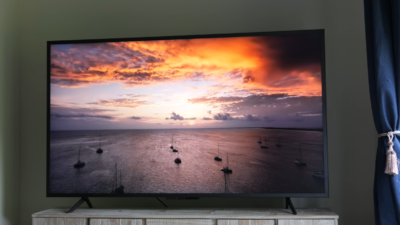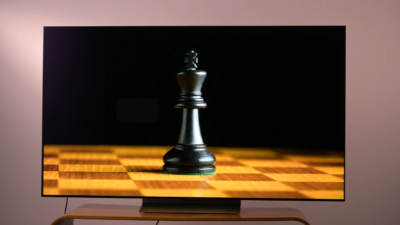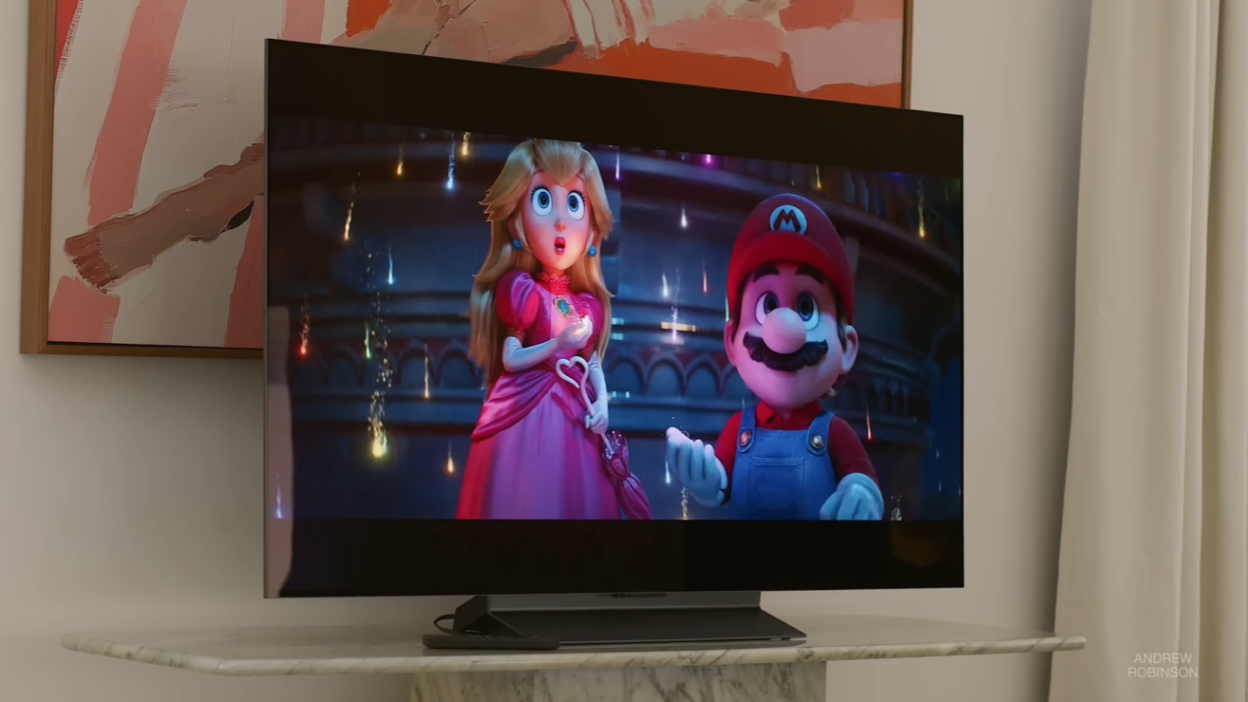
The LG C-series OLED has been the default recommendation for anyone buying a premium television for several years running. Consistently excellent picture quality, strong gaming features, reliable software, and a design that looks genuinely premium in any room — the C-series earned its reputation the right way.
So when the LG C6 OLED arrived, expectations were high. And in many ways, the C6 meets them. The picture quality is very good. Gaming performance is excellent. The design remains class-leading.
However, the C6 arrives with something its predecessors did not — a terms of service agreement that behaves less like a standard user agreement and more like a gate. Decline it, and the apps you paid for become inaccessible. For a television costing over $1,700 for the 55-inch model, this is a genuinely troubling development that fundamentally changes the value conversation.
After buying a C6 at retail, installing it, and spending meaningful time with it — using an Apple TV 4K for streaming, a NAS for Blu-ray rips, and a PS5 for gaming — here is the complete, honest review.
The Terms of Service Problem: Where This Review Has to Start
What Happened
The C6 was purchased at retail, brought home, and installed. Before a single second of content played, the setup process presented a terms of service agreement. This is standard practice across virtually every smart TV platform in 2026 — accepting some form of agreement is an expected part of the setup process.
The difference here is what happened after declining.
On most smart TV platforms — including Google TV — declining optional privacy or data sharing settings during setup still allows full access to apps, services, and features. The apps you have already subscribed to and paid for remain accessible. You simply forfeit some optional personalisation or data-sharing features.
On the LG C6, declining the terms turned installed apps into locked doors. Netflix, YouTube, Disney Plus, Max — every streaming app became inaccessible until the terms were accepted. The apps appeared on the home screen. They simply would not open.
Why This Matters
This represents a meaningful shift in how LG has approached user consent. The C5, reviewed approximately a year prior, did not exhibit this behaviour. Somewhere between the C5 and C6, LG introduced a level of data agreement enforcement that effectively holds paid-for functionality hostage to user consent.
To be clear — this is not about reading a long terms document and ticking a box. This is about a manufacturer preventing access to third-party subscription services that users pay for independently of LG, using LG’s agreement requirements as the enforcement mechanism.
The Workaround Used for This Review
To bypass WebOS completely and evaluate the C6’s actual picture and audio performance honestly, the following setup was used:
- Apple TV 4K for all streaming content
- Blu-ray rips via NAS for reference movie testing
- PS5 for gaming evaluation
This workaround functions well. However, it adds cost — even a modest streaming device like an Apple TV 4K represents an additional purchase that should not be necessary on a $1,700 television. For buyers who plan to use only external devices anyway, the terms issue becomes a practical annoyance rather than a dealbreaker. For buyers who expected to use the built-in smart TV platform they paid for, it is a more serious problem.
Picture Quality: Very Good — But Not LG’s Best
Out-of-Box Calibration
The LG C6 ships defaulting to the Energy Saving picture profile — a mode that prioritises power consumption over image accuracy and delivers a result that does not represent the panel’s actual capability.
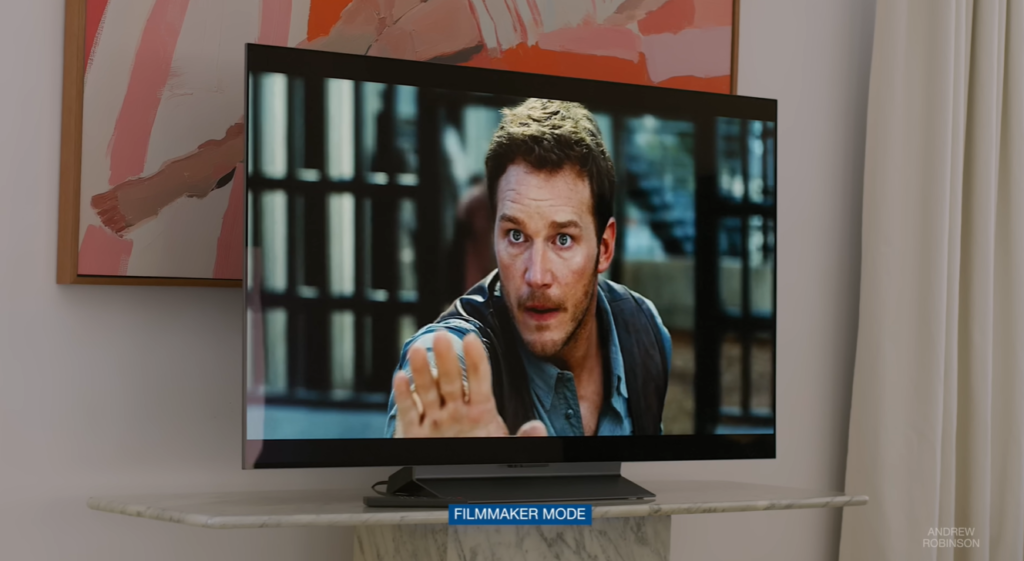
Moving through the available profiles:
- Standard and Vivid: Brighter and more contrasty than Energy Saving, but wildly inaccurate colour reproduction
- Cinema: Noticeably better than Standard or Vivid — improved but still not optimal
- Filmmaker Mode: The correct choice
Filmmaker Mode Accuracy
Using a meter for objective measurement, the C6’s Filmmaker Mode delivered genuinely impressive out-of-box accuracy:
SDR Measurements:
- Grayscale Delta E: 2 — well within the accepted calibration threshold of 3
- Colour Delta E: 1.2 — excellent accuracy
- EOTF tracking: Perfect
HDR Measurements:
- Grayscale Delta E: 2
- Colour Delta E: 2
Dolby Vision:
- Grayscale Delta E: 1.4
- Colour Delta E: 3 — right at the acceptable threshold
A Delta E below 3 is generally considered calibrated to a standard where errors are difficult to perceive with the naked eye. The C6 meets this standard across SDR, HDR, and Dolby Vision in Filmmaker Mode straight out of the box.
The practical implication is straightforward: put the C6 in Filmmaker Mode, leave the settings alone, and the television will display content very close to how it was mastered. No calibration required for most users.
Brightness
The C6 is an OLED — and OLED brightness limitations are worth setting honest expectations around before purchase.
Measured peak brightness in Filmmaker Mode:
- SDR: 270 nits
- HDR and Dolby Vision: approximately 1,300 nits sustained (approaching 1,400 nits briefly before the brightness limiter engaged)
This is not competitive with high-end mini-LED televisions from TCL, Hisense, or Samsung’s brightest QLED panels. In a well-controlled room with limited ambient light, the C6’s brightness is entirely comfortable. In a bright room with direct light sources — particularly on-axis — the reflective screen surface can become a genuine practical issue.
Important note on the panel: The standard 55-inch and 65-inch C6 models use LG’s W OLED panel — the same fundamental technology as previous generations. To access LG’s newer RGB Tandem OLED panel, buyers must step up to the C6H in 77-inch or larger configurations at $3,700 and above. The performance measurements and observations in this review apply to the standard W OLED C6, not the C6H.
Colour Performance
- REC 709 coverage: Complete
- P3 coverage: 98%
- REC 2020 coverage: 89%
Colour accuracy in real-world viewing matched the measurement results — natural, organic colour reproduction with true-to-life contrast that made content from Jurassic World to animated films look precisely as expected.
Issues Observed — Two Concerns Worth Noting
Green Edge Glow: During brighter, full-screen content — essentially anything not presented in letterbox format — a green glow was visible along the bottom edge of the screen. This issue was not present on the C5 reviewed previously. It was consistently noticeable during general television viewing. For 2.35:1 content with black bars, the glow was not visible. Whether this is a unit-specific issue or a broader C6 characteristic is unknown, but it is worth awareness.
Black Crush in Real-World Content: Despite measuring accurately in Filmmaker Mode, real-world content from the Apple TV and Blu-ray sources appeared to have crushed blacks — darker and muddier in low-light scenes than the measurements predicted. Compared directly against newer mini-LED sets including the QM8L and Hisense U7, shadow detail appeared compressed on the C6. Lifting the black level in the menu partially addresses this, but the fact that a well-measuring television requires manual adjustment for satisfying black performance is unexpected.
Motion Performance
Gaming and TV content: Motion on the C6 is very smooth. The native 165Hz refresh rate delivers fluid, clean motion for gaming and general television viewing.
Movies: A subtle, almost imperceptible soap opera effect was occasionally noticed during 24p cinematic content — even with motion interpolation and smoothing completely disabled. This was not observed with gaming or television content, only with movies. Viewers who are not sensitive to motion processing artefacts will likely not notice. For those who are sensitive, it is worth being aware of.
Display Technology: Understanding What You Are Actually Buying
W OLED vs RGB Tandem OLED
This distinction is critical for C6 buyers to understand before purchase.
The standard C6 (55-inch and 65-inch) uses LG’s W OLED panel — a mature, well-refined technology that delivers excellent OLED fundamentals but is not LG’s latest or most advanced display technology.
The C6H (77-inch and larger) uses LG’s newer RGB Tandem OLED design — a panel architecture that stacks two OLED layers for improved brightness, better colour volume, and enhanced longevity.
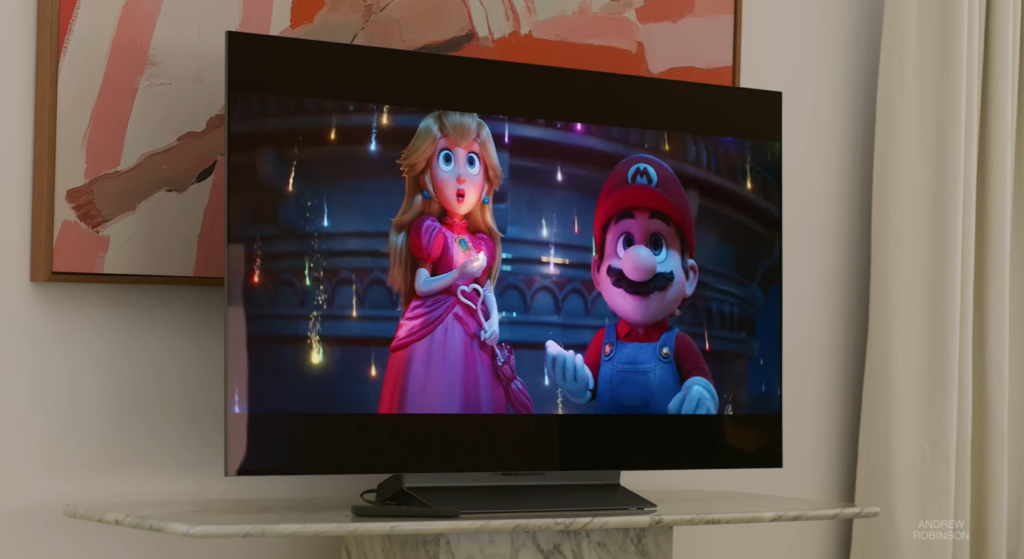
For buyers specifically seeking LG’s newest display technology, the standard 55 and 65-inch C6 does not deliver it. The performance of the standard C6 is more accurately described as an evolution of the C5 than a generational leap — brightness is improved but modestly, and the overall viewing experience is recognisably similar to the previous generation.
Gaming Performance: A Clear Strength
The LG C6 is an excellent gaming television, and this is one area where its premium positioning is clearly justified.
Gaming Specifications
- Native refresh rate: 165Hz
- HDMI 2.1: Full bandwidth support
- VRR: Variable Refresh Rate supported
- ALLM: Auto Low Latency Mode
- G-Sync Compatible: Yes
- FreeSync Premium: Yes
- Input lag: Class-leading low latency in game mode
PS5 Gaming Experience
PS5 testing confirmed the specifications in real use. The combination of OLED’s instantaneous pixel response, 165Hz native refresh rate, and full HDMI 2.1 bandwidth creates a genuinely premium gaming experience. Motion is exceptionally clean, input lag is imperceptible, and the OLED contrast advantage means dark scenes in games look dramatically better than on comparable mini-LED displays.
For console and PC gamers, the C6 is an easy, confident recommendation as a gaming display. The gaming feature set is comprehensive and future-proofed for current-generation hardware.
Audio: Add a Soundbar
The C6’s ultra-thin profile is a design achievement and a practical audio limitation simultaneously. Internal speaker quality is poor — notably worse than the older TCL 6 series the C6 was replacing in this review setup.
For any buyer spending $1,700 or more on a television, budgeting for a soundbar or external audio system is not optional if sound quality matters. The built-in speakers handle basic dialogue adequately and nothing more.
Recommended approach: factor a soundbar into the total purchase budget from the outset rather than adding one later as an afterthought.
Design: Still the Best-Looking OLED in the Market
One category where LG maintains an uncontested lead is industrial design. The C6 is cleaner, more minimal, and more aesthetically refined than Samsung’s OLED offerings or Panasonic’s current lineup. The ultra-thin profile, premium stand, and precise edge finishing make it the most attractive television in the OLED segment.
If design and aesthetics matter to your purchasing decision — and in a living room, they reasonably do — LG continues to lead.
How the C6 Compares to the Competition
LG C6 vs LG C5
This is the most practically relevant comparison for existing LG owners.
The C6 is not a compelling upgrade over the C5. The picture quality improvement is incremental rather than generational. The green edge glow issue observed on the C6 was not present on the C5. The terms of service situation on the C6 is more restrictive than the C5.
Furthermore, C5 units are currently available at significant discounts at retail. For the vast majority of buyers — including those upgrading from a C5 — purchasing a discounted C5 while availability remains is the smarter financial decision in 2026. The C5 offers essentially the same viewing experience without the new issues introduced by the C6.
LG C6 vs Samsung S90H
The C6 performs more similarly to Samsung’s mid-range S90H than to Samsung’s flagship S95H. This is notable given that the S90H reportedly uses LG-sourced W OLED panels — making the comparison between the two a legitimate test of processing and software differences more than fundamental panel differences.
LG C6 vs Premium Alternatives
For buyers considering stepping above the standard C6, several alternatives offer meaningful performance advantages:
- Panasonic flagship RGB Tandem OLED — better colour volume and processing
- Samsung S95H — QD-OLED technology delivers superior colour pop and saturation
- Sony Bravia 8 QD-OLED — Sony’s industry-leading image processing with QD-OLED panel
Each of these alternatives provides more colour pop, better colour volume, and in several cases improved brightness compared to the standard W OLED C6. The C6 is very good — but it is not competing with the best OLED technology currently available.
Pricing and Value Assessment
The Price Reality
- LG C6 55-inch: Over $1,700 after taxes
- LG C6 65-inch: Higher
- LG C6H 77-inch (RGB Tandem OLED): $3,700+
At $1,700 for a 55-inch television in 2026, the C6 faces a more competitive market than it would have just two years ago. Mini-LED televisions from TCL, Hisense, and Samsung have improved dramatically in both brightness and local dimming precision. While OLED’s contrast advantage remains real and meaningful, the gap between OLED and the best mini-LED alternatives has narrowed considerably.
The Terms of Service Impact on Value
The most damaging aspect of the terms of service situation is what it does to the value proposition of an already expensive television. When smart features, built-in apps, and the WebOS platform — all of which are actively marketed as part of the C6’s feature set — are gated behind mandatory data agreement acceptance, the $1,700 price tag buys less than it appears to.
$1,700 purchases a large number of very capable televisions in 2026. Several of them offer larger screens, higher brightness, and no mandatory data agreement enforcement. The buyer choosing the C6 is paying a premium for OLED picture quality and LG’s design — and it is now worth asking whether that premium still feels appropriate given what LG is asking in return.
Who Should Buy the LG C6 OLED?
Buy the LG C6 if:
- Gaming is a primary use case and you want the best combination of OLED contrast and 165Hz gaming features
- You plan to use an external streaming device like Apple TV 4K or Fire TV, making the WebOS terms situation practically irrelevant
- You are upgrading from a much older television (5 or more years) and want a significant quality improvement
- Design and aesthetics matter significantly — the C6 remains the best-looking OLED in its class
- You have a light-controlled room that suits OLED’s reflective characteristics
Do Not Buy the LG C6 if:
- You are upgrading from a C5 — the performance difference does not justify the cost
- You specifically need high brightness for a well-lit room — mini-LED alternatives will serve you better
- Smart TV privacy concerns matter to you and using external devices feels like an unacceptable workaround on a premium purchase
- Budget flexibility exists to step up to a QD-OLED alternative for noticeably better colour performance
- A discounted C5 is still available in your market — it represents better value right now
Complete Specifications
| Feature | LG C6 OLED (55-inch) |
|---|---|
| Panel Type | W OLED (WOLED) |
| Screen Sizes | 55-inch, 65-inch (standard C6) |
| Refresh Rate | Native 165Hz |
| Peak Brightness (SDR) | 270 nits |
| Peak Brightness (HDR) | ~1,300 nits sustained |
| Colour Gamut (P3) | 98% |
| Colour Gamut (REC 2020) | 89% |
| HDMI | HDMI 2.1 (full bandwidth) |
| Gaming Features | VRR, ALLM, G-Sync, FreeSync |
| Smart Platform | WebOS |
| Out-of-Box Accuracy | Excellent in Filmmaker Mode |
| HDR Support | HDR10, Dolby Vision |
| Audio | Built-in speakers (soundbar recommended) |
| Price (55-inch) | Over $1,700 after taxes |
Pros and Cons
What We Love ✅
- Excellent out-of-box calibration accuracy in Filmmaker Mode
- True OLED contrast — blacks and shadow detail are exceptional
- 165Hz native refresh rate for smooth gaming and general use
- Comprehensive gaming feature set — VRR, ALLM, G-Sync, FreeSync, HDMI 2.1
- Best industrial design in the OLED TV segment
- Natural, accurate colour reproduction for film and television content
- P3 and REC 709 colour coverage is essentially complete
What We Don’t Love ⚠️
- Terms of service gate locks built-in apps without agreement — a serious concern
- Green glow along the bottom edge during bright full-screen content
- Black crush in real-world content despite accurate measurements
- Subtle soap opera effect with 24p movie content
- Screen surface is more reflective than ideal — room placement matters
- Internal speakers are poor — soundbar purchase is effectively mandatory
- Not a meaningful upgrade over the discounted C5
- Standard 55 and 65-inch models do not use the newer RGB Tandem panel
- $1,700 for 55 inches is hard to justify against the competition
Final Verdict
The LG C6 is a genuinely good television. The picture quality in Filmmaker Mode is accurate, the gaming performance is excellent, the design is the best in the OLED segment, and the contrast advantage of OLED technology remains real and meaningful for film and television viewing in controlled lighting.
However, the C6 arrives with two problems that its predecessor did not have. The terms of service gating is a genuinely troubling development — one that transforms a premium television’s built-in features into conditional access rather than ownership. And the green edge glow is a unit quality issue that was absent on the C5.
Furthermore, the C6 feels like exactly what it is — a mid-season refresh rather than a new generation. The performance improvement over the C5 is incremental, and the C5 is available at significant discounts.
The honest recommendation in 2026 is clear: if OLED is your target and the LG ecosystem is your preference, buy a discounted C5 while it remains available. If you specifically need the C6’s gaming features and do not intend to use the built-in smart TV platform, it performs well for that purpose. If you want the best picture quality that the premium price demands, step up to a QD-OLED alternative.
The LG C6 is a good TV that asks more of you than it should.
Overall Rating: 7.5 / 10 ★★★★☆
| Category | Score |
|---|---|
| Picture Quality (SDR) | 8.5 / 10 |
| Picture Quality (HDR) | 8.0 / 10 |
| Gaming Performance | 9.5 / 10 |
| Design & Build | 9.5 / 10 |
| Smart TV Software | 4.0 / 10 |
| Audio | 4.5 / 10 |
| Value for Money | 6.5 / 10 |
| Out-of-Box Accuracy | 9.0 / 10 |
“What concerns me most is LG locking parts of its TV behind its terms of service. I paid over $1,700 after taxes for a 55-inch C6. Unless I agree to LG’s data collection terms, built-in apps, smart features, and automation that LG advertises as part of the user experience are basically off limits.”
Is LG’s terms of service approach a dealbreaker for you, or is the picture quality worth the compromise? Drop your thoughts in the comments below. If this review helped you decide, share it with someone who is currently choosing between the C5 and C6.