Quick Verdict: For 2026’s budget smartphone tier, the strongest all-rounders are the Redmi Note 15 Pro 5G for camera and performance, the Honor Magic 8 Lite for durability and battery life, the Motorola Edge 60 Fusion for design, and the Poco M8 / M8 Pro for pure value. Below is the full breakdown of what each phone gets right, where it falls short, and who it’s actually for.
Note: Original pricing referenced below is in UK pounds (£) from the source market. Availability, exact pricing, and variant naming can differ for the Indian market — see the “Buying These in India” section at the end for specifics.
Best Budget Phones: Quick Comparison
| Phone | Standout strength | Key weakness | Chipset |
|---|---|---|---|
| Redmi Note 15 | Battery life, AMOLED display | Weak performance, 4G-only base variant | Helio (efficiency-focused) |
| Redmi Note 15 Pro 5G | Camera, water resistance, performance | HyperOS software polish | MediaTek Dimensity 7400 |
| Honor 400 | Value-for-money on discount | No telephoto lens, slower charging | Mid-range (unspecified) |
| Honor Magic 8 Lite | Durability (IP68/69, drop resistance), battery | Unremarkable camera | Snapdragon 6 Gen 4 |
| Motorola Edge 60 Fusion | Design, display quality, battery | Slow software updates | Mid-range (unspecified) |
| Moto G77 | Clean stock-Android feel, display | No standout differentiator | Mid-range (unspecified) |
| Moto G06 Power | Massive battery at ultra-low price | Entry-level performance | Entry-level (unspecified) |
| Poco M8 | Overall value, splash resistance | Base Snapdragon 6 Gen 3 chipset | Snapdragon 6 Gen 3 |
| Poco M8 Pro | Better chipset, camera, water resistance | Price jump over base M8 | Snapdragon 7s Gen 4 |
Redmi Note 15 Series: Best for Battery Life
The Redmi Note 15 (base model) is a nearly 6.8-inch phone with a curved, hand-friendly design and a bright, punchy AMOLED display with stereo speakers. Its standout feature is battery life, powered by a 6,000mAh cell paired with an efficiency-focused Helio chipset — but that efficiency comes at the cost of performance, with the phone struggling on anything beyond simple or well-optimized games like Call of Duty Mobile. The base variant is also 4G-only, though a 5G version is available with a modest performance bump. Software runs Xiaomi’s HyperOS, which can feel inconsistent in places, and while Xiaomi commits to multiple years of software support, updates don’t always arrive promptly.
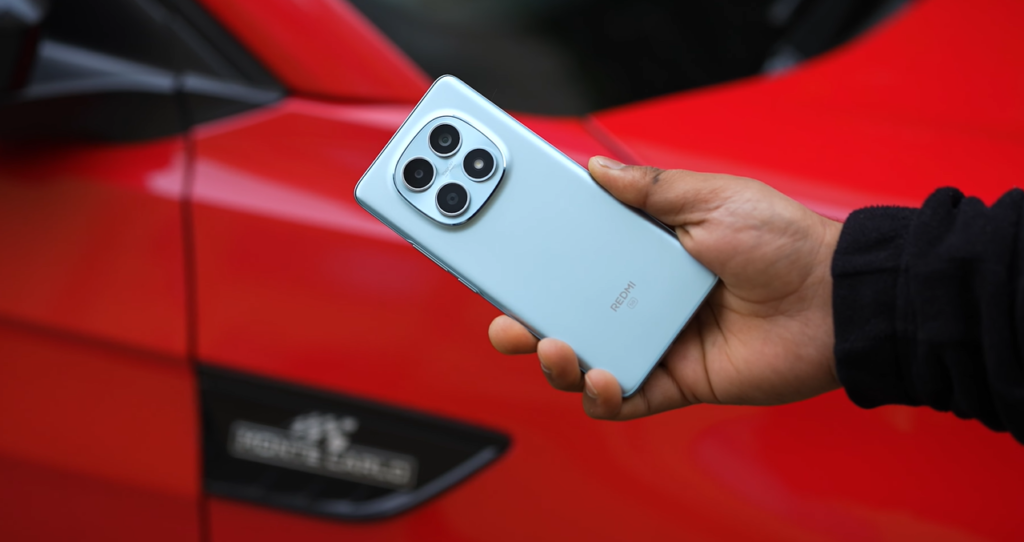
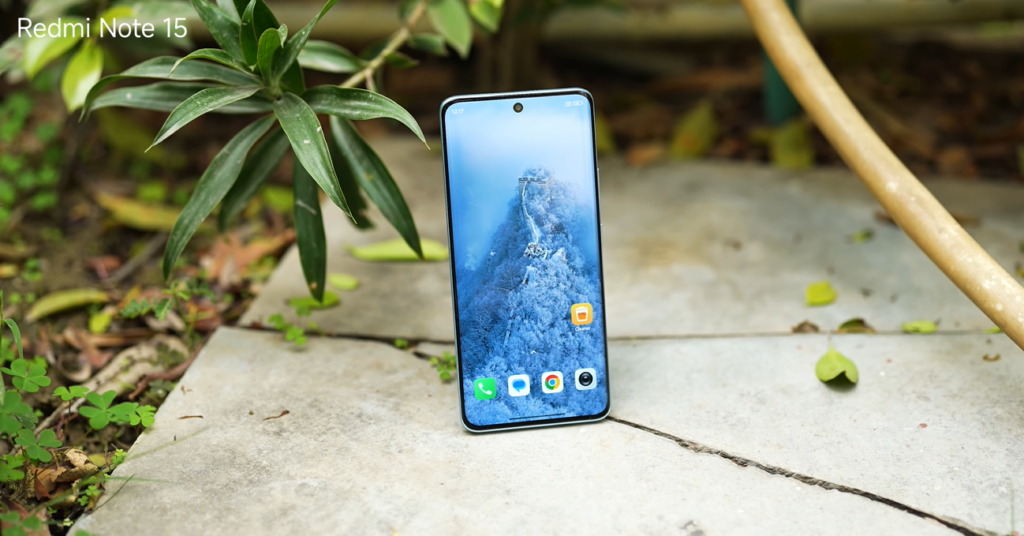
The Redmi Note 15 Pro 5G is a meaningfully better phone for a modest price increase, and worth prioritizing if your budget allows:
- Full water resistance (not just splash resistance) on the Pro, vs. splash-only on the base model
- Larger 6,580mAh battery with slightly faster charging
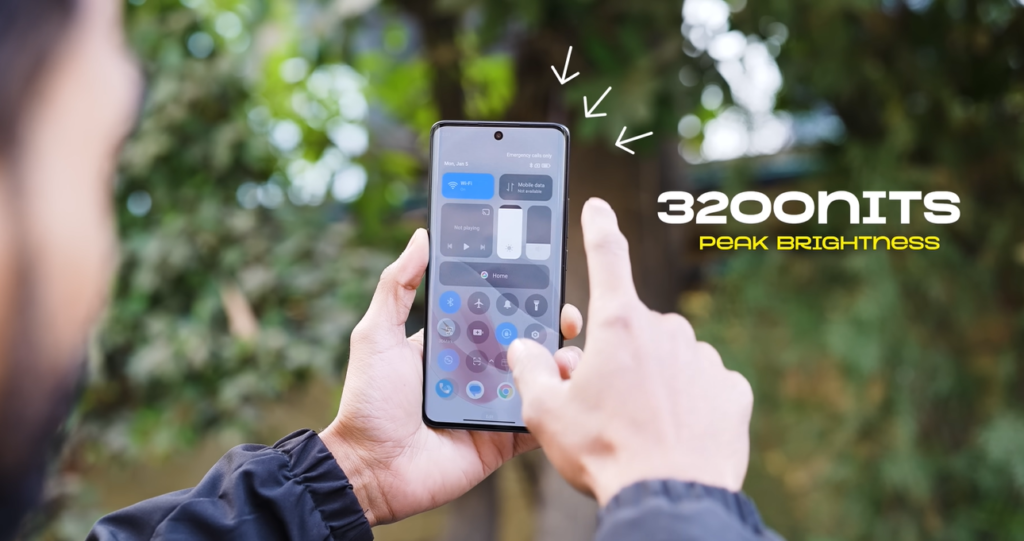
- Sharper 6.83-inch display with beefier speakers
- MediaTek Dimensity 7400 chipset, delivering noticeably smoother gaming and everyday performance
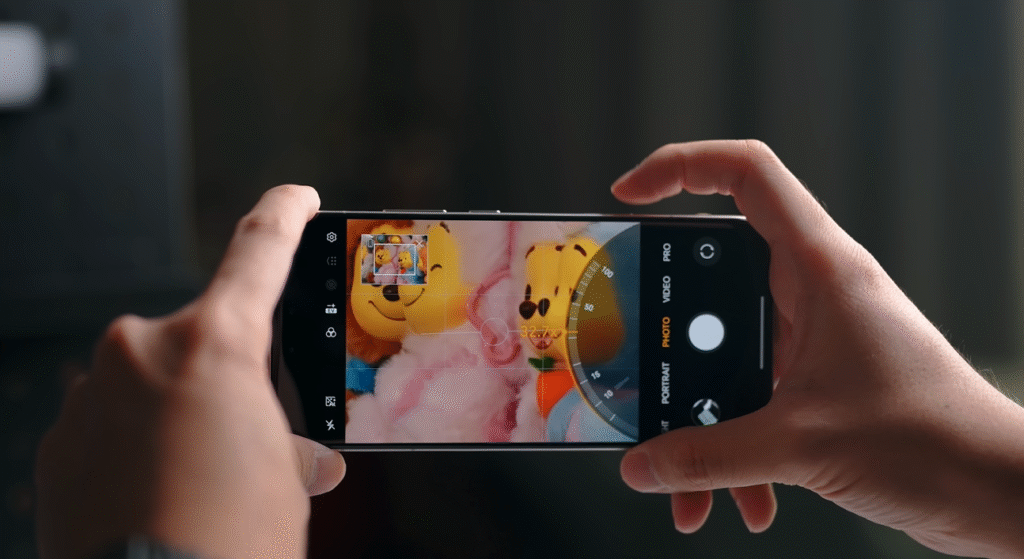
- 200MP main camera (up from 108MP) with a larger sensor for improved low-light photography, plus a bonus ultra-wide lens
Honor 400 and Honor Magic 8 Lite: Best for Discounts and Durability
The Honor 400 normally sits above this budget tier but becomes a strong pick when discounted, especially when combined with voucher-based promotions that can bring the effective price down significantly. Compared to the pricier Honor 400 Pro, the standard 400 drops the telephoto camera and charges slightly slower, but still offers solid core specs in a lighter, more compact body.
The Honor Magic 8 Lite leans into durability as its selling point — built with tempered glass and drop-resistance technology rated to survive falls from up to 2.5 meters, alongside an IP68/IP69 rating for dust and water resistance (including maintaining touchscreen responsiveness when wet). The display is large, sharp, and vibrant, good for both video and gaming. Performance from the Snapdragon 6 Gen 4 is limited — demanding titles like Wuthering Waves run but without smooth frame rates, while optimized games like PUBG Mobile perform better. Battery life is a genuine highlight, with a 7,500mAh cell capable of lasting a full weekend of moderate use, backed by 66W fast charging. The main compromise is camera quality, which hasn’t meaningfully improved from the previous generation.
Motorola’s Budget Lineup: Best for Design
The Motorola Edge 60 Fusion stands out primarily for its design — a slim profile with a soft-touch rear finish that feels more premium than its price suggests. Battery life is described as excellent, performance is solid rather than class-leading, and the POLED curved-edge display and camera system both outperform expectations for the price. The main drawbacks are slower-than-ideal software update rollouts and a scented rear finish some may find unnecessary. It has since been succeeded by the Edge 70 Fusion, which moves into mid-range pricing territory.
Further down the range:
- Moto G77 offers a clean, near-stock Android experience with a bright AMOLED display, but doesn’t have a strong standout feature beyond that.
- Moto G06 Power is the ultra-budget pick, pairing a large 6.9-inch display with a massive 7,000mAh battery at an entry-level price point — a strong option if performance expectations are kept realistic.
Poco M8 and M8 Pro: Best Value for Money
Both Poco phones (Xiaomi sub-brand models running HyperOS) were called out as standout value picks in this roundup:
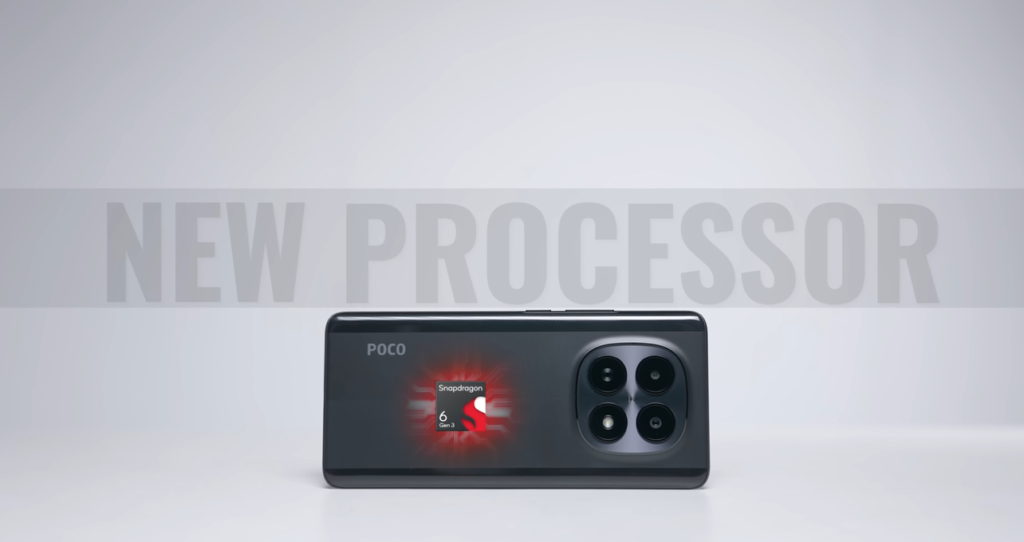
- Poco M8 (base model): rounded design for comfortable hand feel, splash-resistant only, 256GB storage with microSD expansion support, sizable AMOLED display, Snapdragon 6 Gen 3 chipset, 5,500mAh battery.
- Poco M8 Pro: more traditional slab design with added heft, full water resistance (unlike the base model), higher-resolution display with HDR support, upgraded Snapdragon 7s Gen 4 chipset capable of handling titles like Wuthering Waves and Genshin Impact, larger 6,500mAh battery, and a larger light-fusion camera sensor for improved low-light detail.
Both deliver strong all-day battery life even on the base model, making the Pro’s price premium mostly about performance headroom and water resistance rather than basic usability.
What About OnePlus and Nothing?
Two brands got notable mentions with important caveats:
- OnePlus Nord 5 was previously a budget favorite but, at the time of this roundup, OnePlus had withdrawn its phones from official sale in the reviewer’s market (UK) — a regional business decision, not a product issue. Refurbished units were still findable through third-party sellers there.
- Nothing Phone 3 (refurbished/older stock) was still considered a strong value pick where available, generally undercutting the newer Nothing Phone 4B in price. The Nothing Phone 4B itself was called out as a comparative disappointment within this roundup, with several flaws noted.
Buying These in India: What’s Actually Different
A few important corrections and context for shopping this list from India rather than the UK:
- OnePlus is NOT unavailable in India. The UK market exit mentioned above is specific to the UK — OnePlus continues to sell and officially support its phones in India, including the Nord series, so that caveat doesn’t apply here.
- Pricing won’t map directly. UK prices (£200–£300) don’t translate cleanly via currency conversion — Indian pricing for these same models is typically set independently and is often meaningfully lower in relative terms, particularly for Redmi, Poco, and Motorola, all of which have a strong manufacturing and retail presence in India.
- Variant differences are common. Redmi Note 15 series, Poco M8 series, and Motorola’s budget lineup often ship with different chipset or storage configurations in India versus the UK/Europe — always check the specific India-listed variant (via Flipkart/Amazon/brand site) rather than assuming UK specs carry over exactly.
- Honor’s India availability has been inconsistent in recent years — confirm current official retail presence before treating the Honor 400 or Magic 8 Lite as readily purchasable locally.
- Festive sale timing matters. Several of these budget picks (Poco, Redmi, Motorola in particular) tend to see their best Indian pricing during Flipkart Big Billion Days or Amazon Great Indian Festival sale windows rather than at MRP.
The Honor Magic 8 Lite (7,500mAh) and the Moto G06 Power (7,000mAh) offer the largest batteries, though the Redmi Note 15 Pro 5G and both Poco M8 models also deliver strong all-day battery performance.
The Redmi Note 15 Pro 5G stands out with its 200MP main sensor and larger sensor size for improved low-light photography, plus a bonus ultra-wide lens not found on the base model.
The Pro 5G is the stronger overall phone — full water resistance, a better chipset, larger battery, sharper display, and significantly upgraded cameras — and is worth the price increase if your budget allows.
Based on this roundup, it was considered one of the weaker picks in its price range, with several flaws noted compared to both the older Nothing Phone 3 and other budget alternatives covered here.
Which budget phone are you considering — or did we miss your favorite? Let us know in the comments below.